Tiktok Encourages Antidepressants as a Lifestyle Accessory, to Users’ Peril
Many online prescriptions are issued by providers who have never evaluated the patients in person.

Greetings, MindSite News Readers.
In today’s Daily, while antidepressants are easier than ever to obtain, and social media influencers are nonchalant about taking them, it’s still important to consult a medical provider, preferably in-person, and to be fully aware of the risks involved. A reentry program in California that we wrote about in a MindSite News Original helps people leaving jail and prison adjust and even flourish in life outside.
Antidepressants aren’t a lifestyle accessory, despite what TikTok says
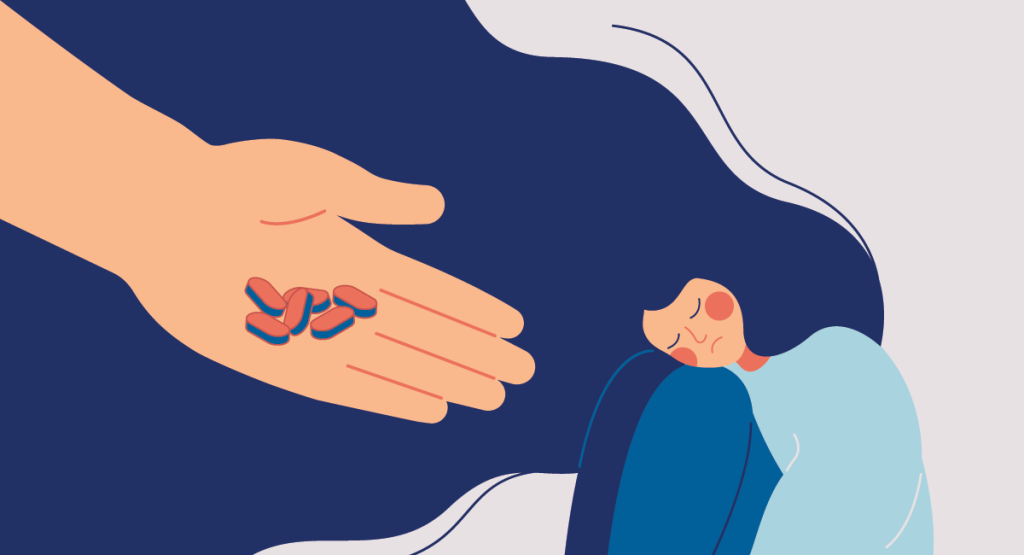
If you let TikTok tell it, it’s about as (in)significant to add an antidepressant to one’s daily regimen as it is a multivitamin. “The only regret I have about taking Zoloft is not starting it sooner,” says Mackenzie Tidwell, a 24-year-old who makes tongue-in-cheek posts about the pride she feels in taking the medication since April of this year. She’s one of many millennial and Gen Z online influencers putting out a wave of content celebrating antidepressants as the ticket to a life of their dreams.
But other women who have taken antidepressants, specifically selective serotonin reuptake inhibitors or SSRIs, like Zoloft, Lexapro, Prozac, and Celexa, tell the Wall Street Journal that their experiences have been far from simple. A 2022 analysis of data from 1979 to 2016 found that only 15% of participants with major depression saw a substantial benefit from antidepressants beyond a placebo effect. Moreover, many report negative side effects, which can last for years – even after the daily regimen has ended.
The truth is, most people feel better on antidepressants only because they are experiencing the placebo effect, says Marc Stone, a former FDA official who co-authored the 2022 study. Because research hasn’t yet revealed who would most benefit from taking the drugs, anyone considering them must seriously weigh the risk of side effects while taking them – including sexual dysfunction, nausea, and headaches, he said.
“My biggest concern is having the discipline to say, ‘Let’s stop the drug if you’re not having a major improvement,’” Stone added, though there are side effects to contend with even after discontinuing use, including anxiety, restlessness, and brain zaps which can continue for years. (Warning: people using certain antidepressants should only taper off under the supervision of a doctor; stopping overnight could have serious health consequences.)
The prevalence of withdrawal symptoms has some experts concerned about the ease with which people can obtain antidepressants online. Companies like Hims & Hers Health have seen explosive growth in part through paid advertising partnerships with influencers. MediaRadar estimates the company has spent more than $521 million on digital marketing since 2021, aiming a large portion of the Hers division’s spending at Instagram, TikTok and Facebook – one tagline reads “Depression Meds from Your Sofa.”
But some say that’s exactly the problem. Prescriptions are issued by providers who’ve never had a chance to fully evaluate patients in-person, and telehealth follow-up can be limited, keeping patients on the medications longer than necessary, according to some psychiatrists. For instance, the median length of antidepressant use in America is five years, despite little evidence documenting that treatment of that duration is effective, the Journal reports.
In December 2022, Nadya Okamoto, 27, earned money as an influencer promoting Hers. What she didn’t mention, however, was that she was also trying to reduce her Zoloft dosage with the help of doctors unaffiliated with the company. It’s not that Zoloft didn’t help. In fact, Okamoto says it was life-changing at the start. But she’s since said she’s frustrated with psychiatrists for continuing to push antidepressants and she wants to come completely off of them in the near future.
The pill dulled her sex drive and triggered profuse night sweats, she said, adding that she felt doctors she spoke to would rather she “be numb and emotionless” than acknowledge that sometimes, sadness is an emotion humans experience. “It feels like I’m just putting on a lot of Band-Aids,” she said, rather than “pushing myself to just really address the problem at the root cause.” Okamoto continues to work with providers to reduce her Zoloft dosage, crediting exercise, yoga and acupuncture for keeping her mood supported while she does so.
The cure to loneliness could be right outside your doorstep
Feeling lonely? What if someone helped you step outside and meet six people living nearby? That’s the basic premise of San Francisco’s “Meet Six Neighbors” campaign, the San Francisco Chronicle reports. It’s an extension of California’s Neighbor-to-Neighbor initiative, intended to help people combat chronic loneliness; the issue was declared an epidemic in the US just two years ago by then Surgeon General Vivek Murthy.
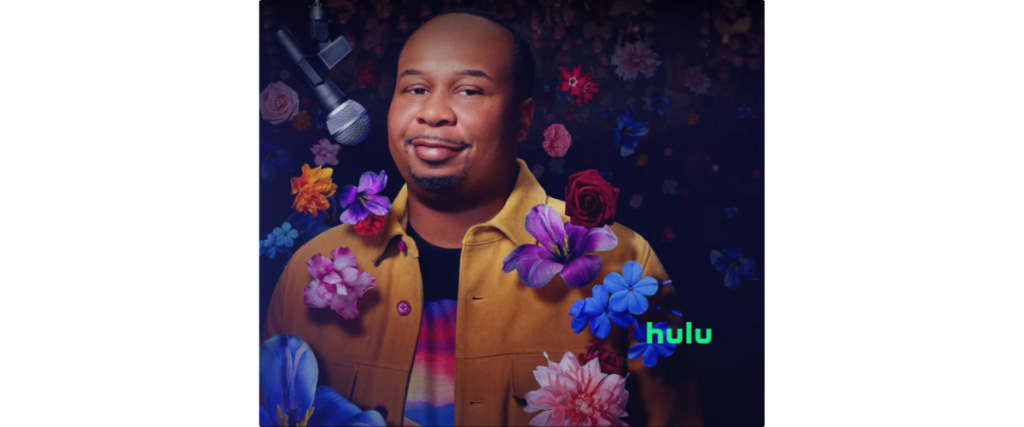
Gerontologists, policymakers, and other experts forged the project after learning from a 2024 study that it really is the little things – small acts of kindness, like checking in just to say hello, running an errand for someone, or even a helping hand putting groceries away – that can help reduce feelings of stress, loneliness, and isolation. (It reminds me a lot of the power held in any and all connection, as comedian Roy Wood, Jr. discusses in his 2025 comedy special Lonely Flowers.)
Social connection’s critical value cannot be overstated; evidence is mounting to suggest it might be as important for humans as regular exercise and good nutrition. One study from 2017 found that a disconnected life could be as harmful as 15 cigarettes a day.
Georgia Seibert stepped up to the challenge, attending a “Meet Six Neighbors” event one Thursday afternoon. Alongside 30 other older adults, Seibert, 84, did tai chi, moved to music, and learned about her neighbors. She shared the cool fact that she’d been a ballet dancer in Beverly Hills at age 18. Getting out has helped forge new connections, like the one she has now with Janet Bilden, Seibert told the Chronicle.
“We text each other,” she said, and they walk home together from church. Building new social touchpoints became important as her adult children moved farther out and her parents passed away. “All your regular social connections are gone,” Seibert said. “I still think I’d like to call my mother and she’s not available. I don’t have any children under 56. And they think you’re boring!”
Despite not feeling like a particularly social person, she’s been going to the group exercise classes for months, and says she’s made friends there.
“We live in a time where people are very disconnected from each other and are not joining civic groups like they did in generations past, and people are living alone longer,” said Josh Fryday, director of the California Office of Service and Community Engagement. His office launched the Neighbor-to-Neighbor program and provides cities grants to conduct the program, including $500,000 recently allocated to San Francisco.
“What we’re trying to do is figure out ways to get people connected in their communities.” Kate Kuckro, who runs the nonprofit behind Seibert’s class, said most people would like to meet neighbors, but don’t know where to begin. “So if you can help people get past that hurdle, the magic happens on its own.”
Freedom Reads recently opened its 500th library — and it’s just getting started
Reginald Dwayne Betts spent nearly a decade in prison, including substantial time in solitary confinement, after carjacking a man at age 16. Books weren’t allowed in “the hole,” but surviving long-term incarceration requires ingenuity, and men in the prison found a way to put books in his hands. “Somebody sent me Dudley Randall’s The Black Poets, and it radically changed my life,” he told The Washington Post. “Whether I was reading Walter Mosley, or when I finally got into fantasy novels, or when I read Sophie’s Choice, books gave me a pathway into the world.”
Now decades removed from confinement, Betts is freeing the minds of other men and women still restricted to prisons through his nonprofit Freedom Reads, which has installed more than 500 libraries in prisons across America. “We put millions of people in prison; I want to put millions of books in prisons,” he says.
Following his own re-entry decades ago, Betts graduated from Yale Law and now serves as an attorney, helping people facing long sentences, and advocating to end both cash bail and the practice of sending juveniles to adult prisons. He’s also a poet and 2021 recipient of a MacArthur “genius grant” for his work helping the incarcerated. This week, Freedom Reads will open 35 libraries across one men’s and one women’s prison in Missouri. The 500-book installations are on low-level bookcases that offer access on both sides, designed to spark conversation and community around their contents.
That’s exactly what happens too, says James Davis III, who was incarcerated at Connecticut’s Cheshire Correctional Institution when a Freedom Library arrived on his cellblock. “It actually influenced the culture in the unit.” He and other men began hanging out with the books, forming informal discussion groups to talk about what they learned. “Every book is like a classroom,” Davis said. “How to communicate, how to relate to people, how to treat people. All these things are played out in books.”
Now out of prison, Davis is communications associate for Freedom Reads, and calls the job a dream come true. In addition to installing libraries, Betts has also created an award for incarcerated writers – the Inside Literary Prize for poetry – judged for and decided by people in prisons.
“People inside also have a robust imaginative life that they’re cultivating and that they want to be able to cultivate more. And that cultivation leads to change. It helps us, it helps them,” Betts said. “Having access to something beautiful matters.”
In other news…
For people leaving incarceration in California, reentry support is a lifeline. The transition back to life on the outside is notoriously difficult. Reentry programs can make that change easier, providing job training, substance use treatment, and other support services for up to 120 days, and housing for up to 90 days. Support doesn’t just start when they get out – support begins while they’re still incarcerated, so that they’re best placed for their transition to freedom. In this MindSite News Original by reporter Laurie Udesky, we meet some of the beneficiaries of these programs, and hear first-hand their stories of rejoining the community.
Was ayahuasca used to indoctrinate supporters for Jair Bolsonaro? That question is central to this episode of the Altered States podcast. In recent years, Brazil has experienced political upheaval similar to that of the United States, and its president Jair Bolsonaro was sentenced to 27 years in prison for attempting a coup to stay in power. Like Donald Trump railing against his “stolen” victory in the U.S., Bolsonaro riled up his followers, leading them to storm Brazil’s presidential palace and congress, to seize the chambers he claimed were stolen in an election.
Many involved were members of the Centro Espírita Beneficente União do Vegetal, or UDV, a religious group founded in Brazil in 1961 to make peace in the world, through love for others and acting out goodness, according to the organization’s website. Critically, as part of their regular faith practice, UDV members consume the highly psychoactive tea ayahuasca.
Alexandre Rodrigues, a lawyer and former UDV member was appalled that UDV leader Mestre Monteiro was supporting Bolsonaro’s demonstrations, Rodrigues filed suit against UDV in Brazil’s Supreme Court, calling for an investigation into whether the religion’s leaders were using ayahuasca for political indoctrination. Former members of UDV interviewed for this podcast support Rodrigues’s allegations.
Mental health can't wait.
America is in a mental health crisis — but too often, the media overlooks this urgent issue. MindSite News is different. We’re the only national newsroom dedicated exclusively to mental health journalism, exposing systemic failures and spotlighting lifesaving solutions. And as a nonprofit, we depend on reader support to stay independent and focused on the truth.

It takes less than one minute to make a difference. No amount is too small.
The name “MindSite News” is used with the express permission of Mindsight Institute, an educational organization offering online learning and in-person workshops in the field of mental health and wellbeing. MindSite News and Mindsight Institute are separate, unaffiliated entities that are aligned in making science accessible and promoting mental health globally.

Author
Related Articles
Chatbots May Spark Delusions Even in People With No Mental Illness
Psychologists say AI chatbots have led people to experience delusions, warning that more of us are at risk than we might think.
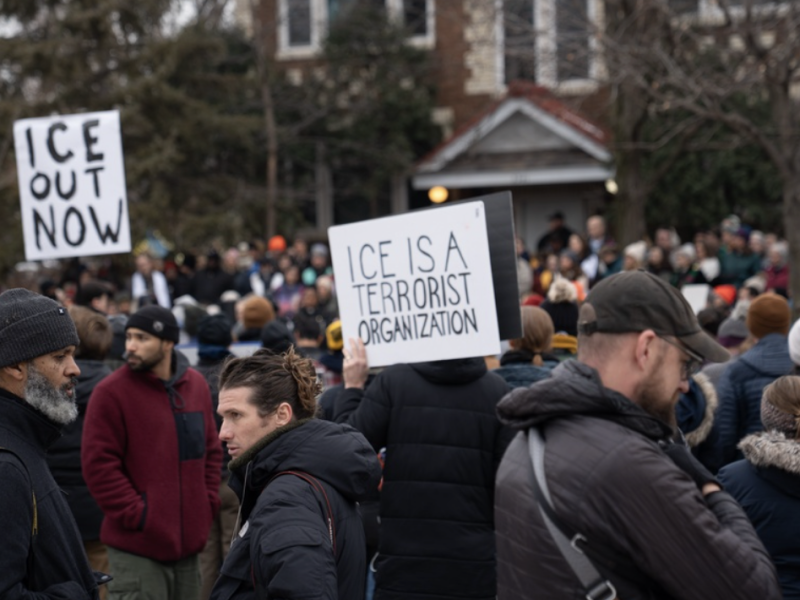
Minneapolis Mourns Hero Nurse Killed By ICE, Condemns DHS Gaslighting
We look at another ICE killing of a US citizen in Minneapolis, and the federal government’s ensuing firehose of lies and propaganda.
A Cat Love Story, and The Battle Over Opioid Settlement Dollars
A major policy shift in Pennsylvania now allows opioid settlement funds for public defenders, a move that could transform how counties address addiction and the legal system.
