‘Brain Rot’ From Social Media May Be More Than Slang
Researchers are looking at the impact of overconsuming short-form videos like TikToks and Instagram reels.

Greetings, MindSite News Readers.
In today’s newsletter, researchers look at the impact of consuming too many short-form videos like TikToks and Instagram reels, so in case you’ve ever asked yourself, Is brain rot real?, they’re getting closer to an answer.
In other news, Australia’s youth social media ban takes effect. How music therapy in Puerto Rico calmed children devastated by Hurricane Maria. Youth mental health improved once schools reopened during the pandemic. And a Latina nanny speaks out.
Early research may have found ‘brain rot’ from overconsumption of short-form video
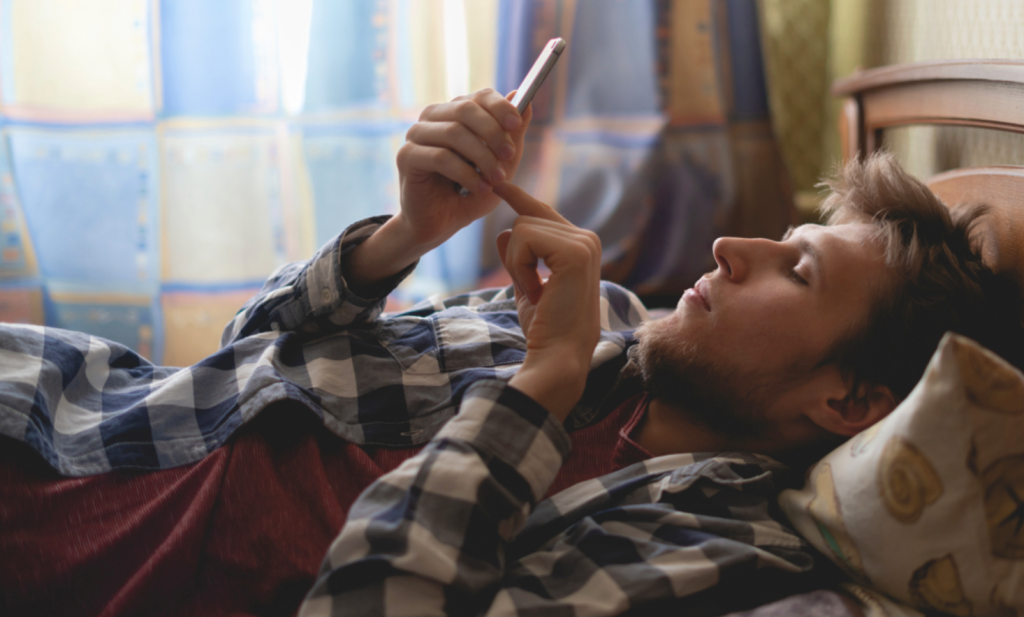
Researchers told NBC News that early studies suggest heavy consumption of short-form video – like TikToks, Instagram Reels, and YouTube Shorts – is linked to worsened attention spans, lowered impulse control, and reduced emotional well-being. The findings mirror the emergence of the term “brain rot,” a slang term for “deterioration of a person’s mental or intellectual state,” which young people associate with excessive time on these platforms, according to Oxford University Press.
According to a review of 71 studies involving nearly 100,000 subjects published by Psychological Bulletin, heavy consumption of short-form video seems tied to increased symptoms of depression, anxiety, stress, and loneliness. A separate analysis of 14 studies echoed those findings, noting associations with shorter attention spans and weaker academic performance.
Researchers emphasize that these studies capture correlations, not causation, and are all relatively short-term, but the pattern is consistent in studies from across the globe, prominently in the United Kingdom and Middle East, which also show links between high doses of the videos and issues with attention, memory and cognitive fatigue.
Neuropsychologist James Jackson is hesitant to outright condemn short-form video, saying people often demonize new technologies and culture shifters, from video games to Elvis. There are clear positive uses, he notes, pointing to education and community. Still, he didn’t dismiss all concerns, and did say that the format broadly seems to have harmful effects on the brain when consumed in large doses.
This emerging evidence makes a strong case for continued study. “It might be too early to claim universal doom,” said Nidhi Gupta, a pediatric endocrinologist who researches the effects of screen time, and who also highlighted the need for more study of older adults. “The research for alcohol, cigarettes and drugs took 75 years or more to develop. But I would be surprised if, in the next five to 10 years, we do not have similar signs validating the moral panic that we have around short-form videos.”
Music therapy in Puerto Rico helps kids heal from hurricanes
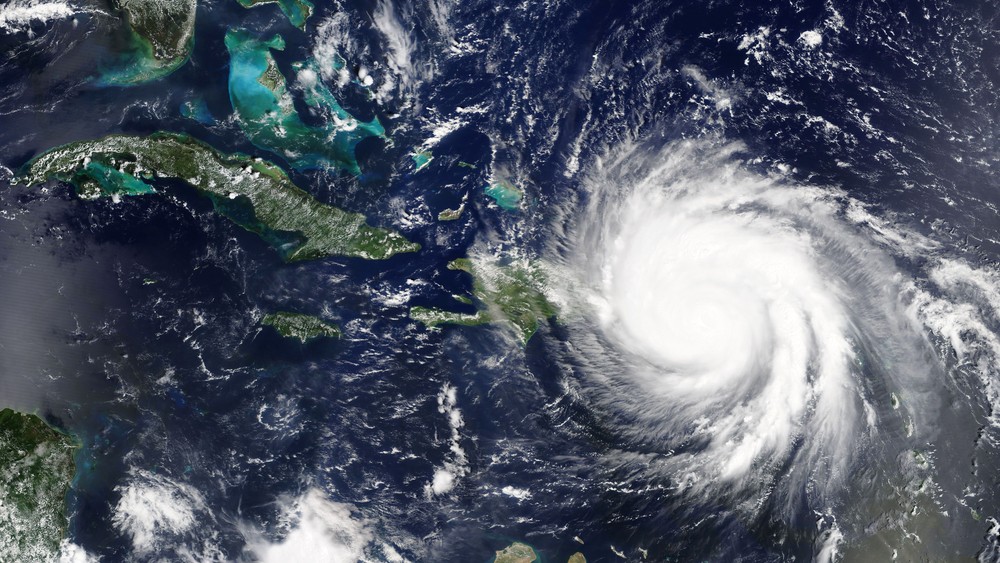
After the twin catastrophes of Hurricanes Irma and Maria, both of which slammed into Puerto Rico in 2017 and killed more than 4,000 people, three music therapists on the island set out on a journey to more than two dozen shelters for children in foster care centers. They carried instrument bags full of hand drums, keyboards, tubano drums, and guitars, as well as smaller percussion instruments such as maracas, tambourines, sticks and cabassas – along with their experience using music for healing.
It was a challenging task: The small team worked with relief workers delivering food and water, traveling for more than 20 days to shelters scattered around the island. The hurricanes had caused 40,000 landslides, and the team sometimes had to climb over giant trees that had been blown down by the hurricane and blocked the roads. With no electricity, their GPS wasn’t working properly, and without phone access or even an internet signal it often took them hours to reach the addresses they were searching for.
When they reached their destinations, the children were often quiet at first, even apprehensive, peering at them from the dark rooms. But as the team passed instruments around, the little ones became more animated and playful; the older ones intrigued. Read the rest of this MindSite News Original story reported by Puerto Rican journalist Mariela Santos-Muñiz.
After her brother’s deportation, Latina nanny sees employers in new light
This November, after a terrified nanny texted her employer that her brother had been detained by Immigration and Customs Enforcement (ICE) agents and she couldn’t come to work that day, the family she worked for was royally upset – with her, according to USA Today.
Her employers wanted to know if she was a citizen and criticized her for canceling work at the last minute.
“I was with my sister-in-law and my nephew” at the time, said the nanny, who asked USA TODAY not to use her name for fear of putting them at risk. “They were destroyed.” Although she was born in the United States, her brother, who was deported back to Mexico, had lived there since he was in elementary school. “He’s the hardest working man I know,” she told the reporter.
She knew that the family she worked with were Trump supporters, as she had seen their MAGA hats and Trump campaign flags. But she never expected such a lack of empathy when she asked for a few days off to support her family. “I woke up to a really long text (from the mother). She was saying, ‘What are we going to do now?… I understand it’s hard, but it’s not our problem.'”
“I just started crying,” the nanny says. “How can somebody have no compassion? Like, she doesn’t see how much I love her kid, how much I take care of her kid? And she can’t have a little compassion for me?” –Diana Hembree
Australia’s youth social media ban puts a damper on the holidays
For today’s tweens and teens, it’s almost the worst thing that could happen, and at the worst time: Australia has implemented a youth ban on social media, just before the start of a 6-week holiday. Yesterday, more than 1 million Australians under 16 lost their accounts on TikTok, Instagram, and YouTube, mere days before they’re also cut off from their in-person social routines.
“You’re basically isolated for about six weeks during the school holidays,” 15-year-old Sydney resident Ayris Tolson told Reuters. “As it continues on, I will probably feel more attached to social media. It’s not such a good time.”
Mental health experts warn that the sudden loss of digital community will be destabilizing for some, especially teens from marginalized communities, including LGBTQ+ youth or those from rural or immigrant households. While researchers can’t yet confirm how many Australian youth under 16 use social media to reach mental health services, 72% of 16-25 year old respondents to a 2024 informal survey from ReachOut.com used social media for mental health advice, while almost half used it to find a qualified provider.
Moreover, many young people find community and connection through social media. Without the grounding of daily school life over the long summer holiday, some fear that vulnerable youth struggling with the sudden loss of social media will have too much solo time with troublesome thoughts.
“If you were at school, there would have been a lot of conversation and chatter around it; it’s a shared experience,” said Nicola Palfrey, head of clinical leadership at headspace, a government-funded youth mental health service. “If you’ve got more time on your hands and you’re in your head quite a bit… time alone with your thoughts is not ideal. It’s those people that are starting to feel concerned.”
Despite these concerns, Australian officials have said the ban will ultimately benefit youth mental health by shielding them from cyberbullying, harmful content and addictive algorithms. Australian eSafety Commissioner Julie Inman Grant directed youth to exempted online spaces – which include messaging apps like WhatsApp and Discord, as well as headspace – and said that the government will collect two years of data on the ban’s “benefits, but also the unintended consequences.”
Meanwhile, youth programs and mental health providers are gearing up for what could be a difficult holiday. Kids Helpline, a youth mental health resource which typically sees a drop in activity during this 6-week break, is bracing for a potential surge in need by training 16 new counselors, and leaders at Youth Affairs Council Victoria are planning a new national body for reaching youth offline because of how many organizations are asking them for help.
“The interaction that young people have with teachers or support staff or youth workers will be less,” said Lauren Frost, head of policy at the organization, “so they won’t be able to play that role of supporting young people through this time of transition. They’re feeling a lot of fear and a lot of anxiety.”
In other news…
Youth mental health improved once schools reopened during the pandemic: In a new study, researchers at Harvard found that reopening schools during the COVID-19 pandemic was linked to a significant reduction in mental health diagnoses among children, including anxiety, depression and ADHD. Improvements were most noticeable in girls. “Our results provide solid evidence to parents, educators, and policymakers that in-person school plays a crucial role in kids’ wellbeing,” senior author Rita Hamad said in a press release.
For the study, researchers analyzed insurance data for 185,735 school-aged children in California, keeping an eye out for those who received mental health care or filled a prescription for a diagnosis such as anxiety, depression, or ADHD. Subjects represented 24 counties and 224 school districts in a state where schools stayed closed longer than in most others. Researchers found that 9 months after a school’s reopening, children were 43% less likely to receive a diagnosis such as anxiety, depression or ADHD, and that related spending on mental health care also declined.
“As we consider future public health emergencies, this study suggests we need to prioritize safe school reopenings and ensure children have access to the social and emotional resources that schools provide,” Hammad continued. “Policies should focus not only on infection control, but also on the mental wellbeing of children, recognizing that schools are a critical part of their support system.”
Deciding to have an abortion does not worsen mental health, research finds: Melanie, 32, told Rewire News Group that she felt like a weight had been lifted from her shoulders immediately after having an abortion. But the following week, her mood shifted; depression settled in. She recognized it from past depressive episodes. “This was such an intense phase of depression – all of those coping skills and resources, everything that I do normally went out the window,” Melanie said. She doesn’t regret the abortion, though.
Experts say most people who have an abortion don’t feel distressed in the way Melanie did. But for those who do, experts say it’s not generally linked to the decision – mental health declines after abortion seem largely to be connected to hormonal changes after pregnancy ends, preexisting mental health conditions, as well as the social impact of abortion, including stigma, isolation and logistical or financial stress.
The notion of “post-abortion syndrome” is “widely debunked,” said reproductive psychiatrist Sarah Oreck. It “falsely suggests that abortion inherently leads to regret or mental illness.” Research has consistently found that people do not regret the abortions they have – most people report relief – and that stigma is often a significant factor if negative feelings do emerge. “Better research should examine how existing psychiatric conditions interact with abortion access and timing, barriers to mental health care for people seeking abortion in restrictive states, and evidence-based screening approaches for those with known mental health histories,” Oreck added.
The name “MindSite News” is used with the express permission of Mindsight Institute, an educational organization offering online learning and in-person workshops in the field of mental health and wellbeing. MindSite News and Mindsight Institute are separate, unaffiliated entities that are aligned in making science accessible and promoting mental health globally.

Author

Related Articles
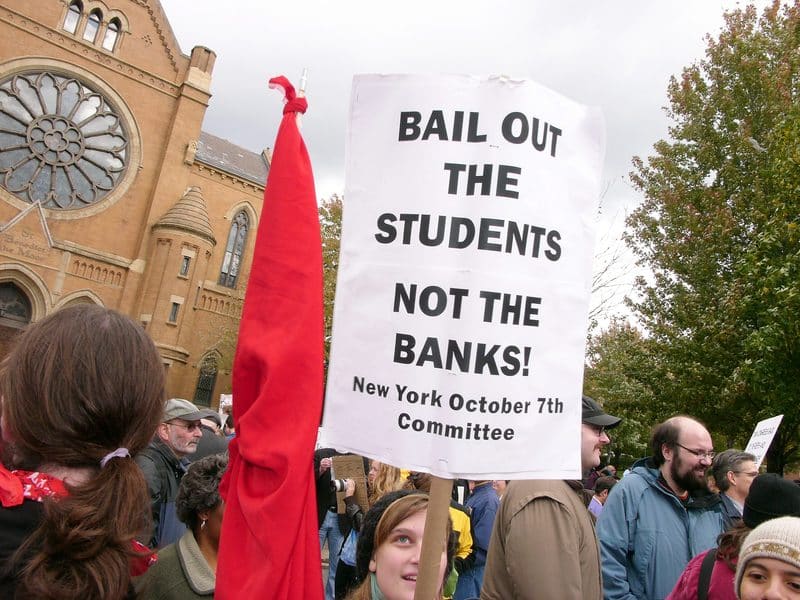
Trump’s Student Loan Changes Cause Anxiety and Panic
Borrowers face rising payments under the Trump administration’s student loan changes. Plus: teaching emotional literacy to teen girls, and why the new CDC youth mental health report is facing criticism.

Rumors of Kids Quitting College En Masse Are Exaggerated
This week: what the data says about Gen Z students quitting college, and why postpartum mental illness is more than depression.

Why Is Georgia Blocking Recovery Homes for Substance Abuse?
Georgia towns are using zoning loopholes to shut recovery homes down, even as addiction and mental illness surge statewide.