
Ahead of album release, Ye apologizes for hate speech, blames bipolar 1
Ye (Kanye West) issues a formal apology for 2025’s extremist actions, citing a 2002 brain injury and bipolar mania. Some experts and fans remain skeptical.
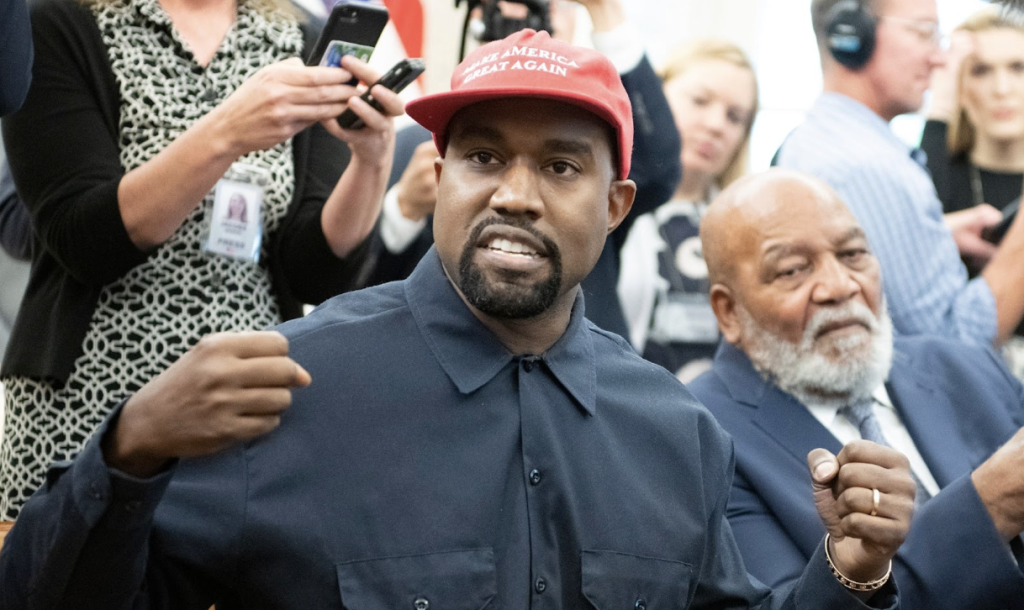
Earlier this week, Ye, formerly Kanye West, issued an apology as a full-page ad in the Wall Street Journal, and then discussed it in an exclusive email interview with Vanity Fair.
Ye was apologizing for a series of anti-Black, antisemitic, and extremist actions that he says occurred during a four-month manic episode in early 2025. Those actions included selling swastika T-shirts, releasing a song titled “Heil Hitler,” and making alarming statements about “dominion” over his wife, Bianca Censori. They came after years of egregious statements, including pro-Nazi, antisemitic rhetoric, and an assertion that centuries of enslavement were “a choice” for African Americans. Regarding his behaviour early last year, West writes, “I regret and am deeply mortified by my actions in that state, and am committed to accountability, treatment, and meaningful change. It does not excuse what I did, though.”
Ye attributes his behavior to bipolar 1 disorder, which he says stems from an undiagnosed right-frontal-lobe injury sustained in a 2002 car crash, just before his ascent to superstardom. He wrote that amidst mania, he exhibited “psychotic, paranoid and impulsive behavior” and suggested that at times he felt suicidal.
Neuropathologist Bennet Omalu, who first uncovered the progressive, degenerative brain disease chronic traumatic encephalopathy, CTE in football players, says that the brain injuries Ye sustained in the crash were a “significant and substantial contributory factor to his progressive behavioral and cognitive impairment regarding his impulsivity and lack of restraint on the public domain,” and the “permanent and progressive” nature of the illness requires “long-term multi-disciplinary rehabilitative and therapeutic medical care and monitoring.” People navigating such an injury “need our empathy and sympathy and not our judgement and dismissal,” Omalu said.
Many remain skeptical of the apology, though, recalling Ye’s December 2023 redress ahead of his Vultures 1 album release. His latest record, Bully, is similarly set to debut this Friday. “I think what’s important to say is that the vast majority of people who have mental health issues, or specifically have bipolar disorder, don’t espouse antisemitic or racist ideas,” says Avinoam Patt, director of the Center for the Study of Antisemitism at NYU.
After reading Ye’s statement, Patt added, “I guess this is a start… but it would be most important to follow up with meaningful actions (and perhaps even new music) that conveys his newfound dedication to creating ‘positive, meaningful art ‘– hopefully this will be art that spreads love and not hate, working to bring people together through his music.”
The name “MindSite News” is used with the express permission of Mindsight Institute, an educational organization offering online learning and in-person workshops in the field of mental health and wellbeing. MindSite News and Mindsight Institute are separate, unaffiliated entities that are aligned in making science accessible and promoting mental health globally.

Author

Related Articles

One Woman’s Mission to Help Middle School Girls Expand Their Emotional Literacy in Metro Chicago
Keana Shatteen is building emotional literacy for girls in Chicago, helping middle school students turn feelings into positive communication.
Suicide Is Hard to Predict. Access to Guns Is Not
Suicide is nearly impossible to predict, but gun access is not. Research shows red flag laws and firearm policy save more lives than risk assessment.

Depression Isn’t the Only Post-Birth Mental Illness Recent Mothers Experience
Postpartum depression gets the spotlight, but anxiety, psychosis, and other perinatal mental illnesses often go unnoticed and untreated.