A Bustling Hollywood Clubhouse Helps LA Residents with Mental Illnesses Thrive
Fountain House Hollywood is one piece of a project to remake mental health care in the neighborhood, which officials termed “Hollywood 2.0.”

Greetings, MindSite News readers!
Today we bring you the story of a thriving Hollywood clubhouse for LA residents who struggle with mental illness.
In other news, BuzzBallz – bright-colored orbs with high-alcohol fruity drinks – are reaching Gen Z’s underage drinkers as young as 13, who consume them in record numbers. And in Philadelphia, turning vacant lots into green parklets creates beauty and reduces depression and violence in urban neighborhoods.
Plus, MindSite News contributor Simran Sethi shares another episode of her “Unseen” series on the devastating impact of ICE on Asians in America – this one discussing the abysmal treatment of Chinese people in ICE detention and deportation.
An L.A. Woman Was Feeling Lost. Fountain House Hollywood Gave Her a Sense of Purpose
“Every person you see living outside has a story.” That’s how journalist Lee Romney begins her radio story on a 66-year-old Los Angeles resident who has struggled with mental illness and homelessness. Here’s the start of the print version.
When Mignon Poon strode into the small clubhouse kitchen in Hollywood on a morning in late November, a lunch recipe waited on the table: for barbecued chicken, mac and cheese and collard greens.
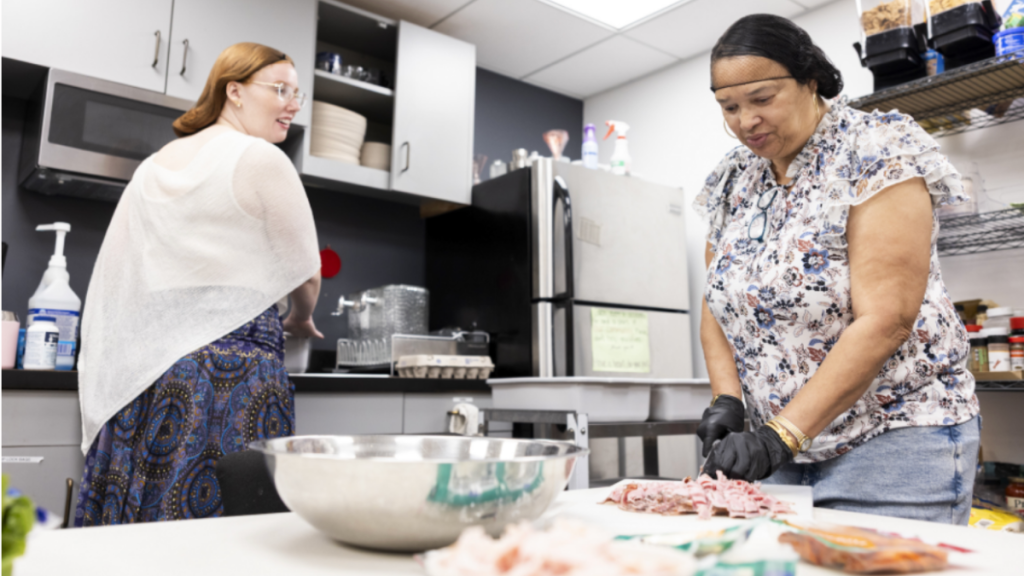
She pulled on a pair of hygienic gloves and, with Motown vibes wafting from a Bluetooth speaker, got to work with two fellow members of the clubhouse, called Fountain House Hollywood, chatting and singing along as they cooked.
For Poon, 66, this easy camaraderie was nearly unimaginable just three years ago.
She’d spent decades living with severe, untreated mental illness, bouncing from the streets to homeless shelters. To quiet her mind, she self-medicated with alcohol and, sometimes, hard drugs. It all led to countless nights spent sleeping on the hard ground.
“This place right here saved me,” Poon, whose caramel eyes shine with playful mischief, said at the clubhouse, a bustling collective that operates out of a repurposed Sunset Boulevard office space. “Besides get up and start drinking, I get dressed and come here. It gives me something to look forward to.”
The private, nonprofit clubhouse is open to anyone diagnosed with a serious mental illness who lives, works or receives mental health treatment in Hollywood. The Los Angeles County Department of Mental Health doesn’t run it. In fact, there are no clinicians on staff.
County mental health leaders partnered with a storied New York-based nonprofit to bring the clubhouse to Los Angeles, so their clients could participate.
It’s part of an ambitious multilayered pilot project — which seeks to collaborate with community organizations to build an ecosystem of care that goes well beyond conventional clinical treatment.
Fountain House Hollywood is just one piece of that project to remake mental health care in the neighborhood, which officials termed “Hollywood 2.0.”
Hollywood 2.0 architects say intensive intervention by clinical teams, who deliver treatment on the streets and in shelters, is a must for people like Poon, who’ve survived unhoused and untreated for years, often with co-occurring addictions.
So is safe and stable housing. But true recovery, they maintain, requires more: a sense of agency, purpose, belonging and joy, in community.
Poon, one of Hollywood 2.0’s earliest clients, is thriving. And when it comes to that sense of belonging, she and her care team agree: the clubhouse has been key…
To read the rest of this story, originally published by KQED, click here.
ICYMI, we’ve reported before on the amazing work of Fountain House, saving lives during the LA wildfires, helping the people served by clubhouses cope with getting cut off SNAP benefits during last year’s government shutdown, and on how the programs ease loneliness.
Gen Z and the unbearable brightness of BuzzBallz
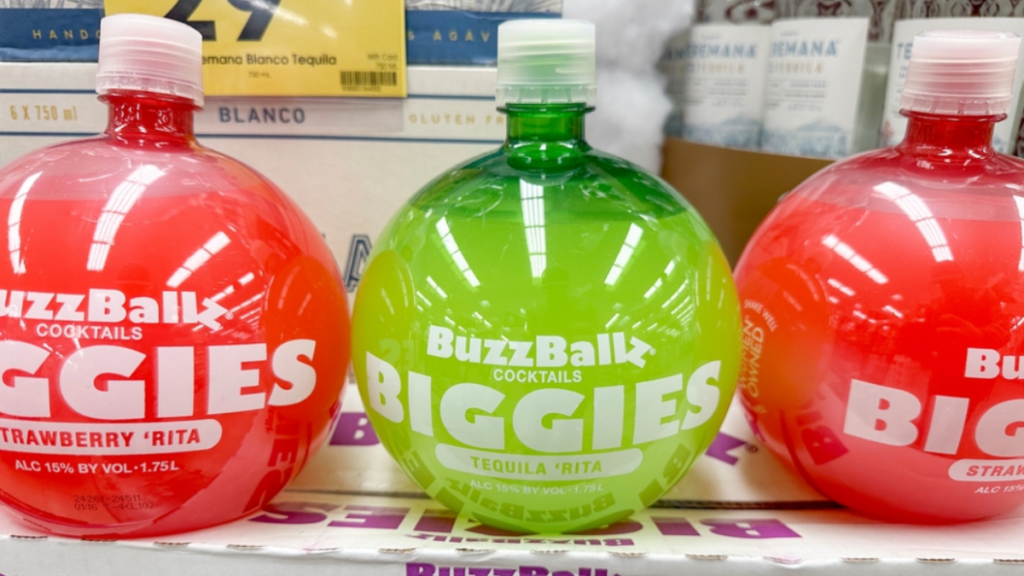
BuzzBallz are phosphorescent balls containing high-alcohol fruit drinks which the New York Times says “are all the rage” among Gen Z. I can confirm as much, having heard of them from my high school-age child: Apparently teen parties and beach bonfires in the Bay Area are overflowing with beer and BuzzBallz.
The brightly colored drinks are not confined to the United States. Lucy Rocca, 50, living in Sheffield, England, first heard of BuzzBallz when she was planning a New Year’s party. She was talking to her daughter and a friend about what to buy for it, and when they suggested BuzzBallz, “I was like, ‘Whoa, no way.’”
She told the Times that when she asked her 13-year-old daughter where they had heard of Buzzballz, the girl responded, “All my friends are drinking them.”
The playful packaging and fruity flavors that attract young drinkers are much like the candy-flavored vaping products that Big Tobacco sells to hook kids on nicotine. And Gen Z’ers are more likely than other generations to drink to excess and to binge drink, according to researchers at University College London. They attribute the increase to high rates of anxiety and stress, the promotion of drinking on social media, and easier access to alcohol through grocery stores and online delivery services.
The BuzzBallz brand was bought up in 2024 by the spirits company Sazerac, which claims it doesn’t market to underage drinkers.But in December of last year, Sazerac came out with Boulders, a supersize version of BuzzBallz that contains three liters of drink “and about as much alcohol as 25 standard cans of beer,” according to the Times.
Now is a good time for parents and teachers to sit down and talk with their young ones about the dangers of alcohol poisoning and drinking and driving – no matter how playful the package of the drink.
In Philadelphia, turning empty lots into urban gardens creates beauty – and reduces violence and depression
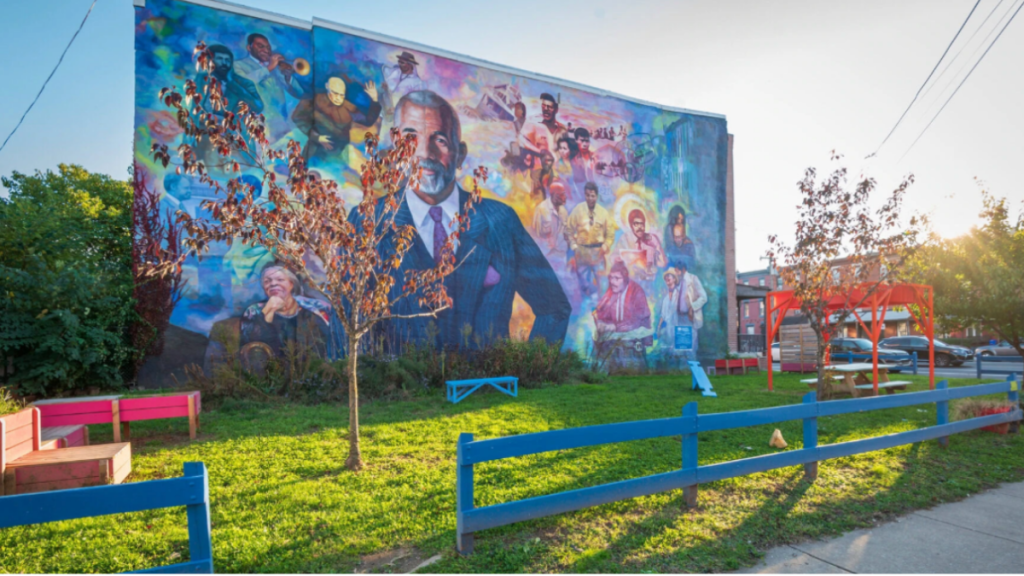
Philadelphia has long struggled with the blight of vacant lots abandoned by declining industry. Now, many are being transformed into urban gardens.
Under the LandCare program, funded by the city and run by the Pennsylvania Horticultural Society, work teams have begun transforming lots into green spaces, hauling out trash and adding soil, plants and even murals. Not only are residents having barbecues, weddings and even Easter egg hunts in the beautified spaces, they’re also finding stronger benefits, according to Reasons to Be Cheerful.
A recent study published in PNAS found a 29% reduction in gun violence and a 21% reduction in burglary among other improvements in neighborhoods around the LandCare lots. An earlier study published in JAMA Network Open found a 41.5% reduction in depression for residents living near the green lots.
In other news…
In this issue, we share another installment of “Unseen,” a MindSite News series by Simran Sethi on the impact of harsh immigration policies on Asians in America. The latest edition of the series, which is supported by the Nova Institute for Health, is “Eating Bitterness” (吃苦): Civil Rights Advocate Annette Wong on How ICE Policies Harm People of Chinese Descent.”
Wong and Sethi share a disturbing and little-known fact: that about one-third of people who have died in Immigration and Customs Enforcement custody since January 2025 are of Asian origin, and the majority are of Chinese descent. Because Trump rescinded a 2023 directive ensuring noncitizens who came before immigration court would have access to interpretation and translation in their preferred language, many Chinese people who are arrested by ICE don’t understand what is happening to them.
“When you’re detained, you’re already in a vulnerable, precarious situation,” Wong told Sethi. “Then you have the added layer that you can’t communicate with the people who hold power over you. You can’t ask for the most basic things to have your needs met, whether it’s ‘Hey, I’m in pain’, or ‘I need a medication,’ or whatever whatever it might be.
“That’s the health side. But there’s also the legal side. How are you supposed to understand the proceedings against you – why you’re even in there in the first place? Let alone understand how to get access to legal help. So it’s not just, ‘Oh, it’s frustrating to not be understood.’ Language access isn’t doing someone a favor; there are significant consequences.”
The name “MindSite News” is used with the express permission of Mindsight Institute, an educational organization offering online learning and in-person workshops in the field of mental health and wellbeing. MindSite News and Mindsight Institute are separate, unaffiliated entities that are aligned in making science accessible and promoting mental health globally.

Author

Related Articles

Illinois Mental Health Courts Offer Treatment Over Prison. Is it Working?
A joint investigation into Illinois mental health courts reveals a system of “mixed results,” where life-changing success stories meet high barriers to entry and unequal access.

The Children Left Behind After Family Violence
And how you can help your child with social media habits that “mirror symptoms of addiction to substances.”

Celebrating World Earth Day, Ending Self-Sabotage and More
Ways to support our beautiful but fragile planet, the call for non-violent police response to mental health calls, and more.
