
The puzzling rise of defendants too sick to stand trial in Washington
What’s behind this uptick, and more importantly, what would it take to change it?

This article was originally reported and published by seattletimes.com. Republished with permission.
A strange puzzle piece sits between the worlds of mental health care and the criminal legal system.
For the last decade, nearly every county in Washington has sent a rapidly growing number of people in jail to undergo a competency evaluation — that is, there’s a question as to whether that person can legally stand trial, often due to mental illness, substance use or an intellectual or developmental disability.
Those evaluations are necessary to move a criminal case forward. People deemed incompetent are given treatment, though it’s limited — usually medication and basic legal education to help them understand the court proceedings. If their condition improves, their cases proceed.


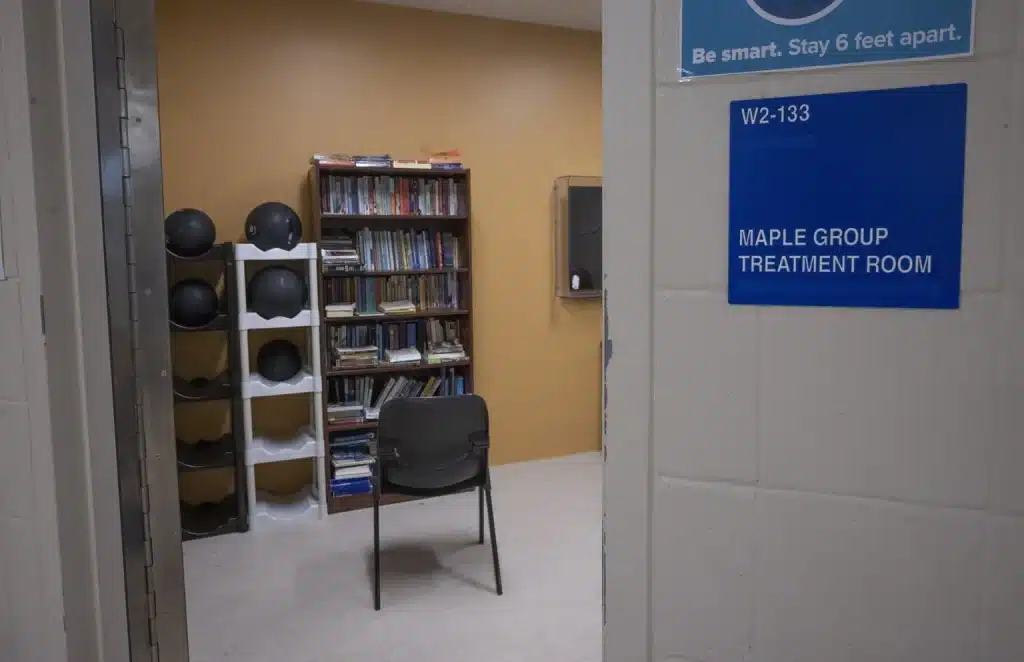
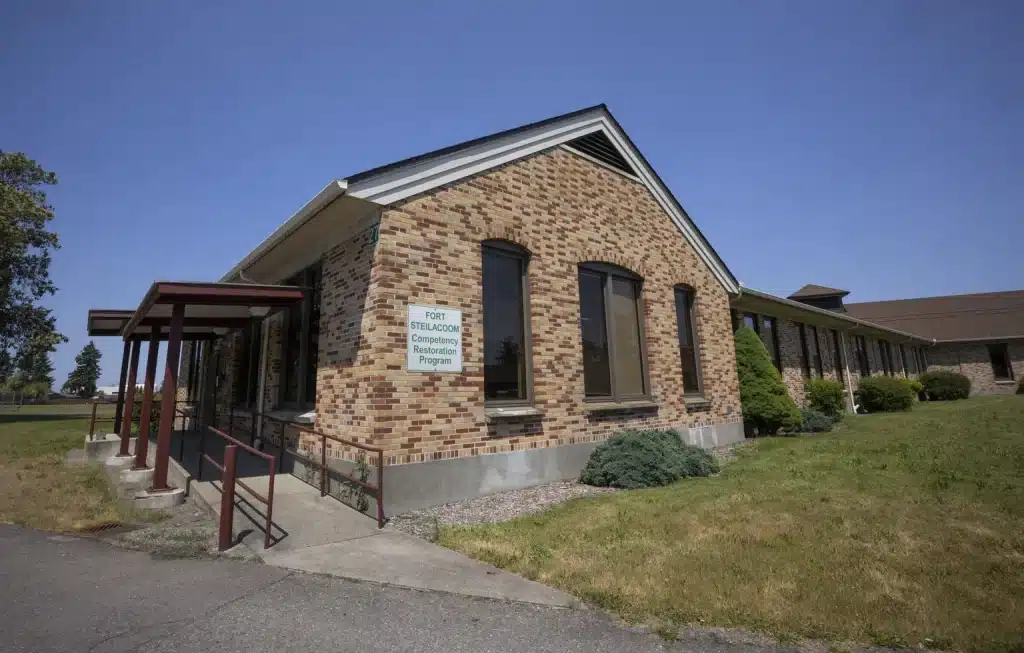
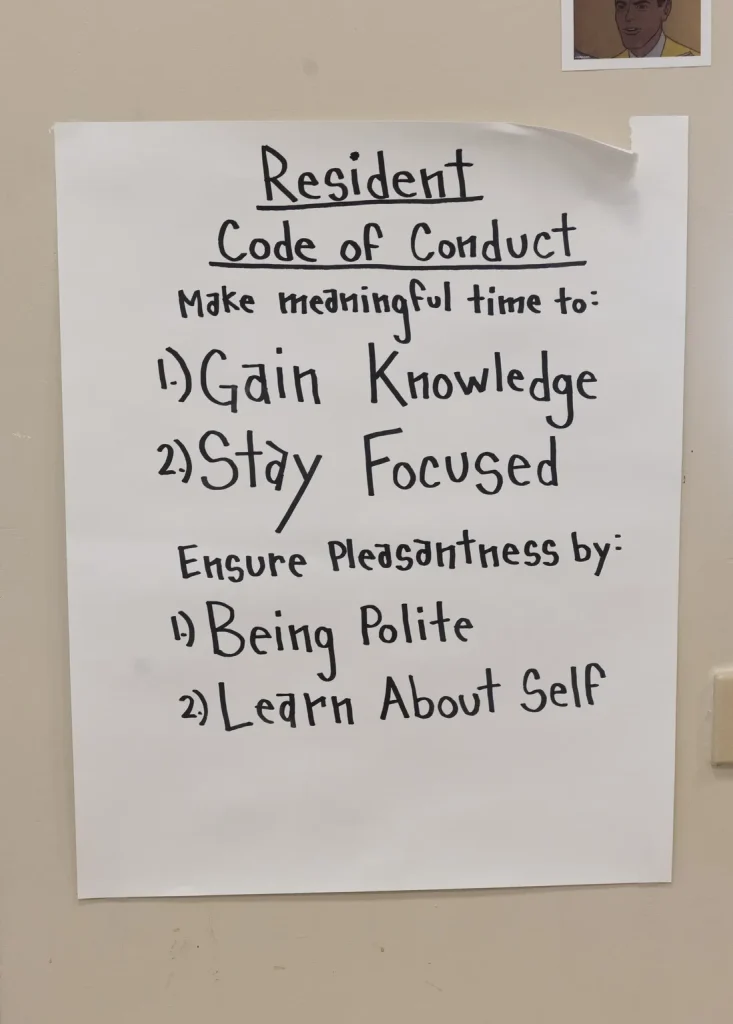

What’s perplexing is why so many more people need these evaluations — and why many are seemingly so impaired or sick they fail the low bar of competency.
The increase in evaluation referrals has led to severe backlogs at Washington jails while defendants can’t get a bed at a state psychiatric facility. Meanwhile, justice stalls and victims wait. People with mental illnesses languish for months, not getting the necessary treatment and in some cases spending more time in jail than if they had been found guilty and sentenced to serve time.
According to data from the Washington Department of Social and Health Services, competency evaluation referrals across the state doubled between 2013 and 2022 for felonies and misdemeanors. In some counties, like Whatcom, the number of people with felony charges being referred to competency services has quadrupled over the last 10 years, even as Whatcom’s population has only grown by about 11%. In King County, competency referrals for misdemeanor defendants have risen 108% over that same time, and in 2022 alone, 2,049 people were referred for an evaluation, most of them on nonfelony charges.
Washington isn’t the only state seeing this increase, and faced with a complicated mosaic of the fentanyl crisis, homelessness and mental illness, state officials and national experts wonder: What’s driving this uptick? Are people truly getting sicker — and if so, why?
Most importantly, what would it take to change this?
Why More People Are Labeled as Too Sick to Stand Trial in Washington: The Theories

“When I got into the field, there wasn’t much of a field,” Ira Packer, a forensic and clinical psychologist in Massachusetts, said reflecting on the relatively short history of his discipline, which intersects law and the study of the mind and human behavior.
Packer, who spent the next four decades evaluating people, administering forensic programs and publishing research on best practices, noticed a startling trend.
“I did 11 years in a state hospital and I can assure you people are coming in much more acutely psychotic than they had been before,” said Packer, who now serves as a national consultant on these issues.
“It’s not just the number of individuals being referred for competency has gone way up. What’s a little surprising is the percentage of those people who are found incompetent is also going up.”
That’s happening across the country: The National Association of State Mental Health Program Directors first reported on rising numbers of competency referrals in 2014 and again in 2017, writing in the most recent paper, “Some states are experiencing such a dramatic increase … that their state hospitals are operating at, or close to, maximum capacity.”
The Seattle Times reached out to state officials and forensic experts to better understand what factors are leading to the uptick here in Washington.
That’s happening across the country: The National Association of State Mental Health Program Directors first reported on rising numbers of competency referrals in 2014 and again in 2017, writing in the most recent paper, “Some states are experiencing such a dramatic increase … that their state hospitals are operating at, or close to, maximum capacity.”
The Seattle Times reached out to state officials and forensic experts to better understand what factors are leading to the uptick here in Washington.
“That really is a million-dollar question,” said Dr. Jennifer Piel, a forensic psychiatrist, professor and director of the Center for Mental Health, Policy, and the Law at UW Medicine.
To begin with, she said, “in Washington state, we know we have a higher prevalence [of mental illness] and lower access to treatment than many other states.”
Mental health can't wait.
America is in a mental health crisis — but too often, the media overlooks this urgent issue. MindSite News is different. We’re the only national newsroom dedicated exclusively to mental health journalism, exposing systemic failures and spotlighting lifesaving solutions. And as a nonprofit, we depend on reader support to stay independent and focused on the truth.

It takes less than one minute to make a difference. No amount is too small.
The name “MindSite News” is used with the express permission of Mindsight Institute, an educational organization offering online learning and in-person workshops in the field of mental health and wellbeing. MindSite News and Mindsight Institute are separate, unaffiliated entities that are aligned in making science accessible and promoting mental health globally.

Author

Related Articles

How Minecraft Therapy Is Transforming Child and Teen Mental Health Care
Two leading practitioners discuss how they do individual and group therapy that children want to take part in, using Minecraft, the most popular video game in the world. A MindSite News webinar.

Homeless Camp Sweeps Can Harm Health. Some Cities Are Trying a New Way
Several cities and counties are addressing street homelessness with a new approach, which experts say can clear encampments while protecting the health of people who are forced to move.
Along the Mexico-U.S. Border, New Barriers to Harm Reduction
Border militarization is making it harder for healthcare workers to reach people who use drugs.
