
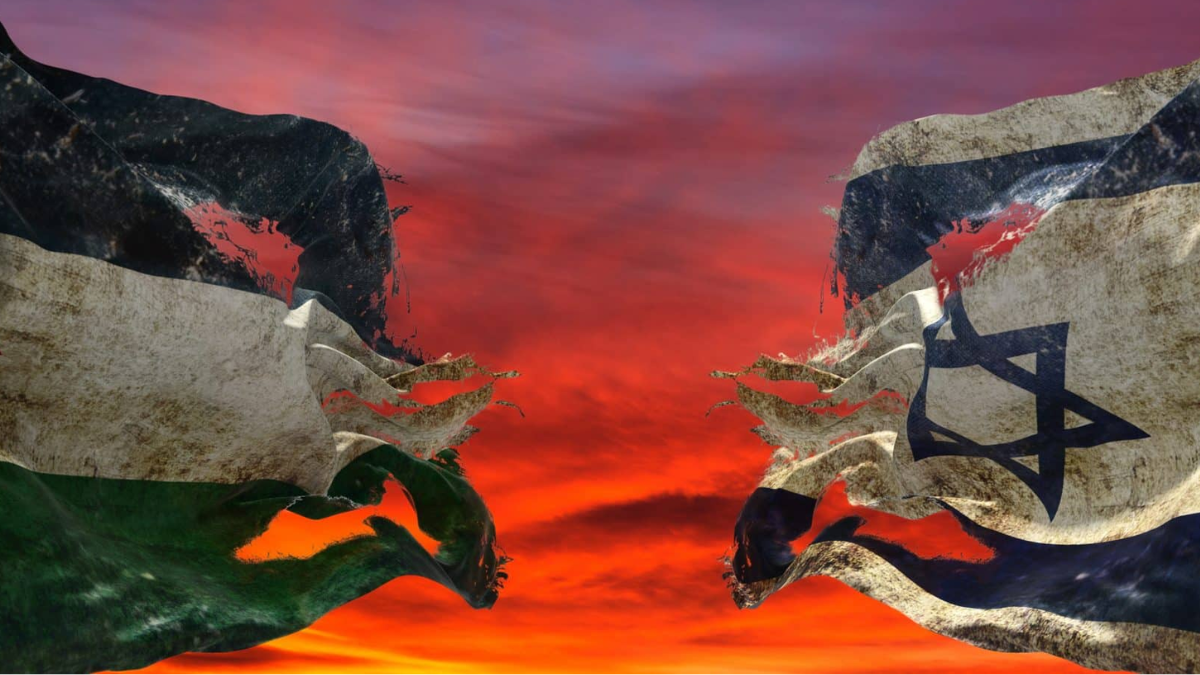
This post was updated Jan. 22 to reflect current estimated casualty and displacement figures.
The war that began with a surprise attack on Israel by Hamas and now continues to rage in Gaza has been exceptionally intense and deadly. People in the line of fire will be grappling with the trauma from these experiences for years to come, many for the rest of their lives. And while it’s impossible to fully understand or address the horrific mental health consequences of a conflict that is still raging, MindSite News will continue our work to cover the mental health impacts along with the efforts to address those impacts.
The war that began with a surprise attack on Israel by Hamas and now continues to rage in Gaza has been exceptionally intense and deadly. The initial attack led to the killing of more than 1,100 people, mostly civilians, and the kidnapping of 248. Since then, Israel’s siege and bombardment of Gaza has killed more than 34,000 Palestinians, mostly women and children, according to the Hamas-run Health Ministry, and displaced more than 1.9 million residents, or 85% of the population, according to UN relief agencies. An analysis by the Israeli newspaper Haaretz found that the bombing campaign has been historically indiscriminate, leading to massive civilian casualties. The conflict has also has triggered an upsurge of antisemitic and anti-Muslim violence and hate speech throughout the world, including the U.S.
People in the line of fire, who have been injured and displaced, or have had their loved ones killed in front of their eyes, will be grappling with the trauma from these experiences for years to come, many for the rest of their lives. And while it’s impossible to fully understand or address the horrific mental health consequences of a conflict that is still raging, MindSite News will continue our work to cover the mental health impacts along with the efforts to address those impacts.
That work began in October with our interviews with two psychologists, one an American Jew, the other a Palestinian from Gaza. It has continued with regular coverage in our newsletters. We hope that the stories and interviews we produce will contribute to a thoughtful conversation, one that takes place with respect and civility, and that does not inflame an already polarized atmosphere.
Stories and Interviews
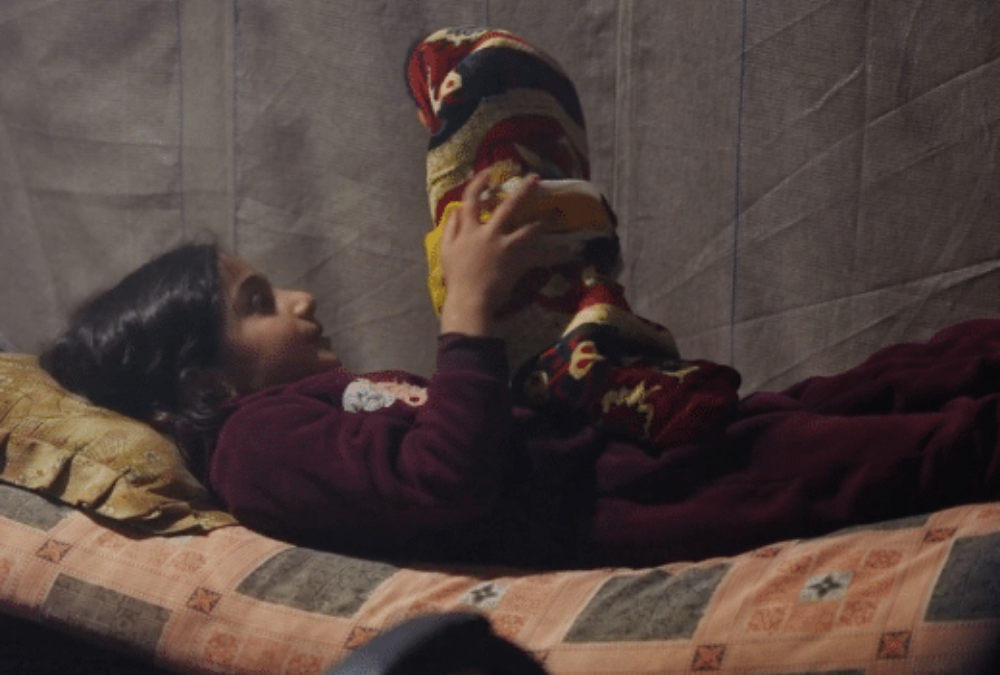
‘I Was Terrified, Actually. It Could Be Me Next’
After decades of trauma, Palestinians have high rates of depression, PTSD and more. Youth are at special risk.
Since Israel’s siege began nearly nine months ago, the death and destruction in Gaza has been staggering, including at least 39,145 and 90,257 deaths and injuries, respectively. And as of March, an estimated 157,200 buildings in Gaza had been destroyed — nearly half of all buildings in the territory, including homes and key infrastructure.
Read the story here.

A Student Journalist on How Her Team Coped with the Stress of Covering a Campus Under Siege
The protests that have erupted on college campuses across the country have generated almost as much controversy and outrage as the Israel-Gaza war that is the focus of those demonstrations. The story of these protests has mostly been told by outsiders and non-students. Until now.
Read MindSite News’ interview with Isabella Ramírez, editor-in-chief of Columbia University’s Spectator here.
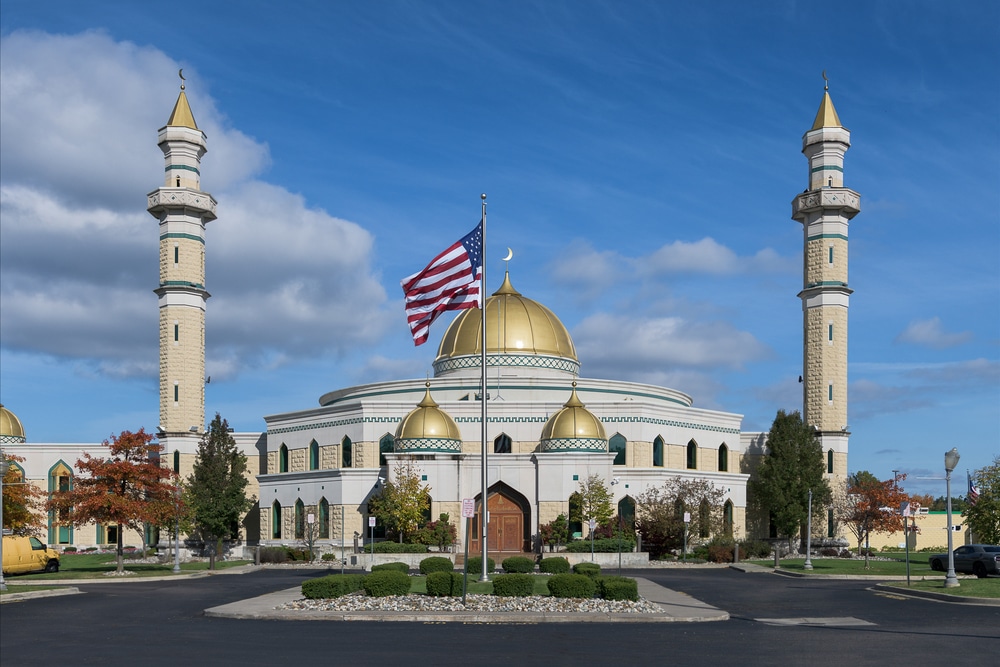
Islamophobia Is Driving a Mental Health Crisis Among Michigan’s Muslim Youth
As a boy, Rabih Darwiche would sprint for cover when the monthly test sirens ripped through his quiet suburban Detroit neighborhood.
Darwiche’s terror was about more than the ear-splitting roar alone: The tornado alarms took him back from Dearborn, Michigan, to his early childhood in 1980s Lebanon. There, similar sirens warned of imminent bombings by Israeli jets soaring overhead. It’s safe, his parents would say to soothe their 6-year-old boy, we’re in America now.
Read the story here.
In Detroit, Muslim Community Grapples with Collective Trauma
Since the Israel-Hamas war began Oct. 7, Sumayya Cherri has been watching news and scrolling social media constantly – and it has taken a toll. She’s not alone. As a Detroit-area resident, she lives in a place with the largest concentration of Muslim and Arabic-speaking residents in the U.S. Many feel traumatized.
Read the story here.
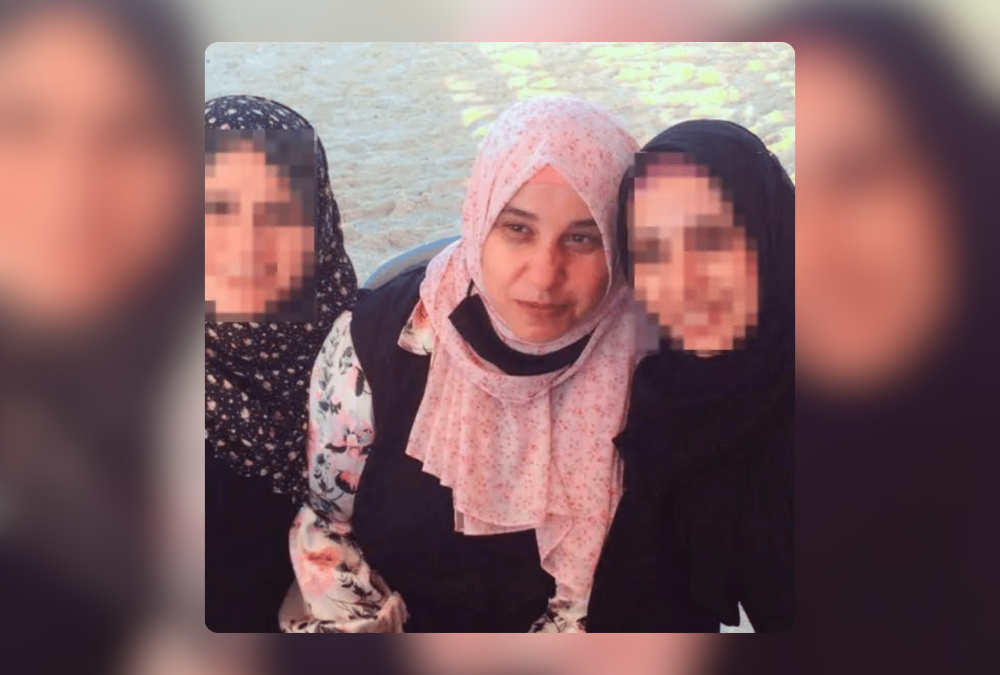
As part of our coverage of the traumatic mental health impacts of the war in Israel and Gaza, we interviewed Dr. Iman Farajallah, a psychologist and researcher who was born and raised in Gaza and now lives in California. In 2016, she interviewed children in Gaza to learn how living under a constant state of war was affecting their mental health. Her article, “Continuous Traumatic Stress in Palestine” was published last year by the journal World Social Psychiatry. Several days after our interview, Dr. Farajallah learned that 10 members of her family had been killed in Gaza.
Read the interview here.

“We have to be thinking about how to stop the cycle of violence.” As the war between Israel and Gaza continues, those words from Jack Saul, a Jewish therapist who has spent decades helping communities heal, are vital.
Read the story here.
Newsletter Coverage
Our newsletter, MindSite News Daily, covers the top mental health news stories from across the web, as well as our original stories. Included below are links to our newsletters that include stories from credible publications across the nation addressing Israel, Palestine and their diasporas. Note: Scroll down the newsletter to find the titled story in the links provided below.
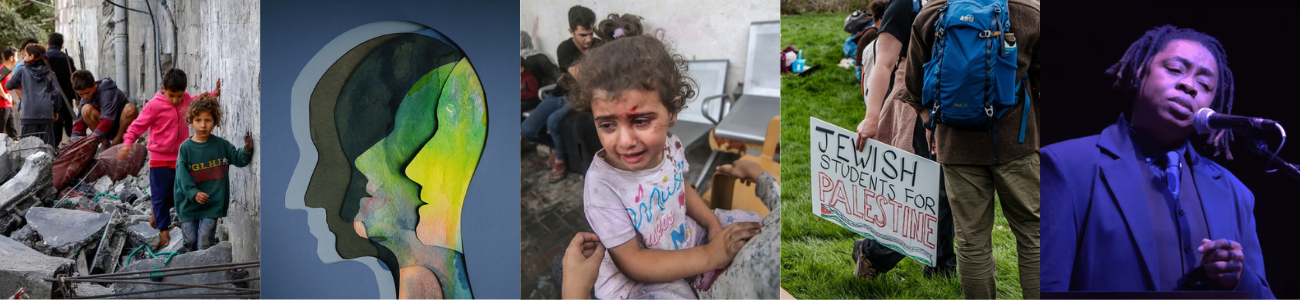
Palestinian Youth Talk About War’s Toll on Their Mental Health
A new documentary from Undark, “Young Palestinians Face a Steep Toll on Mental Health,” shows the anguish that Palestinian teens are living with. “It’s hard as a youth,” said Ramallah-based therapist Muna Odeh, “to live in a place where nothing is certain.”
Faris Zuhairi, a 15-year-old high school sophomore in Ramallah, told filmmakers that he wants to focus on school, but he can’t focus. “Palestinians my age are feeling like we should worry every minute of life.” His 16-year-old classmate, Zeina Abulaban, agrees. “When I sit, I just hear the news and I can’t focus on my book. I have to look at the news and see what’s going on. And if I don’t see it, I hear it. It breaks my heart, really,” she said.
Read more here.
Mental health problems spike in Israel – among soldiers, kids and almost everyone
A surge in psychiatric problems among Israel’s defense forces was already stretching mental health resources beyond the limit when Eliran Mizrahi killed himself in June. The 40-year-old reservist witnessed traumatizing scenes driving a bulldozer in Gaza’s border communities after the Oct. 7 Hamas attack. Then he received orders to return to Gaza despite his PTSD diagnosis.
His highly publicized death may have contributed to a spike in calls to a mental health helpline for members of the military.
Read more here.
Ongoing war prompting ‘catastrophic’ mental health crisis for Palestinians in Gaza
Residents of Gaza, adults and children alike, are living under bombardment with death and famine all around them and no escape possible. Those who survive will face mental and emotional scars likely to last the rest of their lives, aid workers said.
The mental health crisis is “already catastrophic … and it keeps getting worse and worse,” Audrey McMahon, a Doctors Without Borders psychiatrist who was stationed in Jerusalem until March, told ABC News.
Read more here.
Their Campus, Their Crisis: The Take from Columbia Student Journalists
“On April 30, armed police officers swarmed the Columbia University campus for the second time in two weeks, shutting down a student occupation of Hamilton Hall and clearing what was left of the Gaza Solidarity Encampment. Students had first seized part of the South Lawn, then the attention of the entire Columbia community, and then the national political narrative, as imitation protests in support of Palestine erupted at colleges across America.”
So began the introduction by Ramírez to the New York Magazine-Columbia Daily Spectator article now running in both news outlets. She went on to describe the polarized mood on campus, one that mirrors sentiments off-campus.
Read more here.
“The mother in me”: How parents can help their children traumatized by arrests, violent counter-attacks at campus protests over Gaza
These last few weeks, many families and professors of college students have been shocked and outraged to find that college administrators had called city police and state troopers to break up peaceful campus protesters demonstrating against the massive killings of civilians in Gaza, where more than 34,000 people have died, including 14,685 children, according to the United Nations High Commissioner’s office. And last night, violent attacks by masked counter-protesters against an encampment at UCLA stoked anxiety and fears of copycat attacks at other campuses.
Read more here.
As death and trauma mount in Gaza, a Palestinian researcher says standard mental health measurements are woefully inadequate
We need new language and ways to understand the depth of trauma currently faced by Palestinians in Gaza, says health and human rights scholar Yara M. Asi, in a thought-provoking New York Times audio essay (9:21, transcript available).
She argues that Western perspectives and mental health diagnostic tools are insufficient to measure and understand the true impact of sustained, ongoing conflict on civilians.
Read more here.
For traumatized Middle East children, surviving the war is just the beginning of a long, painful journey
Israeli children who were kidnapped by Hamas and have been returned will face long-term psychological effects, experts told The Daily Beast. So will a huge number of Palestinian children who have witnessed the deaths of family members and other civilians from Israel’s relentless assault on Gaza.
Read more here.
The end of a Palestinian poet’s sojourn in hell
We’ve followed Palestinian poet and author Mosab Abu Toha in MindSite News, from the loss of friends, neighbors and 30 members of his family during the relentless bombing of Gaza, seeing his home and neighborhood turned to rubble, his longing for a ceasefire, his family’s flight to a refugee camp under bombardment, and his detainment and beating by the Israeli military.
This week, there was good news at last: he was finally able to leave the war zone in Gaza. Read more here.
One father is grateful, the other still in hell
In this MindSite News Daily, we revisited our earlier story “Two Fathers, Two Versions of Hell.” It featured a young Palestinian poet and father whose family home was bombed in Gaza and a sleepless Israeli father seeking the release of his wife and young daughters taken as hostages.
Read more here.
In honor of World Children’s Day, a plea for children trapped in war
One of the heroes of the Flint water crisis was Mona Hanna-Attisha, the researcher and pediatrician who ran a children’s clinic in Flint and blew the whistle on the poisoning of the city’s children. In a guest column for the Detroit Free Press, Hanna-Attisha celebrated World Children’s Day and devoted her column to the children of Gaza.
Read more here.
What will help freed hostages to heal?
The physician leading a team assisting newly released Israeli hostages talks about their needs. PBS NewsHour’s Nick Schifrin interviewed Hagai Levine, a public health physician at Hebrew University and head of the medical and resilience team that’s meeting the released hostages.
Read excerpts from this interview here.
Remaining empathetic and hopeful amid “an ocean of sorrow” will help freed hostages to heal?
The horrors being experienced by citizens of Israel and Gaza are ones we cannot imagine. Still, amidst the agony and death, there is evidence that untold people in the region, whether Palestinian or Israeli Jew, want the same thing – for the fighting and suffering to end.
Read more here.
“The agony of waiting for a ceasefire that never comes”
When Palestinian poet Mosab Abu Toha earlier wrote from Gaza after the bombing began (see below), he told the New Yorker that he feared the ceiling of his family’s four-story home would collapse during an air strike. A little more than two weeks later, that nightmare would come true.
Read more here.
Two Fathers, Two Versions of Hell
A somber reminder of the many families in Israel and Gaza who don’t have the luxury of a hug with their little ones, tossing a ball outside or browsing their favorite online newsletters.
Read more here.
As war and death envelops Israel and Gaza, mental health experts are alarmed
As the war in Israel and Gaza entered horrific new phases, Israelis and Palestinians continue to reel from the aftermath of the devastating terror attack on southern Israel and the deadly bombardment of Gaza by Israel. The mental health impacts of this trauma are likely to reverberate for years.
Read more here.
Sending You Light
As hatred, violence and killing first enveloped Israel and Gaza, we shared a brief thought and a musical prayer for healing.
Read it here.
The name “MindSite News” is used with the express permission of Mindsight Institute, an educational organization offering online learning and in-person workshops in the field of mental health and wellbeing. MindSite News and Mindsight Institute are separate, unaffiliated entities that are aligned in making science accessible and promoting mental health globally.

Author

Related Articles
As AI ‘Therapists’ Dish Out Advice, California Lawmakers Try to Set Some Limits
The use of chatbots has exploded over the last two years, and people are increasingly turning to them for mental health advice.
LA County Says a Program Meant to Help People with Serious Mental Illness is Gaining Traction
Gov. Gavin Newsom’s mental health court is gaining more participants in Los Angeles County. CARE Court treats people with serious mental health conditions.

Silent Cry: The Unseen Toll of Infant Loss on Black Families in California
Across the United States, Black parents experience infant loss at rates twice as high as their white counterparts. In California, Black infants die at nearly three times the rate of white babies, a disparity that persists in Kern County, where socioeconomic challenges leave infants dying at triple the rate of white babies as well.