
As ‘Succession’ Heads Toward the Emmys, Our Writer Looks Back at a Master Class in Dysfunctional Family Dynamics
The popular HBO series, which ended in 2023, examined intergenerational trauma along with the worst kind of horrible bosses and conniving colleagues.
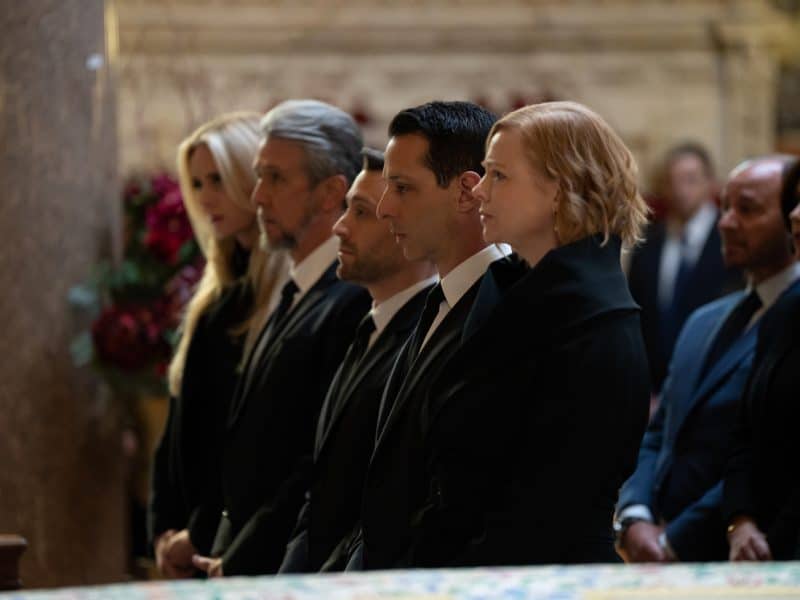
The love-to-hate-it HBO series leads the pack with 27 nominations, including three for best lead actor
Daddy issues are at the core of the dysfunction that colors every interaction within the Roy clan, the power-hungry corporate family with few redeeming qualities that made the HBO streaming series “Succession” such wickedly wonderful viewing.
The fourth and final season of “Succession” did not disappoint on the abhorrent family dynamics or toxic workplace front (and in case you want to rewatch it, it’s available on Amazon Prime with a Max add-on). With a staggering 27 Emmy nominations this year, including 14 actor nods, fans of the series will have to wait until January 15 to see how the show fares with a judging panel of peers, since the award ceremony was postponed for months by the Hollywood writers’ and actors’ strikes.
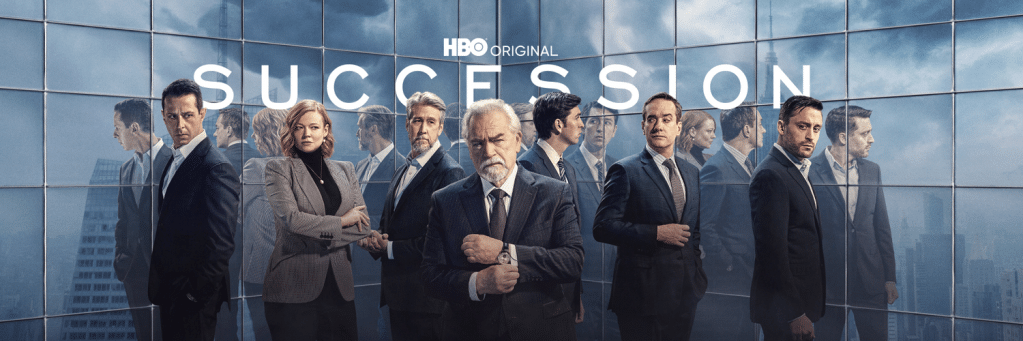
Regardless of how many gongs the show gathers, let’s not forget that the series does a stellar job depicting the mental health labyrinth of patriarch Logan Roy and his children (Roy’s fictional news company bears a striking resemblance to the real-life media dynasty led by Rupert Murdoch at Fox News). It also deserves a tip of the hat for its portrait of the right-wing media conglomerate WayStar RoyCo., its own special psychological hellscape and about as poisonous a place to work as talented writers can conjure up. The Roys are the worst kind of horrible bosses and conniving colleagues.
Connor, Kendall, Shiv and Roman – the sparring siblings who jockey for their controlling and withholding dad’s love, respect and attention – do their awful best to scheme, manipulate, undercut and otherwise screw each other over in their compulsive quest to come out on top and earn their father’s blessing in order to take over the tainted family business.
The duplicitousness is almost too cringe-worthy to watch and yet it’s difficult to look away. How bad can humans be? Cruelty, disregard, ruthlessness, envy, greed, insecurity and laziness: If the Roys had a family coat of arms it could stand in as a banner for the seven deadly sins.
The popular drama with the bone-dry wit focuses on the power plays among the next generation who navigate uncertainties surrounding the health of the self-made brash billionaire Logan Roy, a tiresome bully with a thick Scottish brogue and foul mouth (played brilliantly by Brian Cox), who leads the New York City-based global media and entertainment corporation.

While the family may be fictional and many of the show’s plot lines unrelatable to anyone who isn’t part of the one percent, the mental health issues the characters exhibit will be familiar to many of us. The Roys, it turns out, inhabit an alphabet soup of psychological disorders.
“I thought it was interesting how well the show’s writers were able to articulate what it looks like to have family trauma,” Elizabeth Earnshaw, a licensed marriage and family therapist, told the Los Angeles Times. “How individual children can all grow up in the same family and respond so incredibly differently.”
Consider the fragile middle son Kendall (played with disconcerting intensity by actor Jeremy Strong). Kendall is an anxious narcissist with a substance use addiction who frequently bungles deals at work and neglects his kids at home. (The bad apple, it seems, doesn’t fall far from the tree.) The episode focused on Kendall’s 40th birthday showcases the moods and mental health challenges of this dark prince who is desperate to be his father’s number one pick.
Meanwhile, Roman, the baby brother of the family (a terrific Kieran Culkin) is an immature man-child who uses crass humor to deflect from dealing with his real feelings and exhibits equal measures of insecurity and slothful sleaziness. He also may well have suffered the most physical and emotional abuse at his father’s hands, the show implies.
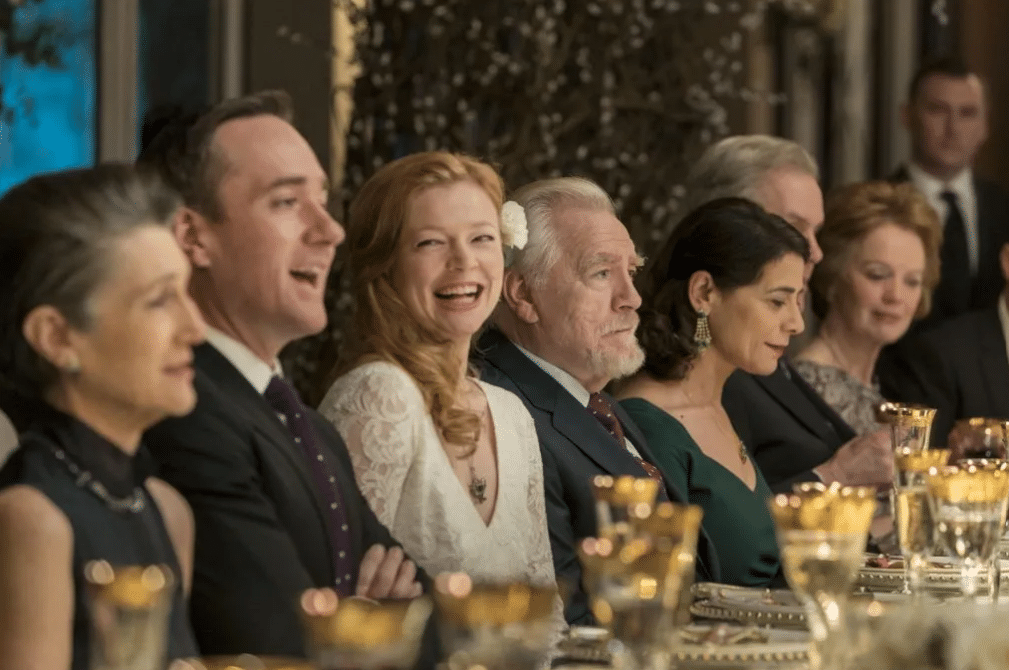
Siobhan, nicknamed Shiv (a slick Sarah Snook) is the youngest sibling, only daughter and arguably Logan’s favorite child. Shiv worked in left-leaning politics before abandoning ship, drinking the company Kool Aid and coming on board at WayStar. She proves herself to be sly, savvy, deceitful, disloyal and unfaithful. Shiv cheats on her sniveling husband, the hilariously and unfortunately named Tom Wambsgans (played to slimy perfection by Matthew Macfadyen). Like most of the relationships on the show, theirs is a transactional one, a marriage of convenience intended to benefit both their careers.
Tom, who is also a WayStar executive, ingratiates himself and is promoted from head of the amusement park and cruise division to running the firm’s sensationalistic international news outlet. He relishes his proximity to the Roy power base, but is frequently belittled and dismissed by the family. In turn, he torments his hapless subordinate Greg (Nicholas Braun, who does delightful work as the bumbling and opportunistic clan cousin).
That brings us to Connor (the intentionally low-key Alan Ruck), the often forgotten actual first son from Logan’s starter marriage, who defers to his three half-siblings and has a hands-off approach to family business. He is largely estranged from his father, whom he feels abandoned him as a child. Clueless and naïve, Connor has little grounding in reality and basically excels at doing nothing, yet exhibits delusions of grandeur and believes in his own superiority, even though he’s an afterthought as far as the rest of the gang is concerned.
It’s true that it’s hard to rustle up much empathy for this crew. “Succession” heads eat up all that evil, though less enthusiastic viewers can’t stomach that there isn’t anyone on the screen they can root for. Logan doesn’t hide his disdain for most humans – including his four children. At one point he calls them “not serious people,” and refers to them as “spoilt” and “curdled cream.” He is enraged by their professional incompetence and ineptitude, dubbing their contributions “amateur hour at the circus.” Over the course of the series, Logan reveals an inability to express any emotions other than frustration and anger, while constantly manipulating his children and employees. Logan cements his place in a long line of tycoons who confuse wealth and status with satisfaction and accomplishment.
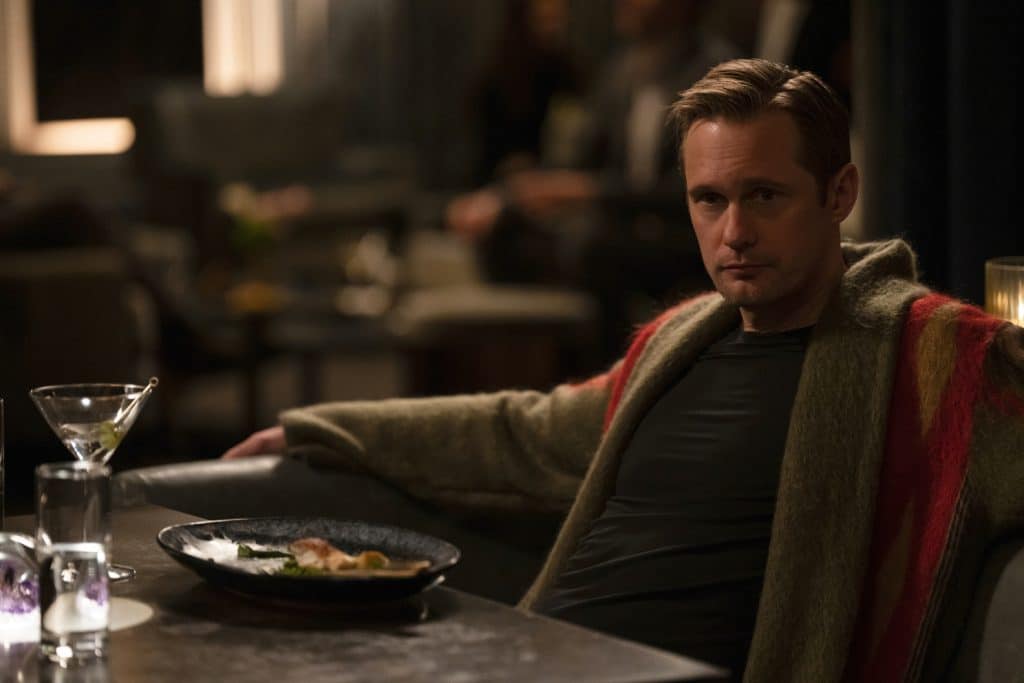
Every offspring displays some kind of avoidance behavior, noted Tim Overton, an individual and couples therapist for The Steven A. Cohen Military Family Clinic at the University of Pennsylvania – and an avid fan of “Succession.” Who can blame them? Exhibiting true emotions could be hazardous to one’s health, given how this family operates. For instance, Overton pointed out that Kendall uses drugs to self-medicate and mask his feelings. Shiv won’t allow herself to be vulnerable with her husband, which leads to marital strife. Roman tells inappropriate and unseemly jokes to steer clear of grown-up concerns. And Connor constantly seeks validation from his fiancée, Willa, who has her own tenuous hold on reality. “These deflective behaviors are common,” Overton explained. “A lot of people come into therapy thinking that having an emotion is a problem, but a lot of times trying not to have that emotion causes a bigger issue.”
Over the course of four seasons the Roys wheel, deal and globe-trot but undertake little self-reflection, let alone any attempt to unpack family dynamics, deal with childhood trauma or maintain mental and emotional well-being. (In a case of art imitating life, when Rupert Murdoch split with wife #4 Jerry Hall, part of the divorce agreement allegedly included the stipulation that she not share storylines with the creative forces behind “Succession,” Vanity Fair reported earlier this year, though show creator Jesse Armstrong, who hails from the UK, has his doubts on that score.)

All four siblings have at least one thing in common: They seem to lack, to varying degrees, the necessary skill sets for the jobs at hand. Do any of them actually do any work in the course of an episode?
The answer appears to be no. Instead, the show is filled with backbiting, backstabbing and late-stage capitalism run amok. Unbridled power struggles, relentless infighting and chronic unhappiness are the name of the game. These nepo babies may exhibit bravado, but scratch the surface and the kids aren’t alright: They are scared, lack confidence and have low self-esteem – there’s a lot of imposter syndrome in the mix. There’s also loneliness, isolation and unresolved childhood issues.
If ever a series called for an in-house therapist, “Succession” is it. Dad is a demanding and demeaning boss and everyone’s egos, trauma responses, and narcissistic tendencies are on full display. “Therapists often say to patients that we are not necessarily just trying to help them feel better, but are trying to get them better at feeling — it’s something many in the Roy family could likely benefit from,” noted family therapist Overton.
Of course, any suggestion the Roys might benefit from spending time with a mental health professional would likely be met with one of Logan’s signature responses: “F*ck off!”
Flight, fight, freeze and fawn
So how do these troubled kids make it through the series? They exhibit what’s known as the four Fs of trauma: fight, flight, freeze and fawn, as Medium writer Kayli Kunkel observed early on in the streaming series. These unhealthy coping mechanisms, she says, are employed by emotionally damaged children who unwittingly carry such responses into adulthood. (The term “four Fs” of childhood trauma is credited to marriage and family therapist Pete Walker of Berkeley, California.) And these responses can be explained by each character, as Kunkel outlined – although, in fairness, all four are likely hybrids, in that they each can reveal different trauma responses at different times.
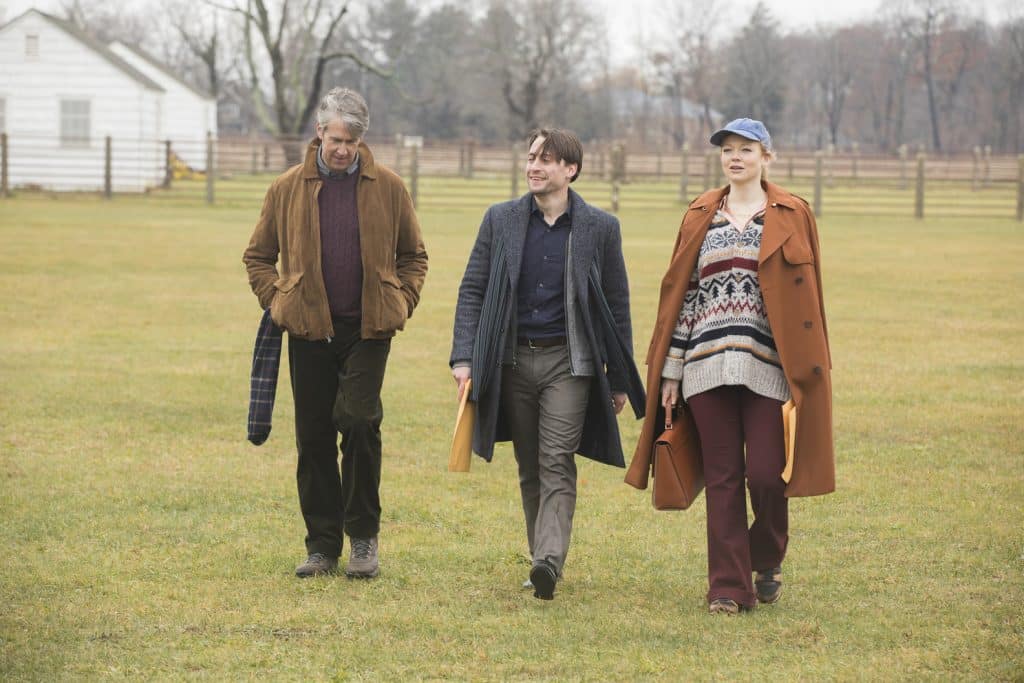
Shiv’s coping mechanism of choice is fight: Her trauma manifests as a need to control and dominate. She presents as tough and unflinching, but that exterior disappears around dad, with whom she is particularly vulnerable. Shiv courts men who aren’t as smart or successful as her (sorry, Tom). While her father seems genuinely fond of Shiv, ultimately she burns her bridges there. “Fight types are unconsciously driven by the belief that power and control can create safety, assuage abandonment and secure love,” according to Walker.
Roman is perhaps the most flight-prone Roy. He seeks instant gratification and attempts to cultivate the perception of being in the driver’s seat. Around Logan, his insecurities erupt and he gets fidgety and hyperactive. His sexual dysfunction – on frequent display – could be related to his early trauma. Uncomfortable with true intimacy, he is instead drawn to compulsively act out with putdowns and physical and verbal abuse. According to Walker: “Flight types appear as if their starter button is stuck in the “on” position. They are obsessively and compulsively driven by the unconscious belief that perfection will make them safe and lovable.”
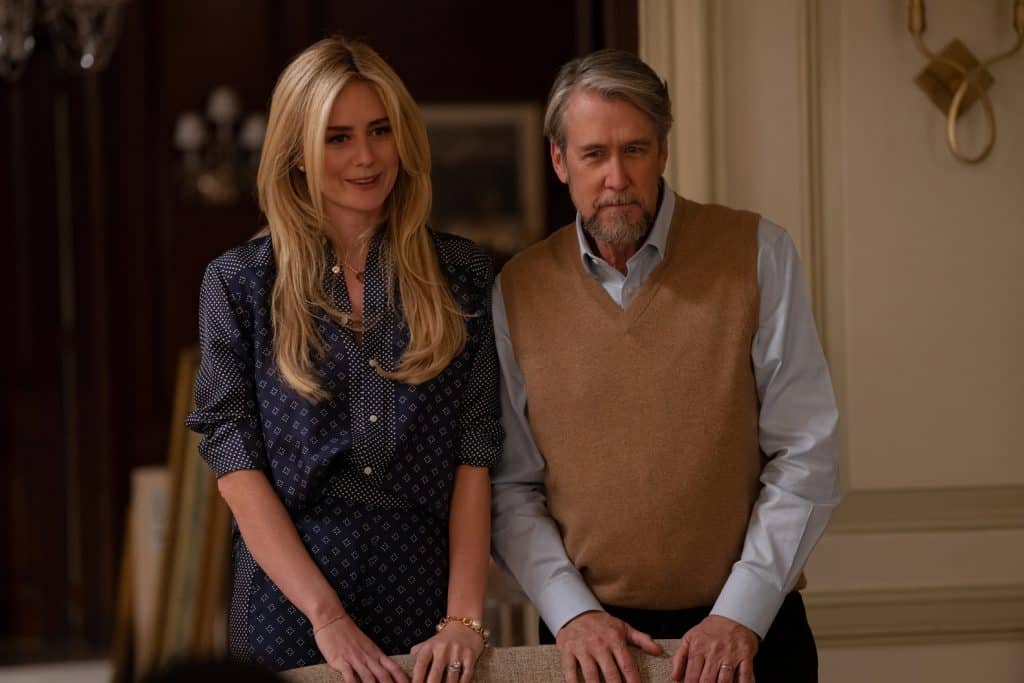
Meanwhile, Connor is crippled by the freeze response in his disassociation from reality – he’s blind to a girlfriend who doesn’t love him, a fruitless relationship with his father, and a ludicrous presidential bid that is beyond his capabilities. He’s exceedingly out of touch with events and his family. Many freeze types, says Walker, unconsciously believe that people and danger are synonymous, and that safety lies in solitude. Outside of fantasy, many give up on the possibility of real love. Connor is most notable for his absences: he lives in a remote location, his fiancée isn’t present and he has no concept of how to run a political campaign.
Finally, Kendall shows signs of all these trauma responses at different times but in his worse moments, he exudes major fawn vibes. As Walker explains: “Fawn types seek safety by merging with the wishes, needs and demands of others. They act as if they unconsciously believe that the price of admission to any relationship is the forfeiture of all their needs, rights, preferences and boundaries.” Kendall, who sees himself as the prodigal son being groomed to take over from his dad, finds himself constantly at the mercy of his father, always second-guessing how to best fulfill his wishes and win his admiration and approval.
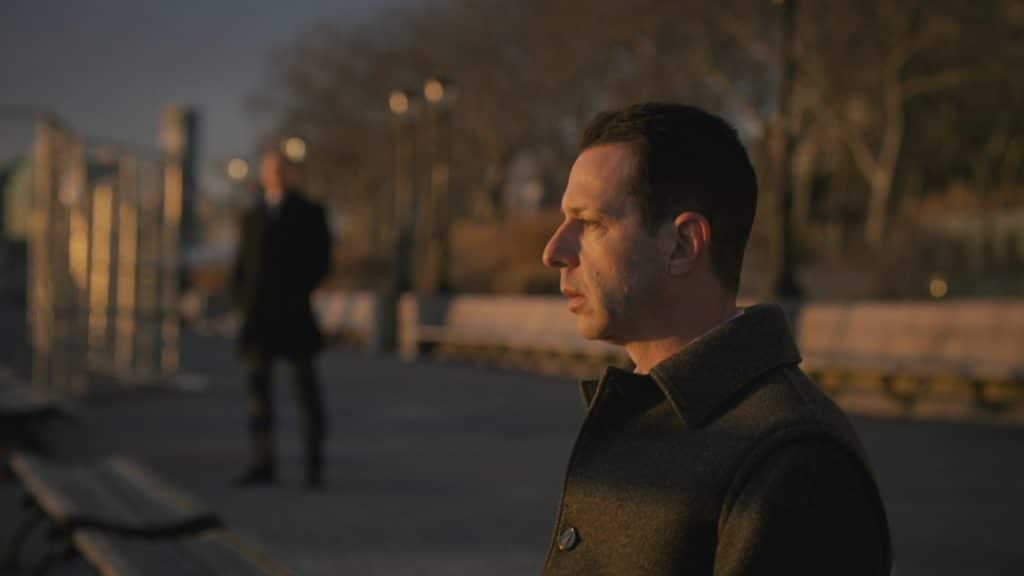
The Roy siblings illustrate in frank fashion how abusive, manipulative and unkind parents (the moms are MIA in different, but equally destructive, ways) can be dangerous to a child’s mental health – and absurd wealth and privilege is not protective.
There’s even a recently coined term, “Succession” syndrome, which is used to refer to a range of mental health conditions (including anxiety, depression and addiction) affecting children from wealthy homes. While these offspring grow up with many advantages, many also suffer from what’s been dubbed “affluent neglect,” in which parents are physically and emotionally absent. Access to money can also make a person more likely to develop a substance use problem, and narcissistic personality disorder is common among clients who suffer from affluent neglect. Logan rails in “Succession” that he gave his kids everything, but all they really wanted was his unconditional love. And earning a narcissistic parent’s approval, it turns out, is a painful, futile experience, a losing game that even the wealthy can’t win.
The Roys may live a life of unfettered material luxury: Private helicopters, personal chauffeurs, fancy homes, designer clothes and expensive cars. But they’re all completely miserable. As Kunkel concludes in her analysis of the show: “Even with so much power and prestige on the line, real wealth has nothing to do with money. Intergenerational trauma is the great equalizer that makes even the most powerful among us small.”
The name “MindSite News” is used with the express permission of Mindsight Institute, an educational organization offering online learning and in-person workshops in the field of mental health and wellbeing. MindSite News and Mindsight Institute are separate, unaffiliated entities that are aligned in making science accessible and promoting mental health globally.


Author

Related Articles

Punished for Parenting
A Virginia mother’s conviction has reignited a national debate on free range parenting laws.


At a Time of Crisis, How Black Women Are Finding Joy and Peace
“Take a deep breath, then step forward.”