
How Paris Hilton and Other Survivors of the Troubled Teen Industry Unleashed a Movement
Meet Five True-Life Avengers Who Are Holding the Troubled Teen Industry Accountable
Meet Five True-Life Avengers Who Are Holding Abusive Treatment Centers Accountable
Parents, lawmakers, and anyone who has ever worked in a youth residential treatment center, survivors of the troubled teen industry would like a word with you.
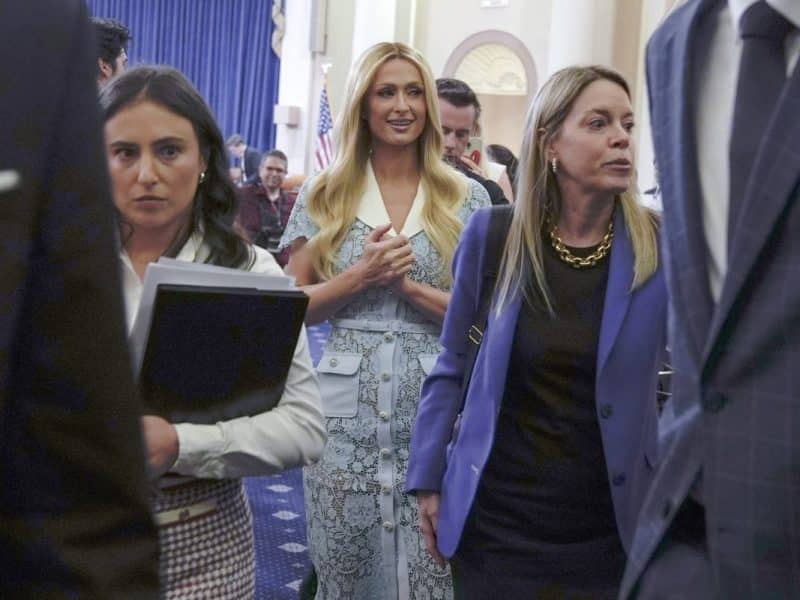
For decades, as news of deaths and mistreatment in the so-called troubled teen industry cropped up in the headlines or evening news, the voices of the young people held in these facilities were heard only as victims – or when they grew older, as grownups struggling to expose abusive facilities. Today, far more survivors are now adults, and they are spearheading a movement to reform the industry – led by one former resident in particular: Paris Hilton.

These survivors, as they call themselves, are fighting to ensure that more teens don’t endure the horrors they experienced. Their biggest star, Hilton – the hotel heiress and celebrity influencer – spent nearly a year of her adolescence as an unwilling resident of Provo Canyon School, a psychiatric youth residential treatment center in Utah. She is now using her celebrity and 11:11 Media Impact, the charitable division of her global media company – to shine a media spotlight on these programs, while also helping to fund and promote a movement of activists who are getting into the weeds to shape policy and proposing regulations.
These survivors are helping drive a reform agenda that has the potential to lead to major changes in mental health care for youth. In addition to Hilton, four other former residents of troubled teen programs have emerged as reform leaders.
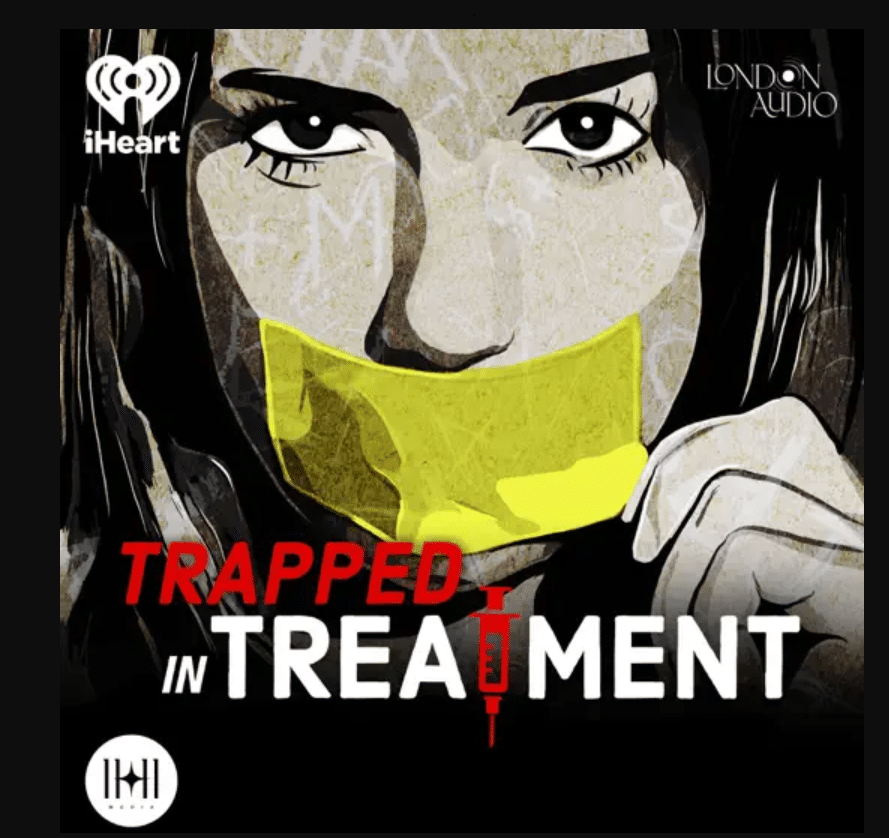
Caroline Cole is co-host of Trapped in Treatment, a highly produced podcast on the troubled teen industry now entering its second year. A documentary “true crime” series, Trapped in Treatment begins with an expose of the scandal-ridden Provo Canyon teen facility where Paris Hilton was sent as a teen and opens each season with an investigation of abuse in a different facility. Cole spent over two years as a teen in the prison-like, no-talking-allowed Academy at Ivy Ridge, which itself is now the subject of a chilling Netflix series, The Program.
Chelsea Maldonado is an Atlanta-based investigative researcher for Trapped in Treatment. This year, the podcast focuses on WWASP – the World Wide Association of Specialty Programs and Schools – a network of programs where survivors say they were chained, beaten, forced into sex acts, locked in dog cages and forced to eat vomit, according to an unsuccessful 2011 lawsuit by 500 parents and former residents.
Maldonado spent her teen years in WWASP’s Tranquility Bay in Jamaica. Although she has worked as an advocate and teen program investigator for years, she hopes that this time around, things will start to change. “The fact that they’re calling for Congress to actually take steps to regulate at the federal level is a really big step,” she says.
Others have launched their own organizations that also offer a cathartic opportunity to expose injustice and build community.
Meg Applegate spent three and a half years in two abusive residential treatment centers. Today, she’s a tireless researcher with a new memoir about her experience. Applegate has built up Unsilenced: The Voice of Youth Rights, to be the most comprehensive repository of information on legislative change, survivor stories and activism regarding the troubled teen industry; Unsilenced also features a hard-hitting primer on the troubled teen industry. Inviting other survivors and concerned people to work with her, she assures them that “Creating change is not a one-person job.”
Jasmyne Arianna, founder of the We Warned Them Campaign, is is using Instagram and Tik-Tok to build an activist movement among today’s teens to advocate and take action. She wants to inspire them to avoid abusive programs and to shut them down, as she helped do to a program called Freedom Village — one chronicled in this powerful podcast.
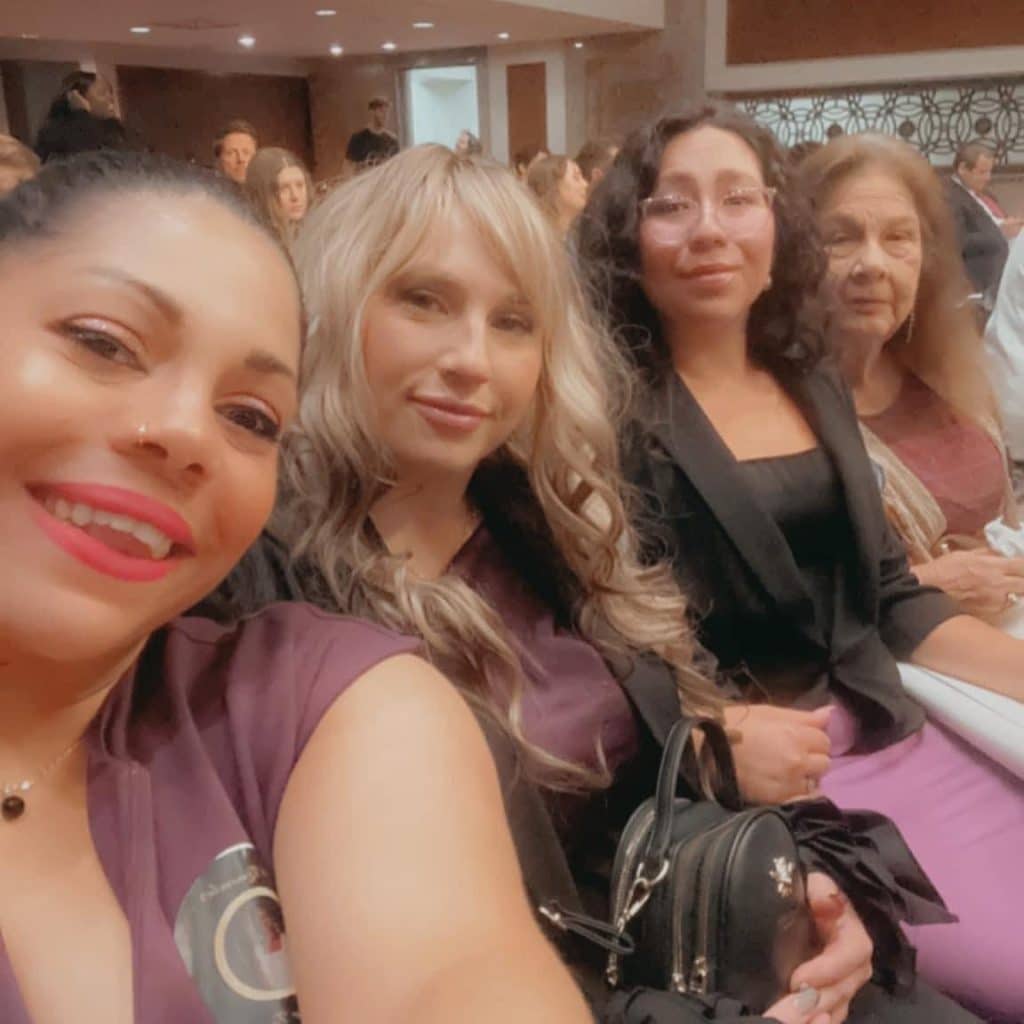
In addition, Arianna has launched a new partnership with family members and parents of young people who lost their lives at residential treatment facilities. She is working closely with Theresa Payne, whose 14-year-old daughter Monique died in 2006 of apparent medical neglect and alleged assault at the now-closed UHS-owned Westwood Lodge in Massachusetts; and Sandra Gower Chaffin, who lost in 2013 a 22-year-old grandchild, Aaron Gower, in the UHS subsidiary United Behavioral Health Denton facility in Texas that treats both adults and children; her grandson, who died of an alleged combination of overmedication and medical neglect, would have turned 33 this month. (The corporate chain declined to comment on either the Payne or Chaffin allegations.)
Now, Chaffin and Theresa Payne have gone on to start a small activist group Hold Them Accountable, which is being championed by Arianna and the social media-savvy We Warned Them. Early next year, Arianna’s direct action group plans to change its name to Hold Them Accountable to emphasize their joint fight for justice.
There’s reason for hope that survivors will drive change: They’ve demonstrated resilience in their own lives – showing the ways they’ve been able to manage their trauma – while also achieving a measure of personal happiness as they fight for justice for others. In a recent Instagram Live talk between Maldonaldo and Cole, they break down the findings of the new Senate report and their behind-the-scenes lobbying, mixed with the casual talk of grown-up women, no longer teen trauma victims, joking together.
Other survivors have been interviewed for investigative series like Teen Torture, Inc., a Max documentary series, and they have a lot to say:
Senator Ron Wyden and his staff have brought survivors front and center in the work of the Senate Finance Committee. “I want to acknowledge every survivor in this room,” he declared at the opening of hearings last June. “The work of this committee wouldn’t have happened without survivors like you coming forward with your stories.”
At the news conference before the hearing, Cole, looking professional but anxious about giving an unscripted talk, struck a blow for awareness. “If you or a loved one has been abused in a youth residential treatment facility, I want you to hold your hand up and keep them raised,” she said. A sea of hands shot up among survivors on the stage and in the audience, reflecting pain and rage. “We do not want this to happen to one other child who is seeking help,” she said.
Near the end of her brief talk, Cole called for justice and accountability. “What’s happening in these facilities is not only wrong; it’s criminal.” she said. “If my mom, who sent me to a program, treated me at home the way that program treated me, she would be arrested. We can’t stand for this anymore.”
“Today we are heard,” Cole concluded.
Will those in power listen enough to take long overdue action? That’s an open question, but these five survivors have issued a powerful call for change and catalyzed a promising movement to make it happen.
Support for this story was provided by the National Institute for Health Care Management Foundation and the Commonwealth Fund.
The name “MindSite News” is used with the express permission of Mindsight Institute, an educational organization offering online learning and in-person workshops in the field of mental health and wellbeing. MindSite News and Mindsight Institute are separate, unaffiliated entities that are aligned in making science accessible and promoting mental health globally.


Author

Related Articles

How 9/11’s firefighters began to heal from unspeakable trauma
‘At the FDNY, we lost 343 members…The devastation was so total that action seemed like the only antidote.’
As AI ‘Therapists’ Dish Out Advice, California Lawmakers Try to Set Some Limits
The use of chatbots has exploded over the last two years, and people are increasingly turning to them for mental health advice.
LA County Says a Program Meant to Help People with Serious Mental Illness is Gaining Traction
Gov. Gavin Newsom’s mental health court is gaining more participants in Los Angeles County. CARE Court treats people with serious mental health conditions.