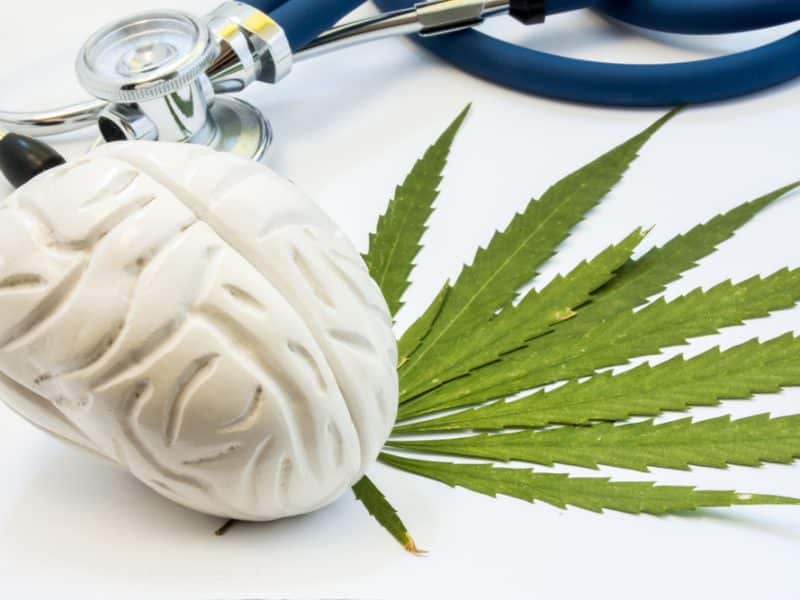
Legalized marijuana and teenage use
How did legalization of marijuana affect use by adolescents? Not the way you might think. And a comprehensive new report documents – once again – the failure of health insurers to equitably cover mental health.

Monday, April 22, 2024
By Don Sapatkin

Good Monday morning! How did legalization of marijuana affect use by adolescents? Not the way you might think, a new study suggests. Another study finds that three-quarters of Americans experiencing homelessness have diagnosable behavioral health disorders. Choking has become disturbingly common in teenage sex.
Plus: A comprehensive new report documents – once again – the failure of health insurers to equitably cover mental health. Cerebral is fined another $7 million. Why your older sister may be nursing a grudge. And more.
Almost half of all states have legalized recreational cannabis. So what’s the impact on teenagers?

Over the past decade, 24 states have legalized recreational marijuana and 18 have allowed recreational sales. You might think this would increase cannabis use by adolescents, but a new study suggests this may not, in fact, be the case.
In 16 states that legalized recreational cannabis between 2011 and 2021, the odds that teens used no marijuana – zero – during the previous 30 days actually increased by an average 8% each year after legalization, compared with states that didn’t legalize. But this reduced use was partially offset, the researchers found, because the teenagers that did use marijuana did so more frequently.
The study was based on self-reported data on substance use from nearly 900,000 graders in the CDC’s biennial Youth Risk Behavior Surveillance System surveys and was published as a research letter in JAMA Pediatrics. The research is “a bit statistically complicated,” study coauthor Rebekah Levine Coley, a developmental psychologist at Boston College, told me in an email. One reason for the complexity: Many teens reported no marijuana use at all in the last 30 days, while others say they used marijuana anywhere between one and 40 times. So, in addition to calculating the odds of zero use, the researchers also examined change in frequency of use. The researchers combined these two factors into what Coley calls a predicted level of use.
Interestingly, legalizing recreational cannabis seemed to affect more than marijuana use: In states that legalized pot, the predicted level of use alcohol and e-cigarettes also declined by a small amount but there was no change for cigarette smoking.
These findings surprised me, so I asked Coley for her take. “Some research suggests that movement of the cannabis market from illegal street sales to legal commercial sales restricted to ages 21 and above has made cannabis less accessible to adolescents,” she said. “Another theory is that with the increased attention to and availability of cannabis (and increased potency), parents may have become more attuned to the possibility of youth use and may be providing greater oversight or communication about the risks of cannabis use.” In other words, it’s not clear, and more research is needed.
The vast majority of homeless people also suffer from mental health disorders, new study finds
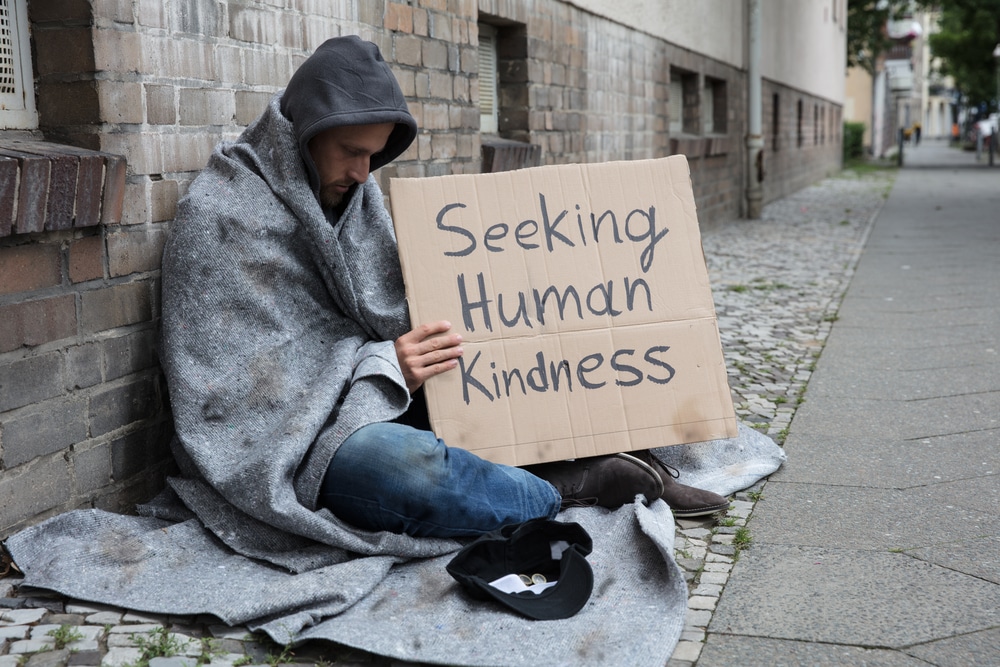
We’ve all observed that homelessness and mental illness frequently go together – that people who are living on the streets or in shelters also frequently suffer from profound mental and/or substance use disorders. Now a new analysis gives us a sense of the numbers.
Of adults experiencing homelessness, 67% worldwide and 77% in North America have a current behavioral health disorder, according to a new analysis published in JAMA Psychiatry. Another 10% globally had a disorder at some point in their lives. Average prevalence in countries around the world was higher in males (67% current, 86% lifetime) than females (57% current, 69% lifetime). The most common diagnoses were substance use disorders including alcohol (44%), followed by antisocial personality disorder (26%), major depression (19%) and any mood disorder (18%), including bipolar.
The numbers come by combining into a cumulative analysis data from 85 previous studies, more than half conducted in the U.S, and Canada, involving nearly 50,000 people aged 18 and older. As the analysis notes, behavioral health disorders are among the most debilitating and costly medical conditions, affecting nearly 1 billion people globally and costing the world economy more than $2.5 trillion a year – and that amount is projected to more than double by the end of this decade. Over 100 million people experience homelessness.
The review suggests that mental health disorders among the unhoused are becoming more common. The authors point to several possible explanations. Individual factors like substance use, relationship conflicts, trauma and biologically based illness may be exacerbated by societal factors such as poverty, lack of affordable housing, stigma and racism. Mental health disorders may lead to people becoming homelessness, or the stress of living unhoused may trigger or worsen mental illness.
A “troubling trend in teenage sex”
That was the headline of a disturbing guest essay in the New York Times by Peggy Orenstein, a best-selling author and journalist whose most recent books focus on the sexual attitudes and behavior of young people (Boys & Sex: Young Men on Hookups, Love, Porn, Consent and Navigating the New Masculinity” and “Girls & Sex: Navigating the Complicated New Landscape”). She writes that choking during sex – what experts call sexual strangulation – has been rising fast on college campuses, part of a broader “rough sex” trend.
Orenstein writes that she was “initially startled” when a 16-year-old girl asked her a question in early 2020 during a talk she was giving at an independent high school. “How come boys all want to choke you?” the girl asked. In another class, a 15-year-old boy wanted to know, “Why do girls all want to be choked?”
Orenstein is a terrific journalist and observer. She knows her stuff, and she doesn’t judge. But she’s worried about this. She notes recent research by Debby Herbenick, director of Indiana University’s Center for Sexual Health Promotion, who found that nearly two-thirds of women in a recent survey of 5,000 students at an “major midwestern university” said a partner had choked them during sex. Many of them – 40% – said they were between 12 and 17 years old the first time it happened.
Perhaps we shouldn’t be surprised. Long a staple of porn sites, choking in recent years has been shown on “Euphoria” and “The Idol,” made it into the chorus of Jack Harlow’s “Lovin On Me,” and is described in many how-to articles online. It’s been fed to young people by algorithms serving up hundreds of #chokemedaddy memes, “along with memes that mock – even celebrate – the potential for hurting or killing female partners,” Orenstein writes.
Keisuke Kawata, a neuroscientist at Indiana University’s School of Public Health, told Orenstein that he sees a similarity between the effects of choking and chronic traumatic encephalopathy or CTE – the degenerative brain disease found in many longtime NFL players who suffered repeated concussions. While the mechanism of injury is different, Kawata worries that the long-term effects may be similar.
Choking involves oxygen-blocking pressure to the throat, frequently in light, repeated bursts of a few seconds each. It often leaves few visible marks, and young women who have been choked during sex mostly reported lightheadedness, headaches, neck pain, temporary loss of coordination and ear ringing, all of which went away. But the true effects potentially may not show up for a while. Brain MRIs by Kawata and his colleagues have found that women who have been repeatedly choked showed widespread cortical thickening, an inflammation response that is associated with elevated risk of later-onset mental illness.
While a “sizable number” of the women Orenstein spoke with were enthusiastic about being choked and acknowledged that they requested it, most said their partners never or only sometimes asked before grabbing their necks. In any case, there had been moments when they couldn’t breathe or speak, compromising the ability to withdraw consent, if they’d even given it. The practice is dangerous, Orenstein notes. There is no safe way to strangle someone.
Looking for an office visit with a mental health professional in your insurance network? Good luck

MindSite News has covered extensively the huge gaps between what health insurers cover for behavioral health treatment and for medical treatment – despite federal and state laws requiring parity.
A new report from health economists at the nonprofit institute RTI International makes the same “gravely disappointing” points, as American Psychological Association CEO Arthur C. Evans Jr. put it in a press release – but in more ways and with more data than I’ve ever seen. Two examples:
Patients went out-of-network for office visits almost 11 times more often for psychologists and nine times more often for psychiatrists than they did for medical or surgical specialists in 2021 – probably because they couldn’t find a mental health provider in their insurance plan’s network.
Commercial insurance reimbursement rates are typically pegged to Medicare rates, with health plans adding a percentage – like an average 21% add-on for medical and surgical clinicians in 2020. But reimbursement levels for mental health office visits paid by commercial plans were actually below the Medicare benchmark for behavioral health health visits in 2020 – 7% lower for mental health and 3% lower for substance use.
In other news…
The mental health startup Cerebral is facing $7 million fines for privacy violations, The Verge reported – the latest comeuppance for a one-time digital darling that became the target of multiple investigations into practices that allegedly pressured telehealth providers to over-prescribe ADHD medications and helped lead to a shortage of the controlled substances taken by millions of Americans. The fine, ordered by the Federal Trade Commission, will take effect upon approval by the Florida District Court where it was filed. Additional fines were suspended because Cerebral has no money to pay them.
Tranq threat spreads to Europe. The horse tranquilizer xylazine, usually mixed with fentanyl and other street drugs, was involved in nearly 3,500 overdose deaths in the U.S. in 2021. Now illicit versions of the sedative have arrived in the U.K. – with 11 deaths in a recent 9-month period, the Politico Future Pulse newsletter reports, citing a study in the journal Addiction. In most, xylazine was detected with heroin or another strong opioid. But since screening for xylazine only started recently, researchers said, the true number is likely much higher.
“Why Your Big Sister Resents You” It’s called (not clinically) eldest daughter syndrome: a link, observed in some research, between birth order among siblings and various outcomes, including educational attainment, I.Q., financial risk tolerance and even participation in risky sports. But many of the studies have been small and perhaps flawed: Older siblings may have seemed more responsible or smarter because they were more mature. Links with personality traits – like middle children being sociable and rebellious; youngest children being charming and manipulative – are much weaker and tend to disappear entirely in larger studies.
Despite what put-upon firstborn daughters may think – readers, prepare for an elder attack! – eldest daughter syndrome may have as much to do with gender norms as birth order. “Everybody’s seeking to understand themselves, and to feel understood. And this is just another page in that book,” said Kati Morton, a licensed marriage and family therapist in Santa Monica, Calif. (who nevertheless gamely discusses the syndrome on TikTok).
If you or someone you know is in crisis or experiencing suicidal thoughts, call or text 988 to reach the 988 Suicide & Crisis Lifeline and connect in English or Spanish. If you’re a veteran press 1. If you’re deaf or hard of hearing dial 711, then 988. Services are free and available 24/7.
Recent MindSite News Stories
Only Two Percent of Psychiatrists are Black, Leading Some to Creative Solutions to Fill the Void

There aren’t enough Black psychiatrists to meet growing demand. Some are finding innovative ways to provide more culturally competent care.
Hidden Deaths in San Francisco: Overdoses Among Mayan Immigrants Highlight Urgent Need for Culturally Competent Services
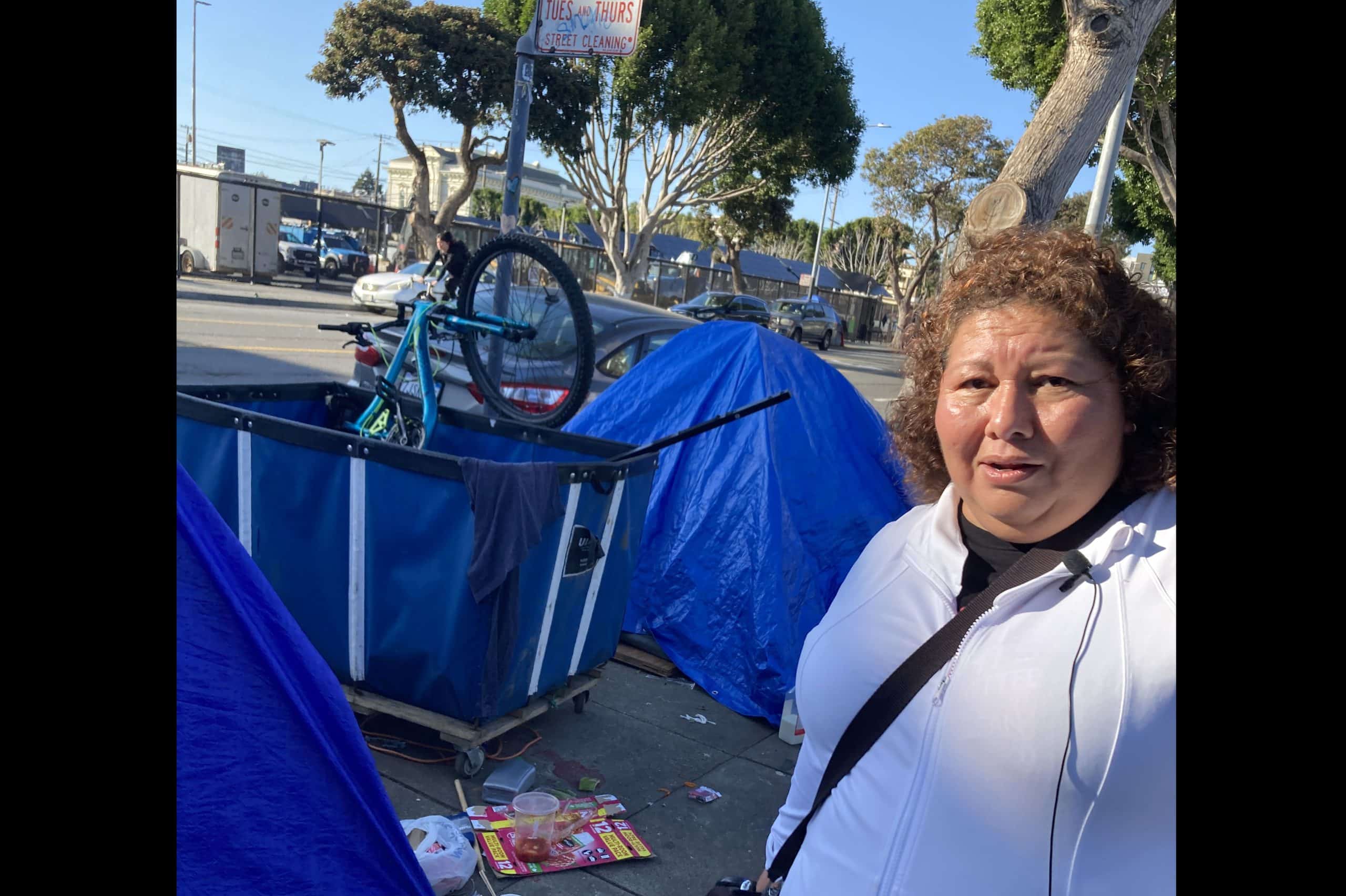
For generations, indigenous Mayans from Mexico’s Yucatan peninsula have been migrating to San Francisco. Although there has never been an official count, as many as 70,000 may live in the area. Since many speak indigenous Mayan languages, not Spanish, they may be unaware of services or the dangers of fentanyl.
Spending Packages Signed into Law Will Keep Federal Mental Health Funding at Historic Levels
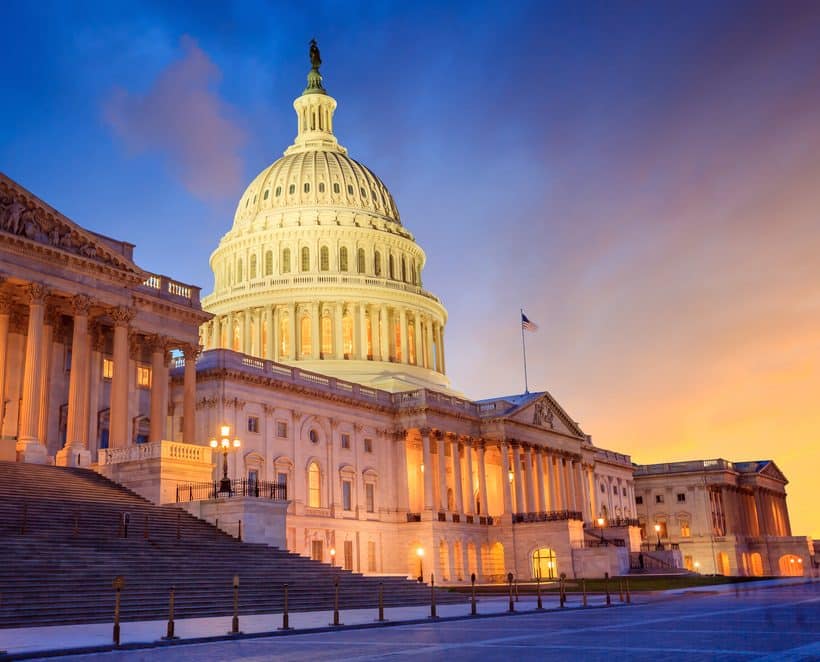
Last month, Congress escaped from gridlock to approve two spending bills that kept the government open while maintaining high levels of mental health funding. The Congressional action shows that mental health continues to command uniquely strong bipartisan support.
If you’re not subscribed to MindSite News Daily, click here to sign up.
Support our mission to report on the workings and failings of the
mental health system in America and create a sense of national urgency to transform it.
For more frequent updates, follow us on Facebook, Twitter and Instagram:

The name “MindSite News” is used with the express permission of Mindsight Institute, an educational organization offering online learning and in-person workshops in the field of mental health and wellbeing. MindSite News and Mindsight Institute are separate, unaffiliated entities that are aligned in making science accessible and promoting mental health globally.
Copyright © 2021 MindSite News, All rights reserved.
You are receiving this email because you signed up at our website. Thank you for reading MindSite News.
mindsitenews.org

The name “MindSite News” is used with the express permission of Mindsight Institute, an educational organization offering online learning and in-person workshops in the field of mental health and wellbeing. MindSite News and Mindsight Institute are separate, unaffiliated entities that are aligned in making science accessible and promoting mental health globally.


Author

Related Articles

He Almost Killed His Father. Now He Helps Others At Risk.
In today’s newsletter, we explore how one man healed after a dangerous psychotic break that nearly led him to murder.
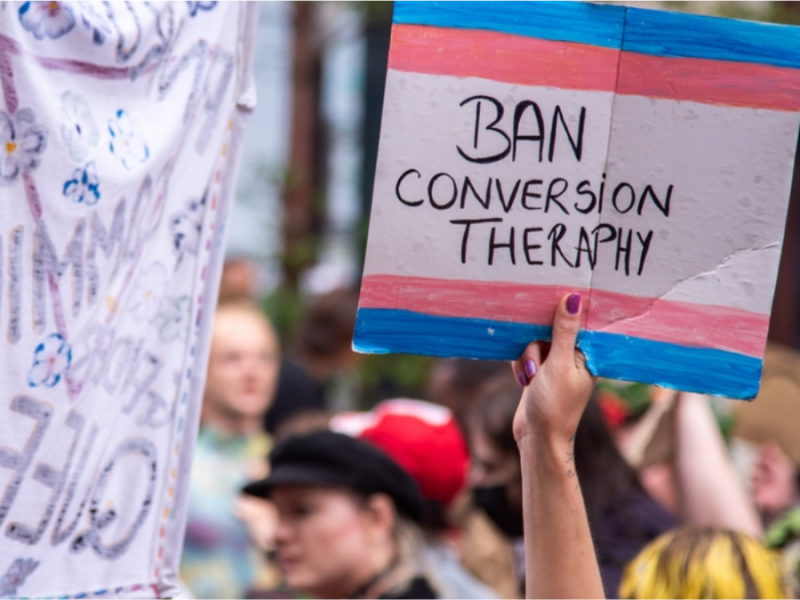
Fallout Over Supreme Court Ruling on Conversion Therapy
Despite the Supreme Court ruling, conversion therapists can still be sued for a practice the United Nations calls “torture.”

On No Kings Day, Millions Rallied to Denounce Trump and “Epstein War”
Anti-Trump protests took place in all 50 states, Puerto Rico and other US territories and in countries around the world.
