Stressed About Politics? Experts Offer Coping Strategies
Even before the rattling events of the past week, Americans were feeling especially anxious about the coming election. Plus, girls with eating disorders are flocking to energy drinks – a bad combination.

Monday, July 22, 2024
By Don Sapatkin

Good Monday morning! Even before the rattling events of the past week, Americans were feeling especially anxious about the coming election. Two psychologists have some advice to share.
Also in today’s Daily: Girls with eating disorders are flocking to energy drinks – a bad combination. How Simone Biles brought mental health talk to her Olympic gymnastics team. Exceptions to abortion bans rarely include mental health. Plus, what your brain looks like on psychedelics. And more.
Stressed about politics? Five ways to calm down
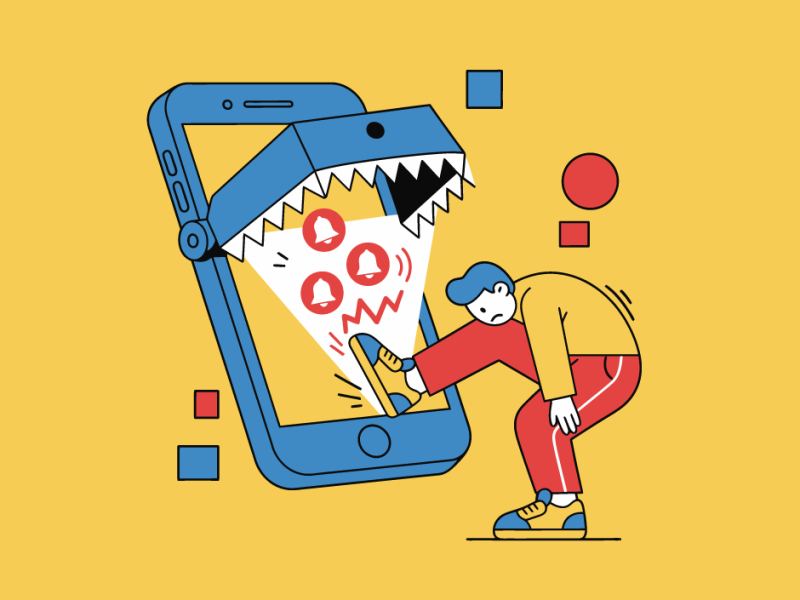
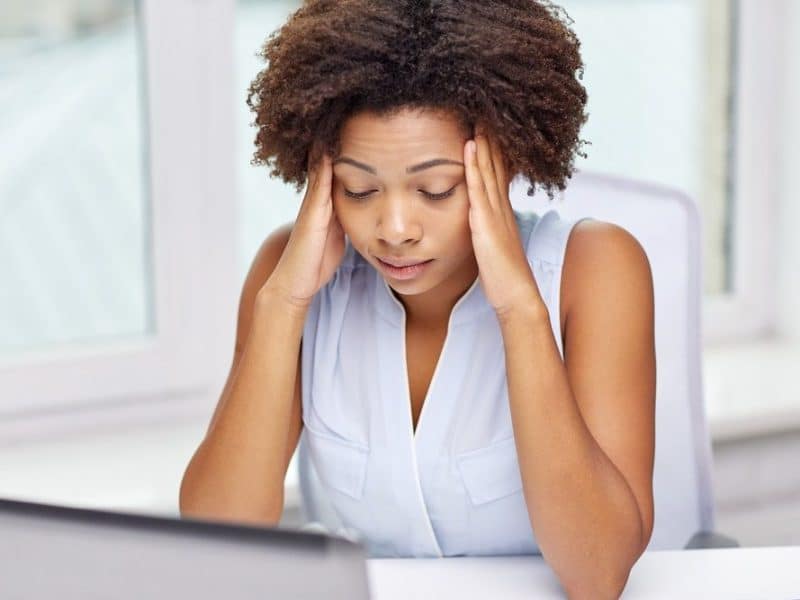
Months before an assassination attempt on Donald Trump and yesterday’s withdrawal by Joe Biden, nearly 75% of respondents to a poll by the American Psychiatric Association said they felt anxious about the election. Our political situation may not be normal, but feeling heightened negative emotions at such an unsettled time is, two psychologists told NPR. They said professional intervention is only needed if the stress becomes intense or long lasting. Psychologist Lynn Bufka, deputy chief of professional practice at the APA, and Krystal Lewis, a psychologist at the National Institute of Mental Health, offered these strategies for getting a handle on your stress:
Stay socially connected: Stay connected with friends, family and others and turn to them when feeling overwhelmed. But, Bufka adds, avoid getting into “stress spirals with other people.”
Understand what’s fueling your symptoms: uncertainty. “Uncertainty is a breeding ground for anxiety and fear,” says Lewis. Bufka suggests asking yourself questions such as: “How likely is that worst-case scenario? Can I manage to cope with that?”
Limit how much news you consume. Know when to step away or take a break, Lewis says – including from social media. Having a smartphone in your pocket doesn’t mean you have to scroll.
Do things that are meaningful to you. Connect with other people on issues you care about or work toward a cause. Pick up the trash in your neighborhood “just to make it a better place,” Bufka says.
Find other healthy ways to cope. Do things that bring you joy and keep you in the present moment. And don’t forget to move your body since being active releases stress.
We’ve just begun our summer fundraising drive! Please support our efforts to cover all things mental health. Click here to make a monthly donation.
Are energy drinks fueling eating disorders?
Anne Arthurs was being treated for anorexia when she noticed college classmates, fitness influencers and TikTok creators all drinking Celsius, one of the many energy drinks stocked in campus vending machines. Monster and Red Bull sponsor motocross racers and skateboarders. Celsius and Alani Nu position themselves as part of a fit lifestyle. Their social media posts suggest that achieving a toned body is as easy as sipping a can of sparkling sugar-free beverages before a sweat session. The drinks have become “a go-to for teenage girls and young women with eating disorders,” according to The Wall Street Journal.
Drinking them seemed healthy – and they made her feel full, Arthurs thought. “I wasn’t getting energy from food, so I had to get it from something,” she says. She began drinking one, then two cans a day of Celsius or Alani Nu, a rival brand started by fitness influencer Katy Hearn. Both contain 200 mg of caffeine in a 12-ounce can, equal to four cans of Diet Coke or two to three shots of espresso. Arthurs continued drinking diet soda, bringing her daily caffeine intake to around 500 mg. She says her heart raced after a Celsius or Alani Nu, and she thinks they contributed to her anxiety. Other women the Journal interviewed consumed up to 800 mg of caffeine a day – double what the FDA considers safe for healthy adults. Caffeine tends to have stronger effects on women, and high doses can cause heart problems, anxiousness, restlessness and sleep disturbances.
Eating problems increased sharply during the pandemic, and doctors at more than a dozen hospitals and eating disorder treatment programs told a reporter they’ve noticed a change in patient behavior ever since. One said a third of her patients consume energy drinks; another said nearly all of his do. Some patients use them to temporarily boost their vital signs and gain water weight to pass medical exams and avoid being hospitalized for eating disorders, doctors say. Celsius uses the slogan “live fit” and claims to have health benefits, which medical experts say are misleading. Elaine Rosen, a physician who runs UCLA Health’s eating-disorder treatment programs, says the claims are “a match near dry kindling on a hot day” for people susceptible to eating disorders. “It’s promising all your dreams will come true, and it’s being endorsed in the name of health by gorgeous-looking people.”
Arthurs, now 22, was diagnosed with anorexia as a freshman at the University of Utah. She underwent intensive outpatient treatment for a year. She transferred to Montana State University and continued treatment. As she began to eat more, she slowly gave up energy drinks. “Now I hate them,” she says.
How Simone Biles opened the door for her Olympic team to discuss mental health

For gymnast Jordan Chiles, the death of her grandfather and aunt last year has been an emotional weight on her journey to her second Olympics. Moments after Chiles made the squad in June, she was asked how she’s able to “bring her whole self” to gymnastics. She gestured to Simone Biles, her friend and teammate. “I honestly think it’s because of this one right here,” she said. Minutes earlier, reigning all-around Olympic champion Suni Lee, whose kidney disease diagnosis ended her college career and placed a cloud over her dreams of making it to the Paris Olympics, broke down in sobs as she addressed the crowd after winning a spot on the team.
Biles’ impact on how mental health is viewed within her own Olympic team is undeniable, USA Today reports. A decade ago, the prevailing culture in sports was that vulnerability is weakness and asking for help is conceding defeat – a stigma that forced athletes to keep mental health concerns secret. But change had been building for years. NBA forward Kevin Love and Swimmer Michael Phelps were among the first prominent athletes to discuss their mental health concerns in 2018. In 2021, tennis star Naomi Osaka withdrew from the French Open, citing mental health issues.
Biles stands out for her visibility among Black Americans. They are less likely than whites to seek help for mental health problems and are greatly underrepresented in psychiatry. Biles has championed mental health to the point of calling her weekly therapy sessions “religious” – and it has rubbed off on her teammates. “We’ve all gotten so much closer to where we can talk about anything and everything,” Lee said. “And it’s really helpful when we’re out there.”
State abortion bans almost never include exceptions for mental health
In the wake of the Supreme Court decision overturning Roe v. Wade, 14 states now have near-total abortion bans and many more impose gestational limits. Most include medical exceptions to protect the health of the mother but few of these exceptions include mental health. In fact, states such as Georgia, Florida and Idaho explicitly exclude mental and emotional health as reasons to allow abortions, according to an article in Salon. Tennessee, for example, forbids abortions “for any reason relating to (the mother’s) mental health.” This despite the fact that the leading cause of pregnancy-related deaths – accounting for almost one in four – was a mental health condition, according to a recent CDC analysis.
Anti-abortion advocates continue to spread the myth that abortion can worsen mental health. “It’s one stigma on top of another: abortion is stigmatized, mental health is stigmatized – and (if) you need an abortion for a mental health issue, you’re just adding stigma on stigma,” said Laurie Sobel, associate director of Women’s Health Policy at the Kaiser Family Foundation. Poor mental health eventually affects physical health, but the physical health exceptions to abortion bans aren’t clear either, she said. Meanwhile, studies continue to show that living in states with tighter abortion restrictions is associated with elevated levels of mental distress.
A study published in JAMA Pediatrics last month found that in Texas, which banned abortions after the detection of a fetal heartbeat in September 2021, the number of infant deaths increased 12.9% between March and December 2022 compared with 1.8% during the same time frame in 28 other states. Neonatal deaths showed a similar pattern. Texas Senate Bill 8 makes an exception for “medical emergencies” but does not define them and makes no mention of mental health.
In other news…
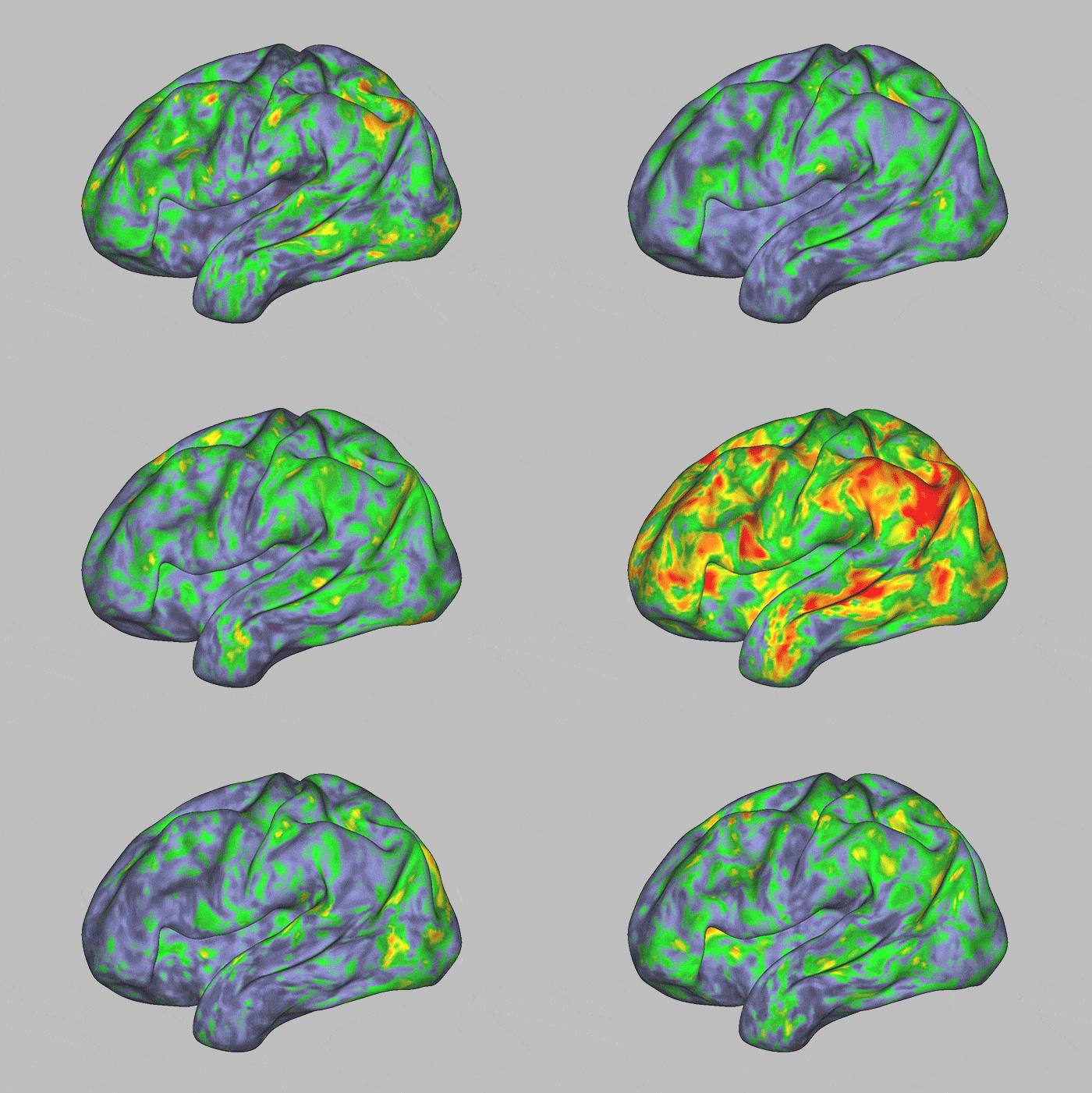
“A groovy visualization of the human brain on psychedelic drugs.” That’s how the New York Times describes this image, made up of dozens of brain scans produced by researchers at Washington University School of Medicine in St. Louis. They gave psilocybin to a handful of participants in a study before sending them into an ƒMRI scanner. The whirl of colors is basically a heat map of brain changes: blue and green colors reflect normal brain activity while the red, orange and yellow hues reflect a significant departure from the norm. “There’s a massive effect initially, and when it’s gone, a pinpoint effect remains,” co-senior author Nico U. F. Dosenbach said in a press release. “That’s exactly what you’d want to see for a potential medicine. You wouldn’t want people’s brain networks to be obliterated for days, but you also wouldn’t want everything to snap back to the way it was.” The scans were published in Nature, offering a rare glimpse into the wild neural storm associated with mind-altering drugs.
Two studies in JAMA Psychiatry caught our attention: One found that 20% to 25% of American adults who’ve experienced depression and anxiety carry medical debt, two to three times the rate of those who’ve had neither. People carrying medical debt were also two to three times more likely to have delayed or gone without mental health care.
Another study found that people who were born and lived in Denmark for their first 15 years and resided in income-deprived neighborhoods during childhood were more likely to develop depression as adults. More surprising, perhaps, was that moving during childhood – whatever the income level of their neighborhoods − was linked to significantly higher rates of depression in adulthood compared with those who stayed put. The findings suggest that a settled home environment in childhood may have a protective effect on children growing up in income-deprived communities, the authors wrote.
Two comedy series that get mental health right by using laughter to entertain as they shine a light on the realities of mental health, are “Ted Lasso” and “Sex Education,” psychologists tell Forbes.

As most readers of MindSite News know (and ICYMI, here’s a link to our award-winning feature), Ted Lasso follows an American football coach who unexpectedly finds himself managing a struggling English soccer team.
Then, he starts experiencing panic attacks that force him to acknowledge his need for help − and brings viewers along on his hesitating, uncomfortable and ultimately powerful journey in therapy. It’s currently available only on Apple TV+.
The uproarious British Netflix series Sex Education is one of my favorites. While navigating the highs and lows of sexuality, relationships and self-discovery among teens at a country private school, the show takes us on a ground-breaking exploration of adolescent experiences of sexual orientation, abuse and addiction (the latter involving a parent). One of its most taboo-breaking storylines involves the normal romances – even sex! – of a young man in a wheelchair. But the series’ tactful depictions of mental health, from trauma to severe anxiety and panic attacks, and how the kids support each other through them, is truly heartwarming.
If you or someone you know is in crisis or experiencing suicidal thoughts, call or text 988 to reach the 988 Suicide & Crisis Lifeline and connect in English or Spanish. If you’re a veteran press 1. If you’re deaf or hard of hearing dial 711, then 988. Services are free and available 24/7.
Recent MindSite News Stories
Detroit Islamic Center Offers Free Mental Healthcare for Anyone in Need
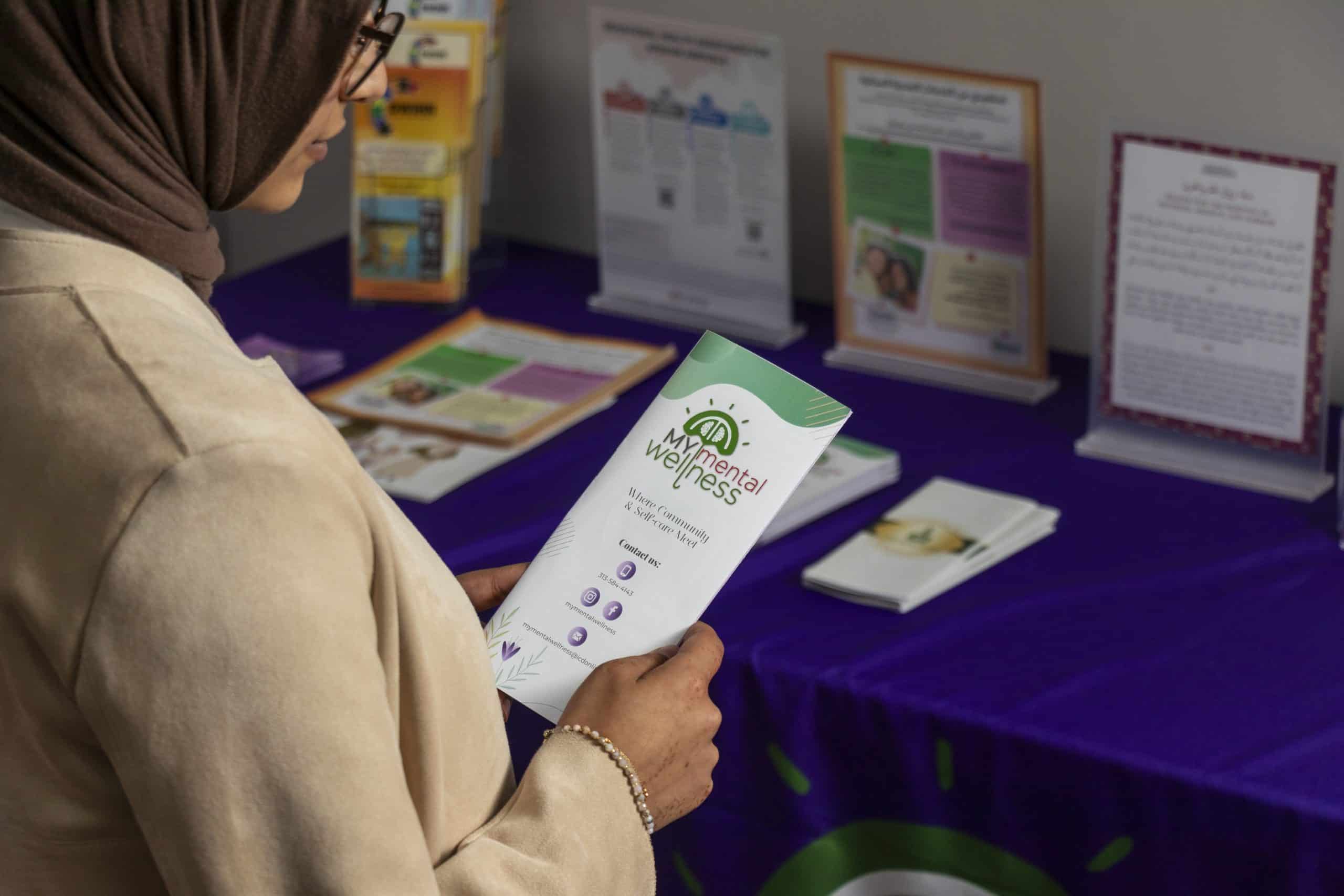
Muslim Americans have high rates of mental illness, including suicide. In the Detroit area, which has the largest concentration of Muslims in the U.S., imams have taken note. The Detroit Islamic Center has expanded its My Mental Wellness clinic.
In Detroit, an Infant Mental Health Program Helps New Parents and Babies

Wayne State University’s Infant Mental Health Program screens parents during routine well-child visits to assess their needs, mental health and well-being. Then it offers support.
In Philly, Struggling New Mothers Get a Lifeline from Nurses Making House Calls
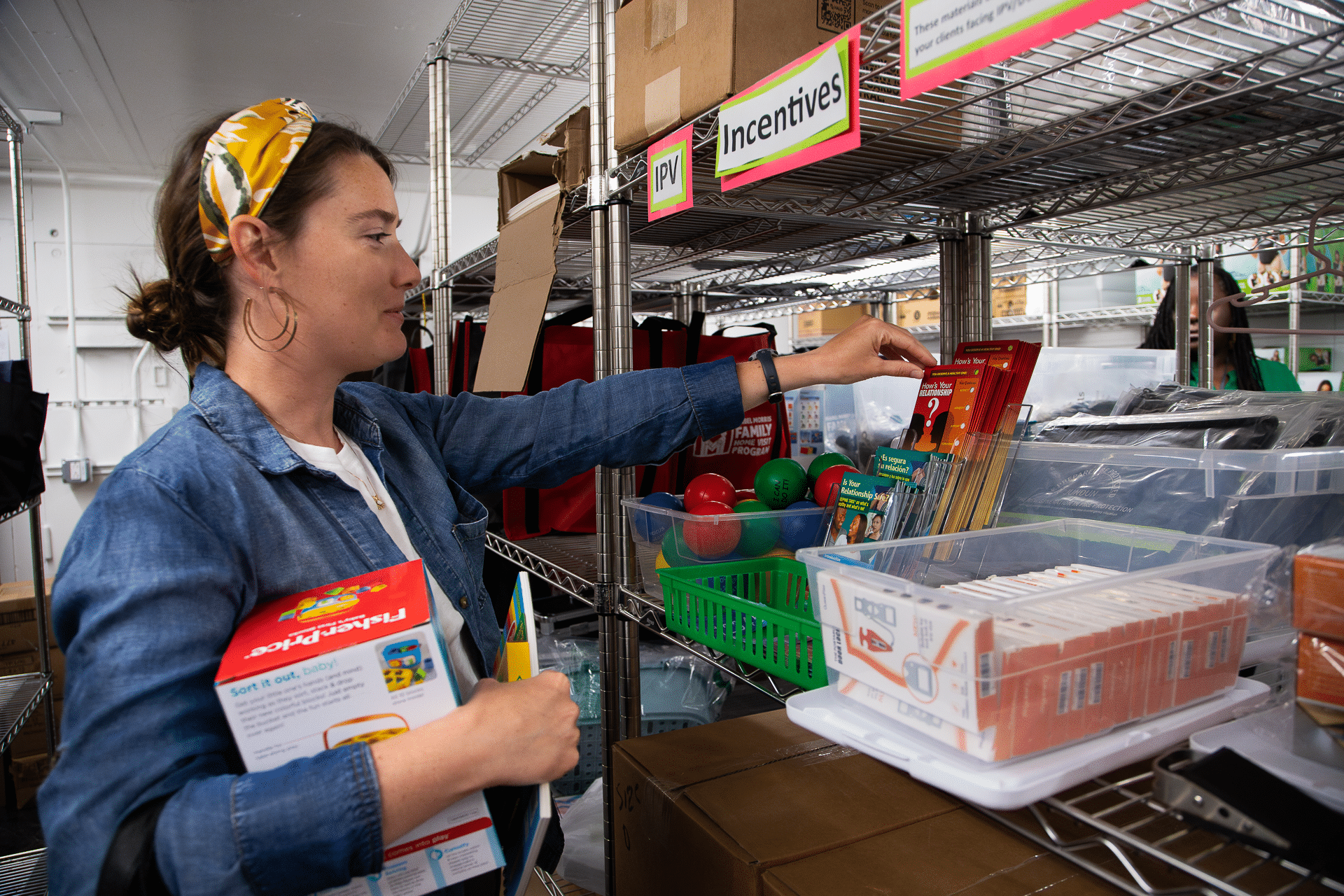
Since 2001, the Nurse-Family Partnership program has been pairing mothers-to-be in Philadelphia with a visiting nurse who makes house calls, starting in the second trimester of pregnancy.
If you’re not subscribed to MindSite News Daily, click here to sign up.
Support our mission to report on the workings and failings of the
mental health system in America and create a sense of national urgency to transform it.
For more frequent updates, follow us on Facebook, Twitter and Instagram:

The name “MindSite News” is used with the express permission of Mindsight Institute, an educational organization offering online learning and in-person workshops in the field of mental health and wellbeing. MindSite News and Mindsight Institute are separate, unaffiliated entities that are aligned in making science accessible and promoting mental health globally.
Copyright © 2021 MindSite News, All rights reserved.
You are receiving this email because you signed up at our website. Thank you for reading MindSite News.
mindsitenews.org

The name “MindSite News” is used with the express permission of Mindsight Institute, an educational organization offering online learning and in-person workshops in the field of mental health and wellbeing. MindSite News and Mindsight Institute are separate, unaffiliated entities that are aligned in making science accessible and promoting mental health globally.


Author

Related Articles

When a Child Is the Only Caregiver
Over 5.4 million child caregivers in the U.S. face rising rates of anxiety and depression in the face of proposed Medicaid cuts.
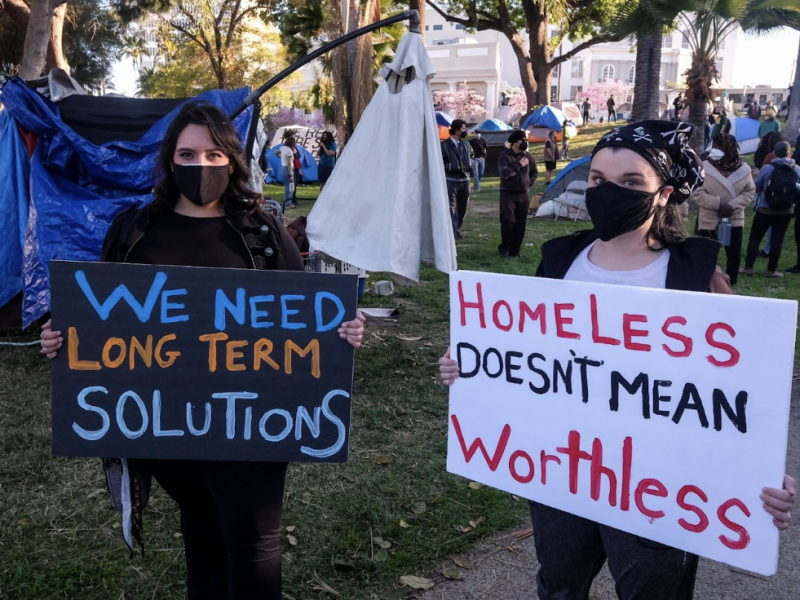
LA County’s Homeless Shelter System Is a Revolving Door
A new report reveals the LA homeless shelter system is failing to meet its targets, with nearly 60% of residents returning to the streets.