Mental Health Crisis in Israel Worsens
Mental trauma is surging among Israeli soldiers and throughout the population. And the US Olympic team in Paris has ready access to mental health support.


Monday, July 29, 2024
By Don Sapatkin

Good Monday morning! In today’s Daily: Mental trauma is surging among Israeli soldiers and throughout the population. Team USA Olympians can flag down a psychologist at the games in Paris anytime they need to.
Plus: Impulsiveness and hyperactivity don’t mean you have ADHD. Stimulant users are caught up in a fatal “fourth wave” of the opioid epidemic. Mental health inequities are projected to cost the U.S. $14 trillion over 16 years. And naloxone became more available and cheaper after becoming available over-the-counter.
Mental health problems spike in Israel – among soldiers, kids and almost everyone
Last week, we published a story and short documentary about the massive levels of trauma among Palestinian children in the West Bank. Today, we look at the situation in Israel.

A surge in psychiatric problems among Israel’s defense forces was already stretching mental health resources beyond the limit when Eliran Mizrahi killed himself in June. The 40-year-old reservist witnessed traumatizing scenes driving a bulldozer in Gaza’s border communities after the Oct. 7 Hamas attack. Then he received orders to return to Gaza despite his PTSD diagnosis.
His highly publicized death may have contributed to a spike in calls to a mental health helpline for members of the military.
Besides life-threatening experiences, soldiers experience shame and guilt over making it out alive when comrades didn’t, and also moral injury, the feeling that actions they took in Gaza contradict their own moral values. The Defense Ministry’s helpline contacted the police 86 times between October 2023 and June 2024 after judging that a caller’s threatened suicide might be imminent, a 145% increase from the same period a year before.
It’s not just soldiers who are suffering. The country is facing a crisis of increased mental health suffering combined with a worsening shortage of mental health professionals. The Israeli newspaper Haaretz cited experts reporting a 33% increase in anxiety and depression and an increase in suicide attempts among teenagers in the first three months of the Israel-Gaza conflict. A survey of hospitals found that almost half of psychiatrists had left in the past four years without being replaced and that 78% of child psychiatrists are considering leaving the public health system.
Trauma experts said a surge in calls to a military mental health line represent a form of delayed-onset trauma. Discharged reservists put their emotional resources into trying to function in civilian life and then a trigger like the Mizrahi suicide – or something as innocuous as the smell of meat at a restaurant – causes the trauma to burst to the surface.
“The calls and conversations reveal very severe distress,” Gili Gamish, helpline director for the Israel Trauma and Resiliency Center, known as Natal, told Haaretz. Mizrahi’s suicide also “served as a catalyst for psychological distress in soldiers from previous wars,” she said.
A story in Tablet, a digital magazine, headlined “Israel’s Mental Health Tsunami” documented the jump in mental health needs in Israel, a small country where almost everyone knows someone directly touched by the conflict. It cited a study that surveyed 710 Israelis about their mental health six weeks before the Hamas attack and again six weeks after. It found that 30 respondents experienced the attacks directly, while 131 had loved ones killed, kidnapped or wounded. Among those surveyed, prevalence of PTSD doubled, generalized anxiety disorder increased 18% and depression rose 13.5%.
Many experts say Israel’s mental health system is woefully inadequate. HMOs began offering mental health services only in 2015. The system was strengthened in 2020 in response to pandemic needs but is seen as significantly underfunded. Given the increase in demand, children in need of a psychiatric evaluation or treatment often must wait eight months or more to see a psychiatrist in the public system, according to the National Council of the Child.
For Team USA, 24/7 access to mental health services

Olympic athletes competing in Paris for Team USA have ready access to mental health professionals, who are on call 24/7 to support them, according to Fortune. Athletes can schedule an appointment with a psychologist or flag one down in the Olympic Village or the arena where they’re competing, says Team USA psychologist Kwedku Smith. They will even help athletes from other regions whose teams lack mental health resources, Smith said.
Mental health typically is discussed from an illness standpoint, but the Olympics staff approaches it from a wellness perspective. “What are those things that we can do proactively just to keep them happy?” Smith says. “Because I believe that you can create a better person, you can create a better athlete. So if we can give them some strategies in day-to-day life, that pays dividends in the sports world.”
Team USA’s overall medical staff includes more than 250 health care professionals. The psychological services staff practice clinical psychology and also are certified mental performance consultants trained to help athletes with performance anxiety, injury recovery and other issues. “In an Olympic environment where nerves, anxiety, second thoughts, imposter syndrome may come up,” Smith says, “it’s good to have somebody to reinforce the confidence that they once had but might have faded for a moment.
You might have seen Smith, by the way, in an ad campaign called “Anatomy of a Champion” by medical-apparel brand Figs, which designed the scrubs that are the medical team’s first Olympics uniform. Smith appears in the video, advising a patient to visualize himself conquering a problem.
In other news…
Misdiagnosis or missed diagnosis? When it comes to ADHD and kids, both are common. Attention deficit hyperactivity disorder typically starts in childhood and causes inattention, disorganization, hyperactivity and impulsivity in two or more settings, like home and school. But these symptoms can overlap with lots of other traits and disorders, and plenty of kids and adults who appear to have ADHD may actually have a different problem. Difficulty concentrating, for example, is one of the most common symptoms listed in the American Psychiatric Association’s diagnostic manual, and it’s associated with 17 different diagnoses, according to a recent study. Patients with suspected ADHD should be carefully evaluated – and that doesn’t mean a self-administered diagnosis based on a TikTok video. The New York Times offers common reasons why some kids with ADHD go undiagnosed and others are wrongly diagnosed with the condition.
Stimulant users are caught up in deadly “fourth wave” of the opioid epidemic, NPR reports. The first wave of the devastating epidemic began with the abuse of prescription painkillers (early 2000s). The second involved an increase in heroin use (starting around 2010). The third wave began when fentanyl started appearing in the drug supply (mid-2000s, depending on the region of the country). Experts say the current wave began recently, when illicit stimulants became the most common drugs found mixed with fentanyl in overdose deaths – typically cocaine in the Northeast, and methamphetamine in the West, Midwest and South. The mix is challenging efforts to reduce overdose fatalities because many stimulant users have no idea that the pills they’re buying are laced with fentanyl. Caught unaware, don’t take precautions like checking their supply with fentanyl test strips, which cost as little as $1 or $2 and are often distributed free by harm reduction organizations.
Inequities in mental health care are projected to cost the United States $14 trillion between now and 2040, according to The Hill, which reported on a study from the School of Global Health at Meharry Medical College and the Deloitte Health Equity Institute. The analysis concluded that unaddressed mental health conditions create a significant economic burden. Eliminating inequities in treatment could lead to significant savings on health care, it said.
Naloxone became cheaper and more available after the FDA approved OTC sales of a nasal spray version of the opioid overdose reversal medication in 2023, according to study of North Carolina pharmacies in JAMA Health Forum. The “secret shopper” survey called 192 pharmacies around the time that the agency approved the over-the-counter product in March 2023 and again eight to 10 months later. It found that same-day availability of naloxone without a clinician-issued prescription increased from 42% of pharmacies before OTC availability to 58% after. The average cost decreased from $91 to $63.
If you or someone you know is in crisis or experiencing suicidal thoughts, call or text 988 to reach the 988 Suicide & Crisis Lifeline and connect in English or Spanish. If you’re a veteran press 1. If you’re deaf or hard of hearing dial 711, then 988. Services are free and available 24/7.
Recent MindSite News Stories
The Burnout Crisis Isn’t Over. Here’s What We Can Do About It.
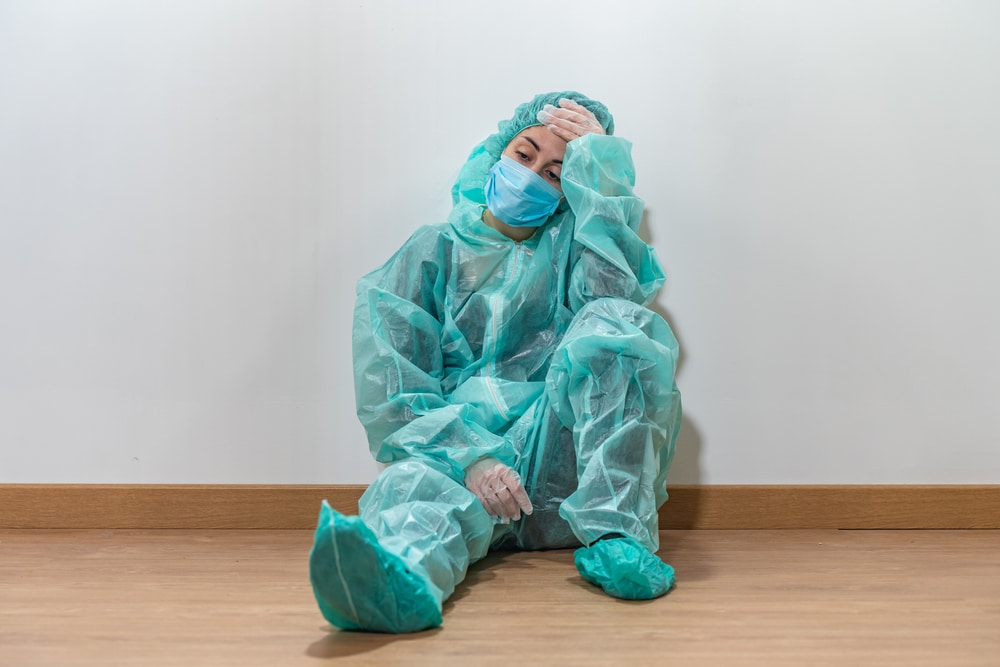
Healthcare and social services workers are experiencing enormous burnout. But a closely evaluated pilot program offering therapy, wellness sessions and coaching is helping lower depression and anxiety in three-quarters of participating healthcare workers.
‘I Was Terrified, Actually. It Could Be Me Next’

Even before the Israeli-Hamas war broke out last October, rates of depression among Palestinian adults in the West Bank and Gaza were 10 times the global average. Among children, the rates were higher still – and are getting worse.
Relief Funds Help Mental Health of Farmers with Land Poisoned by ‘Forever Chemicals’
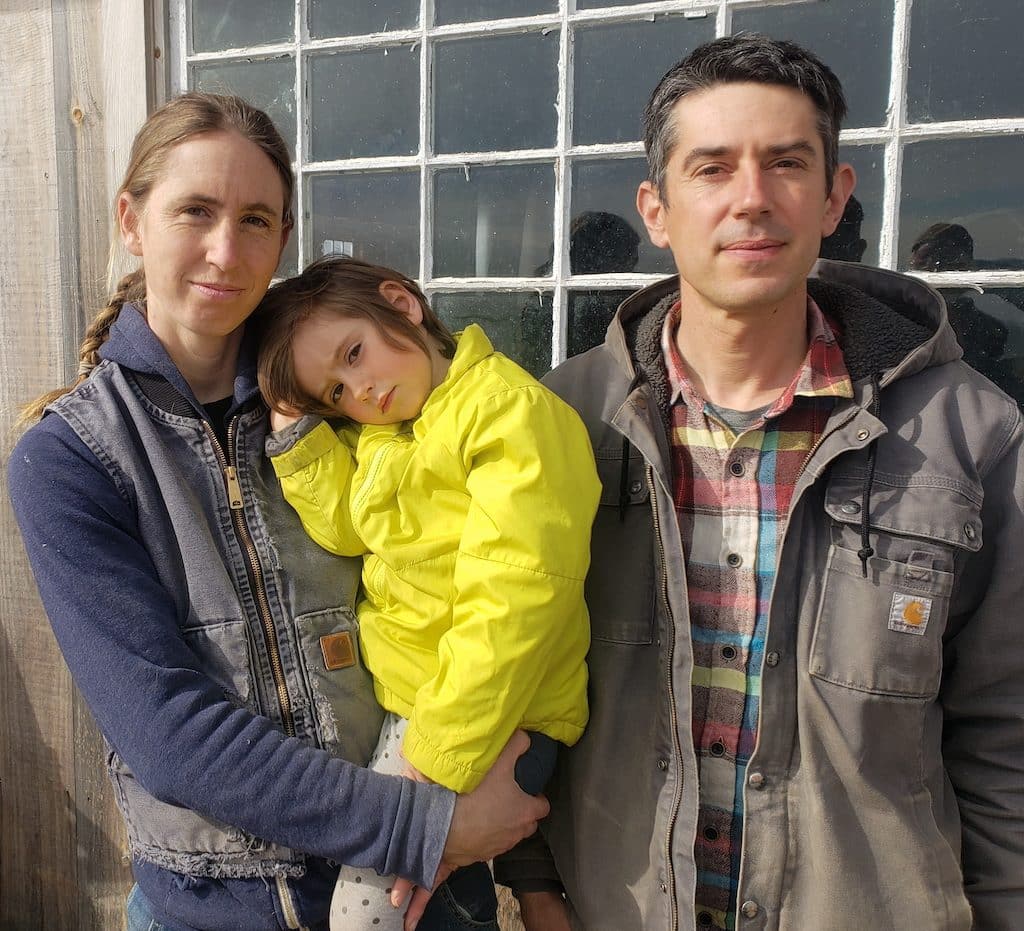
In Maine, state agencies and nonprofits are working to help farmers distressed by the discovery of PFAS – better known as “forever chemicals” – on their land.
If you’re not subscribed to MindSite News Daily, click here to sign up.
Support our mission to report on the workings and failings of the
mental health system in America and create a sense of national urgency to transform it.
For more frequent updates, follow us on Facebook, Twitter and Instagram:

The name “MindSite News” is used with the express permission of Mindsight Institute, an educational organization offering online learning and in-person workshops in the field of mental health and wellbeing. MindSite News and Mindsight Institute are separate, unaffiliated entities that are aligned in making science accessible and promoting mental health globally.
Copyright © 2021 MindSite News, All rights reserved.
You are receiving this email because you signed up at our website. Thank you for reading MindSite News.
mindsitenews.org

The name “MindSite News” is used with the express permission of Mindsight Institute, an educational organization offering online learning and in-person workshops in the field of mental health and wellbeing. MindSite News and Mindsight Institute are separate, unaffiliated entities that are aligned in making science accessible and promoting mental health globally.


Author

Related Articles

He Almost Killed His Father. Now He Helps Others At Risk.
In today’s newsletter, we explore how one man healed after a dangerous psychotic break that nearly led him to murder.
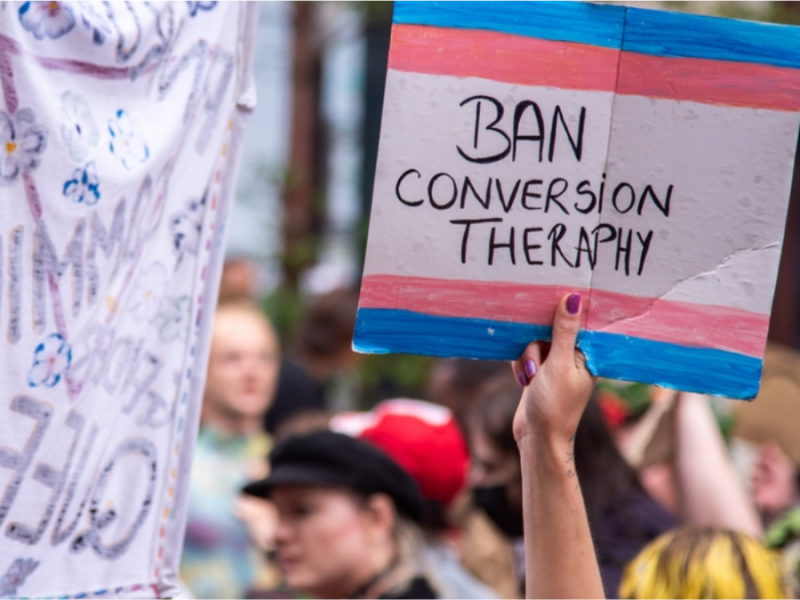
Fallout Over Supreme Court Ruling on Conversion Therapy
Despite the Supreme Court ruling, conversion therapists can still be sued for a practice the United Nations calls “torture.”

On No Kings Day, Millions Rallied to Denounce Trump and “Epstein War”
Anti-Trump protests took place in all 50 states, Puerto Rico and other US territories and in countries around the world.
