
What Was Lost When Kids Quit Playing In the Streets
Why American parents need to revive free play, in the street or elsewhere.
August 8, 2024
By Courtney Wise

Greetings, MindSite News Readers. In today’s Daily, we kick off with one of the most relatable essays we’ve shared in a long time: Parents who were tired of their kids ripping and running through the house one summer decided to send them to play…OUTSIDE! IN FRONT OF THEIR OWN HOUSE! They even ventured into the STREET!
My millenial sensibilities were wholly satisfied by the revelations shared, as they sparked memories of my childhood in the 90s, when I met every neighborhood friend I ever had in the street before my house or in the alley right behind it.
We also hear from early childhood educators in Philadelphia, Pennsylvania, raising the alarm on the growing mental health crisis among young children in day care and preschool.
Confining kids to their playrooms and backyards has damaged the connection between us all
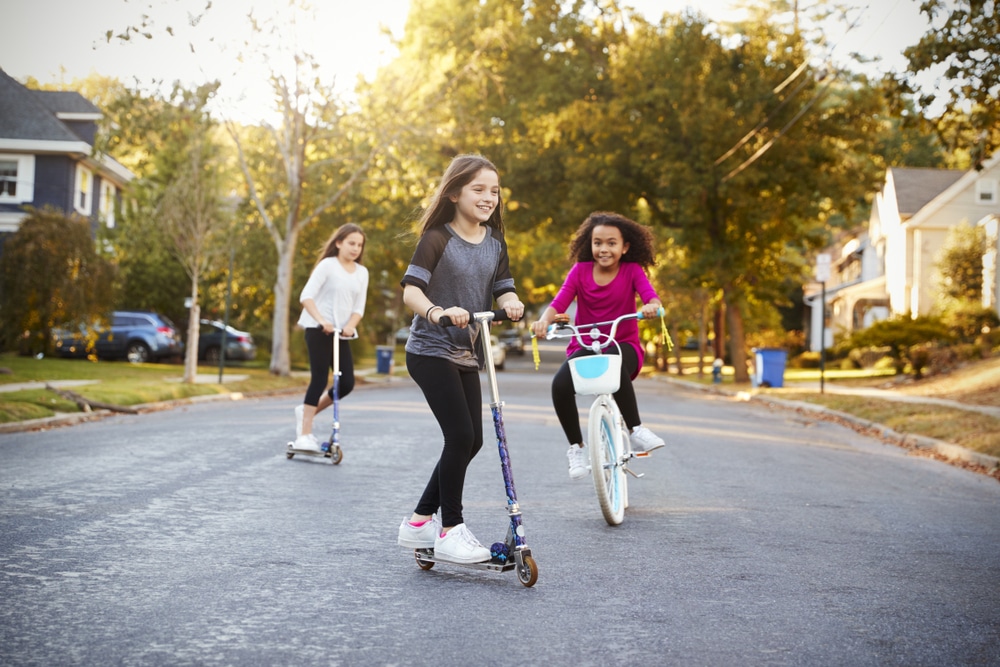
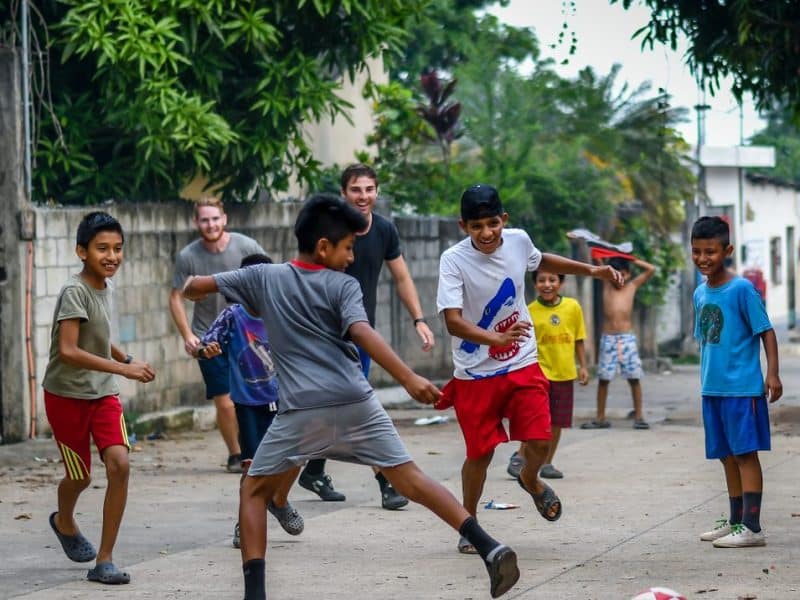
15 years ago, Amy Rose and Alice Ferguson, a pair of mom friends from Bristol, England, looked around their homes and realized they were totally sick of looking at and hearing the racket from their children. “We were going, like, Why are they here?” Rose told The Atlantic. “Why aren’t they outside?” They decided to shut off the TVs, block the entrance to dens and playrooms, and kick them outside, toyless. What might the children do with just fresh air and one another?
Revive the human connections in the neighborhood, is all. In their story, “What Was Lost When Kids Quit Playing in the Streets,” the authors recount what happened. The children, given the opportunity to play freely, not only built or deepened existing friendships (by going outside and observing that their favorite schoolmates lived a four-minute walk from their own porches), but in turn, nudged their adults to exit their domiciles and interact with one another. It transformed the street, Rose and Ferguson said.
Before we tethered ourselves to electronic devices, before primetime true crime shows dominated the airwaves, before we convinced ourselves that inside is safer, and thus better, nearly all of us met and made friends in the street. People provided for their families there, too, selling wares on roadways, before cars took precedence over pedestrians. That’s according to history, which Peter Norton, an associate history professor at the University of Virginia wrote about in his book, Fighting Traffic: The Dawn of the Motor Age in the American City.
Then came the auto lobby. The American Automobile Association began distributing packets to schools, teaching children that the street needed to be clear before they played in it. As kids moved out of the streets, lots else followed. Speed limits were raised; streets became a danger zone for pedestrians of all species (human, feline, avian, and so on). After that, Norton explains, we pushed schools further away from our homes, making them less accessible to children by foot. Our society became solidly car-centric. Our connections with the people in our own communities began to dry up.
Rose and Ferguson weren’t the first people to reclaim streets for children, and they won’t be the last. But since that first afternoon of forcing their kids to become reacquainted with the magic of free play, they’ve founded Playing Out, a nonprofit that works with neighborhood residents to design opportunities for children to play outside where they live. Their efforts, and others like them, help people foster stronger community bonds as they provide safer streets for children to play. Though shutting down streets may not be as practical in many neighborhoods and cities, their work is a good reminder that free play and a more child-friendly culture is beneficial to our collective wellbeing.
And in the event that the streets are too hazardous for play, there are also front yards as well as playgrounds and parks in many neighborhoods. The book Playborhood traces how some parents have opened their front yards to all the kids on the block, with great results.
On that note, just releasing kids from our overly protective parental grip might relieve some of their anxiety, says a new documentary
Despite what the internet and your fave true crime news programs say, the world is safer than it was a generation ago. In real life. Crime in notorious NYC — and the entire United States — is at one of the lowest points in our history. Still, we parents are more afraid than ever. And what’s been lost for our kids – and our own parental sanity – with so much supervision and curated, structured play (as well as soccer practice starting at age 3)? Filmmakers Margaret Munzer Loeb and Eden Wurmfeld sought to find out in their documentary, Chasing Childhood.
As we insist that our children must always be under our direct care, we delay the development of their independence and suffocate their confidence in their abilities to make good choices for themselves, the documentry asserts. It’s also contributing to kids’ anxiety, argue Jon Haidt and Lenore Skenazy, in an essay on After Babel. The pair co-founded Let Grow with Peter Gray and Daniel Shuchman, which advocates with parents, schools, and youth program leaders for greater youth independence.
The youngest among us face serious mental health challenges, too
What’s a four year old to do in the wake of their father’s suicide? One of Damaris Alvarado-Rodriguez’s preschool students in Philadelphia was faced with the horror on their very first day of school, hours after their dad dropped them off and worked alongside teachers to help them acclimate to the classroom. Little more than a year later, the now kindergartener remains plagued by grief and emotional problems that show up in school. The mental health resources and practical support necessary to help the child manage their complex new feelings are in tragically short supply, Alvarado-Rodriguez said.
“We failed that child although I provided as much as I possibly could,” she told an audience at the Children First’s Racial Equity Early Childhood Provider Council Conference, attended by the Philadelphia Inquirer. “By we, I mean the city, the state, everybody. This is not pointing fingers,” Alvarado-Rodriguez continued, “this is about working collaboratively with city, state, and federal organizations to ensure children, families, and teachers have the resources to meet the needs of every child.”
The issue is enormous, further compounding existing problems within early childhood education, including poor funding, staffing shortage, and increasing mental health needs among young children. “There’s a crisis, and almost every child I see — more than 50% of the classroom — has special needs,” said Abiguel McMillan, owner of Abiguel’s Beloved Family Child Care. Unis Bey, owner of Grays Ferry Early Learning Academy, said that she’s noticed young children showing significantly more delays, especially in speech. In addition, she’s observed more children with severe aggression toward themselves and adults, including hitting, biting, and spitting, plus self-harmful behavior where they might throw themselves on the floor or slap themselves.
Their daily experiences reflect a problem that percolated even before the pandemic. According to the US Department of Health and Human Services, 1 in 5 youth aged 3 to 17 have a mental, emotional, developmental, or behavioral disorder. Many do not receive proper treatment. It’s led to frequent preschool suspensions and expulsions – which disproportionately harm Black children, especially Black boys – or keeps children from being admitted to preschools altogether. “When you talk about the system — the way the system is right now is inequitable,” Bey said. “How many children in Philadelphia County are waiting for help? Over 10,000 — more than any other county.”
Bey says all stakeholders responsible for the care of children need to work together to address the problem, including educators, caregivers, legislators, mental health professionals, physicians, and more. Participants in the Children’s First conference recommend more funding for specialized teacher training, the design of inclusive learning environments, and implementing rapid interventions for early childhood educators and classrooms, as was done for K-12 students.
The Atlantic explores the real reason many young people are forgoing having kids
I wanted five kids. Then, I gave birth to one. I’m done co-populating the earth. Personally, it is for the more obvious reasons up for political debate: I do not have financial wealth; childcare is wholly unaffordable for my household; I’ve never held a job that offered paid leave for any reason, let alone childbirth; all of my friends are childless and thus often unavailable to babysit; and I just don’t have the mental health required to meet the societal expectation that I’ll match my child’s breath for every moment I’m not looking directly at her. I wouldn’t give back parenthood, though; to me, the fierceness of the bond I share with my child, and the unquantifiable, indescribable essence of our relationship — summed up as ‘love’ — is worth a lifetime.
But, as Christina Emba writes in this essay for The Atlantic. plenty others are forgoing parenthood because the world has felt like trash for a while and folks just don’t want to subject new people to poverty, war, pandemics, famine, genocide, climate change, and a whole bunch of other terrible stuff without a really good reason. What would it mean to make and raise a child? What would make it worthwhile? Population replacement isn’t enough. Neither is the yearning of would-be grandparents or societal peer pressure.
I was 15 years old when I was first presented with this idea. A fellow teen shared it with me. As we tossed about the idea of our futures while waiting to go out on a field trip, he said that he didn’t blame his parents for bringing him into the world; they wanted him and they loved him. But given the choice, he’d have never been born, he said. The world’s an awful place, he continued, and he would not put it on anyone without their consent. He’s still not a parent.
In other news…
Writer Emma Reed discusses why teenage disconnect is a normal part of growing up and recommends the book How to Lure Your Teenagers Out of Their Bedroom by Anita Cleare, who talks about seizing the odd moment at the table or while driving to connect with your teen rather than depending on, say, family camping trips. “These are the microbridges across teenage disconnect,” the author says, quoting Cleare. “We really have to make the most of the small moments, whether it’s in the car or in the kitchen. It’s about seizing the moment when they come to you,” she tells me. “It’s not about the big gestures.”
Build a bridge with your neighbor’s family, even if you’d prefer to just wave over the fence, a Slate columnist recommends to a reader who wants to refuse all playdates with her neighbor’s neuroatypical kids. She also has some good advice for a grandmother taking care of her 7 grandchildren, with little consideration from her own kids.
If you or someone you know is in crisis or experiencing suicidal thoughts, call or text 988 to reach the 988 Suicide & Crisis Lifeline and connect in English or Spanish. If you’re a veteran press 1. If you’re deaf or hard of hearing dial 711, then 988. Services are free and available 24/7.
Recent MindSite News Stories
Sending Unarmed Responders Instead of Police: What We’ve Learned
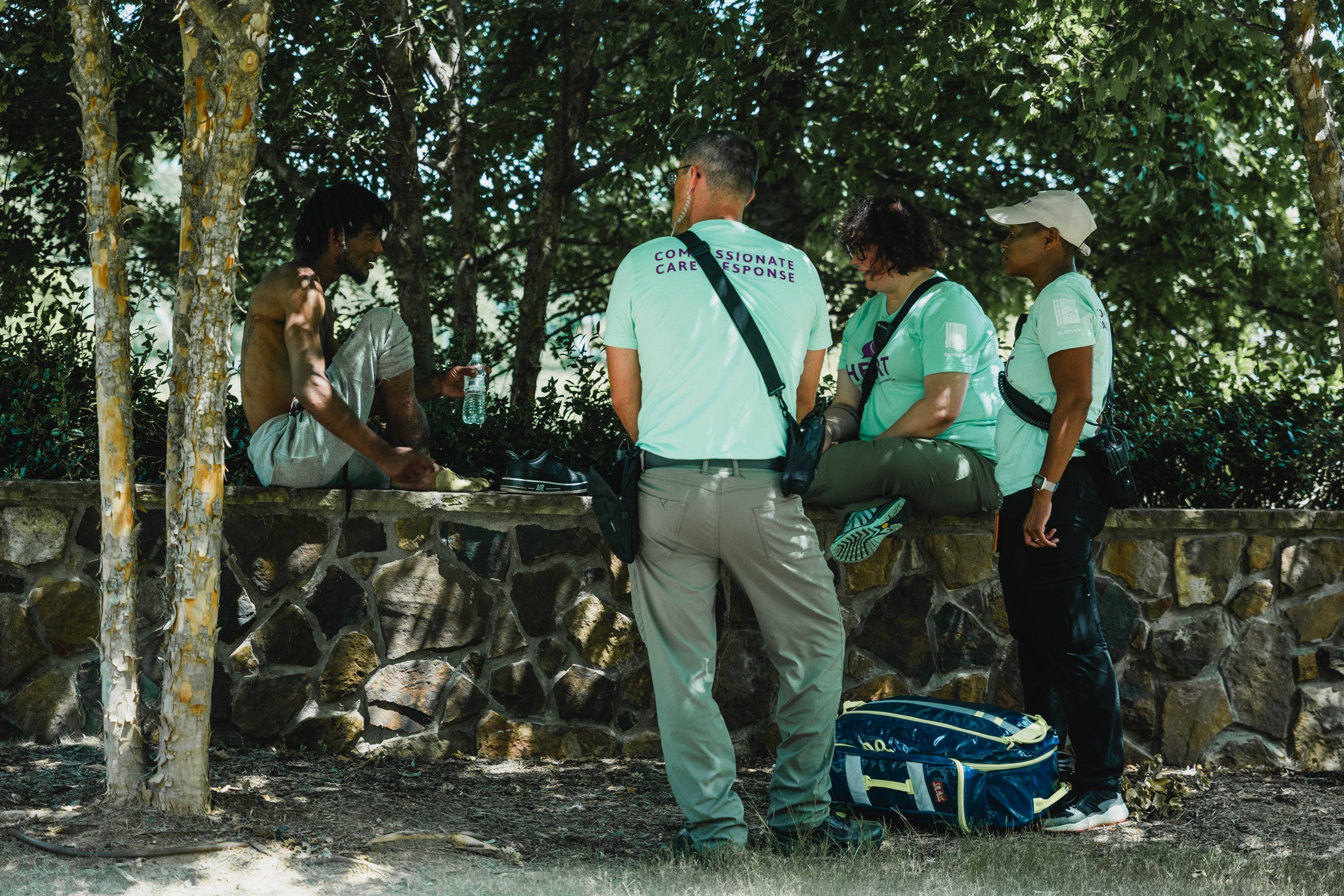
In the four years since George Floyd’s murder, many sweeping attempts to reform policing have faltered. But one proposal that has taken hold across the country, and continues to spread, is launching unarmed civilian first response units.
If Mental Health Responders – Not Police – Had Come to Marquis Rivera’s Home, Would He Be Alive Today?
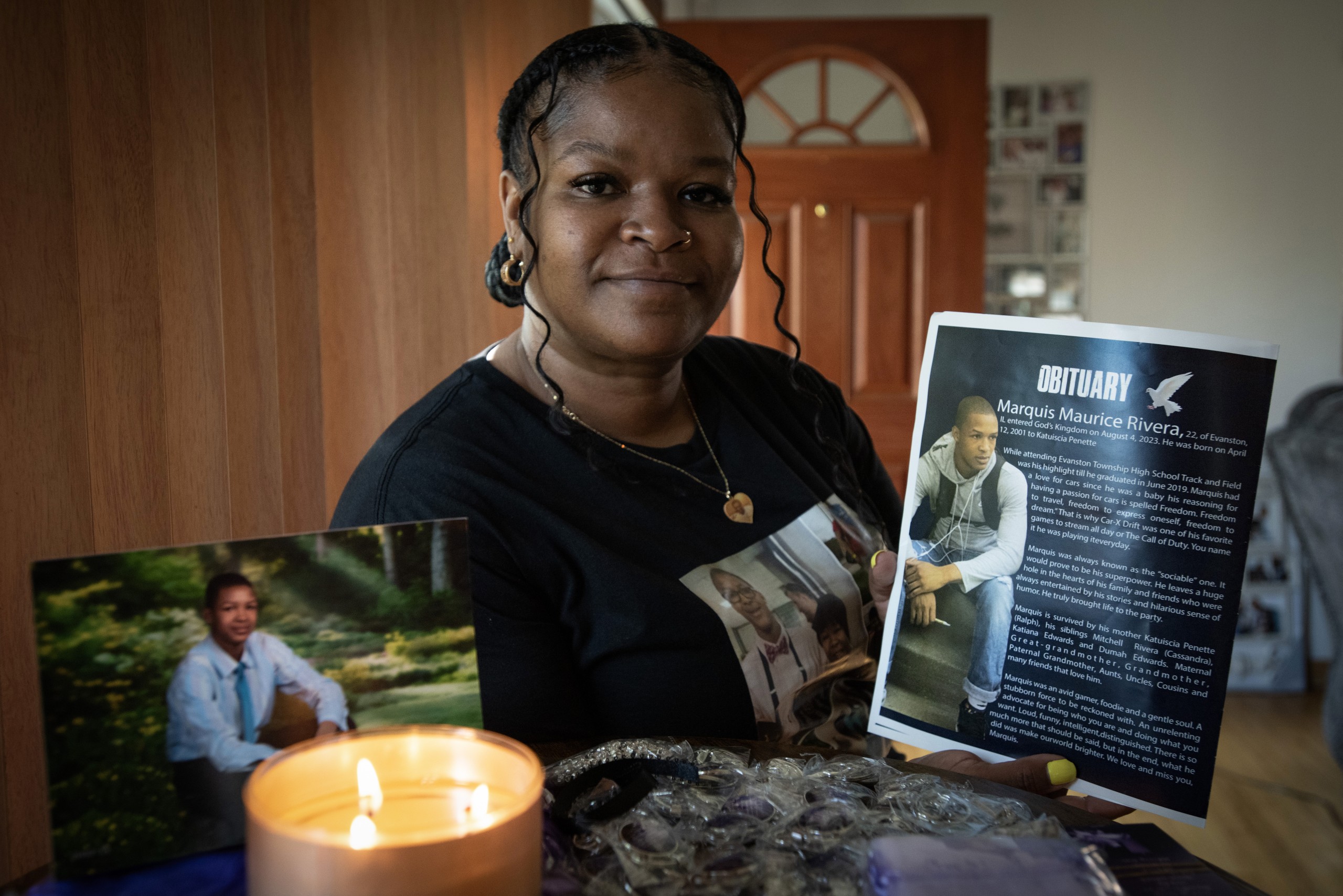
One year ago, a 22-year-old man who was feeling lost and suicidal in the aftermath of a break-up was killed by police. His father, a crisis mental health worker, still wonders: What would have happened had he gotten a different response?
Meet the New Generation of Unarmed Responders in this New Podcast Series
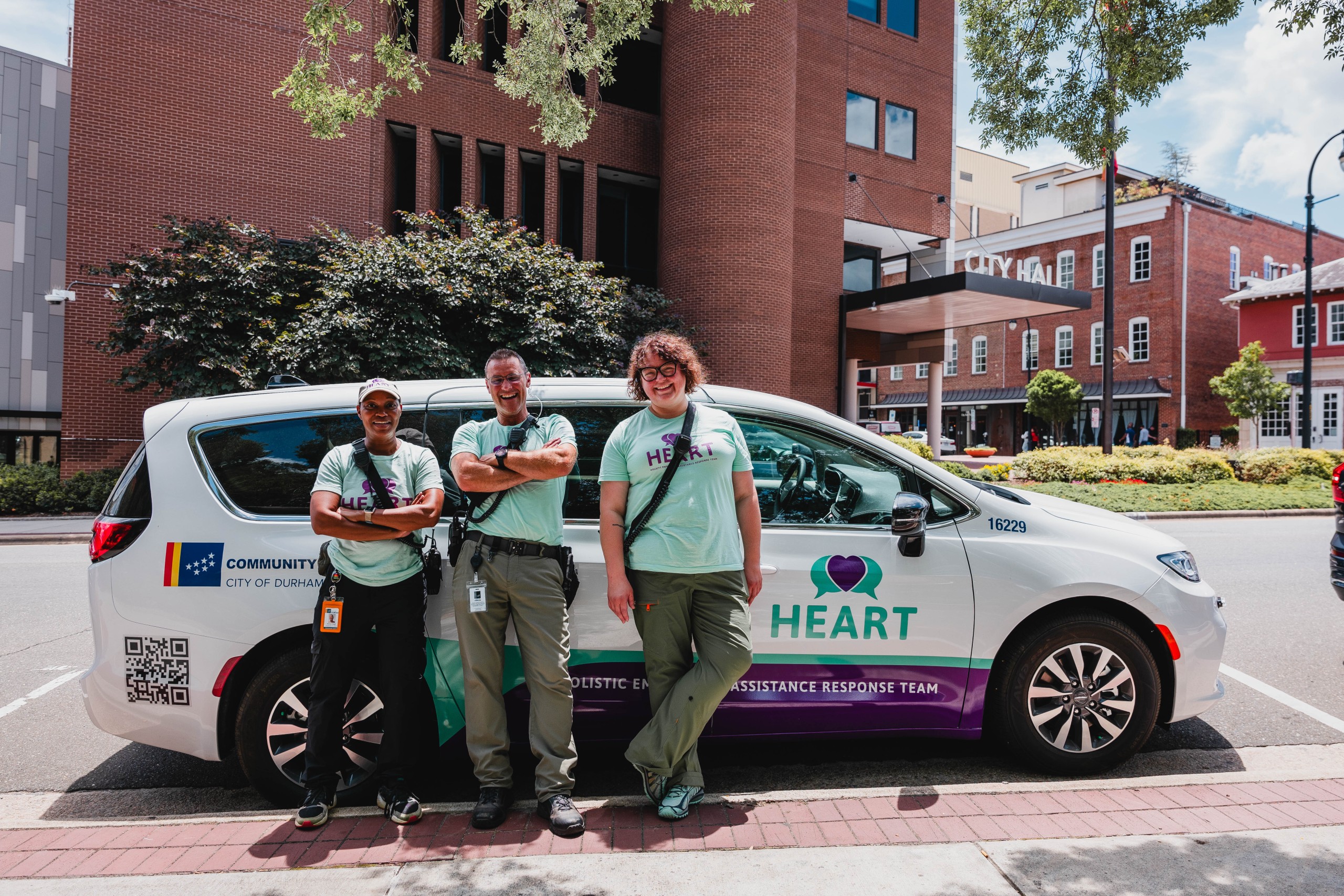
This three-part podcast looks at efforts across the country to deploy first response units that use unarmed civilians, instead of armed officers, to mental health emergencies.
If you’re not subscribed to MindSite News Daily, click here to sign up.
Support our mission to report on the workings and failings of the
mental health system in America and create a sense of national urgency to transform it.
For more frequent updates, follow us on Facebook, Twitter and Instagram:

The name “MindSite News” is used with the express permission of Mindsight Institute, an educational organization offering online learning and in-person workshops in the field of mental health and wellbeing. MindSite News and Mindsight Institute are separate, unaffiliated entities that are aligned in making science accessible and promoting mental health globally.
Copyright © 2021 MindSite News, All rights reserved.
You are receiving this email because you signed up at our website. Thank you for reading MindSite News.
mindsitenews.org

The name “MindSite News” is used with the express permission of Mindsight Institute, an educational organization offering online learning and in-person workshops in the field of mental health and wellbeing. MindSite News and Mindsight Institute are separate, unaffiliated entities that are aligned in making science accessible and promoting mental health globally.


Author

Related Articles
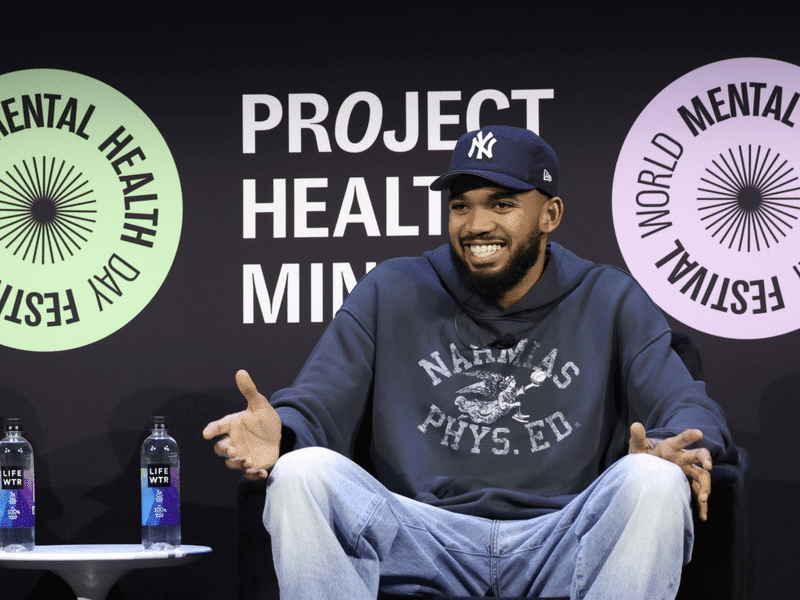
Star Athletes Open Up About Mental Health at Healthy Minds Festival
Athletes shape how Americans picture strength, which puts them in a unique position to show that male vulnerability belongs in that picture.
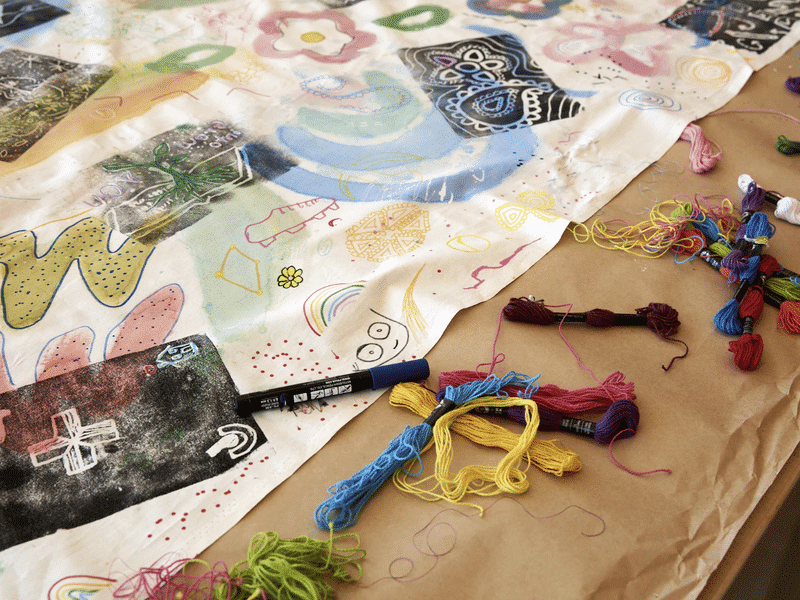
Nature Rx: A Prescription That May Save Your Life
A healthcare movement that “prescribes” time outdoors and in community to people struggling with their mental health.
Cornell Assault Prompts Parents to Talk With Their Sons
Sexual assault on campuses nationwide is still a grave problem.