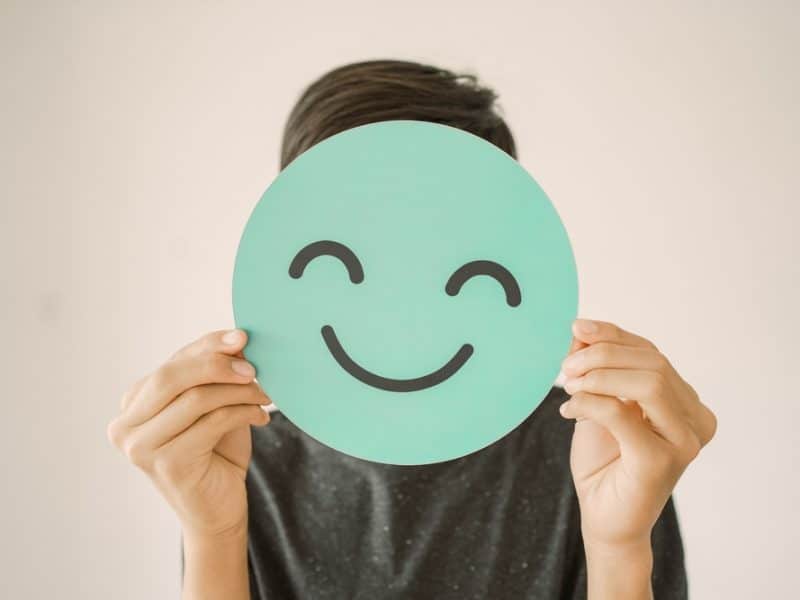
Does Measuring Happiness Make Anyone Happy?
The attempt to endlessly measure and quantify our levels of happiness may be making us miserable.

Monday, August 19, 2024
By Don Sapatkin

Good Monday Morning! In today’s tech-infused Daily: Are we happy yet? Could group therapy help solve the mental health workforce shortage? Will a new drug for schizophrenia, the first in decades, win FDA approval next month?
Plus: Therapy job postings increased 10% in a year. The return of the Taliban erased women from public life, creating a mental health crisis in Afghanistan. And more.
Your happiness: tracked, quantified and analyzed. Happier now?

Jessica Grose, whose bio says “I love doing surveys,” took 100 in about a month to find out what makes her happy – and to write an opinion piece for the New York Times. Her biggest takeaway was that much of her time was spent doing things she doesn’t really want to do, like folding laundry.
“Being reminded that most of my life is obligatory does not exactly spark joy,” she writes. One survey that required her to regularly measure her emotional levels with a tiny toggle that slides from “bad” to “good” made her anxious.
That toggle survey is just one example of what Grose describes as an increasingly crowded field of tools offering consumers the chance not just to contemplate their happiness “but also to measure it, track it, schedule it and optimize it.” The “happiness industry” (also a book title) now supports gazillions of apps, self-help books, online courses and websites.
Grose wants to know why we’re so drawn to all this happiness-boosting stuff. The answer, she finds, is that it ties together the decline in Americans’ mental health, which “leaves many people desperate to find relief,” and “the mania for the optimized self.” Yet there is pretty much zero evidence that happiness apps will make you happier, and several studies have found the opposite, to the extent of harming mental health. (Grose also cites research findings that expressing gratitude, performing random acts of kindness, exercising, and meditating also do little to move the happiness needle.)
The notion that one should be measurably happy emerged in the 20th century, intertwined with the company workplace. The iconic 1952 best-seller “The Power of Positive Thinking” – in which the Protestant minister Norman Vincent Peale instructs readers to “formulate and stamp indelibly on your mind a mental picture of yourself as succeeding” − was marketed to executives to give to their employees as a productivity booster. (I had no idea. My lefty parents, a social worker and a teacher in New York City’s public schools, took that book to heart; they even went to hear Rev. Peale preach at his Fifth Avenue church, taking the subway from South Brooklyn).
Over time, the focus on measurement expanded. One set of researchers announced a “critical positivity ratio.” Run your emotions through this algorithm and if you get a number greater than 2.9013, you’re “flourishing”; below that you’re “languishing.” The happiness industry grew into a commercial powerhouse, with millions of book sales inspiring TED talks and TikTok life coaches, forming the intellectual basis for all of today’s happiness tracking apps.
By the 2020s, Grose writes, happiness gurus were sounding like McKinsey consultants, connecting happiness with productivity and focus and using the language and metrics of workplace wellness initiatives (which research shows provide no real benefit to employees). They were not joyful.
Still, the apps, books, and measurement approach clearly appeals to many people. To get a better sense of why, Grose calls a young man named Kevin Sandler, who has tracked his mood every 15 minutes since 2018, four years before he graduated from college. Sandler later combined those measures with details on where he was and what he was doing to create a sort of emotional map. After spending more than an hour a day for six years on this project, his main takeaway is this: The biggest influence on his emotional well-being is being around other people. “The user experience of being alive cannot be graphed,” Grose concludes.
Could more group therapy improve access to care?
One solution to the growing shortage or mental health professionals at a time of rising demand for treatment is to shift resources towards a more efficient form of service – group therapy. Behavioral Health Business, a trade publication covering the mental health industry, took a look at the benefits. In the simplest terms, group therapy allows a single therapist to treat multiple clients at a time, achieving a client-to-provider ratio of 8-to-1 or even 12-to-1. Increasing group therapy by 10% would enable 3.5 million more people to get therapy, reduce the need for 34,000 new therapists and save $5.6 billion, according to a 2023 study cited by BHB.
Studies have found, perhaps counterintuitively, that, for many people, group therapy is effective and equivalent to one-on-one sessions with a therapist. There are other benefits, too: Group members support and validate each other – that was certainly my experience when I joined one decades ago after my father died. The social interactions of a group can also allow people to practice new coping skills. Plus, meeting in groups with peers who have similar lived experiences or demographic backgrounds can make it easier to share experiences or feel understood, a bonus for people of color or LGBTQ+ people.
Investors are clearly interested, spotting the potential for increased revenue, reduced costs and better margins, and they are pumping money into organizations offering group therapy. But group therapy may not be for everyone, and there can be downsides. A 2017 study looking at group therapy among inpatients of a psychiatric hospital found almost two-thirds experienced deterioration in their mood states and a third left the groups prematurely due to unwanted emotional reactions. And abusive people can be attracted to groups and create stress for other members.
There are also hurdles to broader use: Insurance reimbursement rates often disincentivize groups. If group members drop out or skip sessions, the leader may lose money. Therapists must write chart notes for each patient and contact them about attendance, and they often need additional training. And that can make therapists, who typically don’t have support staff, reluctant to start groups. Martyn Whittingham, an Ohio psychologist who has researched group work, encourages therapists and payers to make more room for group therapy as a way to improve mental health access and outcomes. “It is very clear to me that as a country, we are disincentivizing group therapy by incorrectly calculating its value,” he said. “A radical rethink is required.”
And the (drug) beat goes on …
Barely a week after the FDA rejected the first application for a psychedelic to treat a mental health condition, a changing of the guard is taking shape. Tiny Lykos Therapeutics had been in the pole position to bring the first psychedelic to market with its application for MDMA-assisted therapy to treat PTSD. No longer. Lykos announced Thursday that it would lay off 75% of its 100-person workforce.
Now the British biotech Compass Pathways is the frontrunner. It is in Phase 3 trials for the use of psilocybin (aka magic mushrooms), along with psychotherapy, for treatment-resistant depression. Observers note that Compass has in recent months been downplaying the therapy part as it watched FDA advisers and staff question the centrality of therapy in the Lykos application. While some doomsayers have predicted that an FDA rejection would discourage research and investment in psychedelics, another way of thinking is emerging: Interest in psychedelics is so high, and the need for new treatments so great, that the struggles of one company “might prove instructive, instead of discouraging, to its rivals,” as noted by Politico’s Prescription Pulse newsletter.
And then there’s KarXT. Bristol Myers Squibb has a more traditional mental health drug on tap – an antipsychotic, not a psychedelic – aimed initially at schizophrenia that is seen as a potential blockbuster. The FDA is scheduled to decide on KarXT by Sept. 26. If approved, it would be the first new antipsychotic to treat schizophrenia in decades. Most antipsychotic drugs now on the market treat only so-called “positive” symptoms – things like hearing voices, delusions and paranoia – and they are linked to weight gain and involuntary tics.
KarXT (xanomeline-trospium), on the other hand, is expected to also treat “negative” symptoms – social withdrawal, lack of motivation. Interim data from a clinical trial showed that more than 75% of KarXT-treated patients experienced at least a 30% improvement in symptoms at 52 weeks of follow-up. Another drug in the same class is already waiting in the wings. Terran Biosciences hopes to develop a once-daily pill and long-acting injection version of the same drug. (KarXT’s oral capsule must be taken twice daily.) “I would describe this moment as a mini-boomlet in drug discovery because it’s been quiet for a really long time in terms of novel treatments,” Ken Duckworth, chief medical officer for NAMI, the National Alliance on Mental Illness, told the Prescription Pulse newsletter.
In other news…
Therapy job postings are a rare growth area in a cooling job market, according to data from Indeed. They were up by nearly 10% for the year ending July 5, a sharp contrast with some other healthcare sectors like personal care and home health (-3%), nursing (-18%) and pharmacy (-24%). U.S. job postings overall declined 12.4%. More detail and interactive options are in the Indeed Job Postings Index (choose sector: Therapy). The bad news: wage growth for therapy postings was down 1.8% for the past six months (as it was for nearly all health care sectors). It was up 2.4% for the year.
“Taliban rule has erased women from public life, sparked mental health crisis” is about as direct a headline as you’re likely to see in UN News. The plight of women and girls has severely worsened since the 2021 return to power of the Taliban, according to a new UN report. “Three years’ worth of countless decrees, directives and statements targeting women and girls, stripping them of their fundamental rights and eviscerating their autonomy,” Alison Davidian, UN Women Country Representative in Afghanistan, said in a briefing for journalists. The report sums up the situation this way: “The current humanitarian, political, and social context in Afghanistan appears to have sparked an acute mental health crisis, particularly among women and girls, whose distressing situation has given rise to a sense of hopelessness, anxiety and despair.”
“I wish my parent would spend less time on their phone and other devices.” Teens in Calgary, Alberta, Canada who had higher levels of agreement with that statement also had higher levels of anxiety, a Canadian study found. They also tended to agree with another, similar statement: “I get frustrated with my parent for being on their phone or other devices when we’re spending time together.” The findings, in JAMA Network Open, came from a study involving 1,303 children aged 9 to 11 in Calgary, Alberta. Researchers said the process may go in two directions: Parents of anxious kids may use their devices more to seek answers or support and the technology-related interruptions may also fuel young adolescents’ inattention and hyperactivity.
Use of tablet devices by children 3-1/2 years old was associated with more expressions of anger and frustration by age 4-1/2, which in turn was linked to increased use of tablets by age 5-1/2, according to the findings of a prospective study involving 315 parents of preschool-aged children from Nova Scotia in JAMA Pediatrics.
Food for thought.
If you or someone you know is in crisis or experiencing suicidal thoughts, call or text 988 to reach the 988 Suicide & Crisis Lifeline and connect in English or Spanish. If you’re a veteran press 1. If you’re deaf or hard of hearing dial 711, then 988. Services are free and available 24/7.
Recent MindSite News Stories
The Connection Cure: Exploring the Physical and Mental Health Benefits of Movement, Nature, Art, Service and Belonging

More physicians are doing“social prescribing” to help their patients reap the physical and mental health gains from art and nature therapy, movement, volunteering and community ties.
Sending Unarmed Responders Instead of Police: What We’ve Learned

In the four years since George Floyd’s murder, many sweeping attempts to reform policing have faltered. But one proposal that has taken hold across the country, and continues to spread, is launching alternative first response units that send unarmed civilians to the scene of people in crisis.
If Mental Health Responders – Not Police – Had Come to Marquis Rivera’s Home, Would He Be Alive Today?
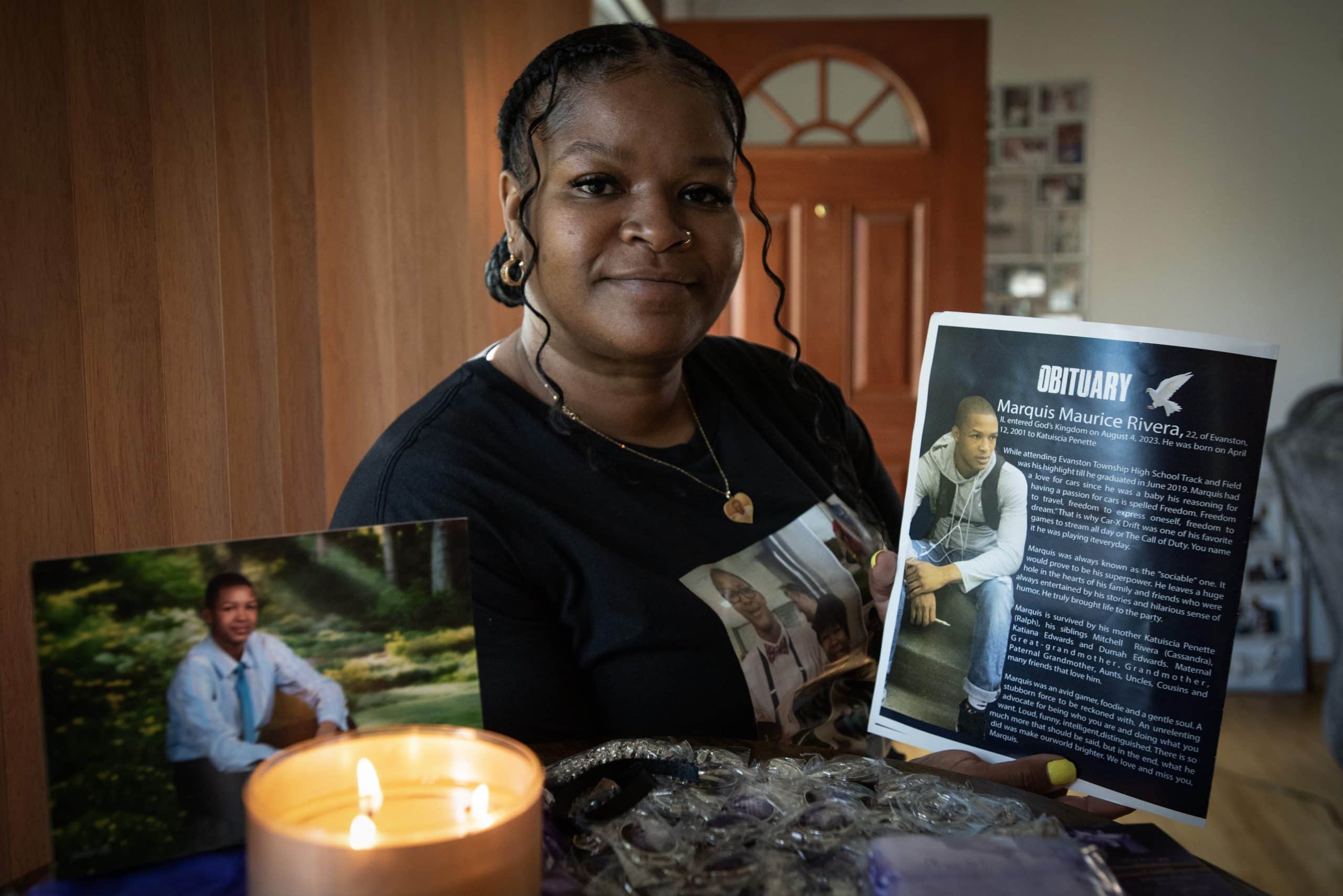
One year ago, a 22-year-old man who was feeling lost and suicidal in the aftermath of a break-up was killed by police. His father, a crisis mental health worker, still wonders: What would have happened had he gotten a different kind of response?
If you’re not subscribed to MindSite News Daily, click here to sign up.
Support our mission to report on the workings and failings of the
mental health system in America and create a sense of national urgency to transform it.
For more frequent updates, follow us on Facebook, Twitter and Instagram:

The name “MindSite News” is used with the express permission of Mindsight Institute, an educational organization offering online learning and in-person workshops in the field of mental health and wellbeing. MindSite News and Mindsight Institute are separate, unaffiliated entities that are aligned in making science accessible and promoting mental health globally.
Copyright © 2021 MindSite News, All rights reserved.
You are receiving this email because you signed up at our website. Thank you for reading MindSite News.
mindsitenews.org

The name “MindSite News” is used with the express permission of Mindsight Institute, an educational organization offering online learning and in-person workshops in the field of mental health and wellbeing. MindSite News and Mindsight Institute are separate, unaffiliated entities that are aligned in making science accessible and promoting mental health globally.


Author

Related Articles

In Teens, Social Anxiety Often Looks Like Anger
A study finds that some teens’ aggressive behavior may be due to social anxiety, not straightforward reactivity.
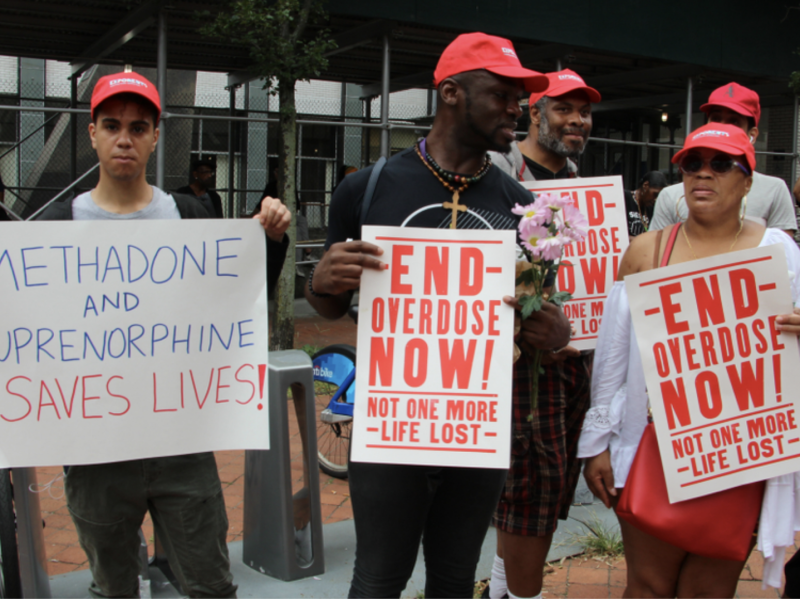
Expert Calls for Harm Reduction, Not Punishment, to Resolve Our Overdose Crisis
As the Trump administration pulls funding from harm reduction, an expert on the overdose crisis says it’s the best way to save lives.

The Trump Administration Continues to Fail Epstein’s Victims
The millions of Epstein files included thousands of mentions of Donald Trump as well as identifying information about Epstein’s victims.
