
A Grieving Family Still Awaits Justice
One year after Abnerd Joseph’s killing, his family wants to know: Why has the man who shot him not been charged?

Friday, August 29, 2024
By Josh McGhee
Happy Friday, MindSiters.
This month, we update the story of a family pursuing justice in the killing of Abnerd Joseph, a beloved educator in Chicago who was fatally shot in his own apartment building last September during a mental health crisis.
We’ll also look at a huge obstacle for those suffering from serious mental illness at the front door of the criminal legal system – what experts have dubbed the “competency crisis.” Finally, we’ll look at how police are obscuring the number of traffic stops occurring in Chicago, where months earlier a man was fatally shot by police after allegedly being stopped for a seatbelt violation.
Quick note: Monday is Labor Day so we’ll be taking the day off to enjoy friends and family.
Let’s get into it…
A grieving family still waiting for justice
Back in June, we dove into the tragic death of Abnerd Joseph, the popular dreadlocked, R&B-singing assistant principal at a charter high school in downtown Chicago, who was shot to death by a neighbor during a mental health crisis in his condo building.
His consistency, empathy and positive attitude made him a hit with students and staff at Intrinsic High School, which serves nearly 700 mostly Black and brown students from all over the city.
“He’s the kind of guy where if he knew a kid needed something he would go off to Target, spend his own money on it on his lunch break,” Intrinsic’s principal Barry Rodgers told me. “A day before he passed away, I remember him telling kids ‘Hey, you get that grade up I’m going to buy you Chipotle. I’m going to take you to Chick-Fil-A.’ It was very much a vocation for him.”

Next month will mark the one year anniversary of Joseph’s fatal shooting on the 48th floor of the Legacy at Millennium Park. And this week, his family once again gathered for a press conference to ask questions about their brother’s death and demand answers about what happened that night.
“Why has the shooter not been charged in 347 days? And why does it seem like my brother’s life is being forgotten or held to a lesser standard than others,” Joseph’s sister Jeanna Kelley asked at the press conference. “Why can’t we get answers? Why can’t we get justice?”
So far, those questions have gone unanswered and their demands ignored.
Read more about their fight for justice here.
The competency crisis
People with serious mental illness often find themselves entering the criminal legal system for misdemeanor violations such as trespassing, vandalism or possession. But once they get arrested and pass into the system they’re often stuck.
If they’re seriously mentally ill or psychotic, their thought disturbance may have contributed to them committing a crime in the first place. And it can definitely interfere with their ability to participate in their own defense.
So one of the first obstacles they must clear is to get an evaluation and be found competent to stand trial. Sometimes they wait weeks for evaluations. Others wait months or even years.
If they’re found incompetent to stand trial, they need treatment to restore their mental competency, and may find themselves waiting months or years to get a spot at a state hospital. In the meantime, they languish in jails, which have few if any services to offer and where they’re at risk of mistreatment by staff members and other incarcerated people.
“This is happening everywhere,” said Lauren Kois, a forensic psychologist and researcher at the University of Virginia. “It’s worse in some places, but this issue is in every single state, every single jurisdiction. No one really knows how much it happens, like, how many people are even referred.”
Since 2019, Kois and her team of researchers have searched for an answer to that very question. In a new study, they found that at least 140,000 evaluations are ordered across the nation each year – more than 380 people each day.
MindSite News sat down with Kois to highlight the most important takeaways from the study.
The case of the nissing 20,000 traffic stops
In June, Chicago Police Department Superintendent Larry Snelling announced that traffic stops for the first half of the year were down 87% from the same period last year – a drastic improvement for a police tactic that’s come under increasing scrutiny. Critics say the stops perpetuate racial disparities – with Black drivers far more likely to be pulled over than white ones – and lead to tragedies like the fatal shooting of Dexter Reed in April.
The department data also showed that the gap between stops of Black and white drivers narrowed substantially.
But new reporting from Pascal Sabino at Bolts and Injustice Watch found the police department pulled over an additional 20,000 drivers per month and failed to report them, in violation of a 2003 law requiring them to document every traffic stop.
Making matters worse, officials knew they were undercounting stops. Internally, the department tracks traffic stops using police radio data rather than state-mandated forms filled out by officers that include data on race.
“It is quite concerning, especially if CPD is intentionally not recording traffic stops so they can claim they’re fixing the problem, when all they’re doing is hiding it behind an absence of data,” Alexandra Block, director of the Criminal Legal System & Policing Project at the ACLU of Illinois told Bolts.
The Bolts investigation comes months after plainclothes officers fired 96 bullets at Dexter Reed seconds after pulling him over for an alleged seatbelt violation. Neighbors described the hail of gunfire, which lasted 41 seconds, as traumatic. They recounted ducking behind cars and hiding in their garage or under their kitchen table during dinner.
“It sounded like they’d never stop shooting,” said Bruce Davis, a neighbor and an auto mechanic who was working on a car in his backyard when the shots rang out around 6 pm on March 21.
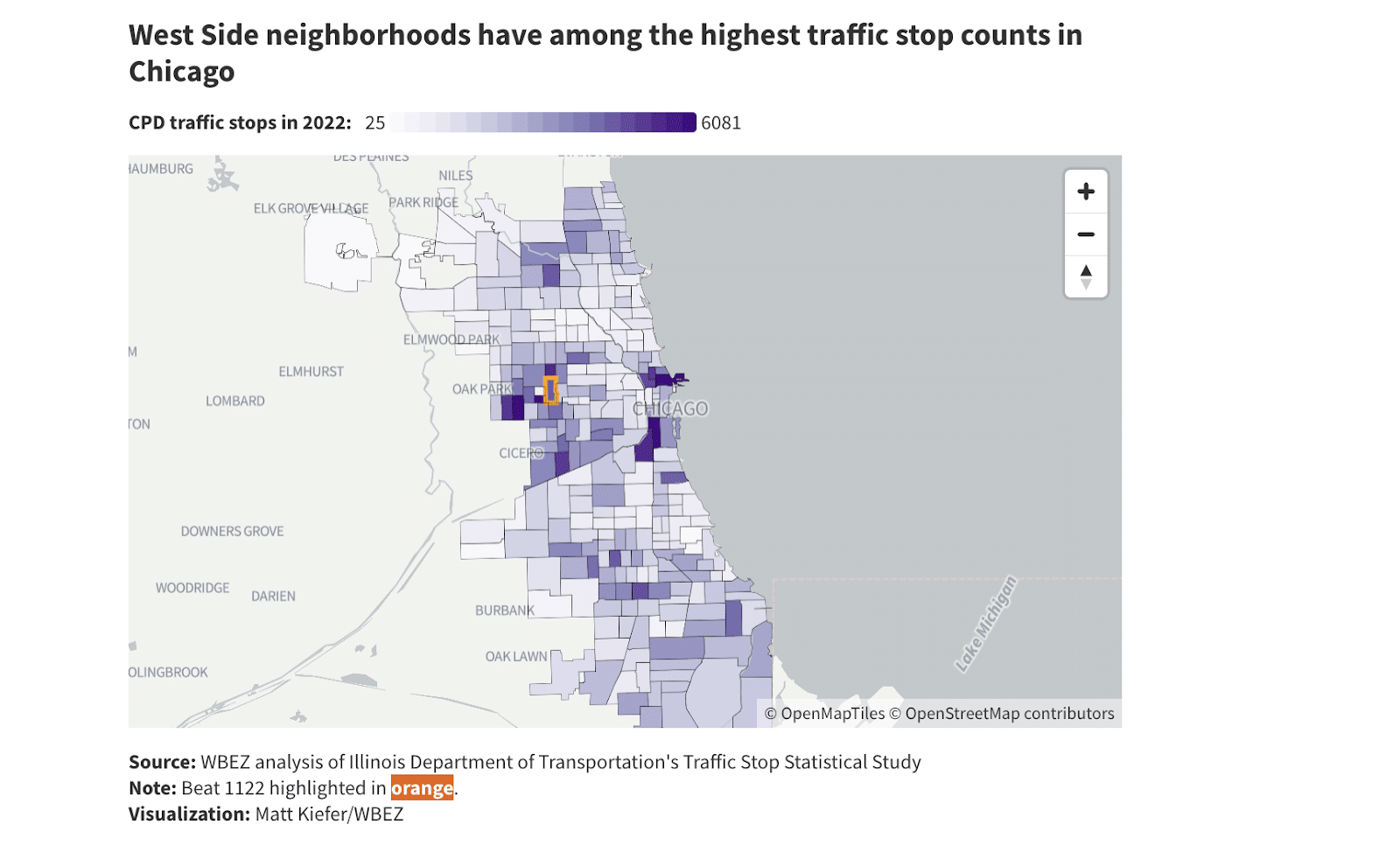
Thousands of police stops for minor traffic stops like seat belt violations occur every year in the police district where Reed’s killing occurred. While the stops trigger fear and anxiety, they almost never lead to citations, according to an analysis of police traffic stop data by WBEZ, MindSite News and the Investigative Project on Race and Equity.
Until next month,
Josh McGhee
If you or someone you know is in crisis or experiencing suicidal thoughts, call or text 988 to reach the 988 Suicide & Crisis Lifeline and connect in English or Spanish. If you’re a veteran press 1. If you’re deaf or hard of hearing dial 711, then 988. Services are free and available 24/7.
Recent MindSite News Stories
One Year Later: Family Demands Answers for Educator Shot to Death During Mental Health Crisis
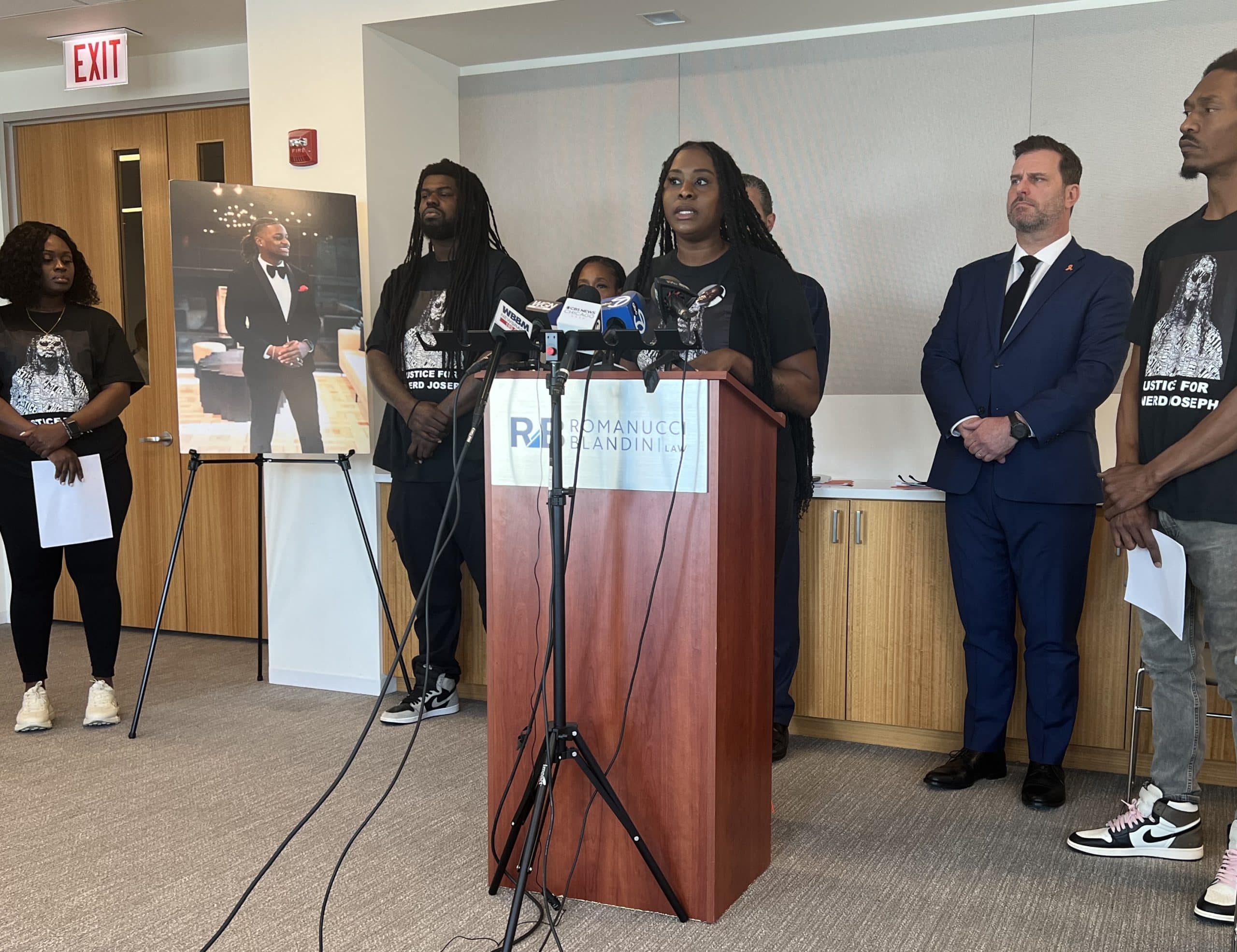
One year after being shot in his own building during a mental health crisis, the family of Abnerd Joseph still waits for answers: Why has the man who shot him not been charged? Continue reading…
American Madness: Fighting for Patients in a Broken Mental Health System
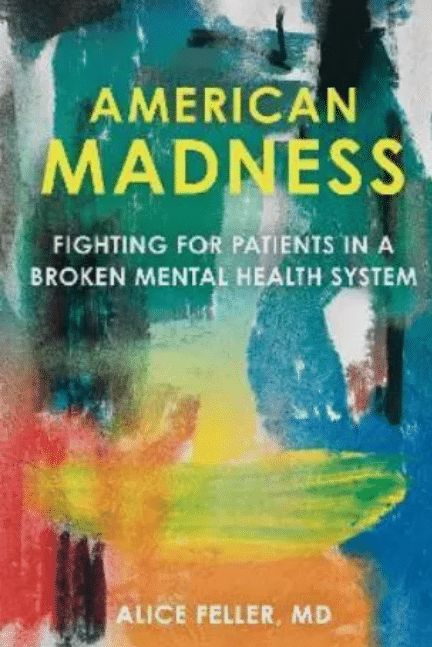
As a psychoanalyst, Alice Feller had a close-up view of the deterioration of mental health care in California. Her new book seeks to change that.
‘The Toughest, Most Rewarding Job I’ve Ever Had’ – Vivek Murthy on Parenting

U.S. Surgeon General Vivek Murthy, the father of two young children, turns the focus in his latest advisory to the stresses faced by parents. Continue reading…
If you’re not subscribed to MindSite News Daily, click here to sign up.
Support our mission to report on the workings and failings of the
mental health system in America and create a sense of national urgency to transform it.
For more frequent updates, follow us on Facebook, Twitter and Instagram:

The name “MindSite News” is used with the express permission of Mindsight Institute, an educational organization offering online learning and in-person workshops in the field of mental health and wellbeing. MindSite News and Mindsight Institute are separate, unaffiliated entities that are aligned in making science accessible and promoting mental health globally.
Copyright © 2021 MindSite News, All rights reserved.
You are receiving this email because you signed up at our website. Thank you for reading MindSite News.
mindsitenews.org

The name “MindSite News” is used with the express permission of Mindsight Institute, an educational organization offering online learning and in-person workshops in the field of mental health and wellbeing. MindSite News and Mindsight Institute are separate, unaffiliated entities that are aligned in making science accessible and promoting mental health globally.


Author

Related Articles
He Almost Killed His Father. Now He Helps Others At Risk.
In today’s newsletter, we explore how one man healed after a dangerous psychotic break that nearly led him to murder.
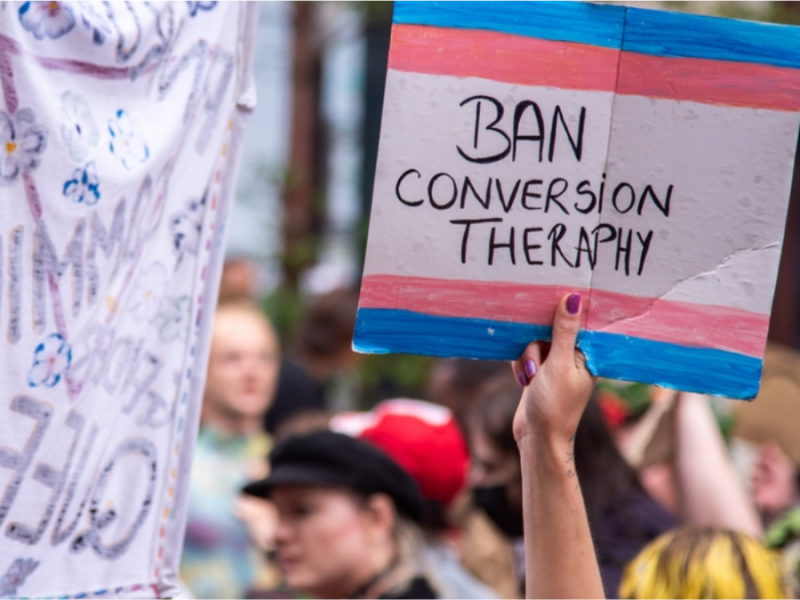
Fallout Over Supreme Court Ruling on Conversion Therapy
Despite the Supreme Court ruling, conversion therapists can still be sued for a practice the United Nations calls “torture.”

On No Kings Day, Millions Rallied to Denounce Trump and “Epstein War”
Anti-Trump protests took place in all 50 states, Puerto Rico and other US territories and in countries around the world.
