A Young Doctor’s Suicide Offers a Mental Health Warning
A young doctor’s suicide note says a lot about medical training. What you don’t know about marijuana could kill you. And a haunting poem offers a seed of hope for peace.


Tuesday, October 8, 2024
By Don Sapatkin
I’m coming to you today on a Tuesday as MindSite News experiments with a new schedule – and we ask YOU to participate in our first annual reader survey. That survey is now open so please take a few minutes to share your thoughts. Your feedback will help us learn how to serve you better – and means a lot to our team.
Now, on to today’s stories: A young physician’s suicide note says a lot about medical training. What you don’t know about marijuana could kill you, literally. A new movie starring Saoirse Ronan plumbs the ragged mind of woman teetering on the edge of sobriety. The fentanyl crisis explained visually. And more.
Plus: “A neurologist learned he had Alzheimer disease 8 years ago − here’s what he wants people to know,” and told the author of a perspective piece in JAMA.
And finally, yesterday was the one-year anniversary of the war between Israel and Hamas. We share a poem from one grieving mother, offered to her counterpart on the other side.
‘Imperfection is not allowed’: Will West suicide note shows the pressure on young doctors
I apologize that this is the best I can do for goodbye. Many of you deserve better but one can’t exactly talk much about this kind of thing in advance so a note will have to do.
So begins a “Hello All” letter sent by Dr. Will West, a third-year residentat George Washington University School of Medicine and Health Sciences in Washington D.C., to his younger brother David, a first-year medical student in Utah. He died by suicide at age 33 shortly after sending the letter. In it, he explained that no recent event played into his decision.
To those who will be negatively affected by my actions, I’m so sorry. I have simply run out of gas and have nothing left to give.
To those in a position of authority over residents, a simple reminder that we come to you seeking the possibility of a better life. Some of us with challenges you do not see or backgrounds of which you are not aware.
There is no way to know for sure what led to the Will West suicide. But here’s what is known, according to a powerful story in the Washington Post: Despite a growing acceptance of the benefits of mental health care, residency programs are strewn with barriers that keep doctors from seeking help. In addition to grueling 80-hour workweeks on modest salaries, many resident fear the repercussions of seeking help or disclosing mental health treatment.
Will had used mental health services in medical school in Utah but didn’t seek assistance at George Washington – even though he’d experienced depression for much of his life and had been diagnosed with ADHD. He feared it would torpedo a career he’d been working toward for years, David said.
“Imperfection is not allowed,” David said of his brother’s residency experience: “Weakness is not either. When it’s there, it’s treated with disdain instead of an opportunity for learning and growth.”
In a statement to the Post, George Washington administrators said they “recognized the culturally entrenched stigma that has long interfered with physicians’ willingness to seek help” and pledged that all first-year residents, starting this fall, will get an introductory appointment with the campus’s Resiliency & Well-Being Center.
Three months after West’s death, 75 residents, many wearing scrubs, finished shifts at George Washington University Hospital and walked to a courtyard to rally for a mental health stipend and better salaries and hours. Some held signs saying, “How many more residents have to die?”
Maryssa Miller, an internal medicine resident, said it crippled her mental health and that she called her mother crying at 5 a.m. every day on the way to work. Elsa Alaswad, a neurology resident, said she couldn’t obtain regular therapy appointments through the school, and it took nearly two years to find a provider.
West’s parents are pushing for change, as their son wanted. His letter continues:
I hope that an effort can be made to understand, support, and mentor the residents rather than simply to assess and drive them toward their highest potential as doctors.
To be clear, there are other people at real risk here at GW.
PhD students also face pressures that harm their mental health, according to a news story in Nature that described a study, not yet peer-reviewed, that followed 20,000 PhD students in Sweden between 2006 and 2017. The analysis found that the longer they continued their doctoral studies, the more they were prescribed psychiatric medications and hospitalized for mental health problems.
Marijuana use is growing fast. So are its harms.
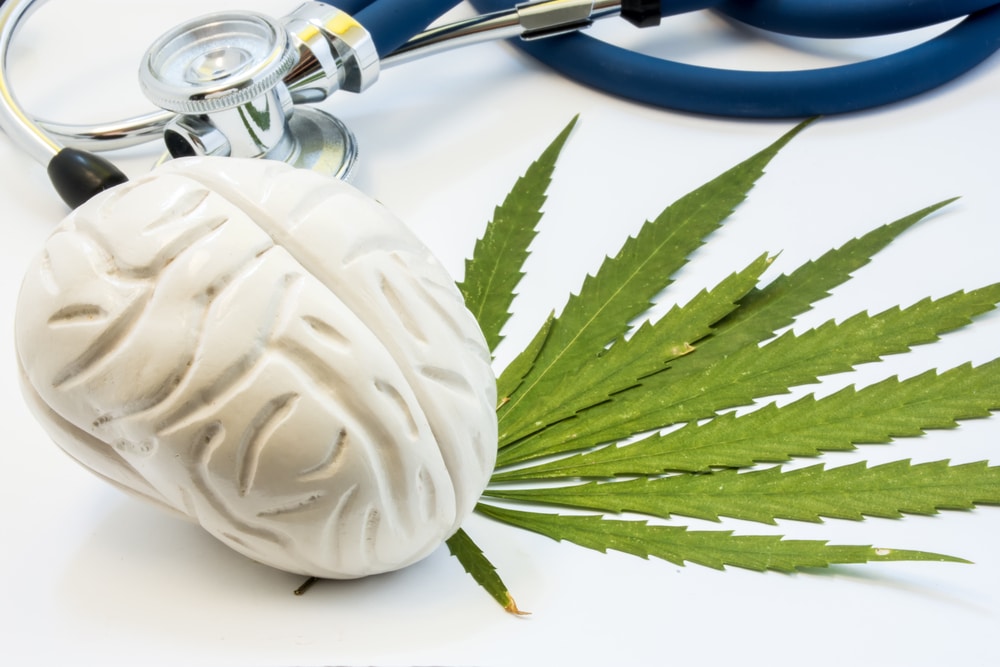
We think of marijuana as safe. Tens of millions of Americans use it for medical or recreational purposes, most of them without problems. But with more people consuming more potent cannabis, a growing number of chronic users are enduring serious health consequences.
For users – especially the estimated 4.5 million 18-to-25-year-olds who use it 20 days a month or more − the accumulating harm is broader and more severe than previously reported, according to an exhaustive New York Times article, which found that gaps in state regulations, limited public health messaging and federal restraints on research have left consumers, government officials and even medical providers in the dark.
Lawmakers and voters began legalizing medical marijuana state by state in the 1990s, moved by testimonials from AIDS and cancer patients who said it relieved suffering and from doctors describing therapeutic effects. At the time, smoked marijuana typically contained about 5% THC, the intoxicating component of the plant. The commercial industry that followed – now worth $33 billion − transformed marijuana. Companies turned out inconspicuous vape pens, fast-acting edibles and concentrates with as much as 99% THC.
With marijuana legal in 24 states and counting, psychiatrists are treating rising numbers of people whose use of the drug has brought on delusions, paranoia and other symptoms of psychosis. In emergency departments, doctors encounter patients with severe vomiting induced by the drug − a potentially devastating condition that once was rare but now is common. “Those patients look so sick,” said a physician in Ohio, who described them “writhing around in pain.”
Nearly a third of all users 18 and over –about 18 million people – have reported symptoms of cannabis use disorder, according to an analysis conducted for the Times by a Columbia University epidemiologist. Among users ages 18 to 25, 81% meet the diagnostic criteria for cannabis dependence (aka addiction).
Marijuana is known for soothing nausea. But for some users, it has the opposite effect. Jennifer Macaluso, a hairdresser, started taking it in her 40s when a doctor suggested it might help her migraines. It worked for a while. But eventually she was using the drug almost daily and experiencing nausea and vomiting so debilitating she had to stop working. Doctors misdiagnosed her condition and removed her gallbladder and breast implants. Some said her symptoms were due to menopause.
After searching online, Macaluso suspected she had cannabinoid hyperemesis syndrome (CHS), a condition caused by heavy cannabis use and marked by nausea, vomiting and pain that can lead to dehydration, seizures, kidney failure and cardiac arrest. It has caused at least eight deaths in the U.S.
Most states that have legalized marijuana don’t mention CHS on their public health websites. Some 600 people with CHS responded to a Times survey – many of them in a Facebook support group – and most said that colleagues, friends or relatives didn’t believe that marijuana had caused their problems. Many said they felt the medical system had failed them.
More people are turning to marijuana for anxiety, depression and other mental health issues and few know that it can cause temporary psychosis. Quitting can cause anxiety, depression and other signs of withdrawal. Many physicians and consumers say there’s an urgent need to balance easy access with better protection. People need to know,” said Macaluso, the hairdresser. “They’ve just got to be warned.”
In the Middle East, a grieving mother shares pain and hope with a mom on the other side
A personal note from MindSite News Founding Editor Rob Waters:
Yesterday marked the one-year anniversary of the attack by Hamas that killed more than 1100 Israelis and led to an Israeli response of bombing and attacks against Gaza that has killed more than 40,000 Palestinians and rendered some 1.9 million Gazans homeless. Last night, I went to a vigil to honor the lives and deaths of those who have lost their lives. Amidst the sadness and tears, a moving poem stood out.
It was written by Rachel Goldberg-Polin, the mother of 23-year-old Hersh Golberg-Polin, whose arm was blown off during the Hamas attack and who was taken hostage and held for more than 10 months before dying in captivity in Gaza in August. She first read it last December at a United Nations meeting in Geneva. In a time of violence and hatred, it is a cry for kindness.
One Tiny Seed
There is a lullaby that says your mother will cry a thousand tears before you grow to be a man.
I have cried a million tears in the last 67 days.
We all have.
And I know that way over there
there’s another woman
who looks just like me
because we are all so very similar
and she has also been crying.
All those tears, a sea of tears
they all taste the same.
Can we take them
gather them up,
remove the salt
and pour them over our desert of despair
and plant one tiny seed.
A seed wrapped in fear,
trauma, pain,
war and hope
and see what grows?
Could it be
that this woman
so very like me
that she and I could be sitting together in 50 years
laughing without teeth
because we have drunk so much sweet tea together
and now we are so very old
and our faces are creased
like worn-out brown paper bags.
And our sons
have their own grandchildren
and our sons have long lives
One of them without an arm
But who needs two arms anyway?
Is it all a dream?
A fantasy? A prophecy?
One tiny seed.
In other news…
From Rock Bottom to Recovery. “Saoirse Ronan gives another stunning performance in a story about an alcoholic in search of healing,” says a headline on New York Times critic Alissa Wilkinson’s review of the new film, The Outrun. It’s a tribute to Ronan, who, Wilkinson notes, chooses her projects carefully, often movies about complex women. In this one, she plays a 29-year-old recovering addict named Rona who is desperately hanging onto sobriety in a tiny island village off the northern coast of Scotland. It’s a recovery narrative: exhilaration, then rock bottom, then a slowly spiraling route toward healing, rife with setbacks and halting steps forward. Rona gradually realizes that salvation lies not in her dream of returning to London − where she had friends and a man she loved, and where her addiction turned into a full-blown alcoholic spiral that destroyed her life – but in an isolated and ascetic existence. “In solitude, she’ll be forced to face herself. But that means moving even further away from everything she’s ever known,” writes Wilkinson. Check out the trailer here.
Certified Community Behavioral Health Clinics still operate under the radar, perhaps due to their mouthful of a name – and abbreviation (CCBHCs). The first of these federally funded clinics opened in October 2016 to provide a broad range of outpatient mental health and substance use care, including crisis services, regardless of patients’ ability to pay. Eight years later, thanks to bipartisan support and major funding boosts passed by Congress during the Biden administration, more than 500 CCBHCs are operating in 46 states (check out this locator map from the National Council on Mental Wellbeing to find the one nearest to you).
Two new studies from researchers at NYU’s School of Global Public Health looked at the reach of the clinics and concluded that they are now available to people in about 40% of U.S. counties, according to an NYU news story. The clinics represent “the first significant shift in federal involvement in community behavioral health care since the 1980s,” said NYU assistant professor Amanda Mauri, lead author of two new articles about the centers in JAMA Health Forum and Psychiatric Services.
Fentanyl is unlike any drug we’ve dealt with before, according to a New York Times story by Maia Szalavitz, the opinion section’s fascinating addiction-explainer-in-chief. This op-ed is bolstered by extensive visuals and graphics that show how illicit fentanyl came on the scene suddenly and quickly dominated other substances. It pushed heroin, the No. 1 overdose killer nationally from around 2015 to 2019, down to tiny numbers today. (Interesting fact: rural West Virginia and other Appalachian regions were the center of the earliest prescription opioid wave of the crisis, which led to the establishment of new heroin markets in places facing job loss.) Other graphics illustrate changing patterns of deaths involving fentanyl and other drugs over time by region: Heroin was always big in the Northeast and the Midwest, while fatal overdoses related to stimulants like meth were higher in the South and West. And they show, year by year, how (and why) fentanyl spread across the country from East to West. The West was the last region to succumb to fentanyl, in 2020 and 2021, five years after it became the most successful hitman in the Northeast.
Meanwhile, the Drug Enforcement Administration issued a public safety alert about the growing number of illegal online pharmacies selling and shipping counterfeit pills made with fentanyl and methamphetamine to unsuspecting customers in the U.S. who believe they are purchasing real pharmaceutical drugs such as Oxycodone, Adderall, Xanax, and other medications from legitimate pharmacies. Many of the illegal sites look like regular pharmacies, the DEA said, so consumers should “exercise extreme caution when purchasing medications online.” The alert listed eight red flags to look for, along with nine fake pharmacies identified in a recent criminal investigation.
If you or someone you know is in crisis or experiencing suicidal thoughts, call or text 988 to reach the 988 Suicide & Crisis Lifeline and connect in English or Spanish. If you’re a veteran press 1. If you’re deaf or hard of hearing dial 711, then 988. Services are free and available 24/7.
Recent MindSite News Stories
Treatment Not Trauma: The Push to Transform Chicago’s Mental Health System Takes Some Big Steps
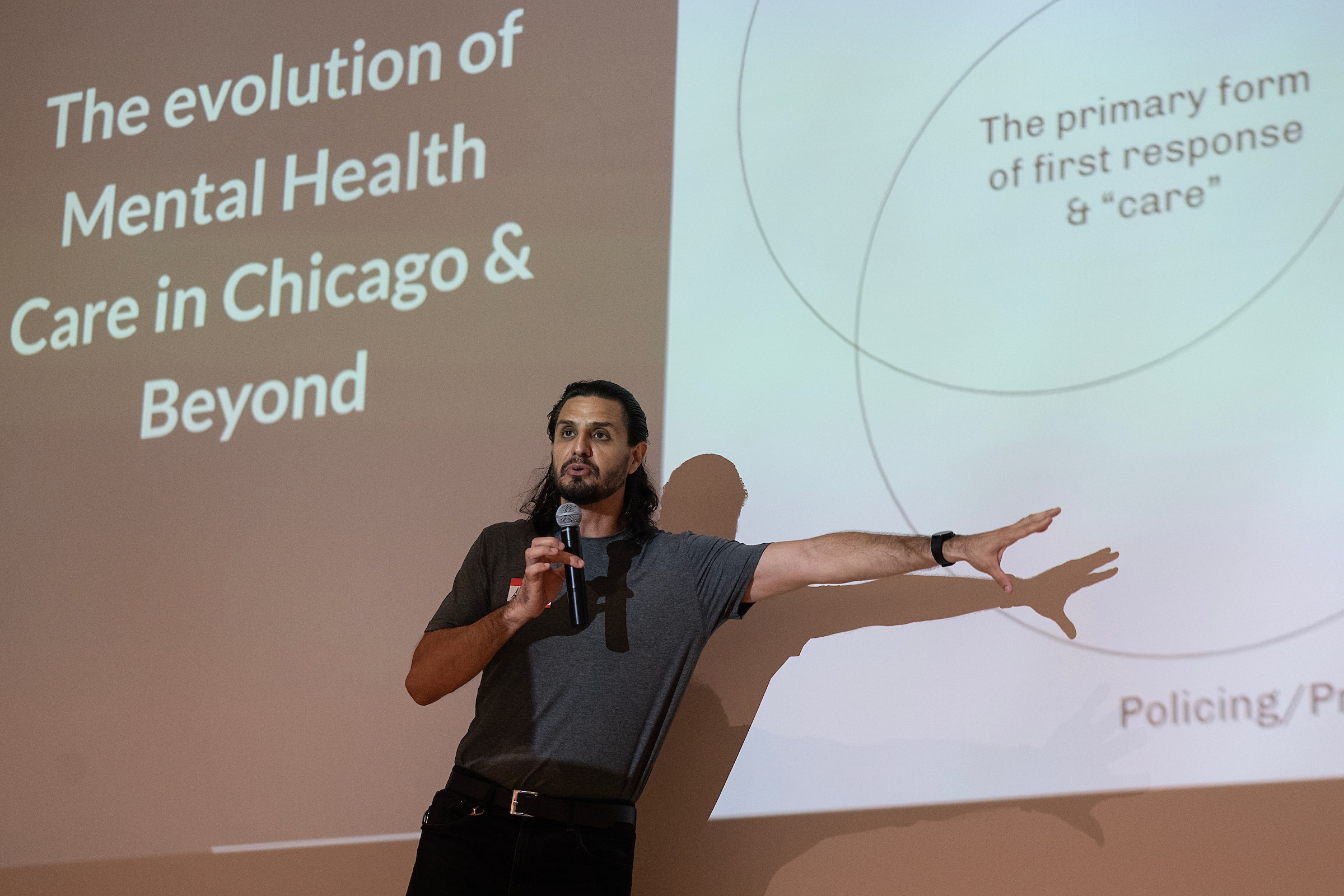
A coalition of community advocates and mental health professionals have been demanding change in Chicago’s mental health landscape for years. For the moment, at least, they’re taking a victory lap.
Docile: Memoirs of a Not-So-Perfect Asian Girl

Hyeseung Song tackles head on the expectations she faced growing up and the journey she had to make to find her self-worth.
New Report: Mental Health Philanthropy Inches Up, but Still Lags Far Behind the Need

Mental health giving is rising slowly, but it’s still a small percentage of overall giving.
If you’re not subscribed to MindSite News Daily, click here to sign up.
Support our mission to report on the workings and failings of the
mental health system in America and create a sense of national urgency to transform it.
For more frequent updates, follow us on Facebook, Twitter and Instagram:

The name “MindSite News” is used with the express permission of Mindsight Institute, an educational organization offering online learning and in-person workshops in the field of mental health and wellbeing. MindSite News and Mindsight Institute are separate, unaffiliated entities that are aligned in making science accessible and promoting mental health globally.
Copyright © 2021 MindSite News, All rights reserved.
You are receiving this email because you signed up at our website. Thank you for reading MindSite News.
mindsitenews.org
The name “MindSite News” is used with the express permission of Mindsight Institute, an educational organization offering online learning and in-person workshops in the field of mental health and wellbeing. MindSite News and Mindsight Institute are separate, unaffiliated entities that are aligned in making science accessible and promoting mental health globally.


Author

Related Articles

Why Is Georgia Blocking Recovery Homes for Substance Abuse?
Georgia towns are using zoning loopholes to shut recovery homes down, even as addiction and mental illness surge statewide.

Why Are Mothers Punished for Parenting?
Those of us who roamed freely as kids can be arrested for letting our kids do the same.