The Second Trump Era Begins
As the second presidency of Donald Trump begins, critical questions emerge about the effort to make insurers cover the mental health needs of Americans.

Tuesday, Jan. 21, 2025
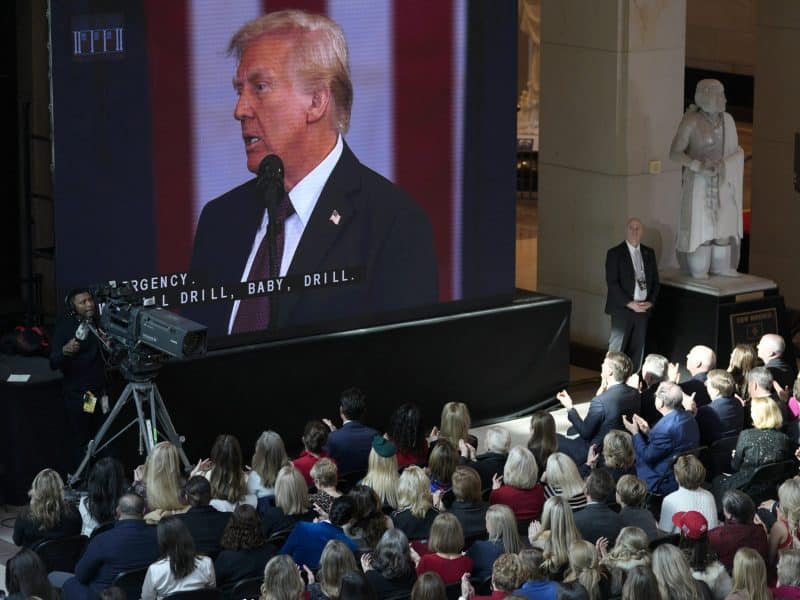
Editor’s note: Good Tuesday morning, the day after what can only be called a massive change in national direction. As the day unfolded, people around the country honored the legacy of Martin Luther King Jr. and either tuned in – or tried to tune out – the second inauguration of Donald J. Trump.
In his speech, Trump repeated unproven claims about people from “mental institutions that have illegally entered our country” and declared that he was “saved by God to make America great again.” After it, he began signing a slew of executive orders, among them withdrawing from the World Health Organization, terminating DEI programs, suspending the admission of refugees to the U.S. and an attempt to end birthright citizenship – even though it is enshrined in the 14th amendment of the Constitution. He also signed pardons for virtually everyone who invaded the Capitol four years ago in an effort to prevent the transfer of power. Now he has that power back, and is wielding it – just as he pledged to.
–Rob Waters, founding editor
Today’s News Digest

In today’s Daily, we’ll look at an area in which mental health advocates have devoted a great deal of energy – and where Trump’s plans are less clear: Parity in the coverage of mental health and addiction treatment insurance has been a bipartisan goal that has gained support in recent years. But many forces may now threaten continued progress.
Plus: How best to minimize trauma in the wake of L.A.’s catastrophic blazes. And a study finds that persistent exposure to wildfire smoke may raise the risk of dementia. But first, a little diversion: the New York Times has a news-you-can-use story – “The Joy − and Awkwardness − of Sober Sex” – for people trying to moderate their drinking.
The quest for mental health parity faces new headwinds
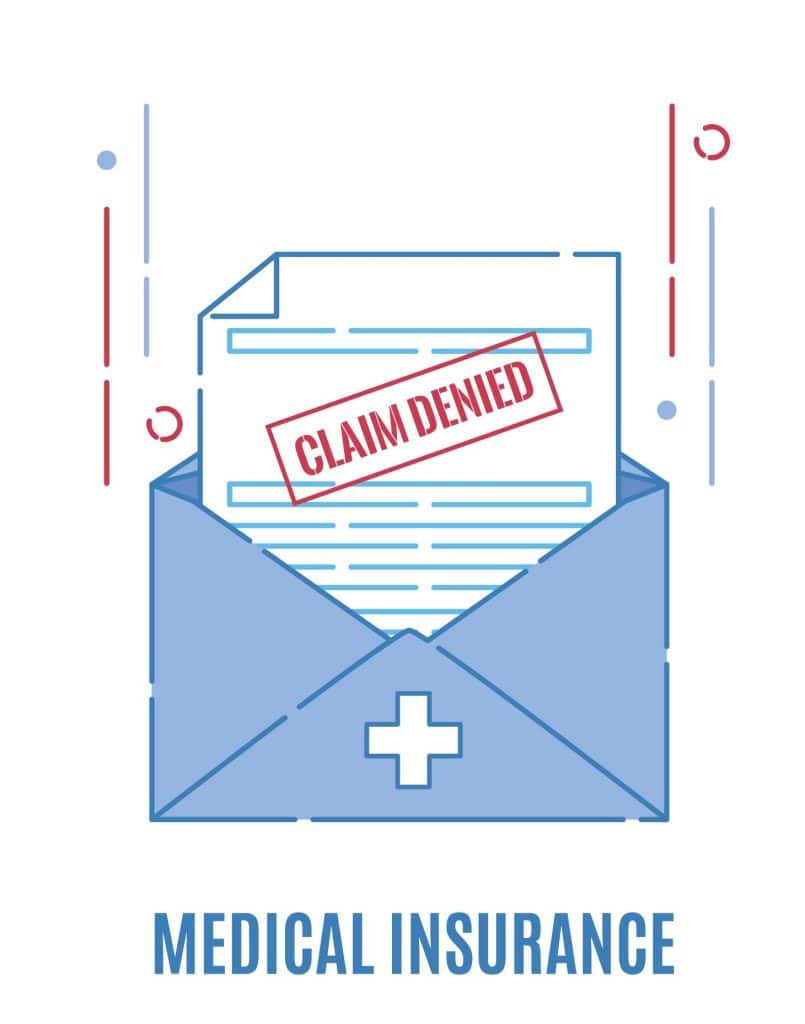
For more than a decade, federal law has required most health insurance plans to cover mental health and substance abuse treatment at the same level as medical and surgical treatment. Enforcement ramped up three years ago, thanks to additional legislation and a committed administration. But many hurdles lie ahead.
For more than a decade, federal law has required most health insurance plans to cover mental health and substance abuse treatment at the same level as medical and surgical treatment. Enforcement began in earnest three years ago, thanks to additional legislation and a committed administration. But there are hurdles ahead.
On Friday, there were two significant events. First, the outgoing Biden administration released a report to Congress laying out progress and challenges in enforcing the 2008 Mental Health Parity and Addiction Treatment Act. It made clear that, while there have been some notable successes, many if not most health plans audited so far have failed to meet the law’s requirements, that the enforcement process takes years, and that far more money will be needed to fund investigations.
Second, a lawsuit was filed by a powerful group of large companies, including behemoths such as PepsiCo and Comcast also on Friday, seeking to block new rules that the Biden administration issued in September to strengthen the parity law.
It’s unclear now the Trump administration will approach the law, and the funding needed to enforce it, although there are reasons to believe it will become a lower priority. And an increasingly conservative federal judiciary may also question further expansions of the law.
The report to Congress covered parity enforcement actions by the Departments of Labor and Health and Human Services, which together oversee about 2.7 million individual plans covering more than 136 million Americans, through July 2023. It noted some significant achievements. One example: Many health plans once denied coverage for nutritional counseling to people with eating disorders even though they provided it for diabetics. These exclusions were removed from 602 health plans covering 1.2 million participants. Exclusions for applied behavior analysis (ABA) – the only effective treatment for people on the autism spectrum – were also eliminated from plans that denied reimbursement for millions of participants.
But it also noted challenges. One example: Insurers were supposed to conduct specific analyses of their own practices to see if they were actually providing equitable coverage. But the report found that when investigators asked to see those analyses, 45 of 48 didn’t pass muster. Another: A plan claimed that providing one mental health provider of any kind – combining psychiatrists, therapists and providers of substance abuse services into a single category – for every 2,000 members was equivalent to providing one cardiologist for every 2,000 members; one nephrologist per 2,000 members, even though these are very specific kinds of specialists.
The report said that federal enforcement over the past few years has focused on repeatedly asking insurers to revise provisions and practices that don’t comply with the law rather than simply citing them for violations. Although hundreds of plans have been investigated, fewer than a dozen have been deemed noncompliant and received the maximum punishment allowed under the law: the shame of being required to inform all their members, in writing, that they failed to comply with the parity law.
The report also said that increased funding is urgently needed just to continue the current level of enforcement. But even existing funding may be at risk. Congress has been unable to pass a new budget, using continuing resolutions to extend last year’s funding levels. Supplemental funding for parity enforcement will end in September.
“The amount remaining in the fund is insufficient and its full depletion will likely have catastrophic effects” on enforcement of the parity law, the report said.
The federal lawsuit filed Friday by large self-insured companies seeks to block new Biden administration rules, arguing that they exceed federal agencies’ authority under the 2008 parity law and a related statute, the trade publication PlanSponsor reported. The expansion’s “ambiguous” requirements are “so burdensome and unworkable that they will discourage employers from offering” mental health and substance abuse benefits at all, according to the suit.
The new regulations clarify that employers offering health plans need to evaluate their provider networks, how much they pay out-of-network providers and how often they require – and deny – prior authorizations, each of which involves a time-consuming process. I explained some of the changes in detail in a story three months ago.
The trade association behind the suit – the Erisa Industry Committee, or ERIC – hopes that stopping enforcement now might give the new Trump administration room to revise or issue new regulations, Tom Christina, executive director of the ERIC Legal Center, told the Wall Street Journal. The center’s lead lawyer in the case is Eugene Scalia, who served as secretary of labor in the first Trump administration. The 100 or so companies it represents – Fortune 500 companies like ExxonMobil, Microsoft and Honeywell – are subject to the rules because they sponsor health insurance plans for their employees.
President Donald Trump’s views on parity enforcement are unknown, but the new administration is unlikely to pursue it as aggressively as Biden’s did, as Melanie Haiken wrote for MindSite News last month. The law has enjoyed bipartisan support, but Trump and Republicans in Congress have promised sweeping government funding cuts, and Trump’s advisers are overwhelmingly pro-business and anti-regulation.
Federal judges appointed by Trump during his first term have tilted the judiciary rightward, and he has said he intends to continue that trend in his second term. The Supreme Court’s landmark 6-3 decision in June – with all three of Trump’s appointees in the majority – overturned a doctrine that, for decades, had directed judges to defer to federal agencies’ interpretations of federal laws. It will weaken the authority of federal agencies, including those charged with enforcing the parity law.
Friday’s lawsuit seeking to block the Biden administration’s new parity rules relies heavily on that decision.
Advice for coping with wildfire trauma

The worst of the wildfires-turned-urban infernos that wiped out unconnected swaths of Los Angeles nearly two weeks ago are continuing to burn, albeit less intensely and with diminished ability to spread. As the initial shock begins to wear off, some of the longer-term mental health impacts are coming into focus.
Karestan Koenen, an expert in psychological trauma at the Harvard T.H. Chan School of Public Health, who investigated the mental health impacts of the 2018 Paradise fire, discussed what to expect, how to better cope with the trauma, and when to seek professional help in a Q&A published by the Harvard Gazette.
Many people heal on their own, even with pretty extreme trauma, Koenen said, but people without good support or with a history of mental disorders, depression, or physical health problems are among those who might be at higher risk. Children are vulnerable, but being able to attend school despite evacuations helps, she said, “because then they at least still have a normal school day.” Basic needs like food and a safe place are obviously critical, but rebuilding the community – beginning with places to gather together – is also important. “The loss of a community as well as individual homes was what made it even worse for people because they lost their way of connecting.”
Long-term exposure to wildfire smoke could put people at higher risk of dementia, study finds
Multiple previous studies have found that exposure to tiny pollutants in the air (specifically fine particulate matter, known as PM2.5) is associated with increased risk of dementia. The authors of a new study sought to determine whether PM2.5 specifically generated by wildfires, an increasingly common source, was any different. To do so, they analyzed the medical records of 1.2 million members of the Kaiser Permanente Southern California health plan aged 60 and older over a 13-year period, ending in 2019. Participants’ addresses were geocoded to match independent measures of non-wildfire- and wildfire-generated PM2.5.
The study, published in JAMA Neurology, found that a modest increase in three-year average exposure to PM2.5 from wildfires was associated with odds of new dementia diagnosis roughly 18 times greater than if the additional PM2.5 had come from other sources. Co-author Joan Casey said via email that her “back-of-the envelope” translation of what would cause this increased risk would be an Air Quality Index of 150 for 10 days a year in a three-year period or 300 for three days over three years. Los Angeles experienced three days over 300 in 2023 and six days in just the first nine months of 2024 – long before the last two weeks’ devastating wildfires.
“As the climate changes, interventions focused on reducing wildfire PM2.5 exposure may reduce dementia diagnoses and related inequities,” the authors concluded.
Casey told Salon that more research is needed to determine the precise relationship between wildlife exposure and dementia, and also to examine longer time frames. She suggested extending from the three-year periods looked at by this study to something like a 20-year span.
If you or someone you know is in crisis or experiencing suicidal thoughts, call or text 988 to reach the 988 Suicide & Crisis Lifeline and connect in English or Spanish. If you’re a veteran press 1. If you’re deaf or hard of hearing dial 711, then 988. Services are free and available 24/7.
Recent MindSite News Stories
Thousands of Callers Are Giving Up On Calls to Texas’ 988 Suicide Hotline
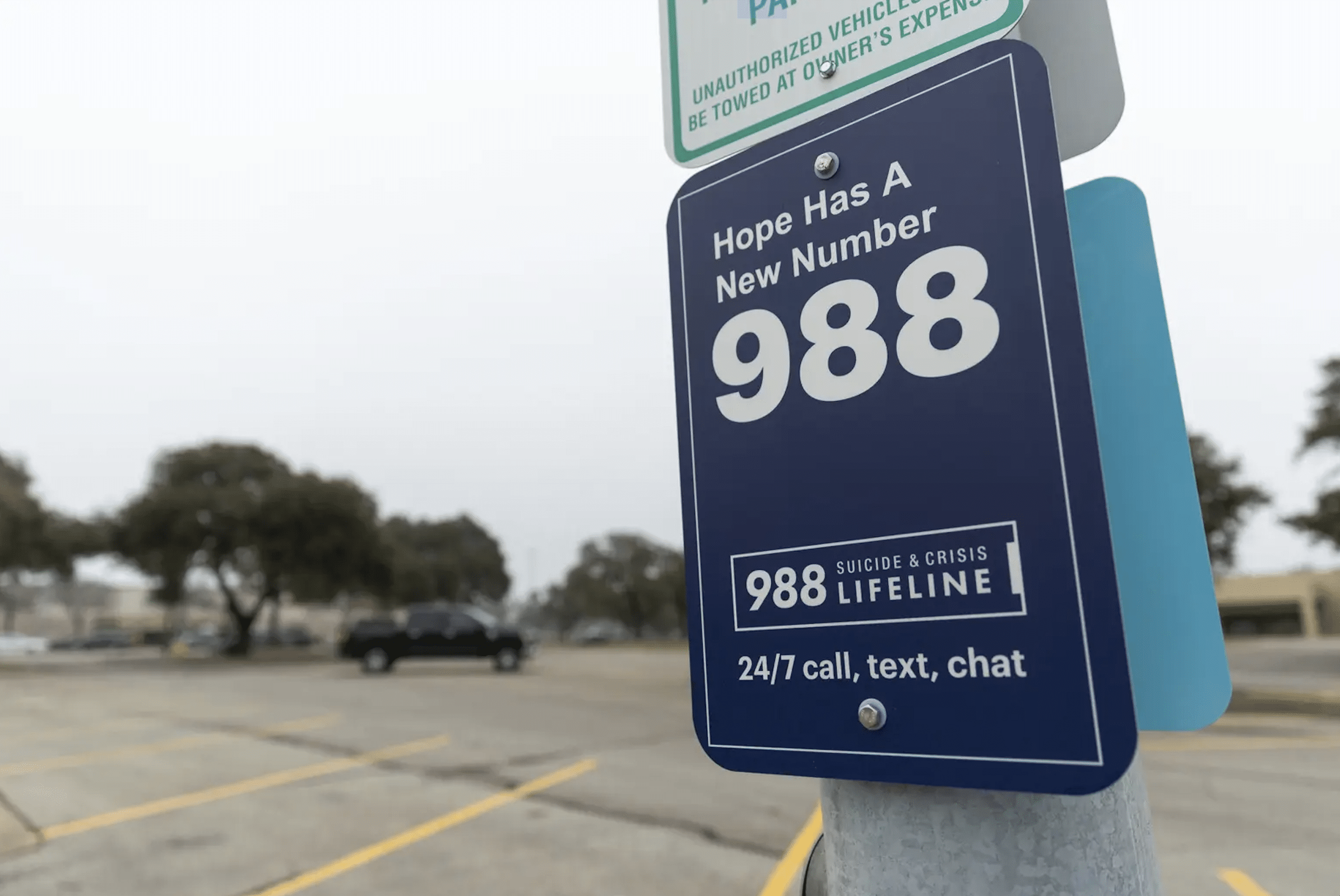
Thousands of Texans are abandoning the state’s suicide hotline mid-call as call centers struggle under a $7 million funding deficit and a growing suicide rate.
Long-Acting Injection Helps Heal ‘Beautiful Mind’ of Husband with Schizophrenia

A long-acting monthly injection and counseling have helped heal problems linked to a beloved husband’s schizophrenia..
Forgotten Children: The Unseen Victims of Gun Violence Are the Children Left Behind

Parental death has been rising in the U.S. due to COVID-19, the overdose epidemic and gun violence. In this first part of Forgotten Children, we look at efforts to help children grieving from the loss of parents to gun violence.
If you’re not subscribed to MindSite News Daily, click here to sign up.
Support our mission to report on the workings and failings of the
mental health system in America and create a sense of national urgency to transform it.
For more frequent updates, follow us on Facebook, Twitter and Instagram:

The name “MindSite News” is used with the express permission of Mindsight Institute, an educational organization offering online learning and in-person workshops in the field of mental health and wellbeing. MindSite News and Mindsight Institute are separate, unaffiliated entities that are aligned in making science accessible and promoting mental health globally.
Copyright © 2021 MindSite News, All rights reserved.
You are receiving this email because you signed up at our website. Thank you for reading MindSite News.
mindsitenews.org

Mental health can't wait.
America is in a mental health crisis — but too often, the media overlooks this urgent issue. MindSite News is different. We’re the only national newsroom dedicated exclusively to mental health journalism, exposing systemic failures and spotlighting lifesaving solutions. And as a nonprofit, we depend on reader support to stay independent and focused on the truth.

It takes less than one minute to make a difference. No amount is too small.
The name “MindSite News” is used with the express permission of Mindsight Institute, an educational organization offering online learning and in-person workshops in the field of mental health and wellbeing. MindSite News and Mindsight Institute are separate, unaffiliated entities that are aligned in making science accessible and promoting mental health globally.


Author

Related Articles

When Does Love Become Dysfunctional?
Experts are debating love addiction signs and causes that lead to obsessive love seeking and destructive relationship patterns.


‘Brain Rot’ From Social Media May Be More Than Slang
Researchers are looking at the impact of overconsuming short-form videos like TikToks and Instagram reels.
