
New York State of Mind: Solitary Confinement and Involuntary Treatment
Report finds racial disparities in New York law allowing mandatory mental health treatment. Survivors of solitary confinement call for change. And more.
Monday, March 31, 2025
By Josh McGhee
Welcome Back MindSiters,
This month, we’ll take a look at how mental health concerns are playing out in both the criminal and legal system in New York. First up: a new report finds racial disparities in the implementation of Kendra’s Law, which allows mandatory mental health treatment.
We’ll also introduce a deeply reported two-part essay on the unique mental health concerns of survivors of solitary confinement and what life after lockup looks like.
Finally, we’ll look at how a wildcat strike by state correctional officers led to suspension of a law meant to limit the use of solitary confinement.
Let’s get into it…
Report points out racial disparities in New York’s involuntary treatment law
As New York Governor Kathy Hochul rolls out plans to expand a controversial program that allows courts to force people into outpatient treatment, a legal rights organization in New York is out with a report documenting major racial disparities in the application of the law that allows it.
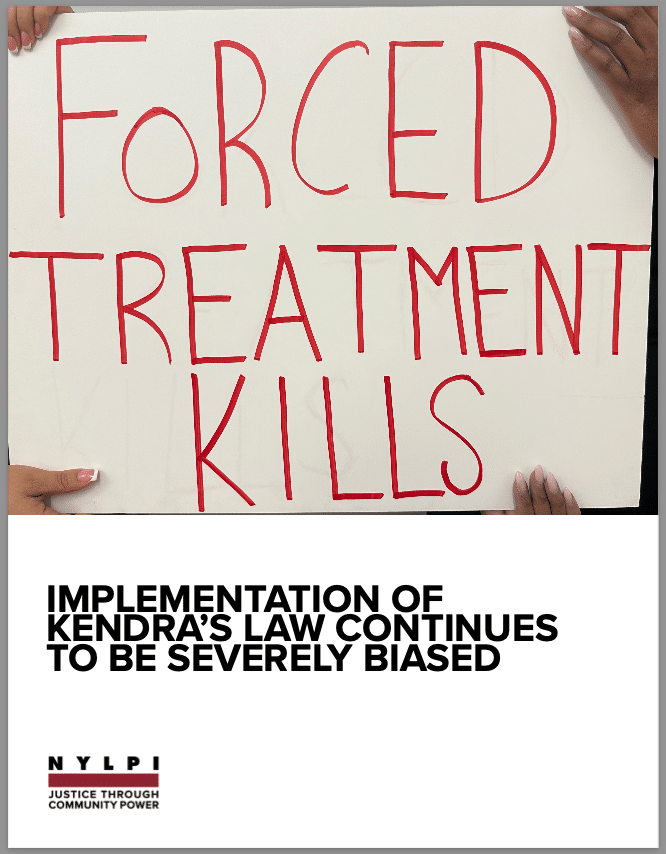
Data from the New York State Office of Mental Health shows that Black people are the subjects of 38% of current involuntary treatment orders, though they represent less than 18% of the population.
Hispanic people make up 26% of the orders, despite only making up 20% of the population. Whites are 54% of the population but account for just 31% of the population.
“There were times when I was researching and I wanted to cry,” said Sakeena Trice, a senior staff attorney for the New York Lawyers for Public Interest in their disability justice program. She spoke with MindSite News in an exclusive interview. “I find that a lot of laws or policies fall on the backs of Black people. It’s really tiring. It’s draining. And I want to do something about it.”
Click here to read the full Q & A with Trice about the recent report and what can be done to improve the law.
Surviving solitary: A devastating experience calls out for real mental health solutions
Natasha White was released after serving 15 years in New York State prisons – four of them in solitary confinement. She had no family. No home. And she was recovering from drug addiction.
“I was extremely excited because I was getting out of prison, but I was also very scared,” she said. “I was alone. I was confused.”
For more than four decades, mental health experts have reported on the severe psychological consequences of solitary confinement, which include anxiety, depression, anger, hallucinations, suicide, cognitive impairment, and diminished social functioning. Since 2015, the U.N. has regarded solitary confinement for more than 15 days to be a form of torture. Yet such prolonged isolation remains widespread in the U.S., where more than 122,000 people are held in solitary conditions in American prisons and jails.
Last March, MindSite News reported the story of Michael Johnson, a man with a history of mental illness who spent three years in solitary confinement and took a case protesting that treatment all the way to the Supreme Court.
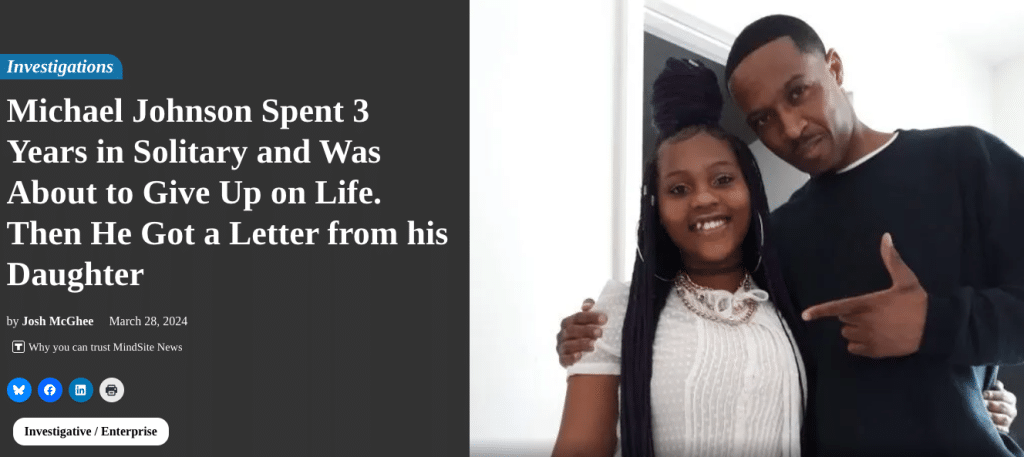
Johnson lost: The six conservative justices ruled, in essence, that repeatedly depriving him of the right to leave his cell and get exercise was not unconstitutionally “cruel and unusual.” But his effort helped raise awareness about the impact of isolation policies on the mental health of incarcerated people.
Now, in the first survey of its kind, 21 formerly incarcerated people who are members of the National Network of Solitary Survivors describe their needs and share their personal struggles for help. Six of them were interviewed by Sania Tildon, a social worker and advocate who works with Solitary Watch, a nonprofit watchdog organization that works to uncover the truth about solitary confinement and other harsh prison conditions in the United States.
The result is a two-part guest essay for MindSite News on the struggles that survivors of solitary confinement face as they try to heal from traumatic stress and isolation and get meaningful mental health services and supports after the cell doors have opened.
When she got out Natasha White found being around other people overwhelming. She would leave the shelter early and walk around the city. She’d arrive at work two hours early to work to avoid crowds at rush hour.
“The train and the bus frazzled the hell out of me,” she said. “It’s just too much going on.”
Read more about the difficulties survivors face and the solutions they’ve found here.
New York prison guard strike disrupts law limiting use of solitary confinement
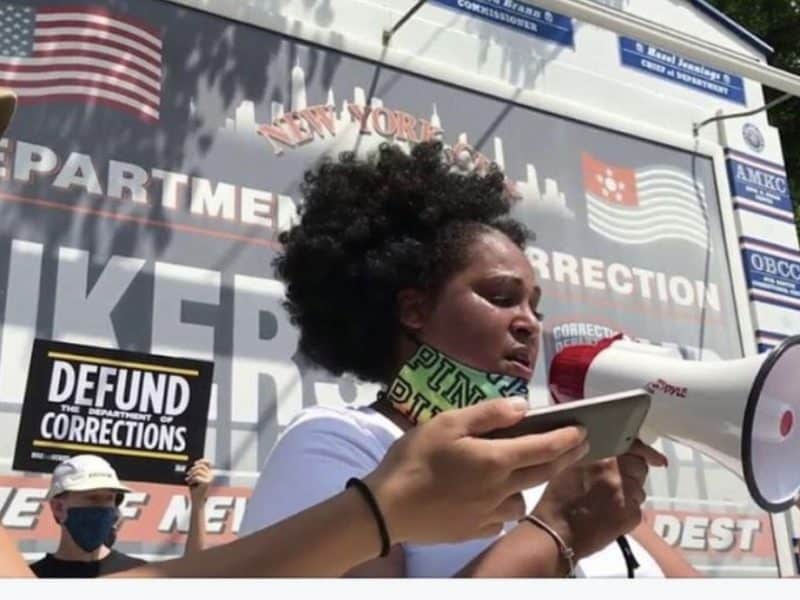
Earlier this month, New York fired more than 2,000 prison guards, ending a weeks-long wildcat strike that crippled the state’s correctional system. The agreement included a 90-day suspension of a landmark state law that limits the use of solitary confinement.
Hochul’s office provided no details about which portions of that law – the Humane Alternatives to Long-Term Solitary Confinement Act or HALT act – would be suspended, so disability rights advocates and attorneys are demanding answers. The act was signed into law in 2021 after years of organizing and lobbying by advocates working to reduce the use of isolation and the serious psychological damage that it causes.
“We need to know exactly what provisions they’re claiming they can suspend,” Katherine Haas, a staff attorney with the Legal Aid Society, told MindSite News. “It’s not clear that the law gives them that discretion.”
Suspending HALT was key to bringing guards back from the illegal walkout, which was not sanctioned by the union and violates state law barring strikes for most public employees, the AP reported.
Multiple inmates died during the strike, though it wasn’t clear the deaths were related to the strike. Onondaga County District Attorney William Fitzpatrick is investigating the March 1 death of Messiah Nantwi at Mid-State Correctional Facility. A court filing by the attorney general’s office said as many as nine officers caused or could be implicated in his death. Last month, six guards were charged in the death of Robert Brooks at the Marcy Correctional Facility.
Last year, legal advocates sued the state for violating the HALT Act by placing hundreds of people with disabilities including post-traumatic stress disorder, depression, cerebral palsy, epilepsy, speech and mobility disabilities in solitary cells for up to 24 hours per day.
The class action was filed by the Legal Aid Society, Disability Rights Advocates and Winston & Strawn LLP against the New York State Department of Corrections and Community Supervision and the Office of Mental Health.
Haas, from the Legal Aid Society, said correctional officials have resisted implementing the law since it was passed and tried to pick and choose which parts to follow.
“They’re claiming that the law actually doesn’t need to be enforced, that they don’t need to follow it and that they have the power to do the suspension,” she said. That’s “very troubling for the rule of law. If a legislature passes a law and the governor signs it, it’s supposed to be followed.”
Until next month,
Josh McGhee
If you or someone you know is in crisis or experiencing suicidal thoughts, call or text 988 to reach the 988 Suicide & Crisis Lifeline and connect in English or Spanish. If you’re a veteran press 1. If you’re deaf or hard of hearing dial 711, then 988. Services are free and available 24/7.
Recent MindSite News Stories
Report Blasts Racial Disparities in Forced Mental Health Treatment in New York
When someone is forced into treatment, it strips them of their autonomy, say critics of Kendra’s Law in New York.
Inside America’s Mental Health Agency: Mass Firings and Work Stoppages Impede Mission
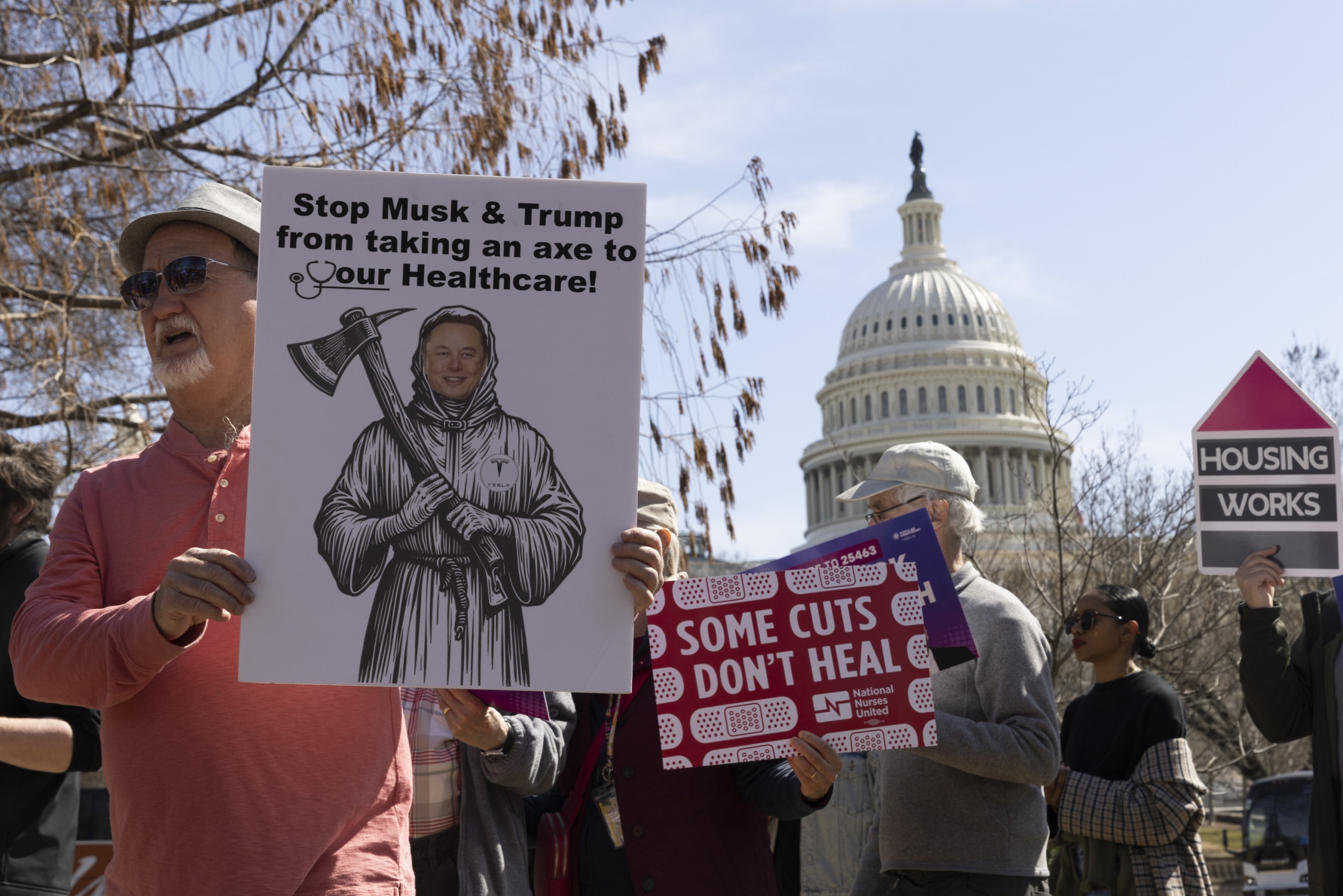
The agency tasked with leading the fight to ease the country’s mental health and addiction emergencies is going through an existential crisis. About 100 of its 900 workers have been fired and those that remain are frightened and demoralized.
Opioid Orphans: Grandparents Struggle to Raise Children Left Behind
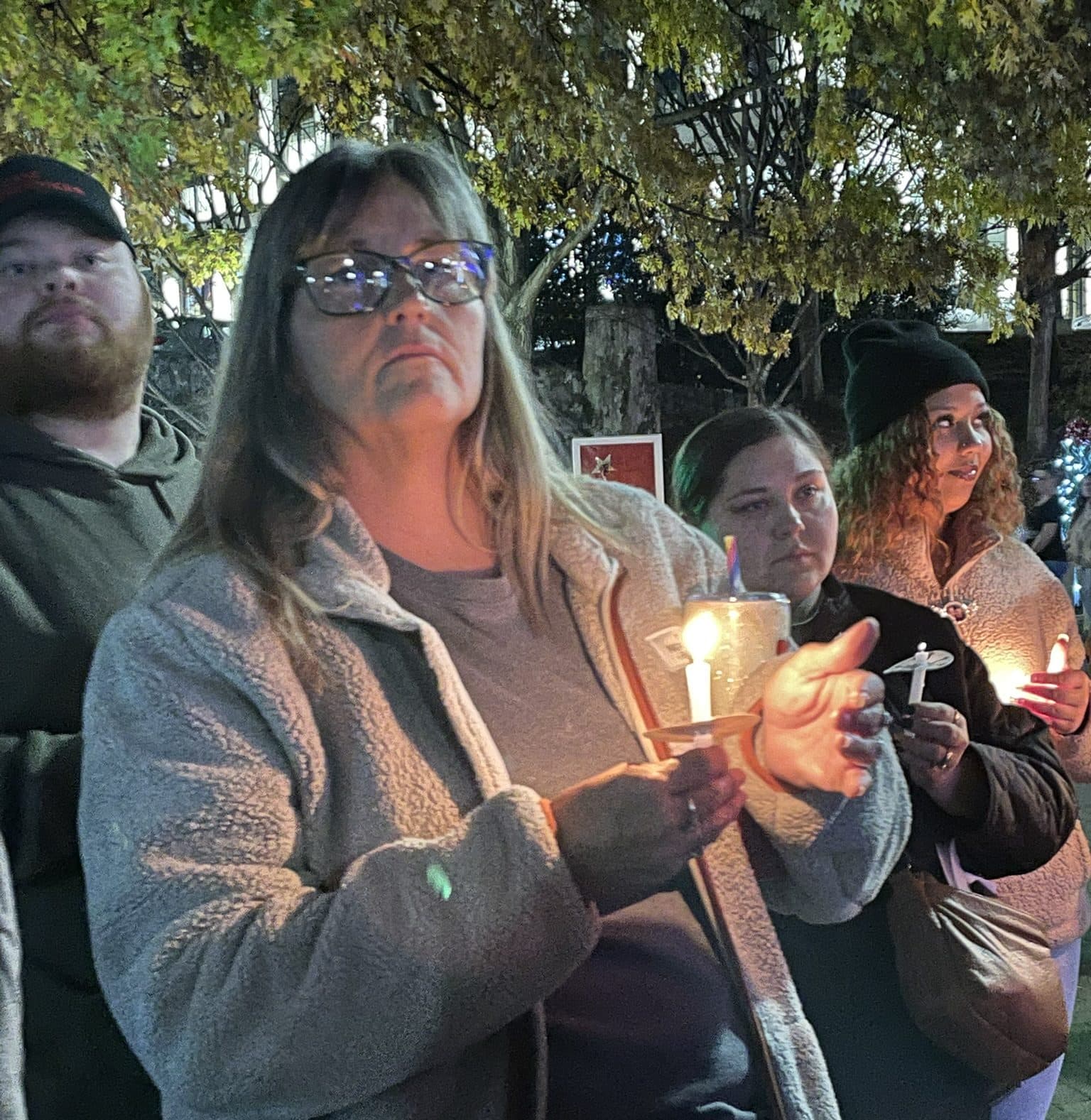
Despite billions set aside in settlement funds, very little goes to relatives raising bereaved children.
If you’re not subscribed to MindSite News Daily, click here to sign up.
Support our mission to report on the workings and failings of the
mental health system in America and create a sense of national urgency to transform it.
For more frequent updates, follow us on Facebook, Twitter and Instagram:

The name “MindSite News” is used with the express permission of Mindsight Institute, an educational organization offering online learning and in-person workshops in the field of mental health and wellbeing. MindSite News and Mindsight Institute are separate, unaffiliated entities that are aligned in making science accessible and promoting mental health globally.
Copyright © 2021 MindSite News, All rights reserved.
You are receiving this email because you signed up at our website. Thank you for reading MindSite News.
mindsitenews.org

The name “MindSite News” is used with the express permission of Mindsight Institute, an educational organization offering online learning and in-person workshops in the field of mental health and wellbeing. MindSite News and Mindsight Institute are separate, unaffiliated entities that are aligned in making science accessible and promoting mental health globally.


Author

Related Articles
Cornell Assault Prompts Parents to Talk With Their Sons
Sexual assault on campuses nationwide is still a grave problem.
The Unseen Toll: Depression, Anxiety Plague Black Women a Year After Being Fired by DOGE
When Trump cut DEI programs and allowed DOGE to gut the federal workforce, hundreds of thousands of Black women lost their jobs. Many are still reeling.
Exclusive: A Maternal Policy Expert Weighs in on Lindsay Clancy Mistrial
Policy expert Joy Burkhard discusses maternal mental health policy, postpartum psychosis misunderstandings, and new CA mental health parity laws.