Today we present a MindSite News story on alternative approaches to medications, based on the experiences of former foster youth and veteran therapists.
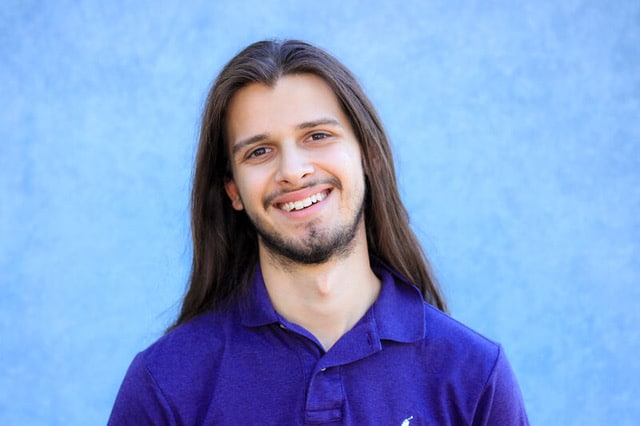
Kory Gonzales’s childhood and adolescence were defined by trauma, foster-care placements, loneliness – and a vast array of psychiatric medications. It wasn’t until he became a young adult that he took his first big steps toward healing through the supportive network of a San Diego nonprofit called Just in Time for Foster Youth.
His experience with adversity began early. Starting at age 3, Gonzales was physically and verbally abused by his father. He was diagnosed with ADHD (attention deficit hyperactivity disorder) at age 6 and PTSD (post-traumatic stress disorder) at age 7. That’s also when he started taking psychotropic medications – powerful prescription drugs for severe mental health diagnoses such as schizophrenia, bipolar disorder and psychosis. even though he wasn’t diagnosed with these conditions.
Kory Gonzales. Photo: Just in Time for Foster Youth
He was, however, diagnosed with other psychiatric illnesses including oppositional defiance disorder, unspecified depression and anxiety disorder. By the time he was in high school in Pittsburgh, his mother had kicked him out of the house, and he floundered through a series of difficult foster care placements. In his late teens he struggled with disordered eating and battled suicidal thoughts. He survived two overdose attempts. Throughout his youth, the psych meds just kept on coming, prescribed by doctors to treat his mental health conditions.
“They had me taking 16 pills in one day” at one point, Gonzalez said, rattling off a long list of psychiatric drugs by brand and generic names. “I just hated it.”
Starting in his freshman year in high school, Gonzales cycled through more than a dozen foster care placements, psychiatric hospitals, supervised independent living, even a homeless shelter during his junior year. He worked several minimum-wage jobs through it all.
Many of them made him feel like “a zombie,” he said. Clonidine, a powerful central nervous system depressant, made it almost impossible to get out of bed in the mornings. Topamax, an anti-seizure medication some doctors also use for anxiety disorders, left him what he called “Topamax tired.” He managed to find a workaround: “I was always really good at math,” he said, “so I would just sleep through all my math classes.”
The one thing the medications never did, Gonzales said, was take away the underlying pain of being mistreated and abandoned by his mom and dad. “I describe it as a void in my soul, since nothing seems to be able to replace the love and validation of your parents.”
He remembers thinking that he deserved the cruelty he was subjected to by his father. “I had been conditioned to think that it was normal,” he said. “I remember the abuse vividly and feeling confused as to why it was happening to me. That’s where a lot of my mental health issues stem from.”
The kind of treatment foster youth really need
Foster children are prescribed psychotropic medications far more often than other children in the U.S., severalstudies have shown. Lisa Cohen Bennett, a Berkeley, California-based psychologist who has worked with foster youth for almost five decades, views the drugs as essentially “chemical handcuffs” that are “disproportionately used to treat foster youth of color.”
The medications don’t get to the issues that often are at the root of children’s anguish and worrisome behaviors: fear, distrust, home or school environments that are toxic, stressful or poor fits, Bennett said. Most critically, they don’t address children’s broken hearts – what Bennett calls a “core wound” from actual and perceived abandonment.
Image: Shutterstock
Alternatives are out there. MindSite News spoke with several California therapists who use a range of approaches to support foster youth with long-term, consistent care. But all of them require more time, commitment and money than simply prescribing medications.
Bennett, who has written a recent book based on her life’s work, provides therapy via A Home Within, a nationwide network of therapists which, for 30 years, has offered free weekly sessions to current and former foster youth. She also trains professionals who interact with foster youth – including public health nurses, law enforcement, and therapists – on how to form what she calls a therapeutic alliance to help foster youth form healthy attachments and use positive coping tools.
Therapists who work with foster youth also have an ally in Petra Steinbuchel, a psychiatrist and director of the California Child & Adolescent Mental Health Access Portal, who has treated hundreds of foster youth. She said it is crucial to go beyond what she calls the “behavioral iceberg” to tease out underlying causes of a youth’s mental health challenges.
“It’s important to do that deeper dive, so that you can understand what’s driving them, and not just use a medication to treat behaviors,” she said.
Steinbuchel also trains health professionals on trauma-informed care. “I always ask: ‘How can we cultivate more empathy for the child and what their experience is like?’ If you look below the surface, it’s no wonder they’re withdrawn, or no wonder they’re having these behaviors. It’s a way of communicating their distress. And where do you think that’s coming from?”
“I never saw any child have an increase in negative behaviors [after being weaned off psychiatric drugs]. I saw incredible changes – immediately – in their relatedness and their awareness and their general health.
Julie Kim, licensed clinical social worker
As age and circumstances allow, Steinbuchel attempts to collaboratively map a treatment plan – side-by-side, not top-down – with the goal of improving a patient’s mental health without overpromising the impact of medications. “They don’t take away all the sadness and grief, they aren’t going to make everything better,” noted Steinbuchel, who grew up in a family culture where taking pills for a headache was frowned upon.
Steinbuchel favors a multi-pronged approach to wellness, especially for foster youth whose care is often fragmented and who frequently lack a “home” care team as they go from one housing placement to another.
“If you’re going to do a medication, it should be in combination with psychotherapy,” she said. “But there are also a lot of non-clinical interventions that can be profoundly helpful,” including making changes in home or school environments.
Community and connection to go beyond psych meds
Julie Kim, a licensed clinical social worker, has seen this first-hand. She spent eight years at a residential program serving 7-to-12-year-olds in Oakland, California, and saw what psychotropic medications can do to very young children. Often these vulnerable kids entered the program with multiple diagnoses and on a raft of medications that reduced many of them to zombie-like states, she said.
The powerful drugs were often used in combination and “off-label” – meaning they were prescribed for conditions or age groups they hadn’t officially been approved to treat. She found it alarming. The kids in her care reported having visual hallucinations and suicidal thoughts while they were on psychotropic medications, but they had been too frightened to tell anybody.
“I remember multiple kids telling me they would see eyes, and just other really scary stuff. These were little kids,” said Kim, who has worked with hundreds of foster children and now lives in San Diego, where she runs her own telehealth private practice and volunteers for A Home Within.
Removed from their birth families for their own protection, these children bounced in and out of foster homes, group care and institutional settings and were deemed “failed placements,” Kim said. Her program tried to break that cycle by providing a holistic, healing space with wraparound services: connection to extended family, a sense of community and consistent mental health services, including individual counseling and group therapy.
These children needed all of it. Typically, they’d exhibited aggressive and anti-social behaviors in the past and had a history of hurting others or damaging property. Kim had a caseload of six clients at a time at a program that housed around 30 children for up to three years. All of them had endured some combination of trauma, neglect, abandonment and abuse – physical, psychological and/or sexual – from their family of origin. To them, the world was a dangerous place: It was difficult to trust others and build relationships.
Image: Shutterstock
In this scenario, psych meds are seen as a quick fix. “There’s this desperation: we need to do it to save their placement, so they don’t become hospitalized, so they don’t harm themselves, don’t harm other people,” Kim said. “It comes from a place of ‘We need a solution.’”
Kim’s program looked for alternatives to medication and was led by a psychiatrist whose first order of business was to wean vulnerable children off their medications the week they arrived.
“I remember when I started, I was so nervous about that. I was like, ‘Oh my gosh, what’s going to happen?’” Kim said. But the kids’ transformation was incredible, she said. “I never saw any child have an increase in negative behaviors. I saw incredible changes – immediately – in their relatedness and their awareness and their general health. During their time in the program none of them ever returned to psychiatric medication.”
Instead, the center offered the safety, structure and boundaries – along with enrichment opportunities and emotional support – that the youth needed to thrive. Despite the adversity in their backgrounds and the obstacles against them, about half of the children under her care went on to lead fulfilling lives, Kim said.
But it wasn’t formal therapy that made the big difference. “Individual therapy was not the place for a lot of growth. It was too intimate for them.” she explained. “And group therapy was often too triggering. They would be crawling out of their skin.” She learned to use other strategies: “I would just know we needed to go on a walk, play basketball, watch a movie together. Every moment that you have with them is the therapy.”
We needed to go on a walk, play basketball, watch a movie together. Every moment that you have with them is the therapy.
Julie Kim, licensed clinical social worker
She worked with children to help them shed negative labels or “stories” that had been unfairly attached to them. She recalled one child who had a reputation for dissecting bugs. “What is so diabolical about that? Some kids are interested in that kind of exploration,” she said. “I encouraged him to meet adults who shared his interest and showed him there’s a whole world of people into this subject in an acceptable way – it’s called science.”
Medication used as part of a broader approach has it place, Kim said, “but it can’t alleviate constant trauma, constant deprivation. There’s no way a medication fixes that, makes a child OK and behave better while they’re being tortured.”
Beyond a quick fix
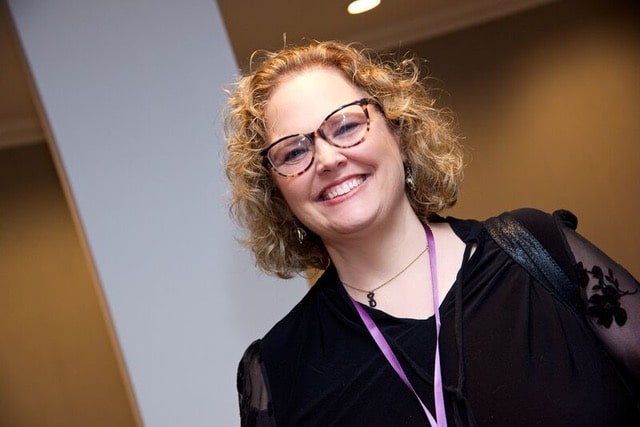
Clinical psychologist Jill Ault has worked with foster youth for 20 years in a range of settings, including private practice, psychiatric hospitals and juvenile justice. Today, she is the mental wellness director at Just in Time for Foster Youth – the San Diego agency that has been helping Kory Gonzales. It helps 18-to-26-year-olds who have aged out of foster care find jobs, housing, mental health resources – and community.
Dr. Jill Ault. Photo: Just in Time for Foster Youth
The program began offering mental wellness services when a pandemic-era survey of alumni found that 80% wanted such programs. Most foster youth have experienced multiple adverse childhood experiences (ACEs) including abuse, neglect, household dysfunction and witnessing violence and score 8 or higher on the 10-point ACEs scale, Ault said. People with high ACEs scores are at risk for mental health problems including chronic depression, anxiety, substance use disorders, eating disorders, suicidal thinking and self-injury.
I believe in the healing power of the relationship much more than the medication.
Psychologist Jill Ault of Just in Time for Foster Youth
Just in Time offers free services to current and former foster youth, provided by doctoral students in psychology supervised by Ault. In 2024, she said, the organization’s trainee therapists served 90 transitioning foster youth and alumni with more than 2,000 individual therapy sessions. Clients are encouraged to come weekly or more for as long as they need to. The program also makes a point of minimizing red tape, which can be a barrier to attendance.
Ault said medication can play a role for some clients, in collaboration with a therapist. But, she added, “I believe in the healing power of the relationship much more than the medication.”
Foster youth seek agency in path to healing
Many foster youth have dealt with multiple disruptions in caregiving relationships, making it difficult to trust adults. Developing a stable, long-term relationship with a psychotherapist can help foster youth address their trauma and offer consistency, emotional safety and attuned support, said Candice Simonds, chief program officer for A Home Within. That said, she sees talk therapy as just one of many tools.
“As a therapist, my role is to empower my clients – particularly adult clients – to explore all available interventions that can support their self-regulation and overall well-being,” said Simonds, a licensed social worker. “This includes psychotropic medications when appropriate, as well as therapy, mindfulness, relational healing and other holistic approaches.”
Added Simonds: “For foster youth, who often have complex trauma histories, it’s essential to take an individualized, trauma-informed approach to treatment, ensuring that any intervention – whether medication, therapy, or other supports – is aligned with their needs, agency and long-term healing.”
To Ault, choice is key. Many former foster youth had no say about taking medications or attending therapy, so as young adults they can be reluctant to do either. It takes time for them to build trust with somebody who can handle their trauma, she said.
Just in Time offers different avenues for self-care and mental wellness, including peer groups focused on relationships and resilience, yoga classes, art therapy workshops and a group in dialectical behavior therapy – a form of cognitive behavior therapy that aims to help individuals manage intense emotions, improve relationships and reduce self-harming behaviors.
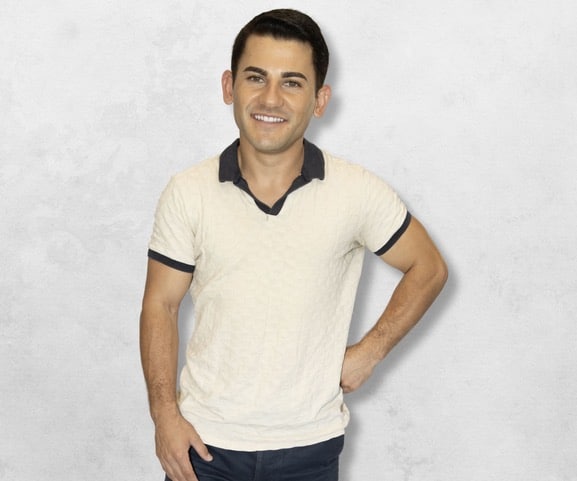
Luvern (Louie) Titcomb. Photo: Just in Time for Foster Youth
The program helps people like Luvern (Louie) Titcomb, who lost both parents by age 9 and was raised in a small central Californian town by a maternal aunt who fed and housed him but wasn’t particularly nurturing. He was bullied for being gay by his older brothers – one of whom is now incarcerated and the other dead.
His aunt cut him loose at 18. “It was harsh,” Titcomb says. “I was really scared.” Last year, he was diagnosed with PTSD.
Titcomb, now 27, says he would rather get “fed sunshine and exercise and eat healthy” than use psychiatric medications. Still, he takes Prozac for depression and gabapentin for anxiety and believes they play a role in his healing.
His anchor, thought, has been Just in Time. He participates in a therapy group, peer-to-peer groups on communication skills, and has found sharing his story beneficial.
“Life has thrown some curve balls at me but with the help of therapy, I’m doing a lot better,” he says. “Now I practice what I preach. I’m a yoga teacher and I coach and mentor others. I like to give back to this community, which has created a sense of home.”
And that, says Ault, is the real impact of program like Just in Time. “The power of relationships and community is at the core of healing. It’s much more important than just symptom management,” she said. Her wish is that the young adults who come to Just in Time change their negative perception about mental health so “they know it’s OK to get help – whether they’re struggling with something at 21 or at 40.”
Finding help and finding home
Despite an adolescence he describes as “chaotic and very lonely,” Kory Gonzales loved to learn. He studied eighth grade algebra in third or fourth grade and took college placement classes in high school with a goal of attending university. He dropped out of college during COVID – online learning “wasn’t it” for him – but his life turned around after he moved to San Diego in 2023 to be with a girl he met at an internship program for foster youth.
That relationship didn’t work out, but the shift to California was just the fresh start he needed. He found a support and therapy at Just in Time, furnished his own apartment and made his health a priority. He also leaned back into learning and now, at 23, he’s taking general education classes and contemplating career paths.
A therapist at the program “was the first therapist I ever had that made me feel like I mattered and was not just a number,” he said. And unlike the treatments foisted on him in foster care, it was his choice to go. “Medications and therapy were forced on me, I didn’t want to do them, and they didn’t make me feel better.” Today, he does both – but he’s making these decisions for himself.
“It’s important that I have someone to talk to about my mental health – my emotions, my relationships and my stress,” he said. “All I’ve ever wanted is to be healed and more focused on positive avenues in my life. I don’t need the validation of my family to know that I am enough.”
Correction: The story has been updated to note that in 2024, Just in Time’s trainee therapists conducted more than 2,000 individual therapy sessions – not 20,000as originally reported.
The name “MindSite News” is used with the express permission of Mindsight Institute, an educational organization offering online learning and in-person workshops in the field of mental health and wellbeing. MindSite News and Mindsight Institute are separate, unaffiliated entities that are aligned in making science accessible and promoting mental health globally.
Sarah Henry is a San Francisco Bay Area-based storyteller. The author of Hungry for Change and Farmsteads of the California Coast, she has covered food culture—including its impact on human and environmental health—for many years. She also writes about arts and culture and health care innovations, including those in the mental health field. Her articles have appeared in The Washington Post, Los Angeles Times Magazine, San Francisco Chronicle, and The Atlantic, among other outlets. She has worked for the Center for Investigative Reporting and Time Inc. Health. and recently won a first-place award for her arts and culture coverage from the San Francisco Press Club.
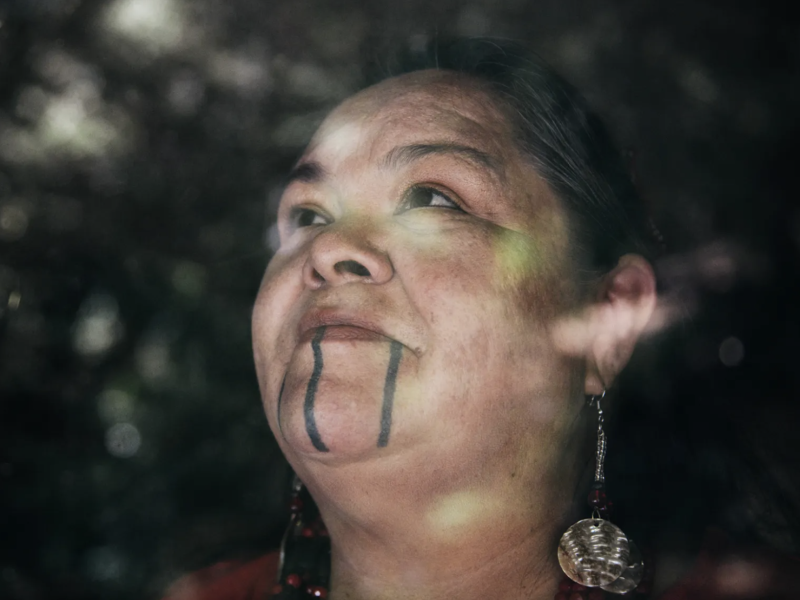
Celinda Gonzales of the Yurok Tribe worked to prevent suicides among Native Americans after losing a son and a brother. She “was a friend to many,” the tribe said.