A New Pope Stands Up for the Humanity of Migrants
Donald Trump continues decimating mental health services. In Rome, Pope Leo XIV affirmed the humanity of migrants and the poor.

Greetings MindSite News Readers.
In today’s Daily: From Washington, the latest on Donald Trump’s decimating mental health support during Mental Health Awareness Month. In Rome, Pope Leo XIV affirmed the humanity and rights of migrants and the poor in his inaugural speech last week. And in my hometown of Detroit, fear of the Trump Administration’s deportation agenda is eroding the mental and physical health of Latino seniors.
Plus, this morning we bring you part 3 of our 4-part series “Deadly Denials.” Today, we focus on stereotypes that suggest eating disorders are only for white girls. Yesterday, we looked at advocates fighting for treatment for patients with eating disorders.
Bonus items: News to help Michigan adults aged 55 and up save on groceries and some great ideas to consider and improve your wellbeing this Mental Health Awareness Month. And from the Good News Network, a baby girl – now quite grown up – has finally found her sisters decades after a forced adoption separated her from her mother.
For Mental Health Awareness Month, the Trump administration is eviscerating mental health care
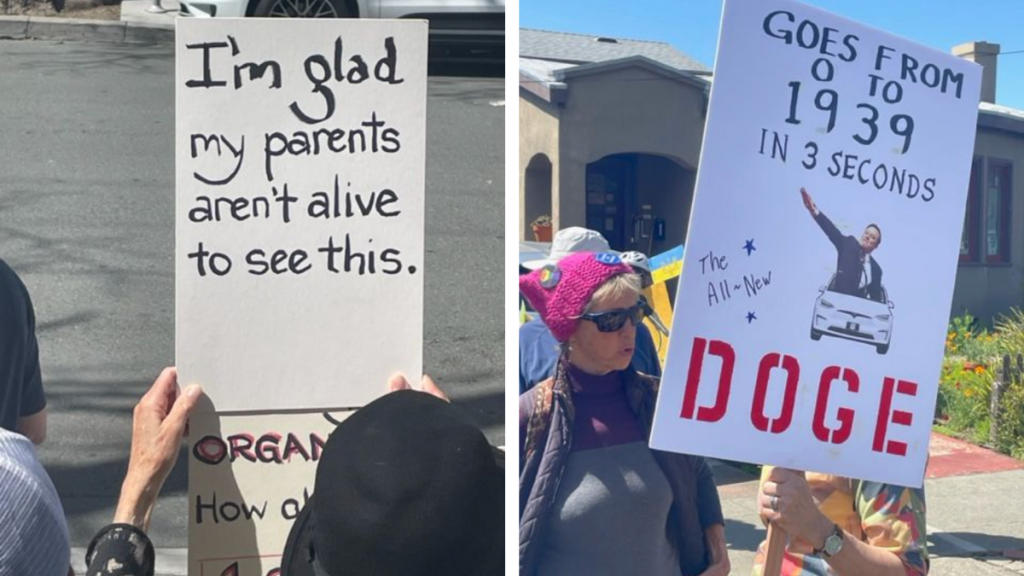
One in five US adults has a mental illness, and less than half of them receive treatment. The Trump administration has apparently committed itself to worsening those statistics – further reducing access to care and weakening or reversing existing federal protections, and is doing so with the implicit approval of Congress, as the majority of lawmakers fail to defend critical programs they championed and funded through bipartisan legislation. People will die as a result of Trump’s cuts, experts Benjamin F. Miller, Norman J. Ornstein, and Kavita Patel write in The New Republic.
MindSite News reported on mass cuts at the Substance Abuse and Mental Health Services Administration last month. Earlier this week, the administration announced that it would not enforce the expanded federal mental health parity rule introduced last September — and is actually considering rescinding the rule altogether. The 2008 law requires insurers to cover mental health at the level they do physical care. In practice, they still don’t, and the Biden administration rule sought to address that fact, but faced a lawsuit from large companies unwilling to incur additional costs for employee health. The White House has told that committee of big businesses that it plans to capitulate.
Perhaps most significantly, Trump hopes to gut Medicaid, the nation’s largest funder of mental health treatment – turning the program into a federal block grant with work requirements. Experts say this would mean millions of vulnerable people lose coverage. Community behavioral health clinics will close, placing the 988 Crisis Line and its slim infrastructure under greater threat, despite evidence that it has made a significant impact. (The line itself is also facing its own funding cuts.) Children and adolescents, facing an acute mental health crisis, will suffer, as the White House calls for an end to its funding of in-school mental health support. The weight of Trump’s economic policies make circumstances no better: the administration’s decisions already threaten the mental health of working-class and low-income Americans, and future economic damage will only make that worse.
Related: The cruelty behind such cuts has much to do with Trump’s psychopathology, according to MindSite News’ interviews with psychiatrist Bandy X. Lee and psychologist John Gartner.) See:
“A Public Health Emergency: The Crusade to Assess Trump’s Mental Health,” Interview with Dr. Bandy Lee, MindSite News, April 21, 2025
‘The Press Has Sanewashed Trump’s Dementia and Mental Illness’: Interview with Dr. John Gartner, MindSite News, April 1, 2025.
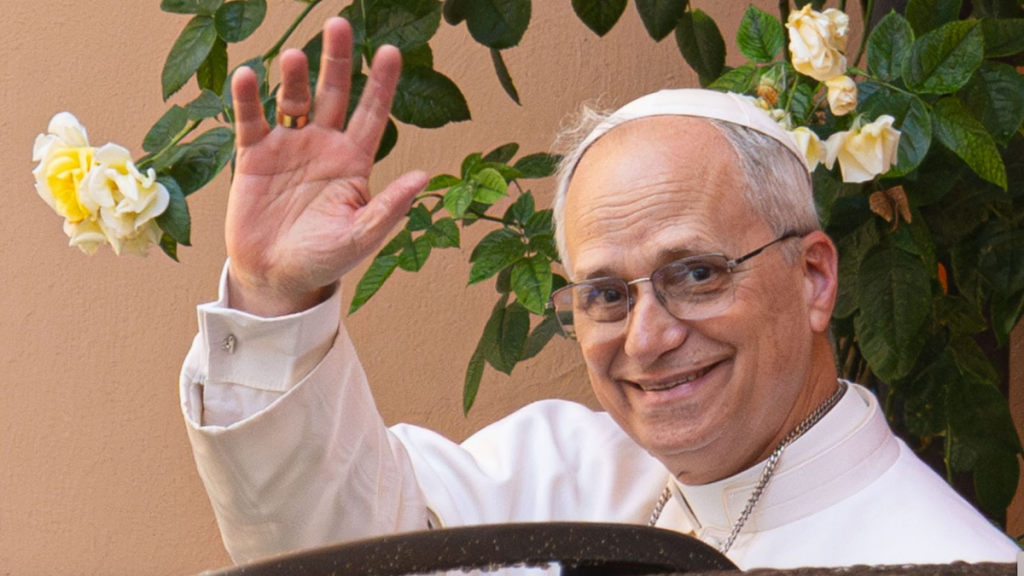
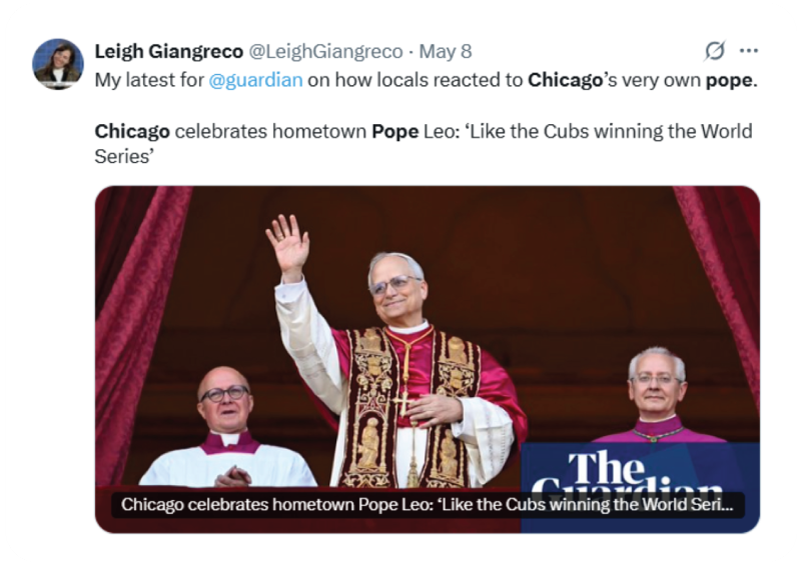
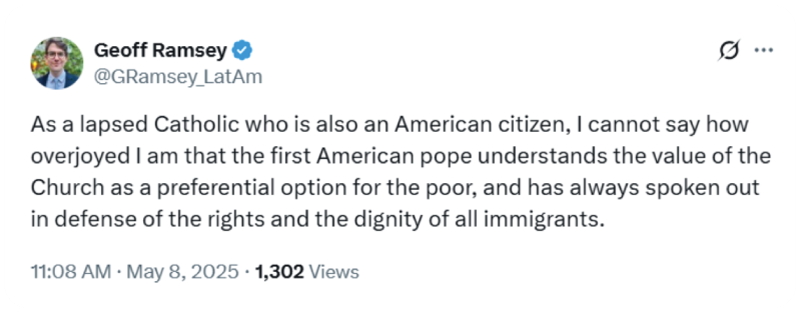
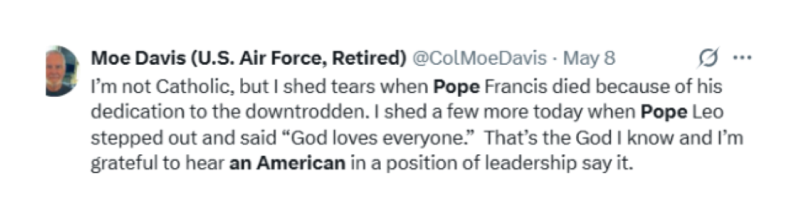
“Like the Cubs winning the World Series”: New pope continues Francis’ advocacy for migrants and the poor
It’s not surprising that people are celebrating Robert Francis Prevost, who took the name Leo XIV upon becoming pope: He exudes a quiet humility, kindness and compassion, which is sorely needed these days. An American with New Orleans Creole heritage, Pope Leo, like his predecessor Pope Francis, is a strong believer in mercy, kindness, and the rights of immigrants, refugees and the poor; he’s international in his outlook, spent two decades in Peru, holds citizenship there, and speaks fluent Spanish (along with English, Italian, French, and Portuguese). Meeting with some of the 6,000 journalists who traveled to Rome to cover his election as the first American pontiff, he called for the release of imprisoned journalists and praised the “precious gift of free speech and the press.” In his first Sunday noon blessing from St. Peter’s Basilica, he also called for an immediate ceasefire in Gaza and a just peace in Ukraine.
And despite predictable carping from ultra-right pundits, the new pope is getting an exuberant welcome from Catholics, former classmates and people all around the world – and of course, in his hometown of Chicago. – Diana Hembree
‘A Front Row Seat to Desperation’: Meet the Advocates Fighting to Remove Barriers to Eating Disorder Treatment
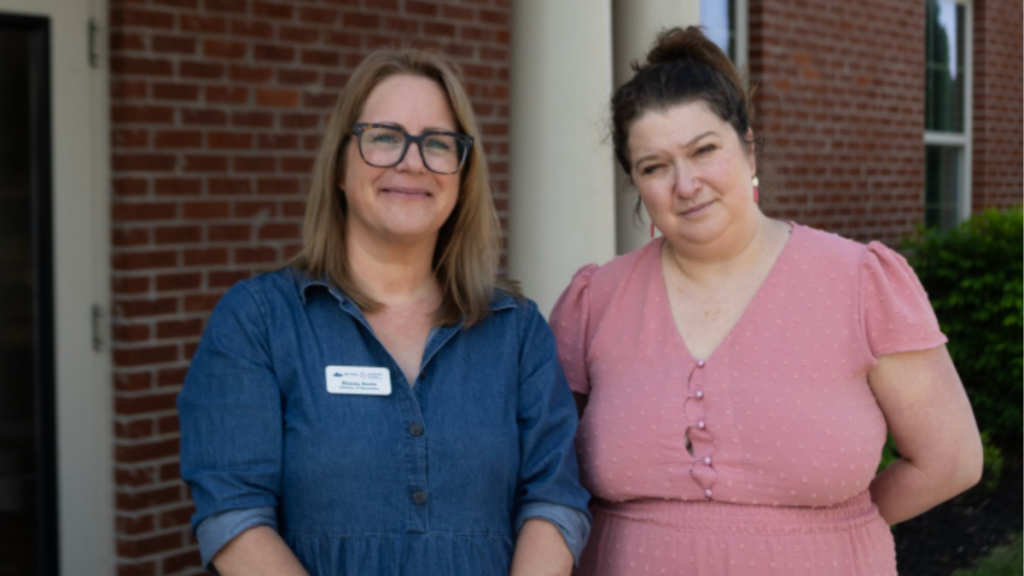
Across the country, a small group of lawyers, therapists, doctors and care navigators help eating disorder patients, often desperately ill, battle with health insurers to access services. It’s a high-stress job, and “you don’t save everybody,” one says. Read more about the advocates fighting for their clients in California, Colorado, Illinois, Kentucky, Maryland, New York and other states in part 2 of “Deadly Denials,” a series on eating disorders and barriers to treatment.
Eating Disorders: They Don’t Just Happen to Skinny, White, Affluent Girls

For years, the media image of an anorexic youth was an emaciated white female teen. The stereotype was so pervasive that eating disorder specialists have an acronym for it: SWAG, or skinny, white, affluent girl. But in fact, “eating orders don’t discriminate,” and studies show that anorexia strikes people of all races at approximately equal rates, and bulimia is actually more common among Latinos and African Americans. Read more.
This series is supported by the Pulitzer Center.
The constant threat of ICE raids is keeping seniors in SW Detroit isolated and unsettled
Nearly four months in, the second Trump Administration has been largely defined by an unrelenting hostility towards immigrants. Staff at Latin Americans for Social and Economic Development, or LASED, have an up close view of the impact on residents in Southwest Detroit — Michigan’s largest Latino immigrant community. In these last few months, older adults at the nonprofit’s senior center have become increasingly fearful.
Scores of elder Latinos have lived undocumented in the US for decades, contributing socially through work and taxes and raising families. The prospect of losing it all looms large, with few legal protections against the constant threat of deportation. “I’ve seen personality changes, behavior [changes], and complaints of no sleep” among those who gather there, Guadalupe Lara, director of LASED Senior Wellness Programs told El Central Hispanic News. “I have seen a tremendous cloud of gloom on this community.”
Connecting socially at the center might go some way towards alleviating fears, but many local Latinos, including seniors, have started to isolate amid increased ICE patrols, arrests and deportations. The streets are quieter; local businesses are suffering, and isolation can be particularly harmful for older adults, who are already at risk of age-related cognitive decline and cardiovascular illness.
Moreover, it’s common for Latino elders to be cared for at home, by younger family members, who are also left on edge by White House policies and rhetoric. Fearing their own detainment, errands to the pharmacy or grocery store to pick up medication or nourishment for seniors becomes delayed, increasing health risks, said William Lopez, clinical assistant professor at the University of Michigan School of Public Health and author of Separated: Family and Community in the Aftermath of an Immigration Raid.
To reduce isolation and mental distress, LASED has pivoted from more traditional offerings, like dominos and loteria (a game similar to bingo), to wellness checks, meditation groups, and exercise classes for those in the senior center. Lara, a licensed social worker, has even been offering to pick up some seniors from home so they can take part — the goal is to look out for as many people as they can. “I think we’re managing — and they’re managing — because there’s a strong sense of family here. We provide a lot of emotional support,” she said.
In other news…
- “I signed up to be a singer, not a lab rat,” said Lana Love, an NYC-based singer-songwriter who was duped along with hundreds of other “contestants” on a fictional singing contest, part of season two of HBO’s “The Rehearsal”. The show — conceived, written, directed by and starring Nathan Fielder — helps ordinary people “rehearse” for life’s challenges through meticulous, ultra-realistic simulations. Speaking exclusively to Variety, Love explained her hurt at learning that her 15 years of professional experience were brought in as background noise in an elaborate comedic experiment. “I’ve been through a lot in my time. I put in my 10,000 hours, and I felt like there wasn’t a basic human respect for people who have devoted their lives to art,” Love said. “People are not variables. People are people. Treat them as such.”
- Father Joe’s Villages, San Diego’s largest provider of homeless services, “started with Father Joe handing out peanut butter sandwiches on the street,” Chef Helen Coyne told Reasons to be Cheerful. Now, they offer multifaceted support, including professional training — a 12-week culinary arts program offers their transitional housing residents a pathway to a stable career. “Most graduates do get professional jobs,” Coyne said. “One of my students wanted to open her own food truck, so the grants team pointed her in the direction of … a $25,000 grant she could apply to [in order] to make that dream come true.”
The name “MindSite News” is used with the express permission of Mindsight Institute, an educational organization offering online learning and in-person workshops in the field of mental health and wellbeing. MindSite News and Mindsight Institute are separate, unaffiliated entities that are aligned in making science accessible and promoting mental health globally.


Author

Related Articles

Rumors of Kids Quitting College En Masse Are Exaggerated
This week: what the data says about Gen Z students quitting college, and why postpartum mental illness is more than depression.

Why Is Georgia Blocking Recovery Homes for Substance Abuse?
Georgia towns are using zoning loopholes to shut recovery homes down, even as addiction and mental illness surge statewide.

Why Are Mothers Punished for Parenting?
Those of us who roamed freely as kids can be arrested for letting our kids do the same.