Debunking mental health myths
The Guardian looks at stigma and myths around mental health. Adults with autism can recognize facial cues, a study finds. And severe hair loss inspired a designer to new heights.

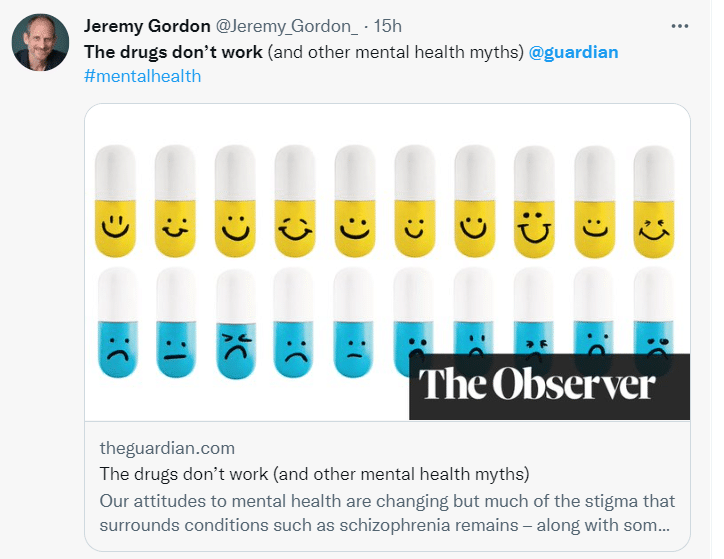
The Guardian looks at stigma and myths around mental health. Adults with autism can recognize facial cues, a study finds. And severe hair loss inspired a designer to new heights.
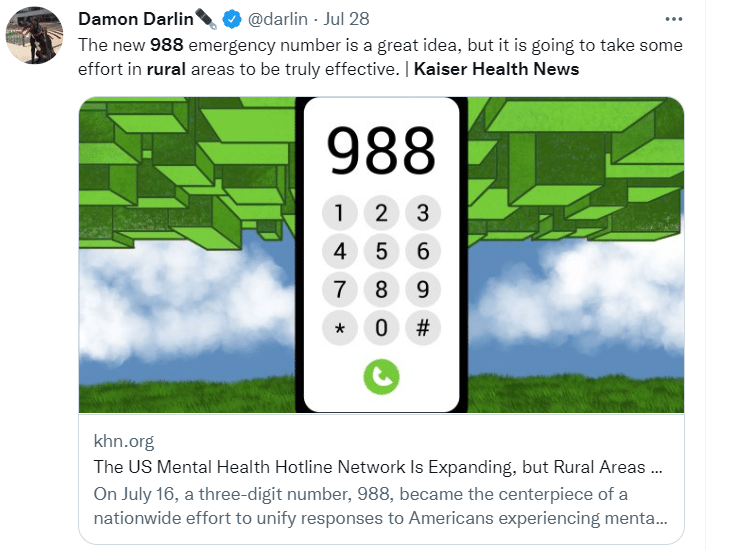
The new mental health crisis line 988 has hit some potholes in rural America. Plus: vitamin B6 and mental health, memory and smartphone use, and the need for research on autism in adults.
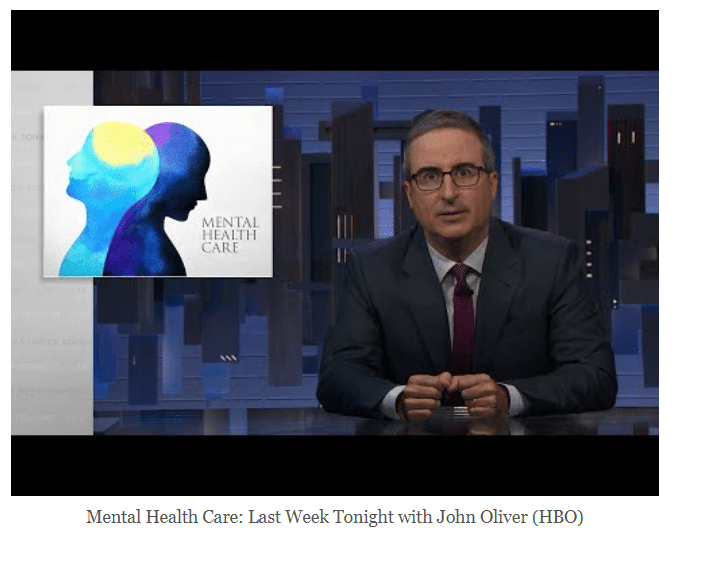
John Oliver takes on the mental health crisis. Why rage can destroy relationships. Plus: The real meaning of Beyoncé’s "Church Girls."

Since MindSite News launched less than a year ago, we’ve built a newsroom, established an online presence, published more than 100 original stories and created two newsletters! None of this would be possible without the support of generous readers like you.

Boulder County, Colorado, is helping its traumatized wildfire survivors cope with displacement and rebuilding. Plus, accessible meditation, toxic hockey culture and the universality of baby talk.
What will magic mushroom therapy be like without the, well, magic? Plus, how to protect your privacy if you're using mental health apps.
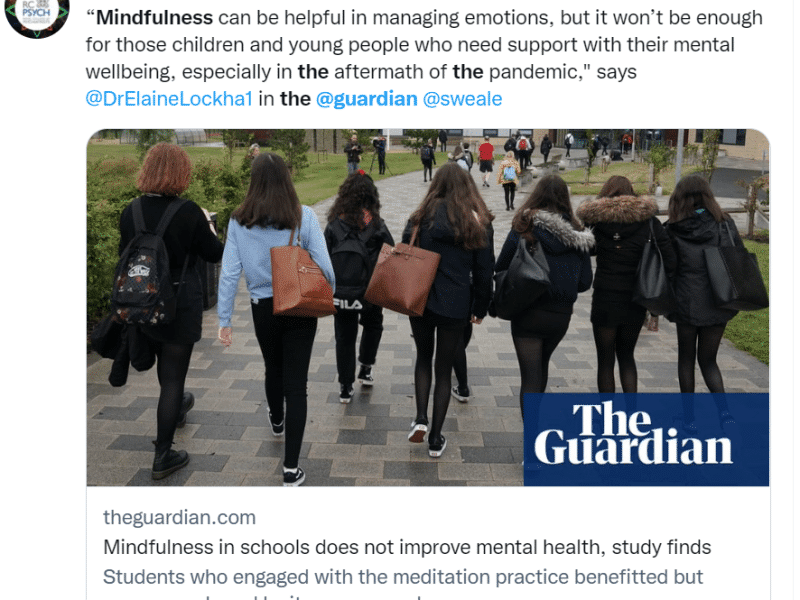
In today's edition, researchers find mindfulness training as taught in schools is often too dull to be effective. Pioneering psychedelics researcher Ann Shulgin has died, board and care homes for the mentally ill are shrinking, and good books for overthinkers.
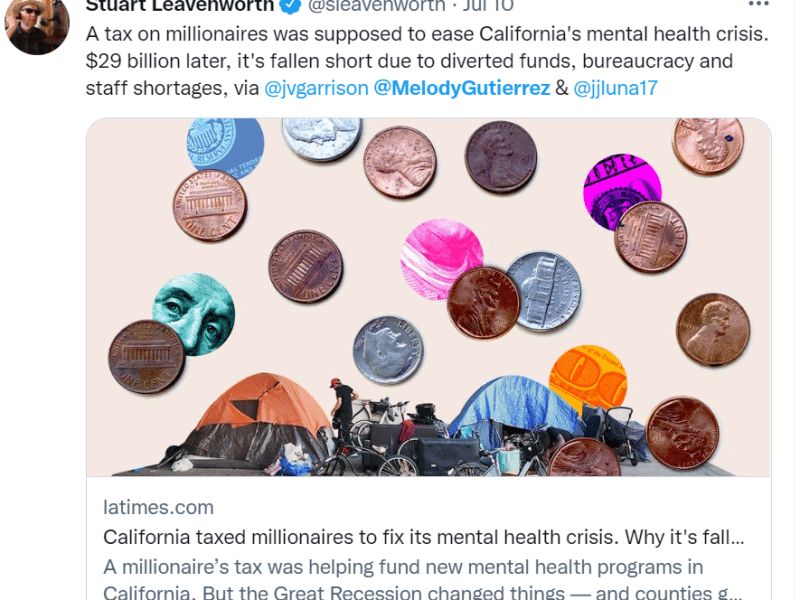
California's Prop 63 taxes billionaires to fund mental health – so why are there more mentally ill people on the streets than ever? Mentally ill prisoners in Dallas kept in jail for up to two years waiting for treatment to open up.

Today we look at Texas juvenile detention facilities on the verge of collapse, which may lead the state to consider a solution promoted by youth advocates: closing youth prisons in favor of community-based or family-centered programs. We also look at Nature Rx for people of color, new interest in group therapy, licenses for art therapists and more.
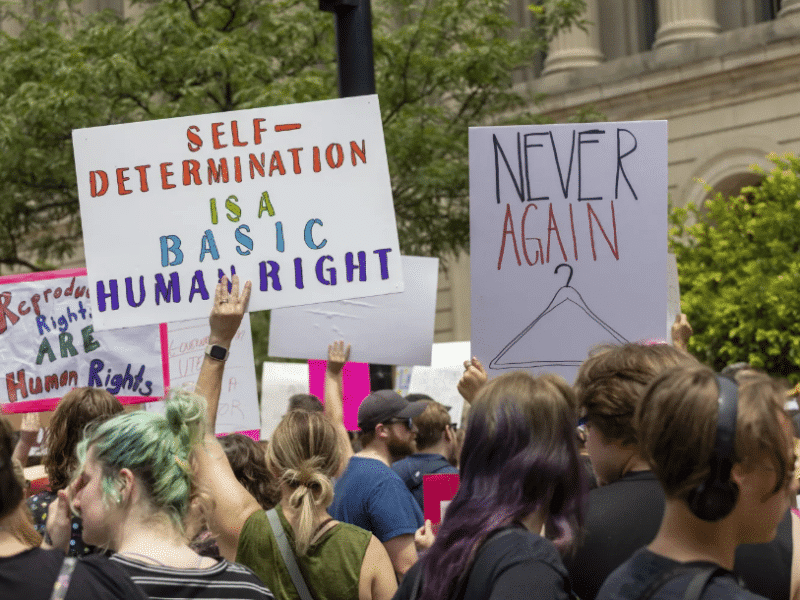
We chronicle the fear, panic, desperation and other mental health consequences afflicting people seeking abortion in the wake of the Supreme Court ruling that overturned Roe vs. Wade. In other news: more on “phantom” mental health providers in insurance networks, processing moral injury and the stigma of mental illness among Vietnamese exoeriencing homelessness in Los Angeles' Little Saigon neighorhood. Plus, the mental health rollercoaster of professional cricket players.

"Forest bathing" is good for your mental health. Public health advocates campaign for a warning label on cannabis products.
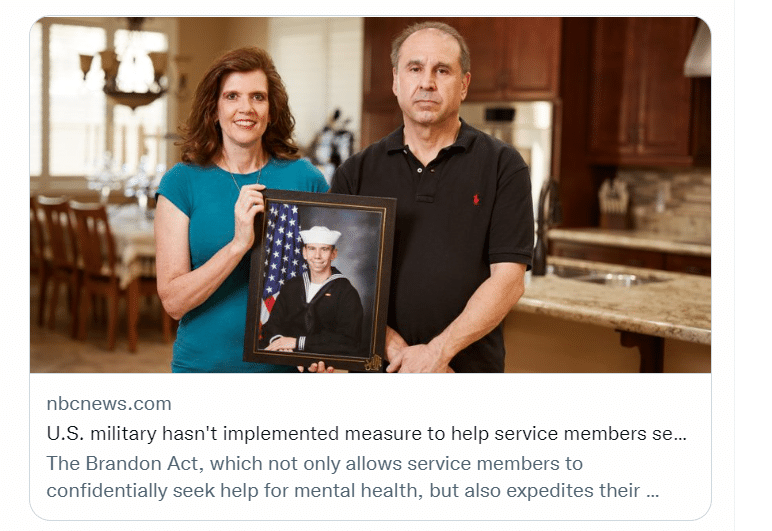
Six months after passage of the Brandon Act, service members are still waiting for confidential mental health care. Veterans Affairs doctors study psychedelics to treat PTSD and other ills. And how to support an LBGTQ child's mental health.
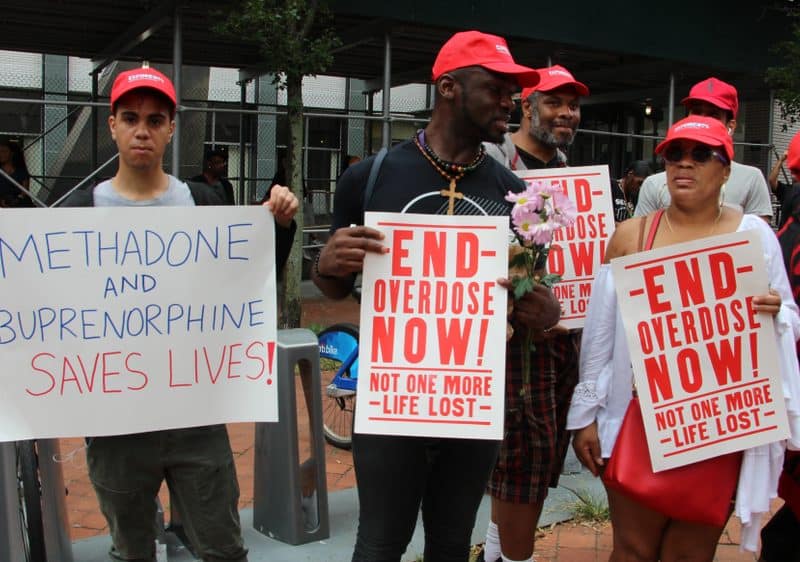
With deaths by overdose continuing to escalate, why are we failing to address it effectively? A women's soccer champ has become a mental health advocate. And Dad can struggle with postpartum depression too.
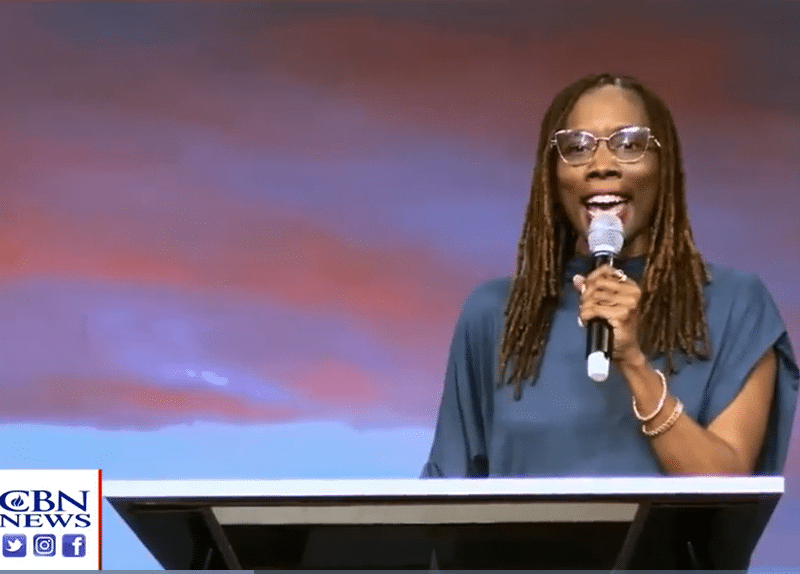
Black Christian pastors make a case for both prayer and therapy. Nurturing fathers make a difference. And adult anxiety and depression in early pandemic didn't increase as much as we thought.

In today's edition, you'll hear more about Cerebral, a digital mental health startup under fire for alleged overprescribing and other claims. You'll also hear how Wales is testing for possible genetic variants in mental illness, about insensitivity and chaos in the state's promised mental health aid rollout to Uvalde, and studies from Europe supporting the 4-day work week. Plus, why bed-sharing is good -- for parents.
Houston's winning model for ending chronic homelessness. Rethinking glib remarks about OCD and other mental ills. Plus, a youth mental health summit in Los Angeles this week.

Play is a powerful force for mental health. Museums relieve stress. And California's wildfire fighters face waves of stress and suicide. Plus: the Zen of Draymond Green.
LA County is testing out a computer model that can tell who's at risk of losing their housing. Teenagers really do need more sleep. And, in a world of stress, employees are seeking more mental health support.

Why some researchers on schizophrenia want to find out more about psychosis by talking with the people who actually experience it. How internet celebrity Elyse Myers created a "safe space" on TikTok to share her struggles with mental health. Why Intensive Managment Unit in prison is code for solitary confinement. Plus: team sports are good for kids' mental health.
States are dragging their feet in preparing for the 988 hotline. New sobriety clubs mean never having to say you're alcoholic. Plus men who think they're healthier than thou.
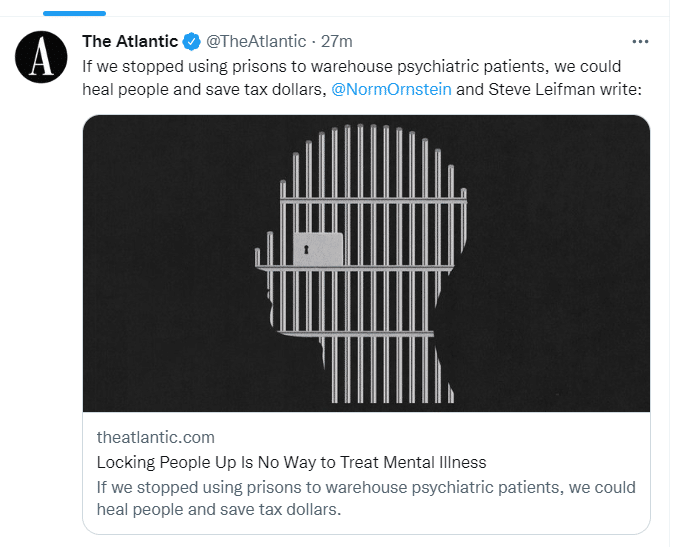
Prisons need to stop locking up people with mental illness, say a father and a judge. A Bridgerton star seeks psychiatric care. And the U.S. defense secretary seeks to destigmatize mental health care in the armed forces.
We're heartbroken over the Uvalde, Texas school shooting and other recent massacres. And we want action.
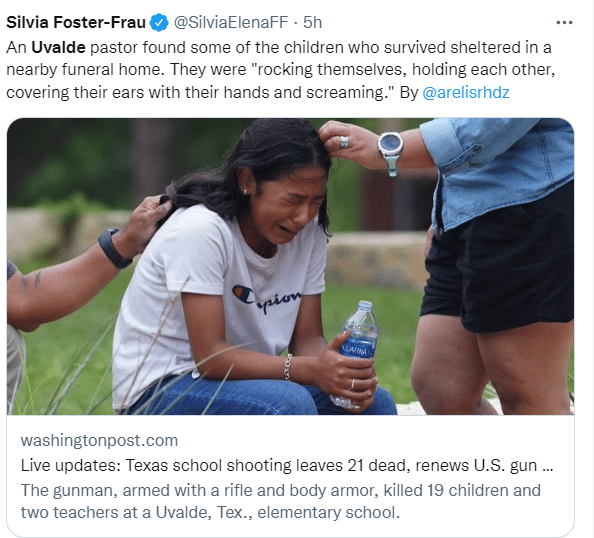
We're heartbroken over the ongoing mass shootings in the US, the latest at an elementary school in Uvalde, Texas. And we want action.

California's plan to fight the overdose epidemic. A Detroit man on a mission for mental health. A Google study on the mental impact of cell phone use, and more.

One of the best coming-of-age tales we've seen, Turning Red explores a teen girl's embrace of her authentic self. A peer debate over "living with the voices" of schizophrenia and other conditions. Plus, why some young people reject saving money, and more.
Take our reader survey and help shape MindSite News reporting
