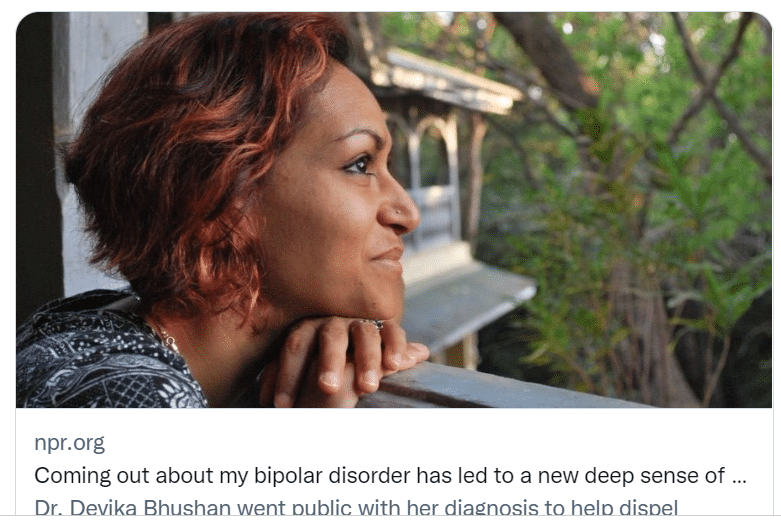
A dream deferred – and mental health preserved
The NBA's Tyrell Terry leaves basketball to regain his mental health. A law professor with schizophrenia says the disease doesn't define you. More Americans are aging alone. And more.

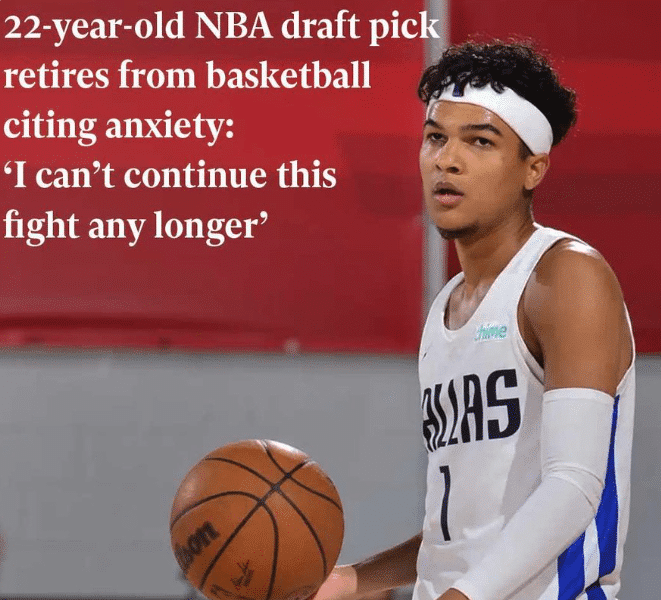
The NBA's Tyrell Terry leaves basketball to regain his mental health. A law professor with schizophrenia says the disease doesn't define you. More Americans are aging alone. And more.

A new documentary shows Selena Gomez the mental health advocate in action. Plus: Dr. Barbara Greenberg's advice for a teen who has the winter blues, Black psychiatrists helping Black kids in Atlanta, schools and climate change. And more.
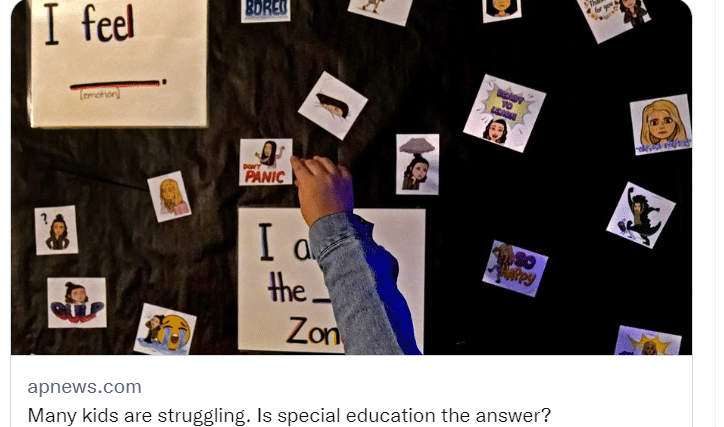
Desperate parents seek help for their children's mental health. The NBA integrates art and sports. A ticking time bomb for Medicaid recipients. Dads on Duty, Dr. Greenberg, and more.

MindSite News interviews two experts on the progress of psychedelic therapies for mental health. Also, improv may boost confidence, the shrinkage of Covid-somnia, and more.
Pioneering psychedelics awareness group found partly liable in wrongful death suit. Stigma over mental health days. Support for grieving the loss of a beloved pet. And more.

How the new owner of Twitter is turning back the clock on workplace flexibiliity for parents. A recorded hotline from K-6 students for callers with the blues. Advice for parents of a sensitive 5 year old. And more.
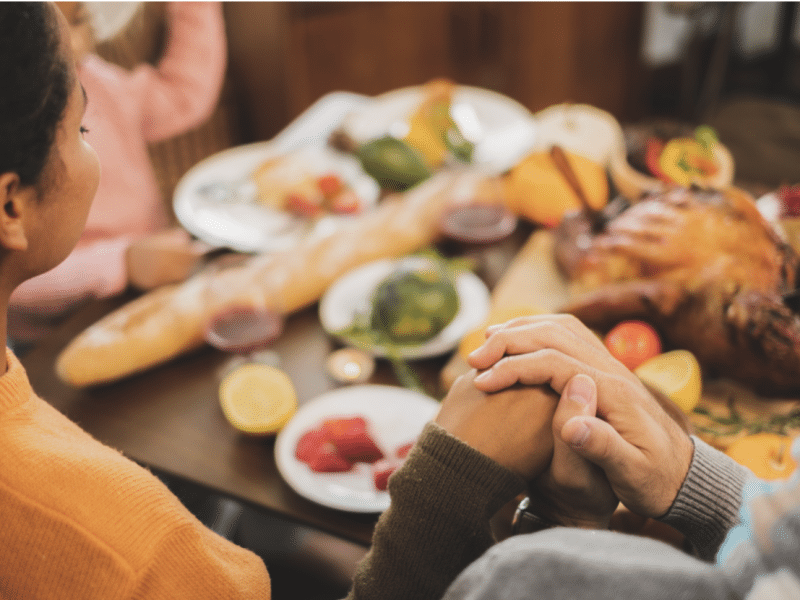
Thanksgiving is a time of family celebration and gratitude, and some of us can hardly wait to see all our family again. For others, however, Thanksgiving dinner can be triggering. We turned to Bob Sege, a professor of pediatrics at Tufts University who studies childhood trauma and resilience, for his thoughts on the holiday.
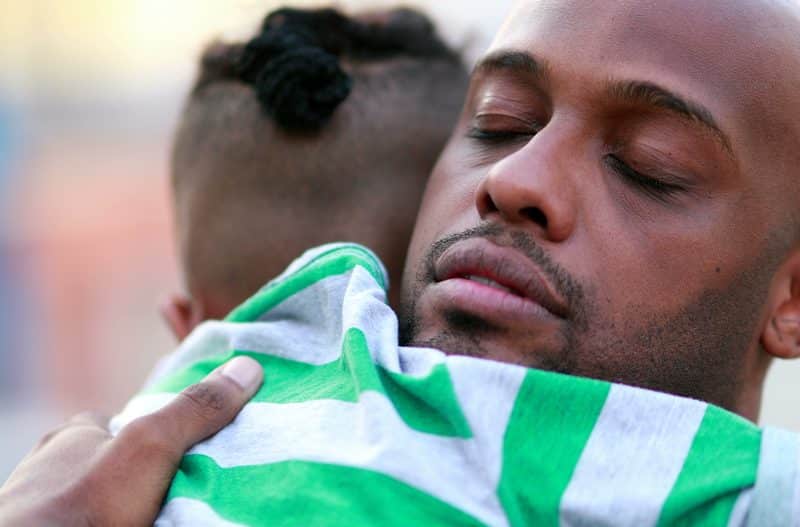
Responding to your children's distress with empathy while setting limits will make them more resilient. Also, a model program for unhoused families in NYC. Dr. Greenberg on empathy. And how to help your college student in crisis.

The value of family support and connection in treating psychosis. Dr. Greenberg on teens and body image. Five things your kids want you to know about their mental health. The importance of indigenous comics. And more.

Experts say early screening for learning disabilities and trauma could slow the school-to-prison pipeline. The hashtag #DisabledJoy reminds people that disability and joy are not mutually exclusive. MindSite News wins two journalism awards. And more.
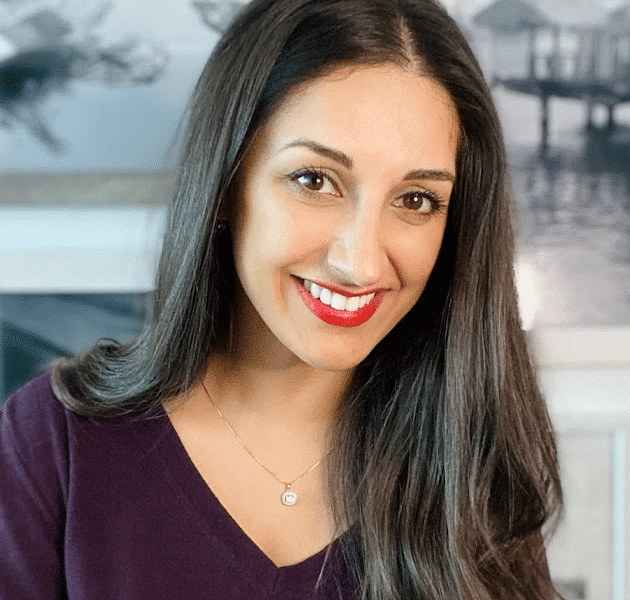
A mental health playbook to support your child by Neha Chaudhary, MD. Parenting advice from the Post. And our "greatest hits" stories for parents that you may have missed.
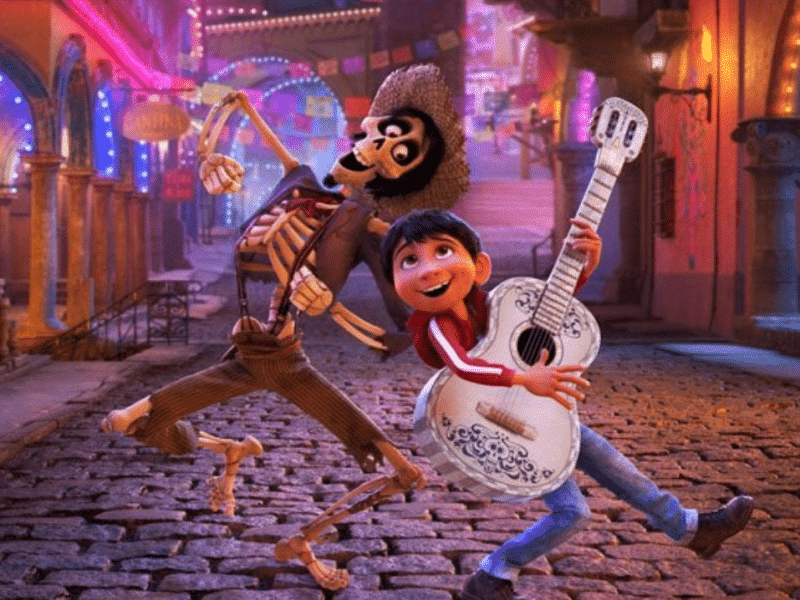
"A time for families to celebrate life and the memories of those no longer with us".
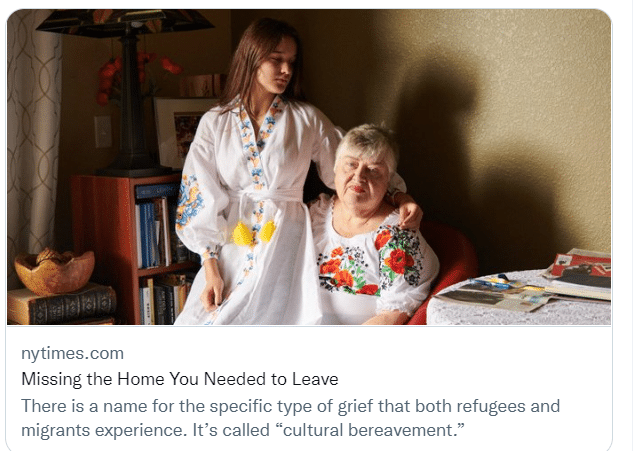
More therapists are treating cultural bereavement, the distinct grief that refugees and migrants experience. Gen Z employees may be suffering from career milestone FOMO. Plus, an ethical debate over transplanting human brain cells into rats to study autism and ADHD.
A new federal report says toxic workplaces are bad for your mental and physical health. MindSite News looks at the growing use of peer providers represented by people like Miguel Rodriguez. Plus: A grieving Calgary musician explores her husband's suicide in song. And North Carolina high schoolers meet to meditate and support each other.
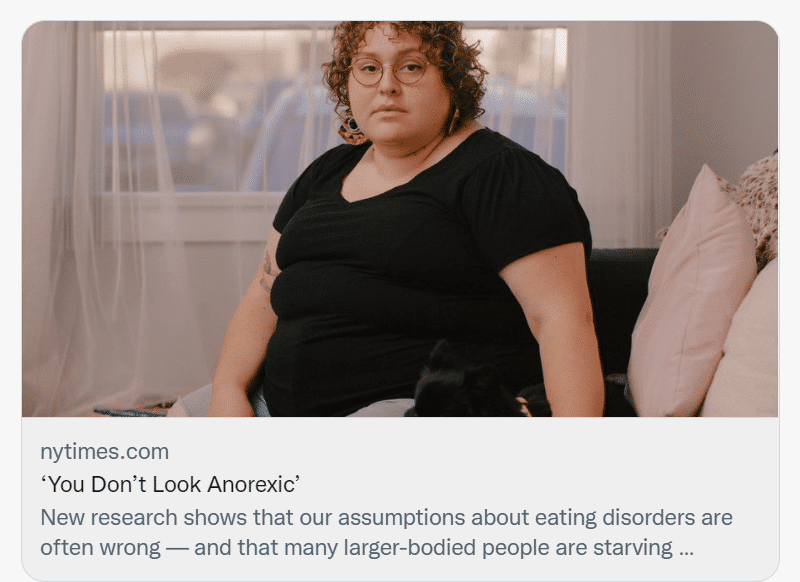
Kids with life-threatening anorexia are not always thin. How the body changes during a month without alcohol. Supporting a friend during divorce. Plus: New twists on the grandparent scam, school peace corners, and more.
A memoir about grief resonates for a Korean-American family in a time of endless loss. The unconsionable history of the troubled teen industry. The good news about mental health benefits in new "public charge" ruling. And more.

Star Trek actor William Shatner experienced a cognitive shift about Earth after going to outer space at age 90. A writer with bipolar disorder says delusions can be less fearsome than social media. Plus: Broke, a short film to raise awareness of mental health among soccer players.
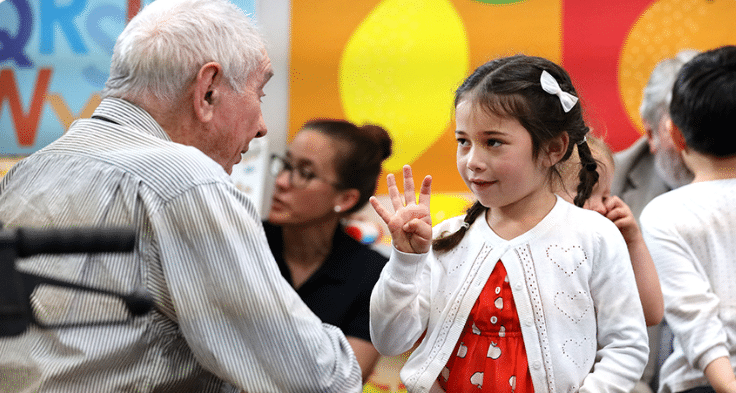
Welcome to our new newsletter for kids, youth and families! A teen psychologist answers your questions. We review Old Peoples Home for 4 Year Olds. Coaches call foul on abusive sports parents. And more.
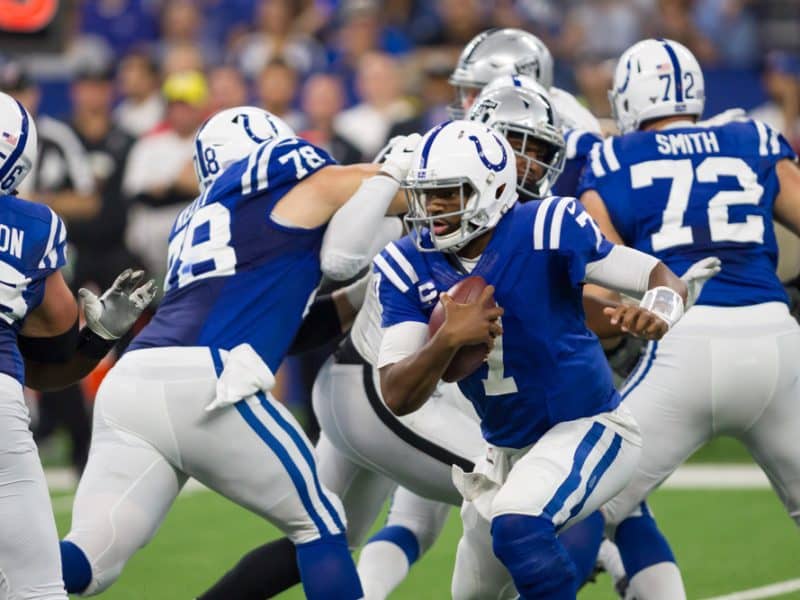
Kicking the stigma out of mental health discussions with the Indianapolis Colts. Mindfulness may help ease chronic pain. And the parents of a hero in the 2017 Las Vegas massacre look for survivors he may have saved.

Regular nightmares in middle age may signal dementia risk. One in 4 residents of Flint, Michigan has PTSD. Expressing gratitude is good for your mental health. Plus: health discrimination against Black Britons.
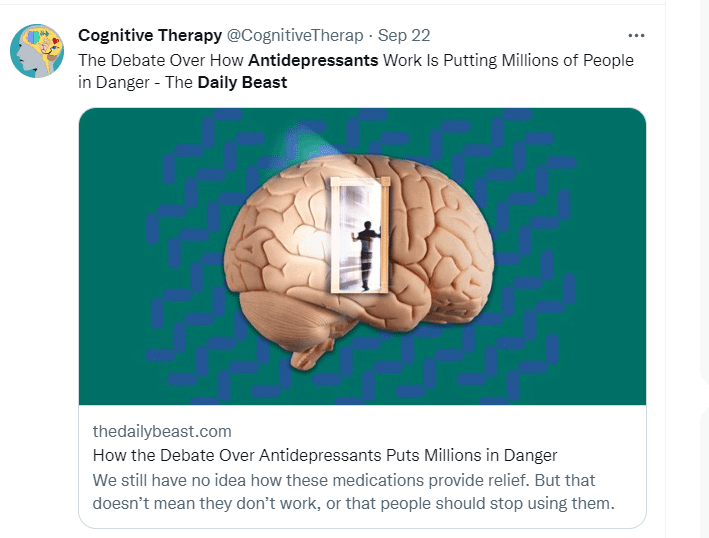
A close look at claims that the debate over antidepressants is putting patients at risk. How quality mental health care in prison can prevent recidivism. And more evidence that exercise is good for your mind.
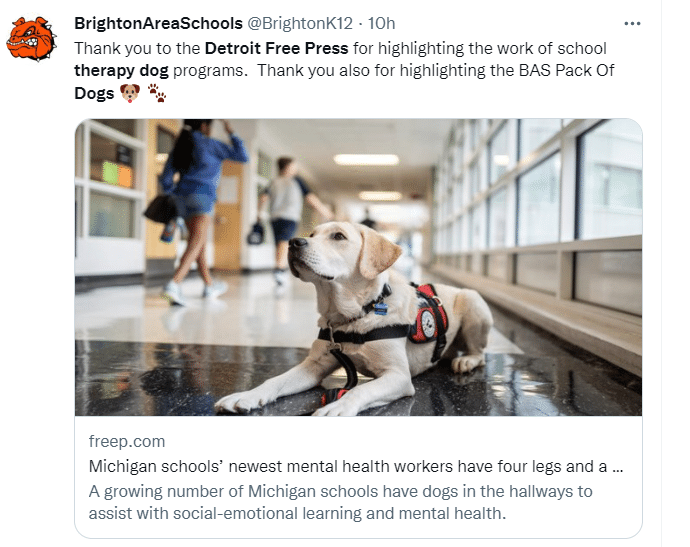
Therapy dogs bring joy to Michigan schools. Children's books increasingly embrace diversity and mental health issues. And researchers find a link between childhood feelings of being unloved and adult depression.