
Inside the Story: Transgender and Incarcerated
A conversation with journalist Lee Romney about the failure of California prisons to uphold a state law aimed at protecting transgender prisoners.


A conversation with journalist Lee Romney about the failure of California prisons to uphold a state law aimed at protecting transgender prisoners.

Lockdowns have become the new normal in Wisconsin prisons. We talk with a journalist and a psychiatrist about the effects. Plus: expanding involuntary commitment in New Jersey.
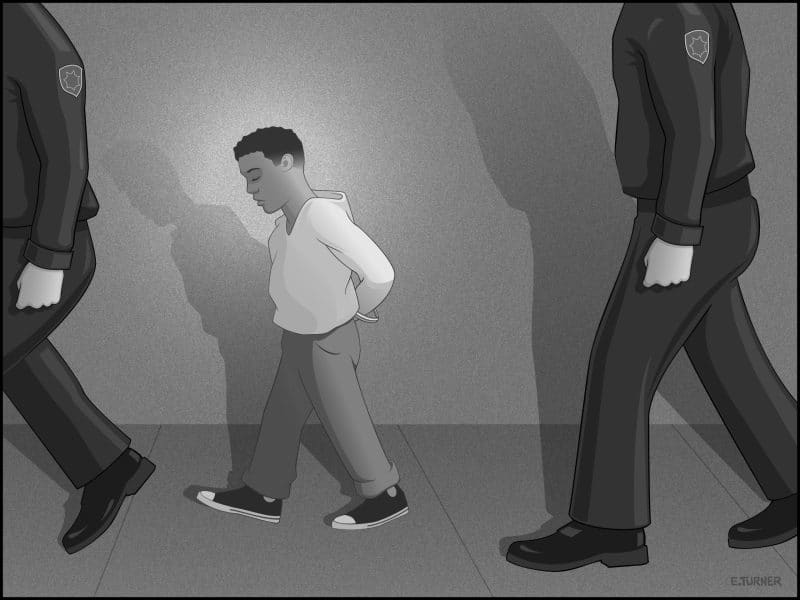
In Florida, seizing children and adults and placing them on involuntary mental health holds happens so frequently, it has become a verb: Baker Acted – a reference to a 1971 law. That law was intended to reduce the horrors of asylum care while allowing mentally ill patients to be forcibly evaluated and treated. Instead, it has become a dragnet of sorts that brings hundreds of thousands of adults and children to mental health facilities.

Almost a year after the launch of the 988 Suicide and Crisis Lifeline, only 13% of U.S. residents know the line exists and what it’s for – and many of those who do know are afraid that calling it will summon the police, according to a new survey.

Naheim Banks' mental health journey began in the early months of the COVID-19 pandemic. His father, seeing him buried in school work, said he looked like a painting of a man with the world on his shoulders. This week, Banks took part in a roundtable at the White House focused on drawing attention to the mental health crisis among young Black men.

This month, we chat with an Army vet and retired corrections officer who is now a mental health advocate for Black men. We look at the lack of police officers trained in crisis intervention techniques in New Hampshire. And more.

An in-depth look at Chicago's new effort to create a mobile response system – and the debate over the role police should play. Also, a Los Angeles mother struggles to get help for her son. And voices of people who have been involuntarily hospitalized in NYC.

Many defendants charged with misdemeanors or non-violent felonies spend excessive time in jail – often more time than if they were convicted – awaiting these mental health evaluations.

Some states keep pushing anti-trans measures. The New York Times stirs the pot. And an Adderall shortage could spell trouble.

California will soon become the first state to use Medicaid funds to pay meth users to quit and stay clean. We also check in on how an insomniac grapples with her bedtime screen habits, and share some tips for wintertime blues.

The pandemic kids are all grown up and starting college – and it's off to a rocky start. We also stop by the forensic unit at a state hospital in Pennsylvania that uses emergency psych meds 80% more than the state average. Plus, police reforms passed in the wake of George’s Floyd murder have faced pushback.

This is the inaugural edition of “Diagnosis: Injustice,” the MindSite News newsletter exploring the intersection of mental health and criminal justice, written by me, Josh McGhee. I’ve been reporting on criminal justice issues for more than a decade and it's truly my pleasure to break the fourth wall with you on this imperative topic.

This year’s State of Mental Health in America Report, produced by Mental Health America, a nonprofit research and advocacy organization, painted a picture of a country experiencing high rates of mental illness, limited access to services and significant barriers to care.

This past summer, the national 988 Suicide & Crisis Lifeline made its debut, creating an easy-to-remember phone number people can call to get help for a mental health crisis. Has it helped change the dynamic between police and people with a history of mental illness?

As a high school student growing up in Utah, Daniel Thatcher grappled with depression and the suicide of a close friend. Now the Utah state senator is co-chair of a new legislative caucus working to improve mental health services across the country.
