
A City Fails Its People
A New York Times investigation uncovered a poorly managed system of care for the city’s most severely mentally ill that put lives at risk.

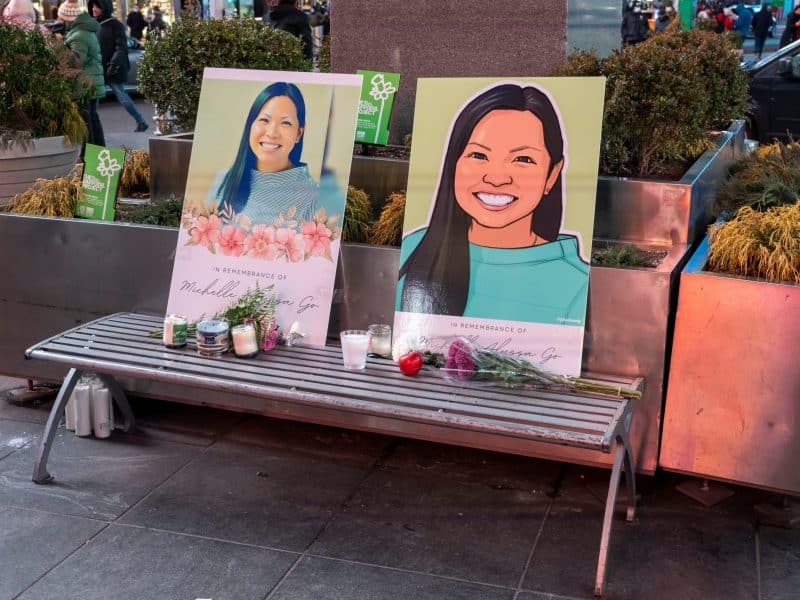
A New York Times investigation uncovered a poorly managed system of care for the city’s most severely mentally ill that put lives at risk.
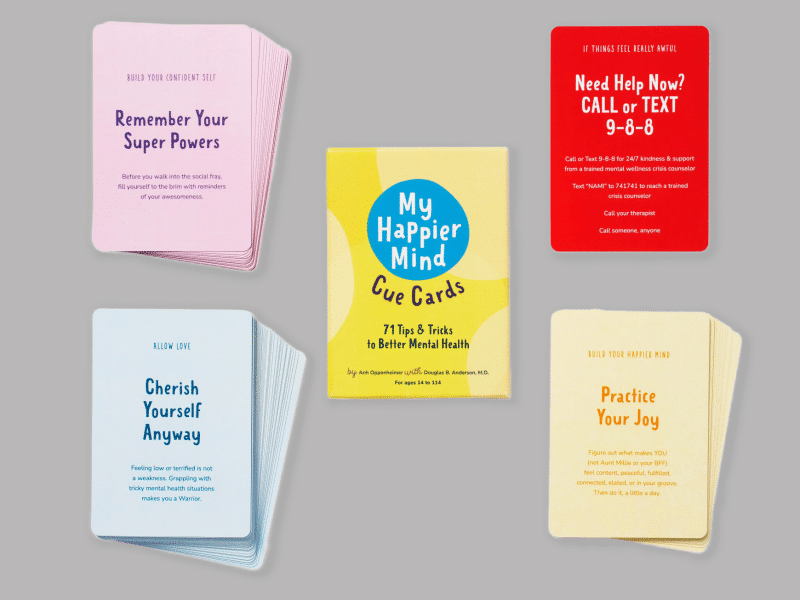
Mental illness is a clever, hard-to-kill beast, and escaping it is akin to defeating a cluster of wild boar. But with proper strategy and weaponry, the invasive species can be taken down. These cue cards may help.

Over a span of span of six decades, former First Lady Rosalynn Carter was a tireless advocate who fought to transform the way that mental illness – and the people who experience mental health conditions – were viewed and treated. She died Sunday at the age of 96.

Former First Lady Rosalynn Carter, one of the country's most prominent and effective mental health advocates, has died. MindSite News Founding Editor Rob Waters has a tribute. Slots for children needing long-term residential mental health treatment are disappearing. And a little anxiety, it turns out, is normal and healthy.

A mentorship program provides support for caregivers of people with dementia. A research project spreads Big Joy.

An appreciation for Día de los Muertos and its ability to help us cope with grief. And a new study suggests that the 988 hotline needs to keep improving.

Dr. Iman Farajallah, a California-based psychologist who grew up in Gaza, talks about her research on the widespread, severe trauma that was afflicting Palestinian children – even before the brutal war now underway.

Residents of East Atlanta are helping fund a social worker to reduce homelessness in their community. Fresno grapples with an expanding homeless population amid extreme temperatures.
An L.A. program in L.A. helps unhoused older adults sleep in their cars overnight – and tries to get them into actual housing. And the FDA issues a warning on ketamine.

Jack Saul led a community healing effort in New York after 9/11. He has seen the psychological impact of collective trauma throughout the world and worries that Israel is now making the same mistakes that the U.S. made back then.
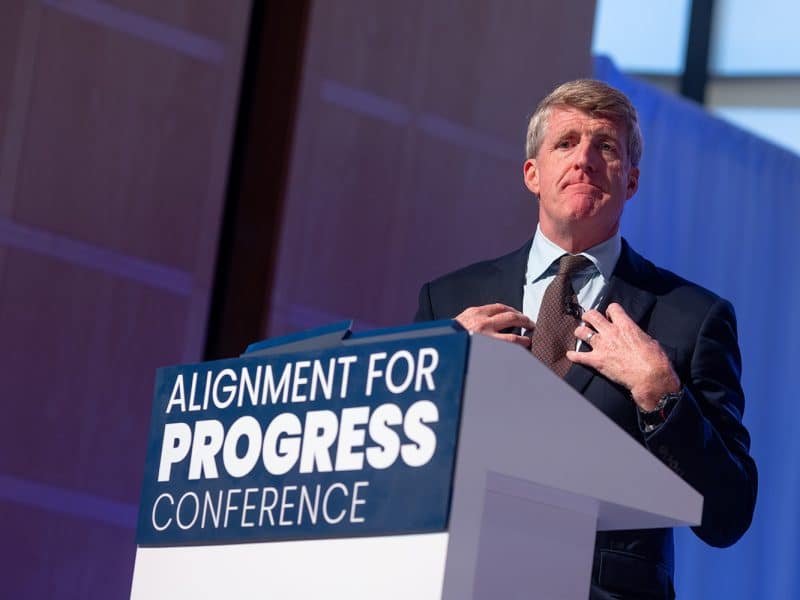
Sixty years after John F. Kennedy signed a sweeping mental health act into law, his nephew, former Congressman Patrick J. Kennedy, gathered advocates in Boston. The goal: to kickstart a movement to transform the fractured mental health system in the U.S. A report and interview from the conference.

The challenges of finding a mental health care provider who is actually available through your insurer. And an unfortunate fact: New drugs for Alzheimer’s disease may be of little help to Black and Hispanic patients.

TikTok influencers urge you take a silent walk – without your phone! Activists in Maine want to remove a provision in the constitution that bars mentally ill people under guardianship from voting. And harm reduction experts say making Narcan available OTC is only a “baby step.”

Chronic pain often triggers mental anguish – but what can acceptance bring? A new emergency psych model, EmPATH units, begins to spread, taking pressure off hospital ERs. And the Friendship Project promotes human connection for people in need.

Yale University settles a lawsuit accusing the school of failing students struggling with their mental health. And a Big Ten football coach reckons with his affection for a game that may have contributed to his son’s death.

How do wealth and race intersect to affect the worsening mental health crisis among American teens? A new study examines that question. Plus, a new ruling in a critical court case on mental health parity.

An interview with the first Native Hawaiian psychiatrist. A look at how complex PTSD differs from the standard kind. A longtime journalist offers a look at her own family’s battles with mental illness. And more.

People used to shy away from mentioning cancer or AIDS in death notices. Use of those terms marked a turning point. Can the same now occur with suicide?
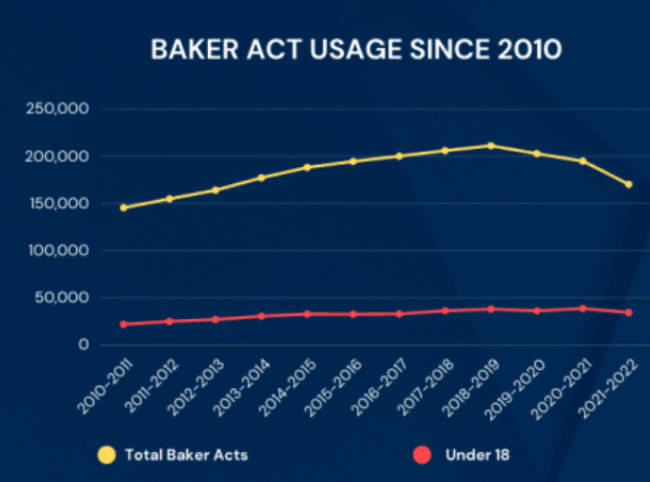
A MindSite News investigation digs into Florida's practice of taking kids to mental hospitals against their will. A photo essay looks at efforts to help Ukrainian soldiers' mental anguish. Regulators halt psychiatric trials at New York State Psychiatric Institute following a patient suicide.

The power of music to connect and heal. Summer camps support youth in the midst of a mental health crisis. Journalists reveal flawed handling of medical misconduct in Utah. Plus, a push to remove questions from bar applications about lawyers' mental health histories.

John Fetterman has a new purpose: to share his story and urge others to get help. LA County returns $15 million in mental health funds to the state. And having a spiritual life may be good for your mental health.
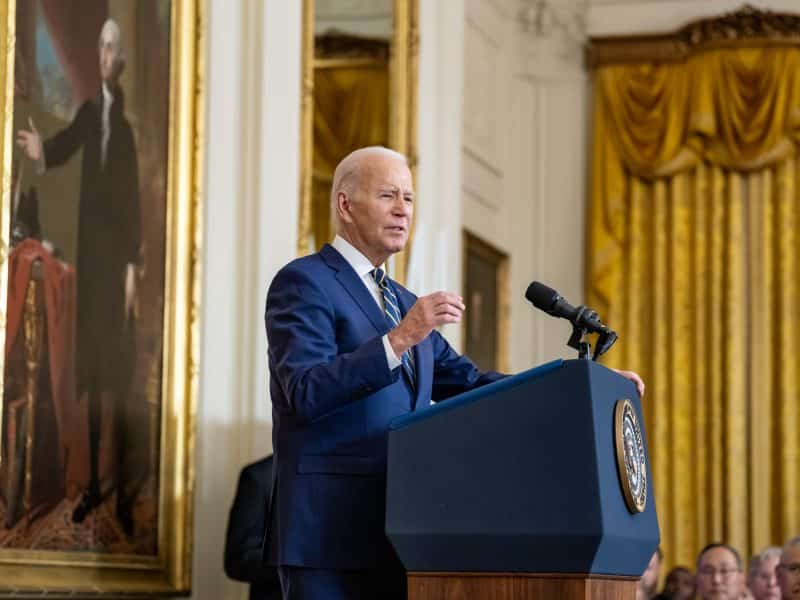
In today’s Daily: The Biden Administration announces plans to force health insurers to provide coverage for mental health conditions on par with physical health treatments. Chicago Mayor Brandon Johnson takes steps to reopen shuttered mental health clinics.

Gavin Newsom wants to reprogram mental health funds to get homeless mentally ill people into housing. How reiki practice may support mental and emotional health. And tips on managing anxious coworkers so the work gets done.

A major study published this week found that reaching age 50 as a member of the working poor is a major pathway to homelessness. And a hair salon deep in the heart of Texas offer free hair cuts and a place of care and safety for transgender Texans.
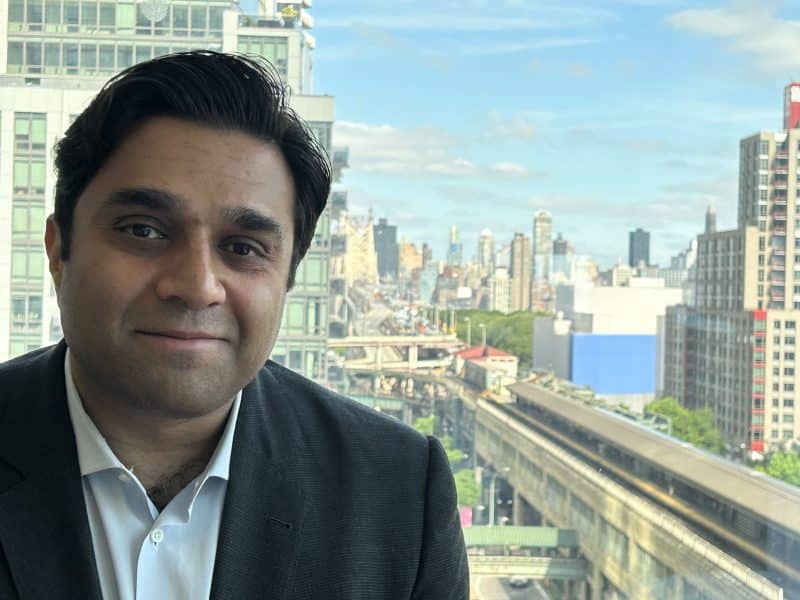
"We're in the midst of the largest drop of life expectancy that we've faced as a city and country in a century. COVID, obviously, is one explanation. But there are many other reasons – overdoses, rising rates of chronic illness, premature deaths from birth inequities, increased rates of violence, suicide. All these link to mental health, either directly, like overdoses, or indirectly. We need to start looking at mental health as a cross-cutting issue that often manifests in conditions or causes of death we would otherwise not refer to as mental health. We have to see it almost in the groundwater."
Five years. 1500 stories. Help us cover what comes next.
All gifts matched through Dec. 31.
