
Promising Research from the VA’s National Center for PTSD
The findings may pave the way for a better understanding of PTSD and potential intervention strategies.

The findings may pave the way for a better understanding of PTSD and potential intervention strategies.

This may be the year when more people turn to chatbots than to human therapists for psychological support and guidance.

Can ChatGPT offer a viable alternative to traditional therapy? In this first-person essay, a licensed therapist explores that question.
Machines can now write, analyze, diagnose, and simulate emotional presence, triggering not just a technological disruption but one that strikes at who we think we are.
A former Brown student and longtime mental health journalist says that how institutions respond after traumatic events can shape mental health outcomes for years to come.
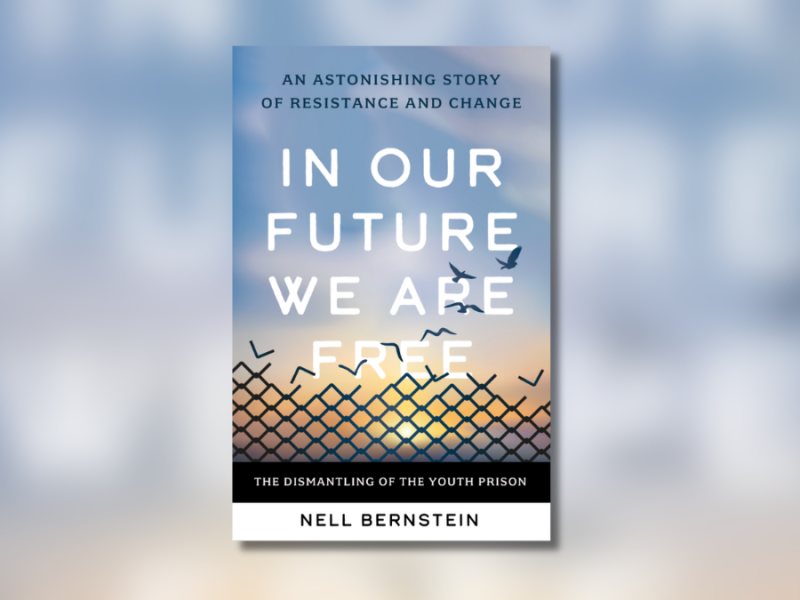
Over the past 20 years, one state after another has shuttered its youth prisons and stopped prosecuting kids as adults, slashing the number of children locked in cages by a stunning 75%. This new book tells the story of how a coalition of parents, activists, and prison officials brought a destructive institution to its knees.

Therapy, the author notes, "isn’t about telling you what you want to hear; it’s about helping you face what you need to hear." Using ChatGPT for therapy, however, is "both engaging and manipulative."
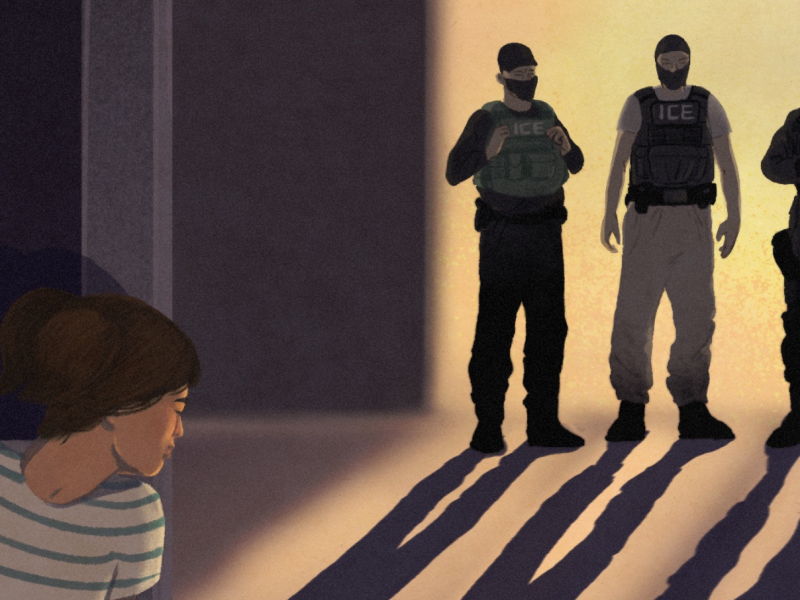
My daughter’s nightmares offer a window into how children are processing Trump’s immigration raids. Such expressions of fear are normal, mental health professionals say.
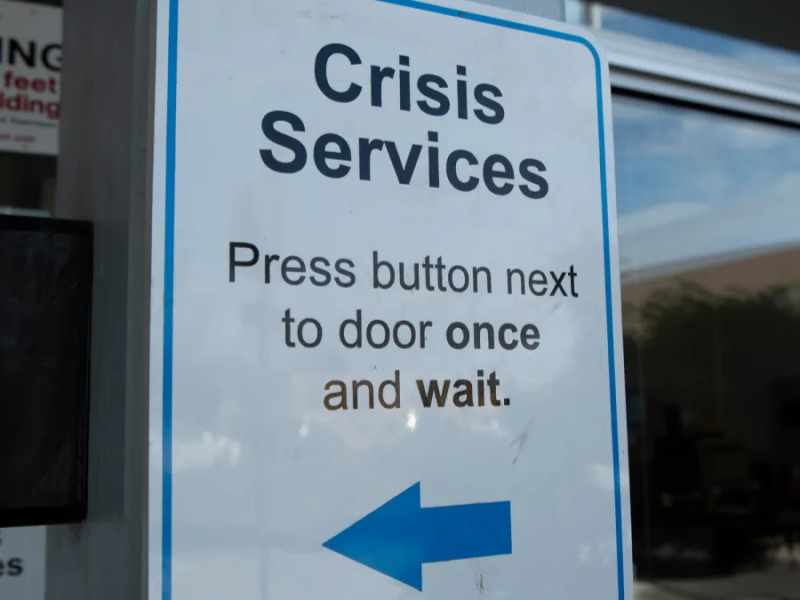
Keris Myrick, who has lived with schizophrenia, contends that California's mental health system fails people by prioritizing forced treatment over humane care.
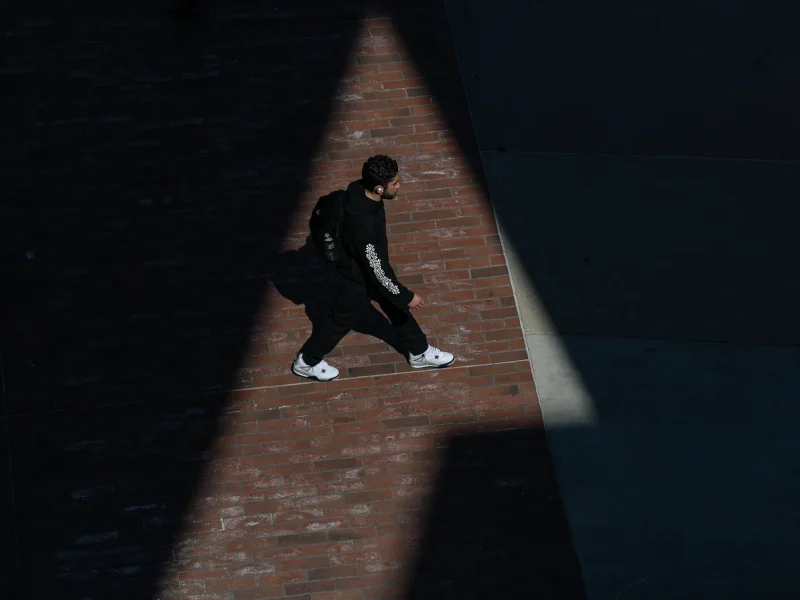
In California, youth and young adults make up 21% of the population but account for 57% of all emergency room visits due to self-harm. When we offer real space to feel, boys start to breathe when they realize emotions are not liabilities but signals.

Nine years ago, I began serving as a volunteer peer counselor at the prison I'd transferred out of, providing support to people in the mental health unit. I’ve learned that trauma affects us all, and I’ve felt a growing sense of purpose.

Teens and young adults are coming of age amid a culture of fear, intensified by the rhetoric and policies of President Trump. Columnist Lisa Doggett and her 17-year-old daughter, Clara Williams, a rising high school senior, share their perspectives on what this means for Gen Z. Clara interviewed three other high school students in Austin.
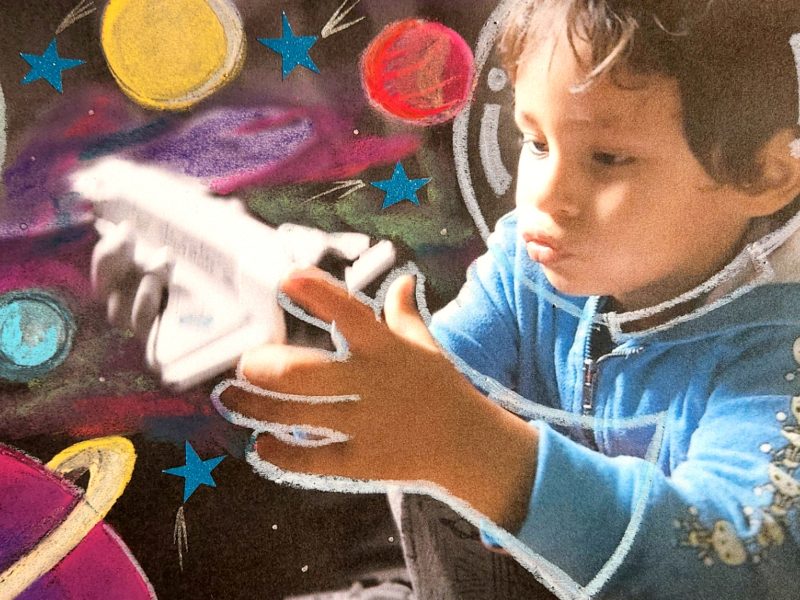
Emiliano, a boy diagnosed with ADHD, faces a system that doesn't know how to see him. While he deals with labels and barriers, his mother — a Guatemalan journalist and refugee in the United States — fights to pave the way for him, convinced that her son is not a problem to be fixed, but a beautiful mind that the world has not yet learned to understand.

A doctor who lost both parents to suicide on how he has learned to cope with the anniversaries of their deaths.

Part 2 of this series looks at the forms of mental health care and support that can help people who have been subjected to solitary confinement cope with their trauma and adjust to new lives.
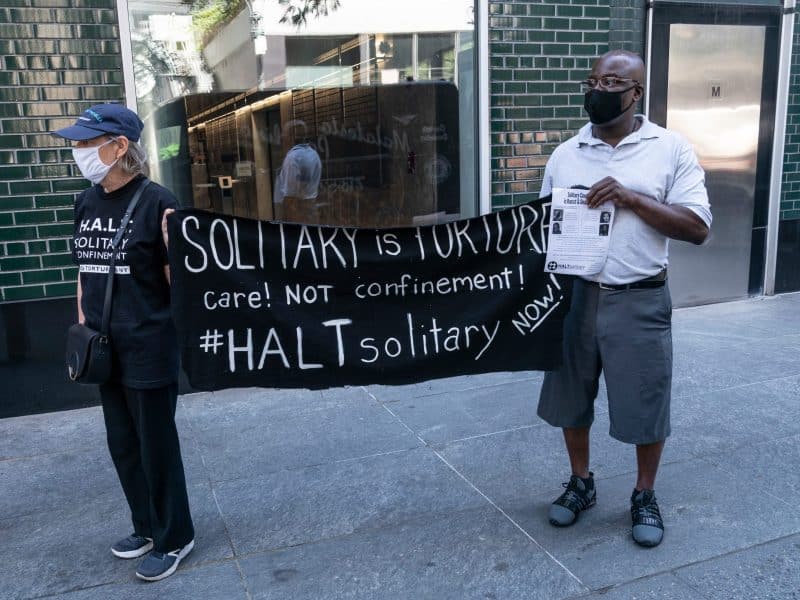
Solitary confinement can cause severe psychological impacts and the U.N. considers it torture. Yet prolonged isolation remains widespread in U.S. prisons and jails, where more than 122,000 people are held in solitary.

“We must do what they fear – tell the truth, spread the truth. This is the most powerful weapon against this regime of liars, thieves, and hypocrites. Everyone has this weapon. So make use of it.”

The divisive times we live in can impact our ability to work as cohesive teams. Finding ways to work well together, with respect and inclusivity is an important step forward.
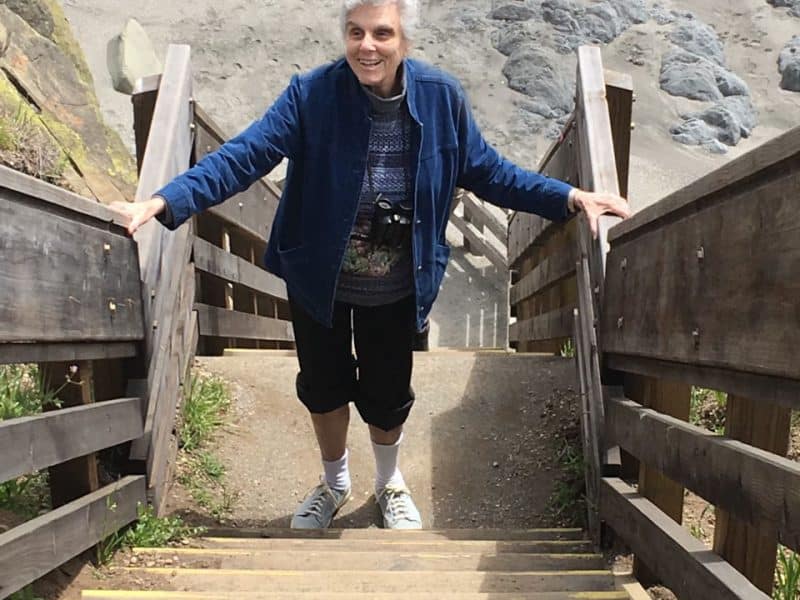
Twenty-seven years ago I went to my eye doctor for what I thought was a routine post-cataract-surgery visit. After some additional tests, I learned I had macular degeneration and that my vision was going to progressively deteriorate. Here are my suggestions for coping.
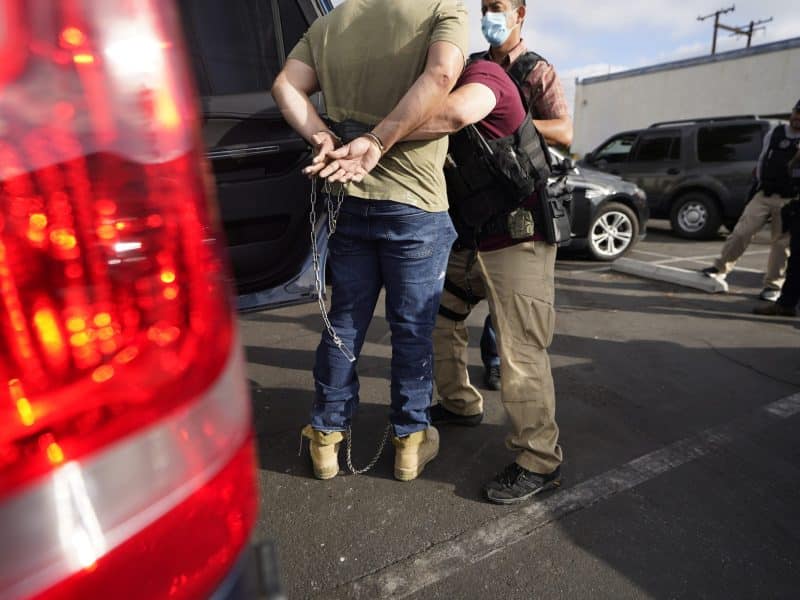
My dilemma: Imagine that I am walking down the street heading to the mailbox and I see an ICE officer approaching a young woman emerging from a house she has just spent the morning cleaning. In this scenario, I am a bystander, about to be a witness. What I do or don’t do matters.

Public response to the murder of health insurance CEO Brian Thompson reveals depth of rage toward insurance industry
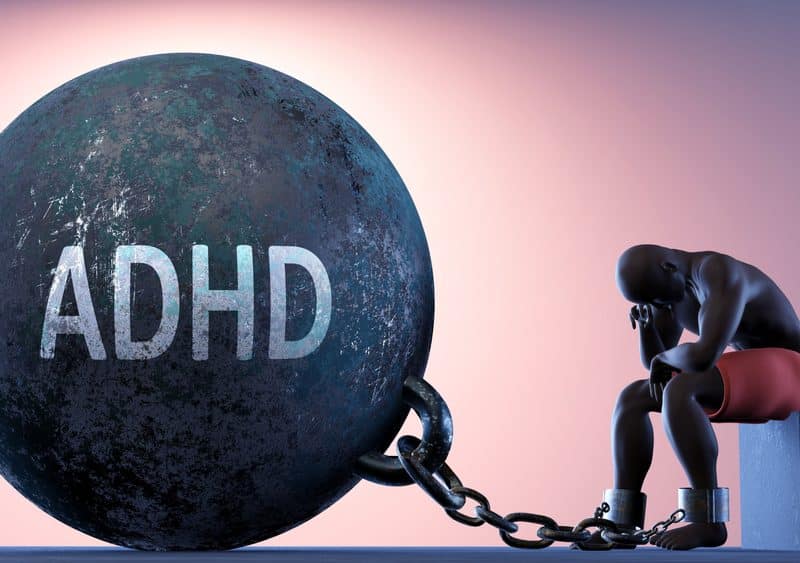
As many as half of all prisoners have ADHD, but they rarely get treatment, even though research suggests treatment can help reduce recidivism and ease reentry.

U.S. Surgeon General Vivek Murthy, the father of two young children, turns the focus in his latest advisory to the stresses faced by parents. In previous reports, he has focused on the mental health crisis affecting children and the epidemic of loneliness in America.

Healthcare and social services workers are experiencing enormous burnout. But a closely evaluated pilot program offering therapy, wellness sessions and coaching is helping lower depression and anxiety in three-quarters of participating healthcare workers.

Friends and family may not understand the depth of the grief you feel over the loss of a beloved pet. Here are some ways to cope.
Take our reader survey and help shape MindSite News reporting
