
“My husband doesn’t take my depression seriously”
Dr. Barbara Greenberg counsels a woman whose husband makes light of her depression.

Dr. Barbara Greenberg counsels a woman whose husband makes light of her depression.

Developments are happening rapidly in the world of psychedelic research and commercial development. We spoke with Josh Hardman, founder of the consultancy firm Psychedelic Alpha, and Dick Simon, co-founder and CEO of Sensorium Therapeutics, to unpack it all.

Thanksgiving is a time of family celebration and gratitude, and some of us can hardly wait to see all our family again. For others, however, Thanksgiving dinner can be triggering. We turned to Bob Sege, a professor of pediatrics at Tufts University who studies childhood trauma and resilience, for his thoughts on the holiday.

Dr. Barbara Greenberg gives advice on how to deal with a series of seeming rejections.

A teenage girl hates being overweight and feels all her classmates are judging her. Dr. Greenberg gives her some other ways to think about body image.

A retired nurse asks Dr. Greenberg whether she should be concerned about her son's girlfriend, whose actions suggest she is dealing with bulemia.

In 2019, more than 55,000 incarcerated Americans had spent the past 15 days in solitary confinement. Jeffrey McKee was one, and he writes about the impact it had on his psyche.

Ask Dr. Greenberg your questions about kids, teens, youth and parenting.
Ask Dr. Greenberg your questions about kids, youth and parenting.
If you were ever hospitalized for a medical condition, you probably received a survey asking you about your experience. What you thought mattered to the hospital staff treating you – unless you were hospitalized for a mental health condition. In that case, your experience doesn't count and isn't asked about.
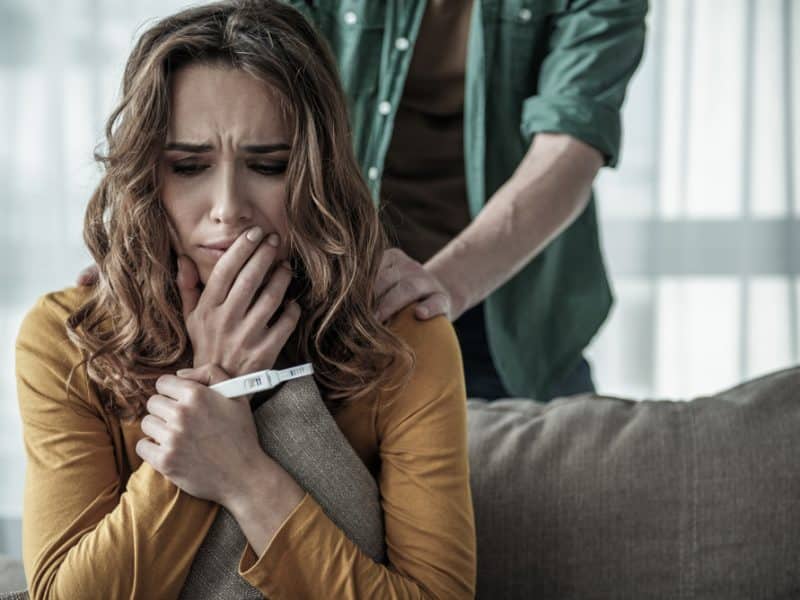
As a therapist and scholar specializing in perinatal mental health, I’ve witnessed the psychological impacts of reproductive traumas across pregnancy and after childbirth. This gives me insights into how new restrictions on reproductive health care affect psychological well-being.

“How did your teen do during the pandemic?” That’s a question I often ask other parents, and their answer is almost always the same: Their sons were fine – they even flourished during Zoom school, getting more sleep and spending more time playing video games. Their daughters imploded.

After acts of gun violence, questions often arise about whether the assailant had a history of mental health conditions. The public and policymakers must stop responding to gun violence and mass shootings by saying that mental health conditions are the underlying cause. The claim is false and discriminatory.

An interview with the CEO of Cerebral, the virtual mental health company that experienced explosive growth in its valuation and business and is now recalibrating and dealing with legal challenges.

Searching for a motive as a way to prevent mass shootings will just get you a useless answer to the wrong question.The right question is: What happened to a child to turn him into a killer spouting racist hate?
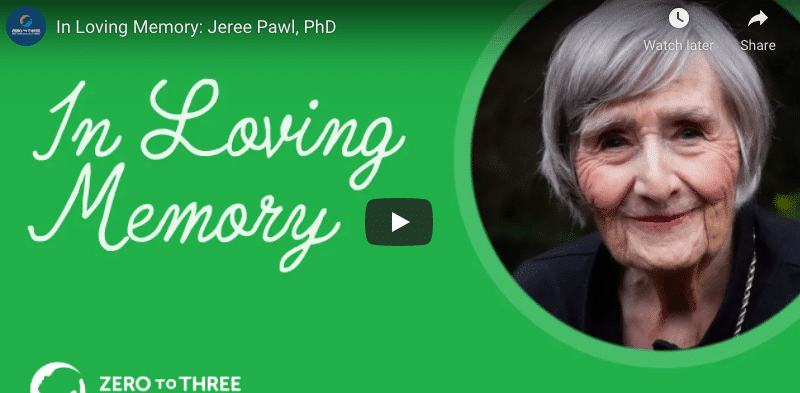
Some cases that you encounter as a psychotherapist you never forget. In 1986, as a trainee at the Infant-Parent Program, I worked with a family that almost broke my heart. Fortunately, I had an excellent teacher and mentor: Jeree Pawl.

I am part of a generation that feels, constantly, and even in the most mundane moments, that the world is ending. Almost every article I read these days begins with the same preamble listing all of the overlapping crises, topped off by the climate crisis, which will quite possibly lead to the extinction of our species. I feel swallowed by despair, and I know I’m not alone.

As Partners for Justice advocates embedded in the offices of public defenders, we work to connect clients to resources. In turn, our clients have taught us that to heal this nation, we must learn to respond to social harms and injustice with mercy and an interest in solving problems, rather than exacting punishment.

Cedric, a teenager in the midst of a mental health crisis, died while being restrained at the Sedgwick County Juvenile Intake and Assessment Center (JIAC).

I knew I had to do something to protect the life of my child – this was the birth of 1 Million Madly Motivated Moms (aka 1M4).

Senate Democrats’ inability to pass the Build Back Better plan is a catastrophe for poor families and their children.

New report spells out mental health crisis and offers steps forward.