
Collateral Damage: The Emotional Toll of Trump’s Immigration Policies on Asian Children and Families
An investigation into the trauma caused by ICE and its potential long-term harm in Asian youth.

An investigation into the trauma caused by ICE and its potential long-term harm in Asian youth.
One of the nation's largest behavioral health hospital chains continues to face legal scrutiny for alleged patient abuse and negligence.

Last year, 169 police officers who received crisis training used force at least once during a mental health-related incident in Chicago.

Chicago will need to dig deep to sustain and expand the CARE program, but state funds could offer hope.
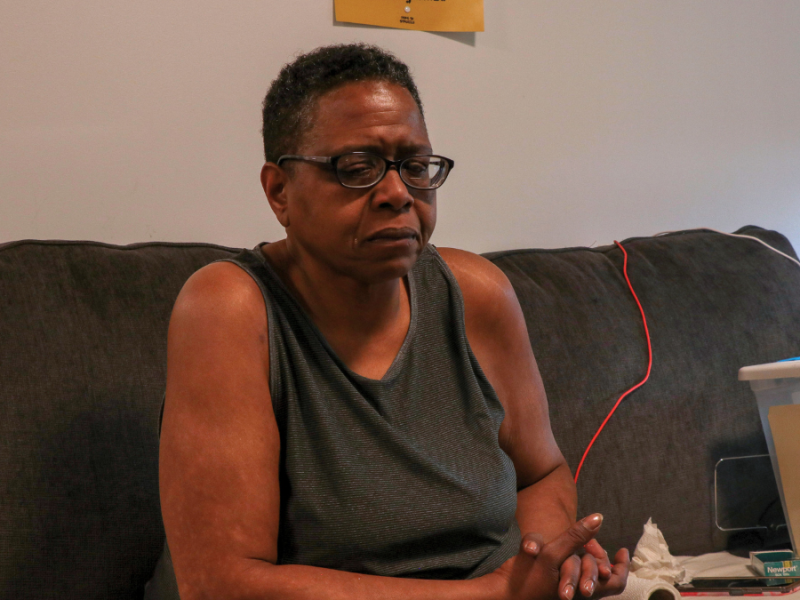
Chicago police used force to respond to mental health crises more than 400 times in 2024.
Thousands in crisis are being involuntarily hospitalized despite little evidence of effectiveness.

Chicago’s mental health crisis teams were meant to replace police with clinicians. Bureaucratic dysfunction and fading federal support now threaten their survival.

A four-part investigative series supported by the Pulitzer Center.

For people in rural America, finding treatment for eating disorders is nearly impossible. Nearly 20% of patients live in states with no residential treatment in their state.

For years, the media image of an anorexic youth was an emaciated white female teen. The stereotype was so pervasive that eating disorder specialists have an acronym for it: SWAG, or skinny, white, affluent girl.
Eating disorders are America's deadliest mental health condition. For people struggling to get care, health insurers create some of the most formidable hurdles.

As Portland weighs expansion of an alternative crisis-response program, new data from a MindSite News-Medill investigation shows police often deploy force on residents who are unhoused or grappling with mental illness.

Four former foster youth, now adults, talk about how psychiatric medications impacted their childhoods, and how they since have healed.

Prescribing to foster youth of psychiatric medications has fallen since judges were tasked with oversight. Still, says one, "constant vigilance" is needed.

An investigation by The Imprint reveals overmedication and spotty enforcement of federal requirements that child welfare agencies monitor psychiatric prescriptions for foster youth.

The agency tasked with leading the fight to ease the country’s mental health and addiction emergencies is going through an existential crisis. About 100 of its 900 workers have been fired and those that remain are frightened and demoralized. Communications with agencies funded by SAMHSA has slowed or halted. "Nobody feels safe," one employee said.
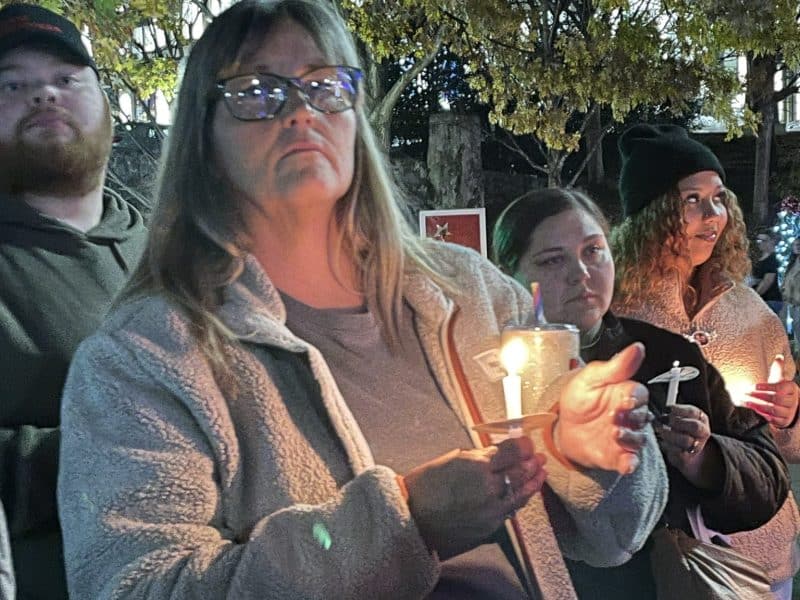
From 2011 to 2021, more than 300,000 children lost a parent to fatal drug overdoses. Despite billions set aside in opioid settlement funds, grandparents who have stepped up to raise those children get very little support.

COVID was not an equal-opportunity destroyer. American Indian and Alaska Native children were orphaned at three times the rate of white children, and Black children at double the rate. Without support, children who lose a parent or caregiver are at risk of developing lasting problems with depression, lower academic achievement, and behavioral issues.

Accounts of people in mental health crisis killed by police have gained wide public attention. Far less known are cases of non-fatal force. A two-year investigation identified thousands of incidents in which people in crisis had tasers, batons and other forms of less-than-fatal force used against them.

Children who experienced the death of a parent due to Covid, gun violence and opioid overdoses often fail to get counted or served.

Parental death has been rising in the U.S. due to COVID-19, the overdose epidemic and gun violence. In this first part of Forgotten Children, we look at efforts to help children grieving from the loss of parents to gun violence.

In the weeks before the election, fear and anxiety began to mount. Now mental health advocates and allies are getting ready to confront a new reality.

Peoria County Jail in Illinois has kept mentally ill charges in restraint chairs far past industry recommendations.

The United Nations has declared that chair restraints are torture. But Illinois jails use them routinely, according to this story from the Illinois Answers Project.
Take our reader survey and help shape MindSite News reporting

