
Meet the New Generation of Unarmed Responders in this New Podcast Series
This three-part podcast looks at efforts across the country to deploy first response units that use unarmed civilians, instead of armed officers, to mental health emergencies.

This three-part podcast looks at efforts across the country to deploy first response units that use unarmed civilians, instead of armed officers, to mental health emergencies.

Even before the Israeli-Hamas war broke out last October, rates of depression among Palestinian adults in the West Bank and Gaza were 10 times the global average. Among children, the rates were higher still – and are getting worse as the Israeli siege nears the 10-month mark. A documentary look at the mental health of Palestinian youth.

In Maine, state agencies and nonprofits are working to help farmers distressed by the discovery of PFAS – better known as “forever chemicals” – on their land.
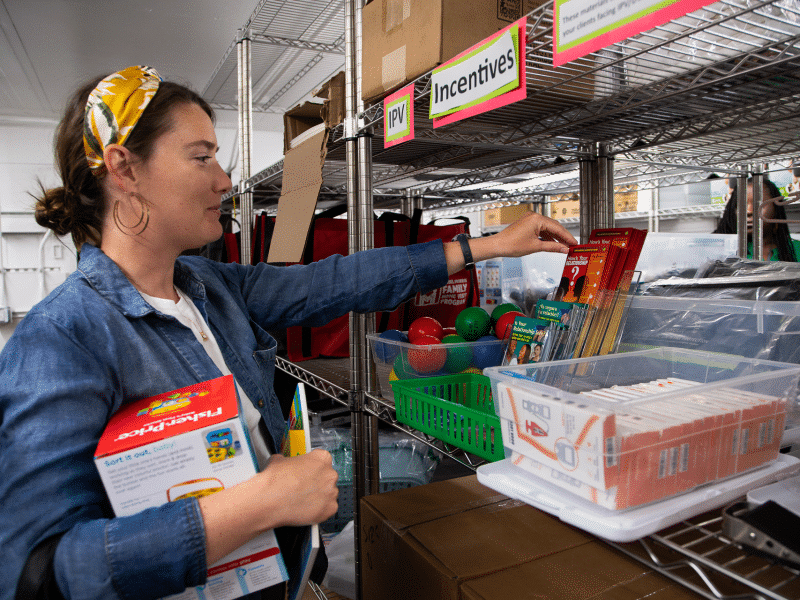
Since 2001, the Nurse-Family Partnership program has been pairing mothers-to-be in Philadelphia with a visiting nurse who makes house calls, starting in the second trimester of pregnancy.

Lawyers representing survivors of sexual abuse at an infamous federal prison in Dublin, California, are trying a novel strategy: compassionate release. The mechanism, generally conceived of as a last-resort option for dying or medically incapacitated prisoners, is for the first time being considered as a reparative measure for women who were sexually abused while in federal custody.

Correctional officers used pepper spray, stun shields, multiple Taser shocks and a Stinger 15 grenade to remove a single, naked man from his cell in Riverside County’s jail. Ten minutes later he stopped breathing.

Something was going on with Abnerd Joseph, a young, Black assistant principal in Chicago. He was pacing the hallways of his downtown apartment building in his bathrobe and acting strange. Some of his neighbors called 911. Another took matters into his own hands.
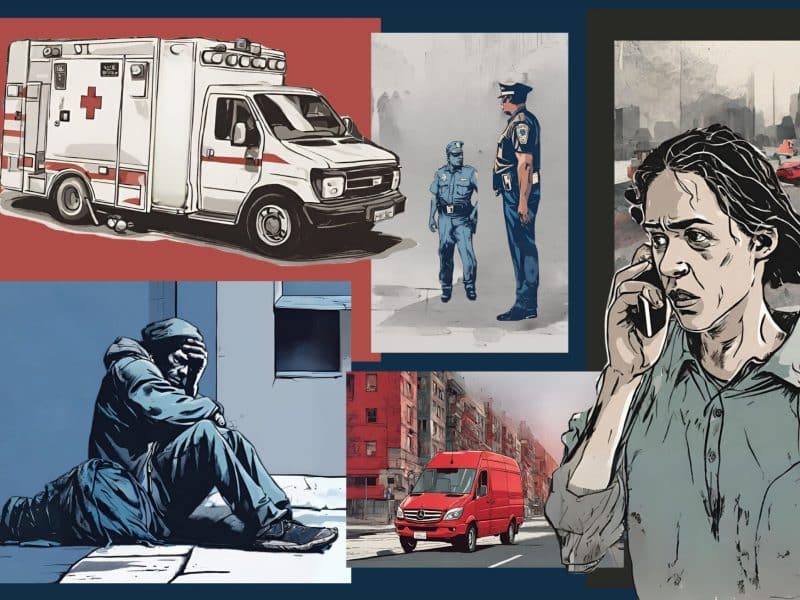
In San Francisco, as in many cities, it's not uncommon to cross paths with a person experiencing homelessness in the throes of a mental health crisis. The scene can be tragic, confusing and can feel dangerous. Bystanders might wonder how to summon help from the city – and what will happen if they do. We created a flow chart to answer those questions.

Last year, thousands of people fell into San Francisco’s badly strained system for treating severe mental health and drug-related crises. Many who enter that system receive temporary care and multiple involuntary psychiatric holds that fail to address long-term needs and problems.

Isabella Ramírez, editor of the Columbia Daily Spectator, describes the stress experienced by her team of student journalists as they covered occupations and police actions – and coped with accusations of being anti-Semitic and anti-Muslim over the past eight months.

At a national conference on the U.S. mental health crisis response system now taking place in Chicago, crisis counselors, administrators and federal officials are discussing ways to improve the system amid worries over funding and training.
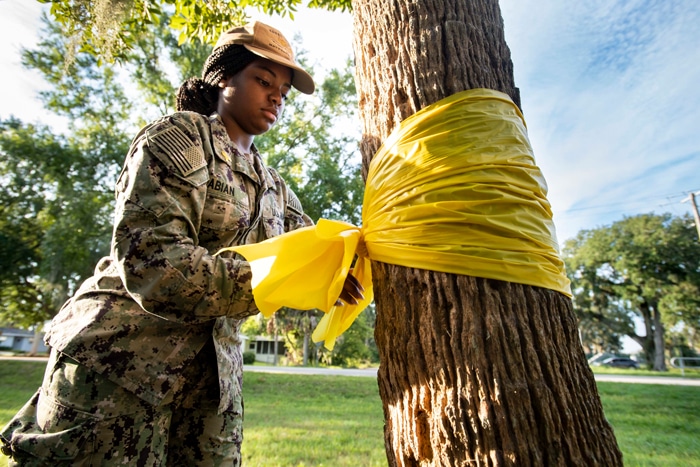
The rate of women veterans dying by suicide nearly doubled from 2001 to 2021, according to a report from the Dept. of Veterans Affairs released in December. Now a new report from Disabled American Veterans offers more evidence that the VA lacks systems to protect women, including from military sexual trauma. It’s as if female veterans are “invisible,” one researcher said.
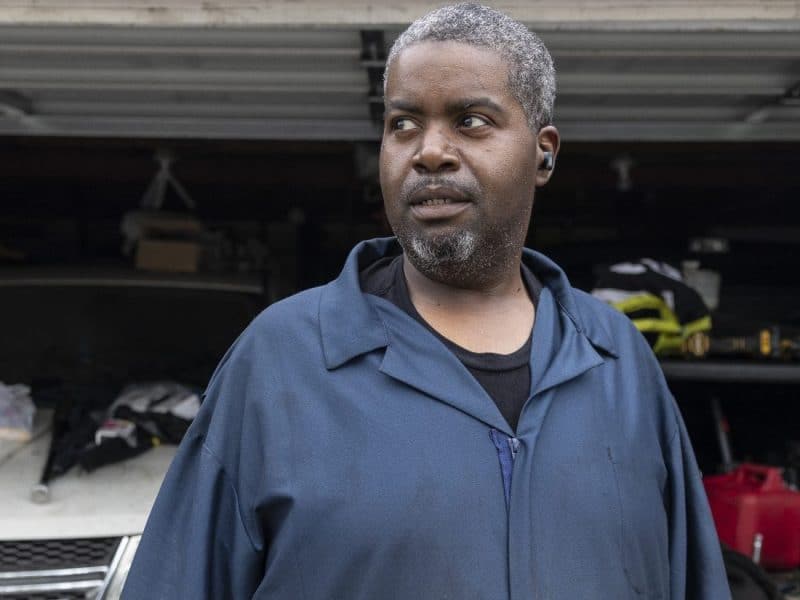
For residents of Police Beat 1122 on Chicago's West Side – and for all who watched on TV or social media – the killing of Dexter Reed last month after he was stopped for an alleged seatbelt violation was a vivid reminder: Such violence could happen to them at any time.

Last month, Congress escaped from gridlock to approve two spending bills that kept the government open while maintaining high levels of mental health funding. The Congressional action shows that mental health continues to command uniquely strong bipartisan support.

He took his case, arguing that extended solitary confinement was cruel and unusual, all the way to the Supreme Court – and lost. Today he's out of prison working to rebuild his life.

Gavin Newsom made mental health a priority when he took office five years ago. This ballot initiative will provide billions of dollars to fund housing and treatment facilities for mentally ill Californians – but will also pull money from community services.

As the Israel-Gaza conflict stretches into its sixth month, anti-Muslim sentiment has hit a fever pitch, say community leaders in Dearborn, near Detroit, home to the largest concentration of Arabic-speaking and Muslim people in the country. The war has further inflamed the trauma, anxiety and depression that many in Dearborn have carried with them since 9/11.

It's hard for parents to know what to do when a beloved pet dies -- and how to comfort their children. Psychologist Barbara Greenberg has some advice.

As voters prepare to pass judgment on Proposition 1, MindSite News asked six key players in the state’s constellation of mental health services to weigh in on its likely impact. Will it finally succeed in helping the state address a trio of crises: worsening mental illness, homelessness and addiction?
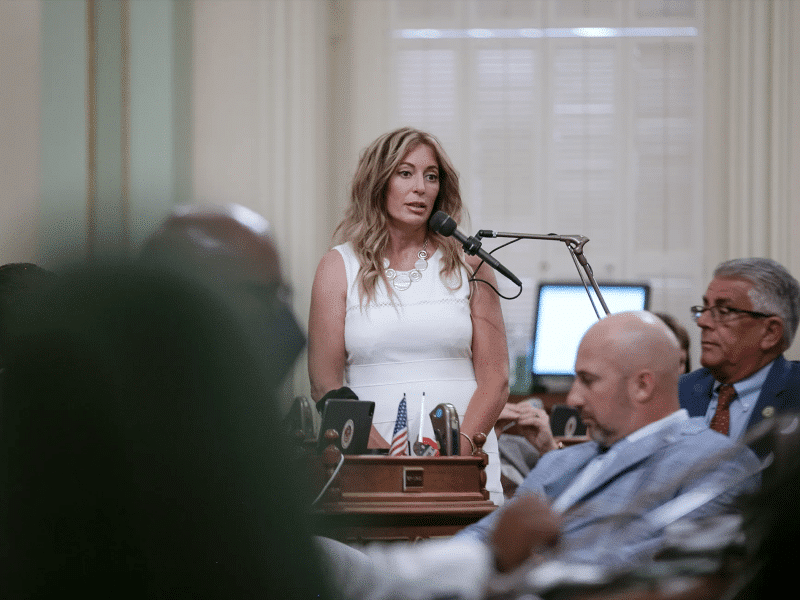
Republican Marie Waldron and Democrat Scott Wiener may seem to have little in common. But they have formed an unlikely partnership on an unusual issue: legalizing psychedelic drugs to treat mental illness.
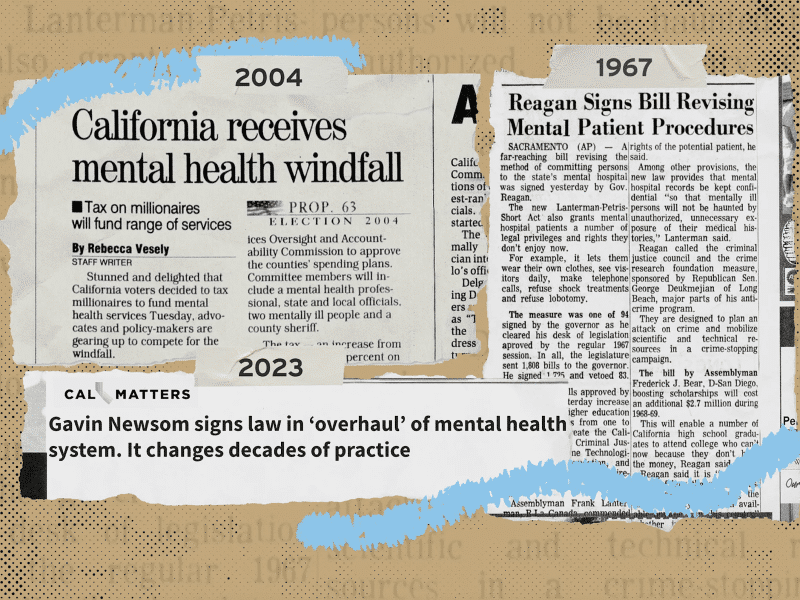
Proposition 1, a March ballot measure in California, is the latest state proposal that aims to make major changes in mental health policy. Here's a look at some of the others over the past 75 years.

Proposition 1, a March ballot measure in California, promises to build 4,350 supportive housing units for homeless people with chronic mental illness. Can it succeed where previous measures fell short?

The author of a survey of crisis hotline counselors talks about his experiences and why he wanted to tap into the wisdom of the people who answer calls to 988.

A newly released report, based on responses from 47 crisis counselors, explored variations in their training and work experiences. The first-of-its-kind survey raised raised the voices of 988’s workforce and surfaced some interesting snapshots.

The Latino community, which faces continual stress and anxiety from racism and immigration issues, is one of the groups least served by mental health professionals.
Take our reader survey and help shape MindSite News reporting
