
At Moyembrie Farm, Incarceration Means Support and Rehabilitation
Moyembrie farm, a unique French facility without cells or bars, helps inmates successfully transition back into society by focusing on mental health support and life skills.

Moyembrie farm, a unique French facility without cells or bars, helps inmates successfully transition back into society by focusing on mental health support and life skills.

An op-ed in JAMA Psychiatry argues that integrating psychologists into inpatient units is essential for improving psychiatric hospital care.

The hopeful news is that both Republicans and Democrats have pledged to address mental health coverage.
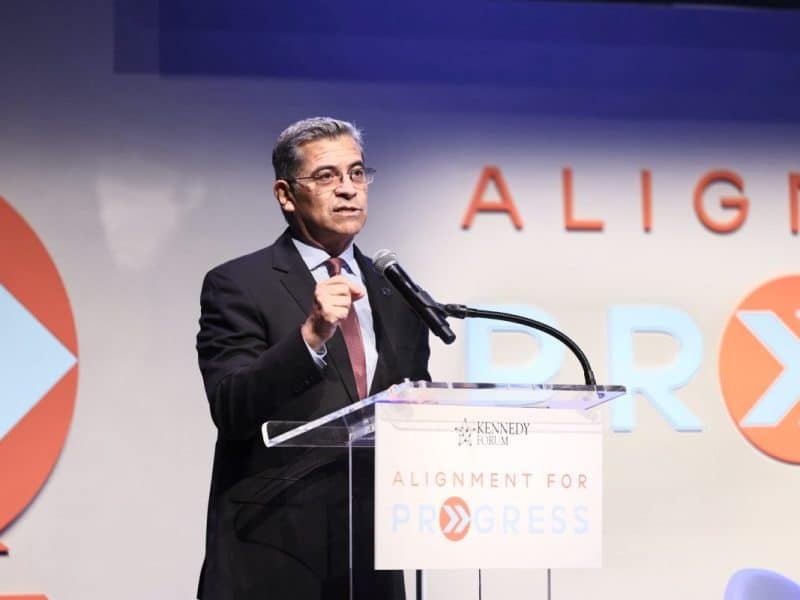
The 988 Suicide & Crisis Lifeline will deploy technology that routes calls based on their proximity to cell phone towers, preventing confusion and delays, the Biden administration announced.

Senate and House committees have put forward two sets of fundings bills for mental health and addiction services. The results won't be decided until the lame-duck Congress meets after the November elections.
Last month, Congress escaped from gridlock to approve two spending bills that kept the government open while maintaining high levels of mental health funding. The Congressional action shows that mental health continues to command uniquely strong bipartisan support.

As voters prepare to pass judgment on Proposition 1, MindSite News asked six key players in the state’s constellation of mental health services to weigh in on its likely impact. Will it finally succeed in helping the state address a trio of crises: worsening mental illness, homelessness and addiction?
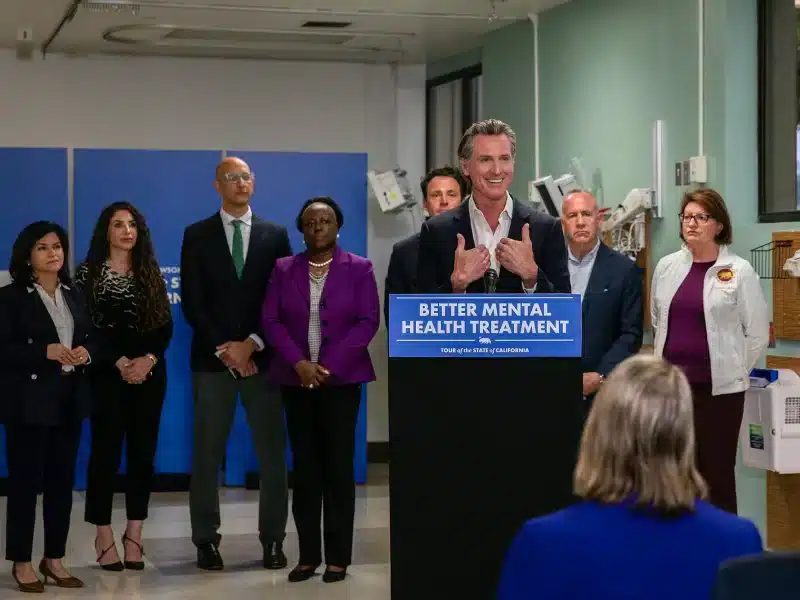
A proposal from Gov. Gavin Newsom to overhaul the state’s behavioral and mental health system is likely to take nearly $720 million away from services provided by county governments annually, according to a new analysis.

The new bill means an independent medical review program would automatically review the case of anyone 26 and younger who was denied mental health treatment.
The compromise bill avoided the disaster of a government default , but the bill may make it more difficult to provide robust federal funding for mental health and substance services for the next two fiscal years.

The annual dance in Congress over passing a bill to avert a government shutdown carries extra importance for mental health advocates this year. The proposed package would complete a historic year of funding and policy-making in mental health.
At the end of a Congressional session that has focused more on mental health issues – and passed more funding for behavioral health – than any Congress in history, could further substantive legislation still emerge? The answer, as always these days, is maybe.
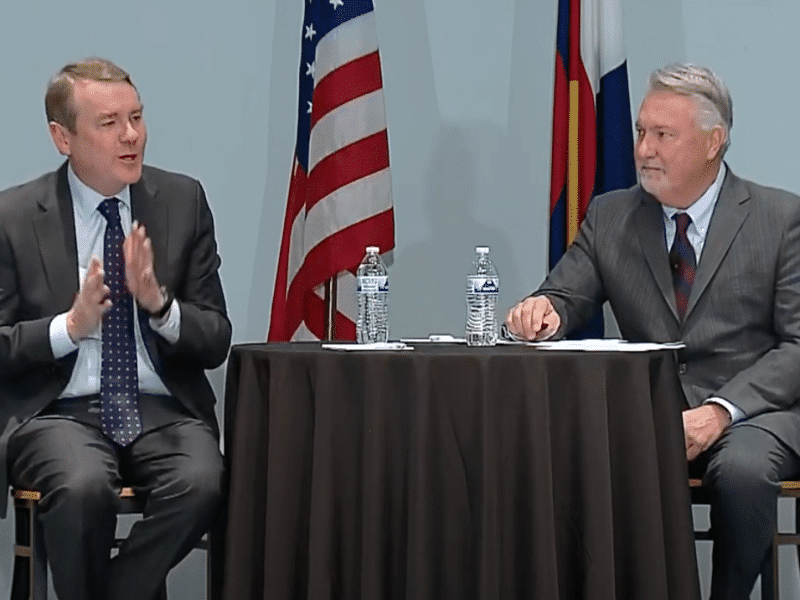
In a sign of the importance of mental health issues, Senator Michael Bennet and challenger Joe O’Dea took part in the first-ever Senate candidates’ forum focused solely on mental health. The candidates clashed on spending but agreed on the need to address the youth mental health crisis, to create parity for mental health care and to expand the mental health workforce.
More than 330 elected officials and political candidates have pledged to make mental health a priority in their platform just weeks before the midterm elections.
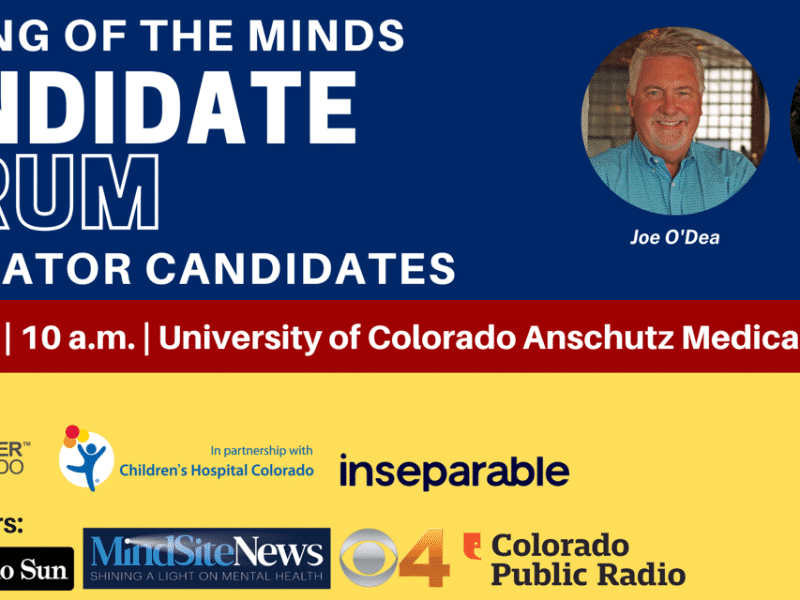
Mental health is becoming a political issue – and that’s a good thing. On Tuesday, Oct. 18, Colorado U.S. Senate candidates Michael Bennett and Joe O’Dea will discuss mental health issues in a campaign forum.

Over the past two years, mobile crisis response units have transformed from theoretical idea to functioning program in many cities. A new national Safer Cities survey shows widespread public support for these programs.
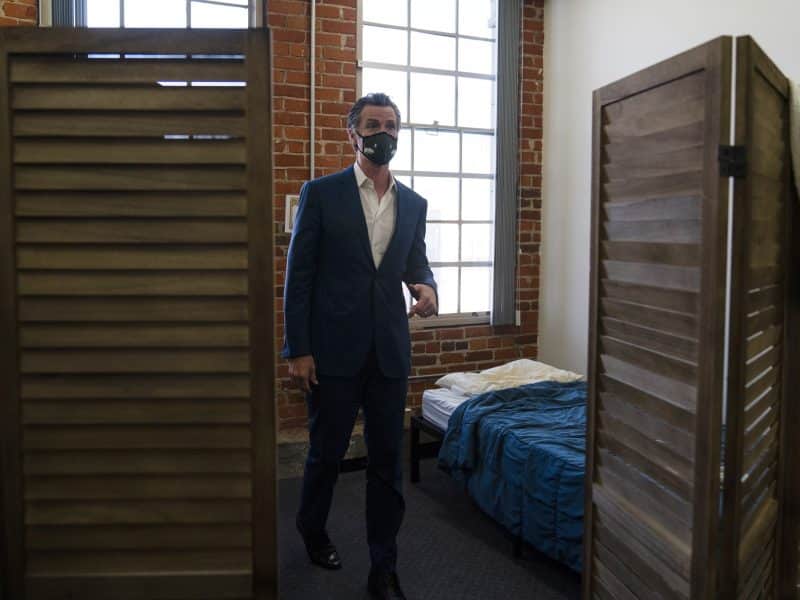
In March, Gov. Gavin Newsom unveiled a controversial proposal to compel people with serious mental health issues into care and housing. Mental health advocates, mayors and family members heralded the plan as a visionary move. Some county officials say they were stunned.
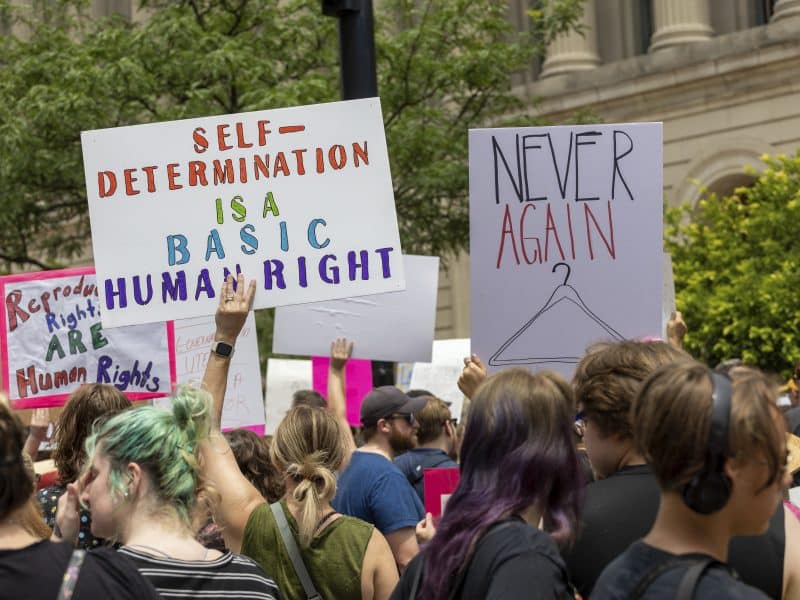
Hours after the Supreme Court’s Dobbs decision overruled women’s civil rights to abortion, clinics began turning away patients who were seeking abortions. The overall effect of the ban on her clients is fear, said Rebecca Jones, a licensed counselor in San Antonio. “It’s terror of being oppressed and marginalized. It’s hopelessness, helplessness, and despair.”
It’s been years since any major gun control or mental health reforms have come out of Congress. But on Thursday, a gun-violence prevention package with $15 million in mental health funding was passed by the Senate on a 65-33 vote. The bill will be taken up by the House of Representative on Friday.
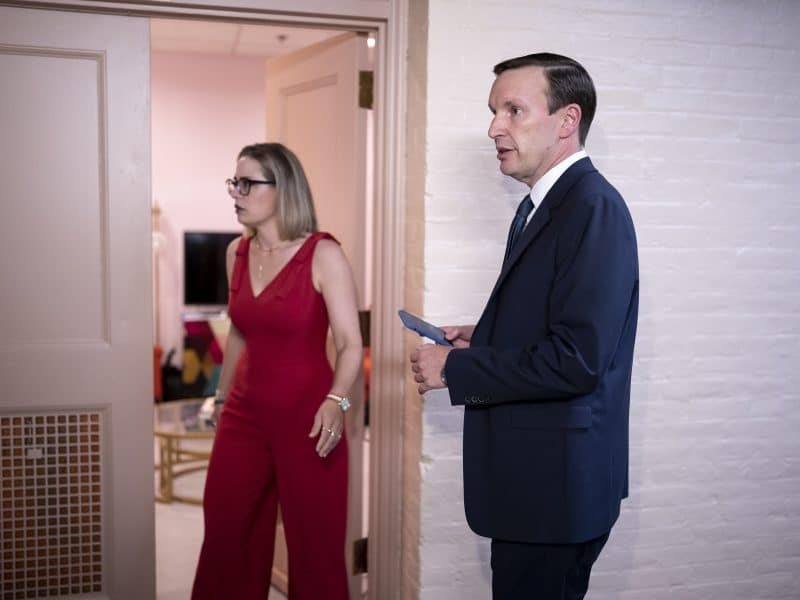
On Jan. 21, a bipartisan group of Senators announced the details of a gun violence legislative package that also commits almost $15 billion over the coming years to funding mental health services. Leading mental health advocates are praising the proposed legislation. Here’s a sample of their reactions:
The summer before midterm elections, little usually gets done in Congress. But this year, action is possible on mental health. Will anything actually get done?
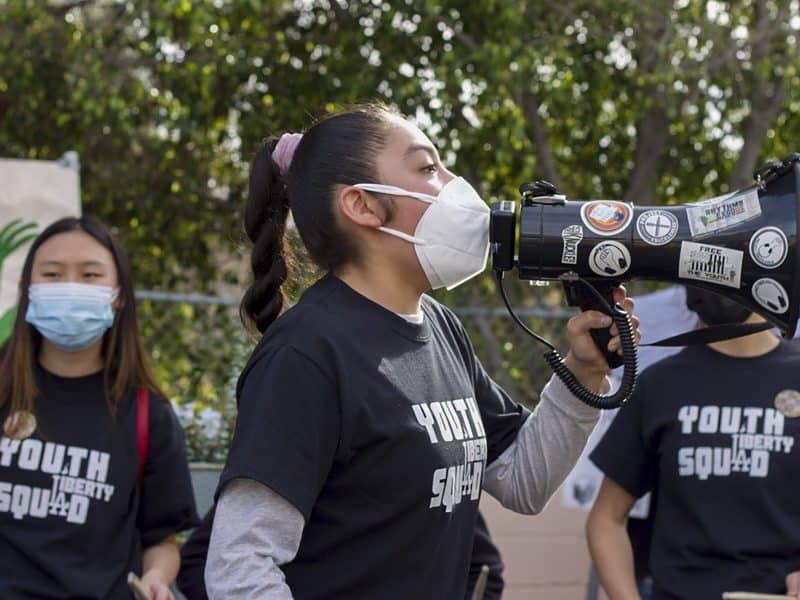
California Governor Gavin Newsom's administration has allocated $4.4 billion in one-time funds to create a statewide Children and Youth Behavioral Health Initiative. The "unprecedented" funding aims to create a sweeping transformation of the children’s mental health system. The bulk of the money has yet to be distributed, but efforts to develop a vision and work with stakeholders are underway.

New federal legislation would boost funding for the new 988 emergency line that is slated to go into effect in July. “If we had a 988 line to call on June 2, 2019, it might have saved Mile’s life,” said Taun Hall, the mother of Miles Hall, who was killed by police during a mental health crisis.

Almost halfway into the current fiscal year, President Joe Biden finally signed an appropriations bill that will fully fund the government for the rest of the year – and that contains substantial increases in mental health funding.

Mental health care and substance use may finally have achieved parity with primary care and specialty medicine – at least in terms of congressional interest. In February alone, there have been five mental and behavioral health hearings between the four committees with jurisdiction over health. Those who have been tracking mental health for a while will tell you this is an unprecedented focus on an often-overlooked subject.
Take our reader survey and help shape MindSite News reporting
