
Unseen: The Impact of Trump’s Draconian Immigration Policies on Asian Americans
Unseen: The Impact of Trump’s Draconian Immigration Policies on Asians in America
By Simran Sethi
A MindSite News investigative series supported by the Nova Institute for Health
Stories by Simran Sethi
When Donald Trump took office in January 2025, he set to work on what has become the most sweeping immigration policy change in modern history. It has led to mass deportations, workplace raids conducted by masked ICE agents, and a rollback of protections in what were formerly safe spaces, including churches, schools, and hospitals. Most of these actions have been highly visible. But the hidden impact is the devastation it has wrought on the mental health of millions who now call America home.
Chaos and fear mark formerly thriving neighborhoods. ICE raids have traumatized not only people who do not have legal status, but refugees, U.S. citizens, visa holders, lawful permanent residents, and young immigrants with Deferred Action for Childhood Arrivals (DACA).
The public face of this challenge are people of Latino descent, but they are not alone. Asians are the fastest growing ethnoracial group in the United States, an overwhelming majority of whom are immigrants or the children of immigrants. They also make up the largest group of refugees in the country. Arrests of Asians by ICE nearly tripled from 2024 to 2025, and Trump has recently limited entry for people from many Asian countries, including a travel ban for those from Afghanistan, Iran, Laos, Myanmar, Syria, and Yemen, and “full scale, rigorous reexamination” for a range of green card holders of Asian descent.
Regardless of their own immigration or citizenship status, nearly one in three Asian immigrants worry that they or a family member could be detained or deported. For children, these fears can have lifelong consequences that damage their health and impede their ability to learn and form relationships. Despite this increasing vulnerability, Asian Americans are three times less likely than their white counterparts to seek help for mental health challenges. This series will explore these challenges in Asian communities in the United States and those who continue to advocate for immigration support and fight for justice.

Collateral Damage: The Emotional Toll of Trump’s Immigration Policies on Asian Children and Families
The trauma of parent and child separation is devastating. It can also cause long-term mental health problems, including anxiety, depression, PTSD, aggression and suicidal thoughts.
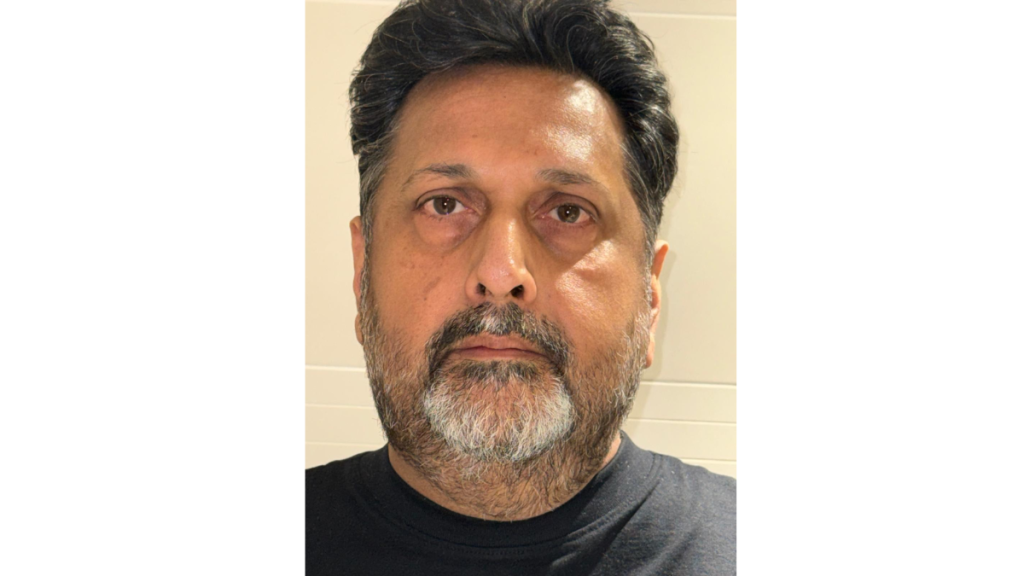
A Father’s Story: Harpinder Chauhan on Being Torn from His Family by ICE
One year ago today, Harpinder Chauhan, who had come to the U.S. from England nine years earlier on an investor’s visa, was detained by ICE. He was deported back to England in June.

How Immigrant Trauma Harms the Developing Brain: An Interview with Harvard’s Martin Teicher
Children separated from their parents suffer trauma so severe that it can do lifelong damage to their physical and mental health and upend their ability to trust people.
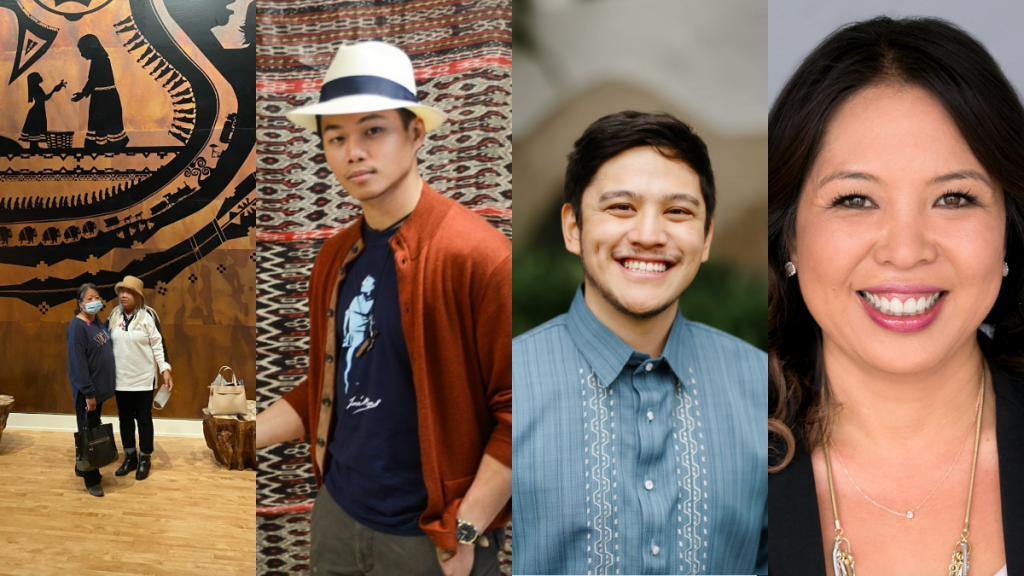
“It’s More Horrific Than What Is Being Told”: Filipinos Speak Out About Being Targeted by ICE
A series of audio interviews about detention, abusive treatment and deportation for the 4th largest immigrant group in the U.S.
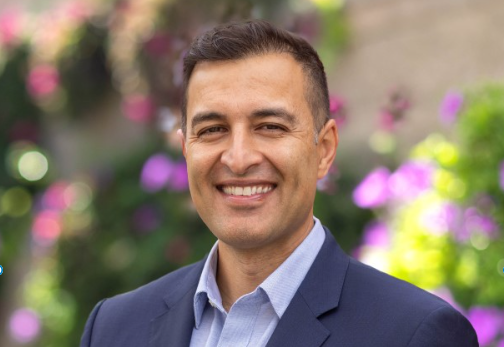
The Trauma and Resilience of Afghans: An Interview with Dr. Qais Alemi
Alemi says refugee trauma stems not only from war atrocities, but from cultural dislocation and the loss of language and identity.
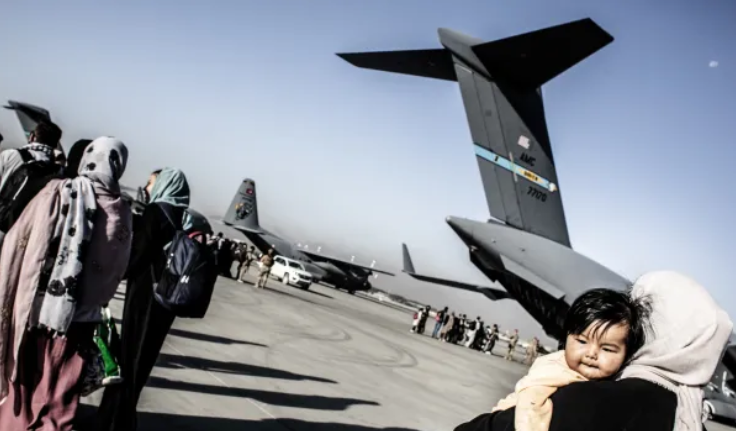
Fleeing Afghanistan After Its Fall Was ‘Like An Avalanche’
Shock, disbelief and numbness overtook Eman Darwish as she was forced to flee her country.
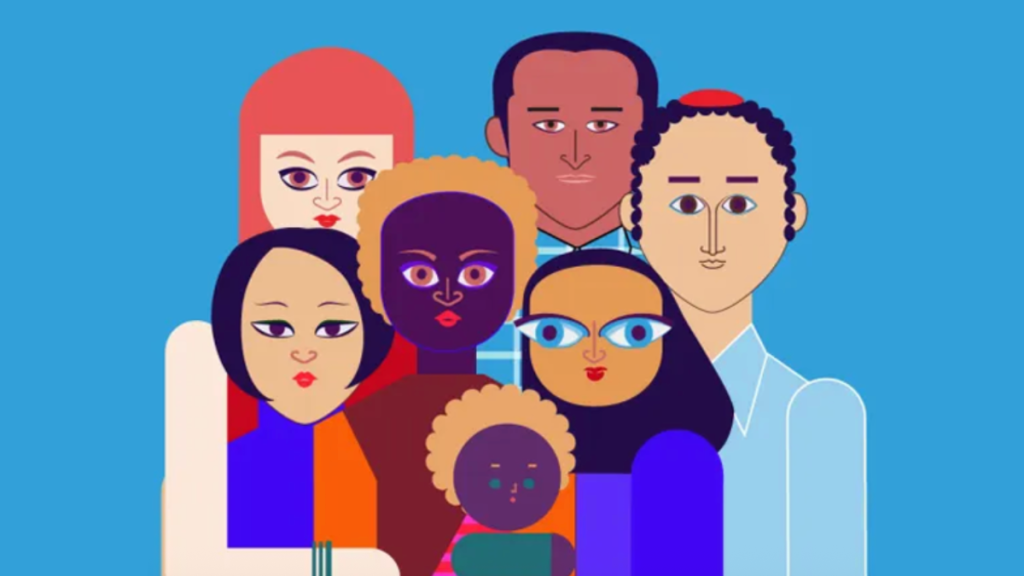
Know Your Rights: Managing ICE Encounters on the Job and Elsewhere
In the United States, both citizens and noncitizens have legal rights. Knowing your rights and carrying your documents can help protect you if you are approached by ICE agents.

This is a comprehensive guide for families and individuals dealing with ICE. Everyone—regardless of their immigration status—should know their rights. This includes the right to remain silent if ICE or the police come to your home or workplace or stop you in public.
About the author
Simran Sethi is an integrative therapist and an award-winning journalist who has published in the New York Times, The Guardian, the Wall Street Journal, WIRED, MindSite News and many other outlets. She is also a fellow with the Nova Institute for Health focusing on Asian mental health.
Photo: “Immigrants Make America Great” sign in a NYC protest on March 15, 2025, taken by Christopher Penier/Shutterstock
Artwork for the ICE encounter and family preparedness guides: Aditi Raychoudhury
Design by Naomi O’Donnell
The name “MindSite News” is used with the express permission of Mindsight Institute, an educational organization offering online learning and in-person workshops in the field of mental health and wellbeing. MindSite News and Mindsight Institute are separate, unaffiliated entities that are aligned in making science accessible and promoting mental health globally.

