America’s War on Opioid Recovery
Why has the U.S. failed to embrace two addiction treatment medications that have shown they can save lives? STAT took a look. And a photo essay spotlights elders from across the globe and shares the wisdom and peace they’ve acquired over 72 years.

Wednesday, March 5, 2024
By Courtney Wise

Greetings, MindSite News Readers! In today’s Daily, an investigation by STAT examines America’s massive failure to employ methadone and buprenorphine to prevent overdose deaths and aid in addiction recovery. A photo essay spotlights elders from across the globe and shares the wisdom and peace they’ve acquired over 72 years. And a viral video points out the signs of “high-functioning depression.”
Plus, a new podcast looks at the disappearance of psychiatric hospital beds over the past 50 years.
The U.S. has sabotaged overdose prevention, sacrificing thousands of lives, a STAT investigation finds
For 30 years, opioid overdose deaths have been climbing steadily – and now exceed 80,000 a year. But all that time, two medications that are highly effective at preventing overdose deaths have been largely sidelined: methadone and buprenorphine. It’s not a new story. Addiction researchers, public health experts and federal lawmakers have said for years that making these medications widely available could save tens of thousands of lives. Now a year-long investigation by STAT has laid the story bare for all to see.
“Virtually every sector of American society is obstructing the use of medications that could prevent tens of thousands of deaths each year,” writes reporter Lev Facher. The public health experts and legislators he talked to view the country’s “singular failure to prevent overdose deaths not as an unavoidable tragedy but as a conscious choice.”
There’s no hyperbole in that statement. Methadone and buprenorphine are relatively affordable. People who use them show significant declines in illicit drug use and are at a much lower risk of overdose or death. The medications eliminate the torturous withdrawal opioid users experience when attempting to detox or quit. Both are proven to help addicts return to healthy lives. And yet, Narcotics Anonymous – arguably the nation’s largest provider of addiction treatment – opposes the medications and excludes participants who use them, arguing that they merely swap one addiction for another.
People with opioid use disorder in prison are often barred from using buprenorphine. Drug courts meant to aid addiction recovery often reject the use of addiction medications. A federal survey found that at least 751 addiction treatment facilities refuse clients using methadone or buprenorphine. And methadone clinics – largely owned by for-profit companies – have lobbied to try and prevent wider use of buprenorphine or the changes to regulations that would allow methadone to be more widely prescribed and used at home. Requiring people to report to clinics daily to get their methadone dose keeps people like 65-year-old Detroit resident Rebecca Smith from staying in her job.
Methadone and buprenorphine are opioids – but they work and are used very differently. They’re not just substituting one opioid for another, says Nora Volkow, director of the National Institute on Drug Abuse. “They’re not different from other medications you may need to take, like antihypertensive medications or antidiabetic medications. They allow for your physiology to be normalized, which is necessary to achieve recovery.” Her agency reports that barely one-fifth of the 2.5 million Americans with opioid use disorder are getting these medications, which are widely seen by researchers as “the gold standard of addiction treatment.”
“Outdated views, combined with stigma around treatments for opioid use disorder, combined with the challenging regulatory environment, are leading to a situation where people just aren’t getting evidence-based care,” said Jesse Ehrenfeld, an anesthesiologist and president of the American Medical Association. “This is a moment where we need everybody to step up, and stop dragging their feet.”
This is what 72 looks like – a global photo essay
Ours is a culture in which people wish to live forever without ever growing old. But growing older we all are, and in just six years from now, one in six people living on planet Earth will be 60 or older. To document – and celebrate – this new reality, photojournalists Ed Kashi, Sara Terry, and Ilvy Njiokiktjien organized a project titled “1 in 6 by 2030.” They invited photographers from all over to capture the daily lives of 72-year-olds – the global median lifespan – in a project that started last year and will roll out for six more years.
On Sunday, NPR published a photo essay worth far more than 1,000 words featuring the images and words of six elders from South America, Africa, and Asia. “The wheels of time have changed most things,” Makanga Kamulegeya of Uganda told NPR’s Jjumba Martin. “The one thing time has not touched is my capacity for life and living.” Despite the difficulties they’ve all faced in life, the sentiments they share about aging can be summed up in a few words: Though there’s been much worry and sadness – and some remains – many elders are living lives of joy and hope.
“You no longer owe satisfaction to anyone – it’s a great feeling of freedom,” said Beatriz Amado of São Paulo, Brazil. And though she feels sad that she may not live to see her young grandchildren grow up, the thought doesn’t overwhelm her. “There are things I can’t do anymore,” Amado went on, “but I don’t waste time thinking I’m going to die tomorrow. It took me a long time to understand how old I was. I feel so young, so full of life, not like 72 years old at all. I want to live much longer.”
Recognizing the signs of “high-functioning depression”
You won’t find “high-functioning depression” listed as a disorder in psychiatry’s “diagnostic bible,” the Diagnostic and Statistical Manual of Mental Disorders. But some mental health experts say the term is helping people realize that depression doesn’t have to be overwhelming – they can have it and be suffering, even as they get on fairly well in their day-to-day lives.
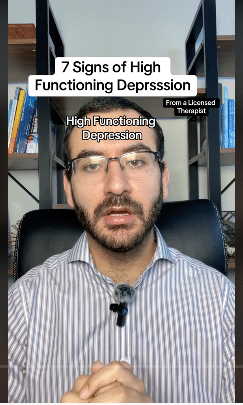
“There’s a myth” that somebody with depression can barely get out of bed in the morning, mental health counselor Jeffrey Meltzer told the Washington Post. “They can function, they can go to work, they can do all these things. But deep inside, they’re feeling really down, they’re feeling quite empty or lonely.”
The term gained traction in 2022, following the suicide of former Miss USA Cheslie Kryst. Her mother told media outlets that Kryst dealt with high-functioning depression “which she hid from everyone.”
Last November, Meltzer posted a video on TikTok listing seven signs that suggest that a person may have this kind of depression. It struck a nerve, drawing more than 8 million views and 5,000 comments. “This describes me to a tee,” said one.
Melzer’s seven signs are:
1) Isolating from friends and family.
2) No longer finding joy in the activities you loved.
3) Persistently criticizing yourself.
4) Frustration with small irritations or setbacks.
5) Turning to mindless habits for hours on end.
6) Always feeling low on energy.
7) Managing day-to-day tasks but feeling empty inside.
But even if you’re feeling these, it’s best not to try and self-diagnose, said Pankhuri Aggarwal, a mental health researcher at Northwestern University. “It’s really important for them to come and talk to a mental health professional,” she said.
“There is no one-size-fits-all depression,” said Vaile Wright, senior director of health-care innovation for the American Psychological Association. “In children and adolescents, it looks much more like irritability,” she told the Post, while in men, “it looks a lot more like anger and substance abuse.”
In other news…
Seattle’s NPR station, KUOW, and the Seattle Times are about to release a podcast, Lost Patients. The six-episode series investigates what’s happened to the vast number of mentally ill people displaced over the past 50 years, as 84% of state-run psychiatric hospital beds have been eliminated.
The show premieres Tuesday, March 12 and will feature conversations with mental health experts, court and law enforcement officials, researchers, and patients. It’s available wherever you listen to podcasts. Check out the 2-minute trailer here.
Proponents of “hydrogen water” say it can boost your mood, among other claims. But at $100 per bottle, is this H2O with a little extra H really worth the cost? If I had Oprah’s money, I might spring for a case, but the experts who spoke with the New York Times say it would probably be a waste. For every study that shows a benefit, there are others that challenge those findings, said Mitchell Rosner, a kidney doctor who specializes in fluid and electrolyte disorders. “If you have $100 and want to improve your health, you’re probably better off buying $100 of fresh fruits and vegetables than two cases of hydrogen water,” he said.
If you or someone you know is in crisis or experiencing suicidal thoughts, call or text 988 to reach the 988 Suicide & Crisis Lifeline and connect in English or Spanish. If you’re a veteran press 1. If you’re deaf or hard of hearing dial 711, then 988. Services are free and available 24/7.
Recent MindSite News Stories
Can Prop. 1 Address California’s Trifecta of Mental Health Crises? Voters Are About to Decide

As voters prepare to pass judgment on Proposition 1, MindSite News asked six key players in the state’s constellation of mental health services to weigh in on its likely impact. Will it finally succeed in helping the state address a […]
How psychedelic drug therapy became a rare bipartisan issue in California
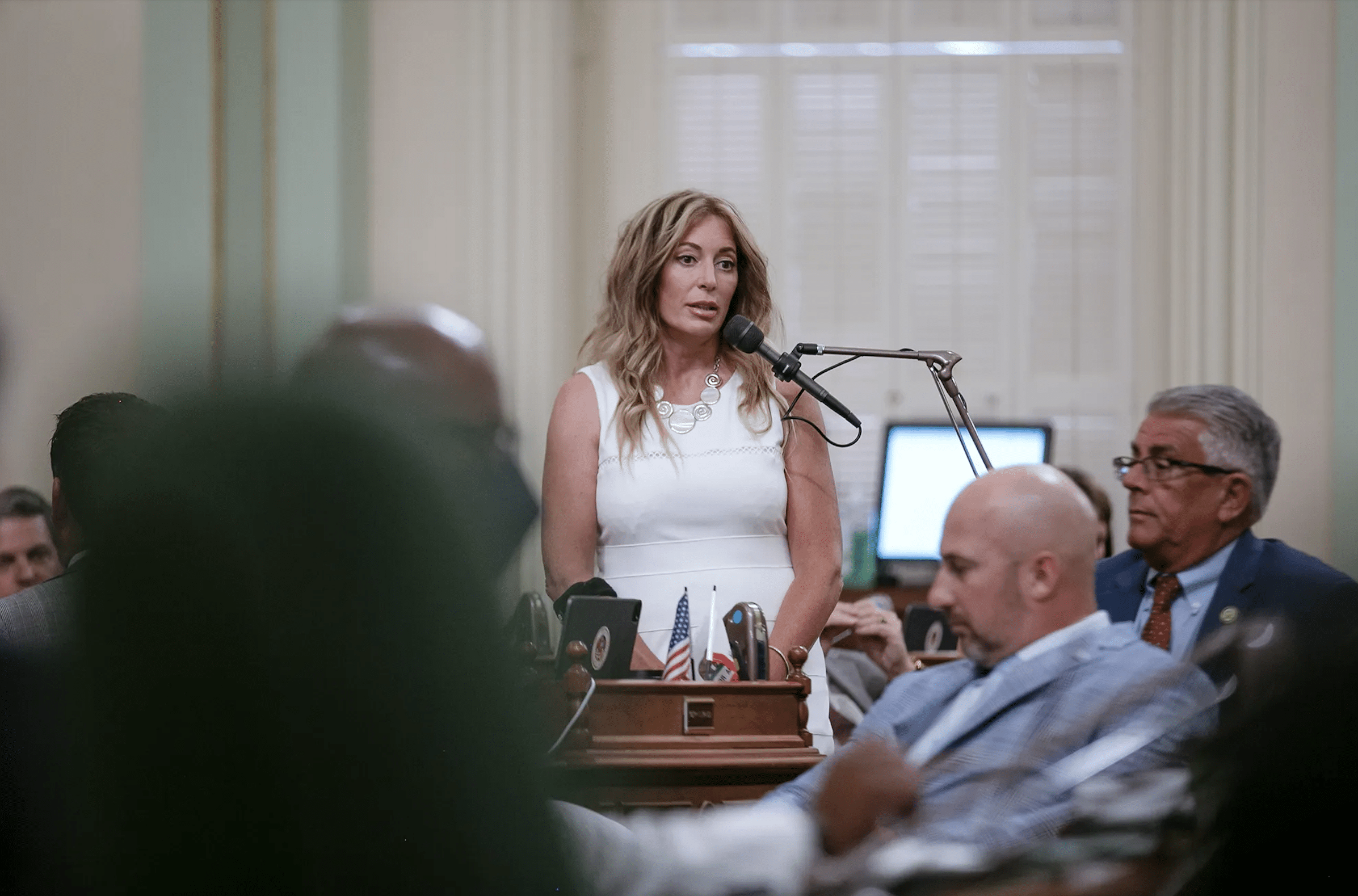
Republican Marie Waldron and Democrat Scott Wiener may seem to have little in common. But they have formed an unlikely partnership on an unusual issue: legalizing psychedelic drugs to treat mental illness.
California Voters Will Decide on Newsom’s Mental Health Overhaul. How Did We Get Here?
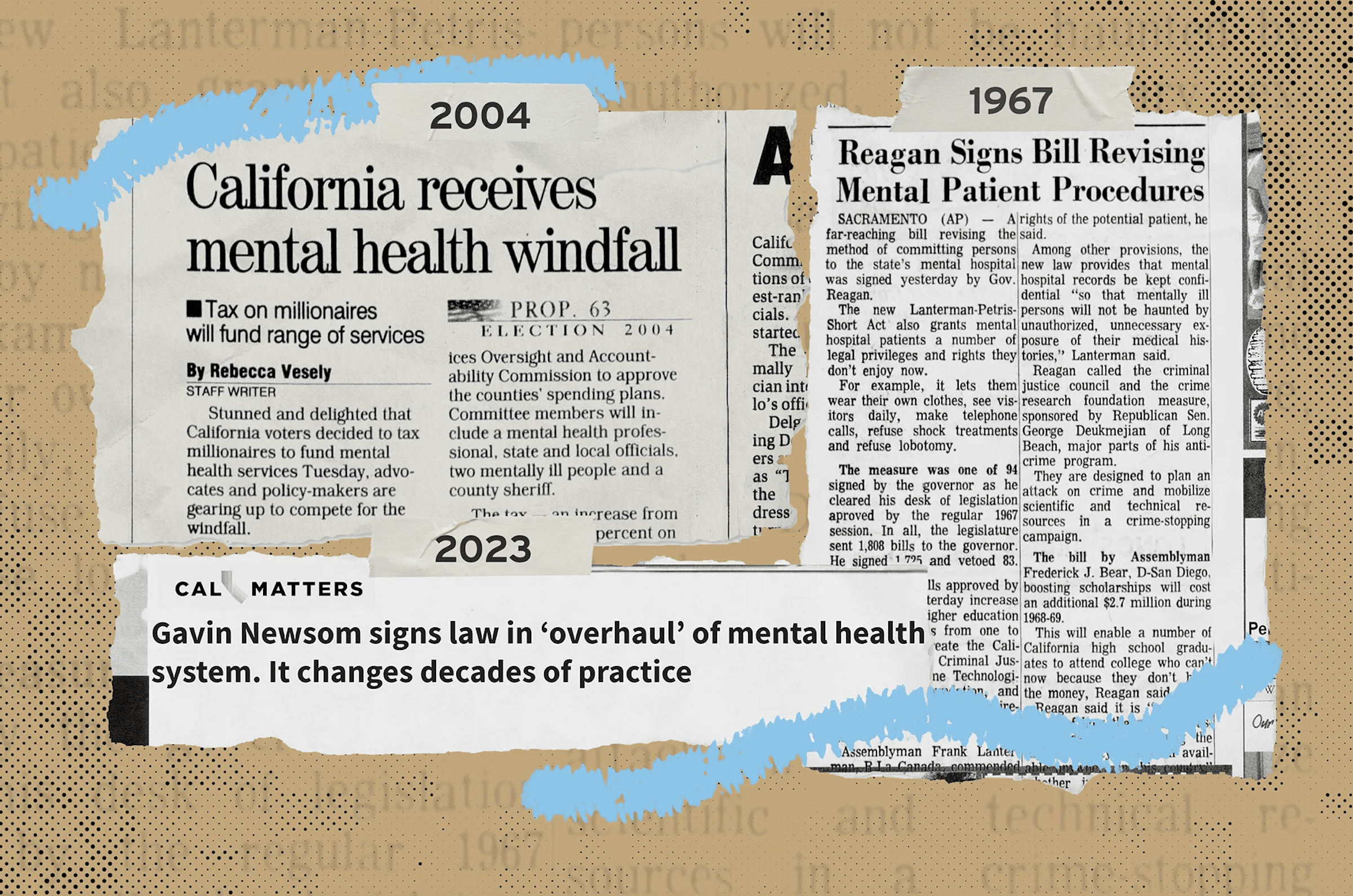
Proposition 1, a March ballot measure in California, is the latest state proposal that aims to make major changes in mental health policy. Here’s a look at some of the others over the past 75 years.
If you’re not subscribed to MindSite News Daily, click here to sign up.
Support our mission to report on the workings and failings of the
mental health system in America and create a sense of national urgency to transform it.
For more frequent updates, follow us on Facebook, Twitter and Instagram:

The name “MindSite News” is used with the express permission of Mindsight Institute, an educational organization offering online learning and in-person workshops in the field of mental health and wellbeing. MindSite News and Mindsight Institute are separate, unaffiliated entities that are aligned in making science accessible and promoting mental health globally.
Copyright © 2021 MindSite News, All rights reserved.
You are receiving this email because you signed up at our website. Thank you for reading MindSite News.
mindsitenews.org
The name “MindSite News” is used with the express permission of Mindsight Institute, an educational organization offering online learning and in-person workshops in the field of mental health and wellbeing. MindSite News and Mindsight Institute are separate, unaffiliated entities that are aligned in making science accessible and promoting mental health globally.


Author

Related Articles

Better Screening for Postpartum Psychosis Is Critical
An expert in perinatal psychiatry makes the case for changing the health system’s process of screening for postpartum psychosis.