Burned-Out Workers in U.S. Using Alcohol, Drugs to Ease Workplace Stress
More than half of respondents to a 2025 Gallup survey reported experiencing anxiety or panic at work or crying due to work stress.

Greetings, MindSite News Readers.
April is Stress Awareness Month – a fitting time to note that a new report from Modern Health finds that rising numbers of workers across the U.S. are turning to alcohol, drugs and unprescribed pharmaceuticals to cope with workplace burnout and stress.
Plus, Japan’s innovative solution to the nursing home crisis.
The coping crisis: two-thirds of American workers self-medicate just to get through the day

In a concerning indicator of mental health across America, nearly two-thirds of U.S. workers have turned to alcohol, cannabis or unprescribed pharmaceuticals like Xanax and Klonopin to unwind after work in the past year.
That is according to a new report from Modern Health, a workplace mental health platform which surveyed 1000 full-time employees at companies with 250 or more employees.
Among younger workers, the numbers are worst: 51% of Generation Z employees reported consuming cannabis during working hours — only slightly less than the 59% who have used it after clocking out.
Jessica Watrous, Modern Health’s chief clinical officer, told USA Today she wasn’t shocked that workers sought relief in substances. People have long turned to drugs to function: think of energy drinks, coffee and tobacco products among the everyday worker and Adderall and other stimulant use among Wall Street bankers.
“What surprised me was the scale, and especially the fact that so many reported using substances during the workday,” Watrous said. “Our data captures whether someone used these substances at any point in the past 12 months, so it doesn’t necessarily mean daily or ongoing use. But, even as an occurrence, it’s a concerning signal that many workers are turning to substance use to manage work stress.”
In a 2025 Gallup survey, more workers reported struggling in their lives (49%) than thriving (46%) for the first time since 2009, when the organization began tracking workforce well-being.
The Modern Health report reinforces that finding: nearly half of workers surveyed said that their job has negatively impacted their mental health over the past year, 52% have experienced anxiety or panic-like symptoms at work, and 51% have cried due to work stress — a 12-point jump from 2025.
Atop the list of worries is fear that AI will prompt workforce reductions at their company within the next three years. Nearly half of respondents believed that their jobs would be directly eliminated.
“What this study tells me is that many workers are carrying more than they feel equipped to manage,” Watrous said. “We’re seeing strong signals that the American workforce feels stretched, burned out, and unsupported. As a result, we’re seeing a preference for faster, more immediate forms of relief that don’t address the underlying stress and could result in more serious and costly issues downstream.”
The solution isn’t complicated: Workers need access to real support before the workplace pressure becomes unmanageable. Will employers act before the expense of the status quo becomes impossible to ignore?
In other news…

Japan’s nursing homes face a staffing shortage to care for the nation’s rapidly aging population, some facilities have found an unlikely solution: bodybuilders, mixed martial artists, and sumo wrestlers. The athletes, all men in sports that typically yield short careers and low prospects for high-wage employment afterwards, possess a physical strength and stamina uniquely suited for the demands of elder care.
In exchange for serving as full-time caregivers, the athletes receive a dependable income, free gym membership and often free protein supplements and housing. They’re also forming real bonds with elders and becoming more empathetic. “I feel that what I like to do can be useful for society,” 27-year-old bodybuilder Hokuto Tatsumi told the New York Times. “My muscles are helping put patients at ease.”
The name “MindSite News” is used with the express permission of Mindsight Institute, an educational organization offering online learning and in-person workshops in the field of mental health and wellbeing. MindSite News and Mindsight Institute are separate, unaffiliated entities that are aligned in making science accessible and promoting mental health globally.

Author

Related Articles

Youth Well-Being Has Plummeted Since Its Height in 2010
Fewer than half of Americans are thriving, with young adults suffering the most.
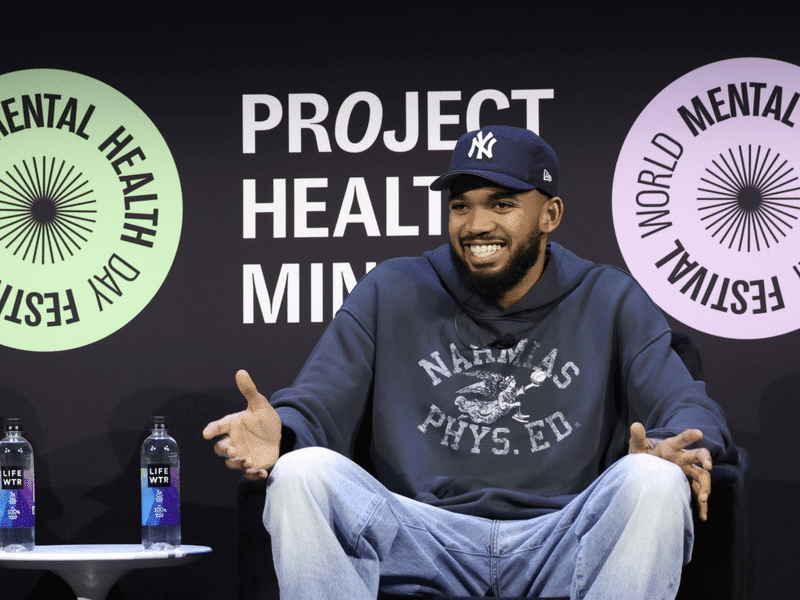
Star Athletes Open Up About Mental Health at Healthy Minds Festival
Athletes shape how Americans picture strength, which puts them in a unique position to show that male vulnerability belongs in that picture.
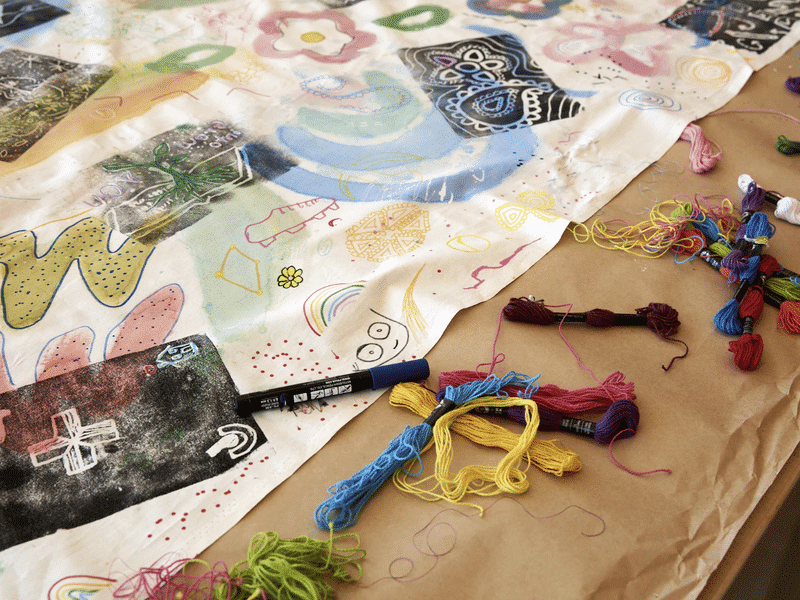
Nature Rx: A Prescription That May Save Your Life
A healthcare movement that “prescribes” time outdoors and in community to people struggling with their mental health.