A Lesson For Psychiatry’s Future From Its Past
A psychiatry resident takes a look at the imperfect history of his program and becomes a more empathic doctor. Plus: More evidence that shift work is bad for your mental and physical health.


Wednesday April 24, 2024
By Courtney Wise
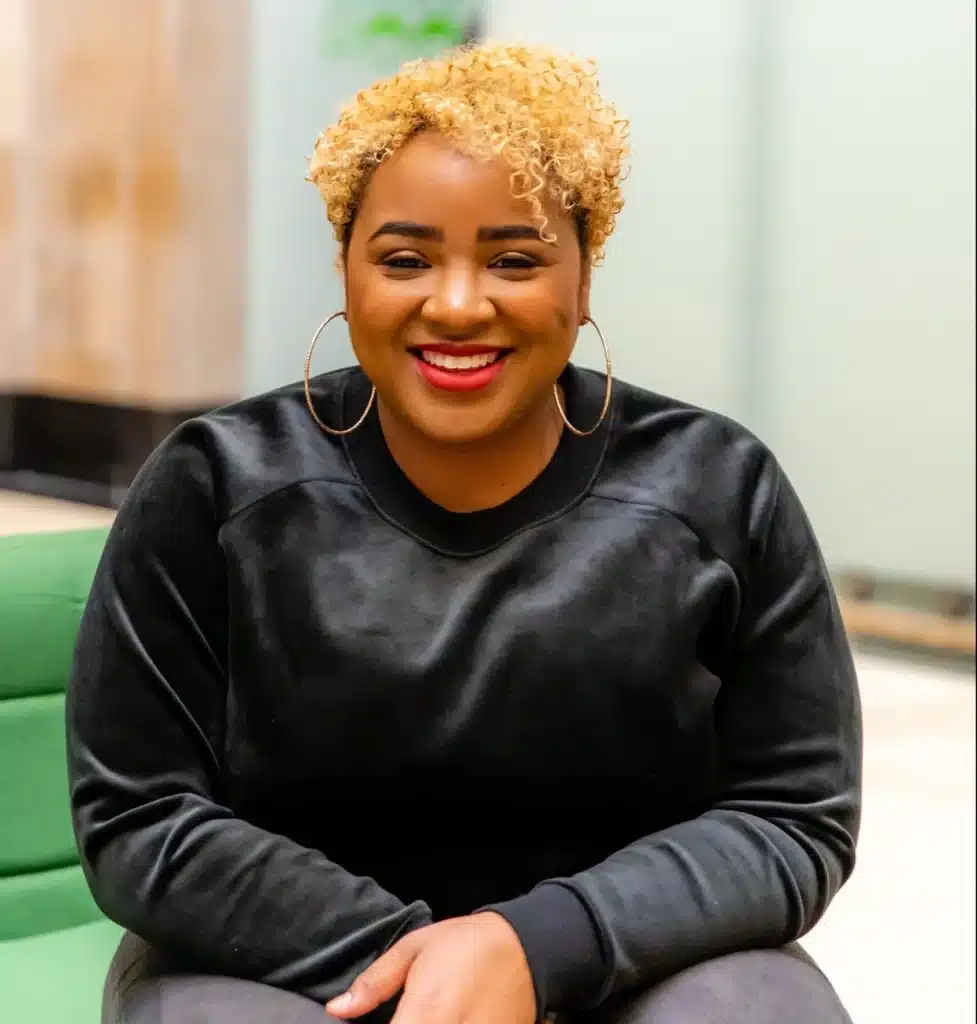
Greetings, MindSite News Readers. In today’s Daily, a psychiatry resident takes a look at the imperfect history of his program and becomes a more empathic doctor as a result. Plus: More evidence that shift work is bad for your mental and physical health. The memoir of former Miss USA Cheslie Kryst hit bookstores this week. And it’s good to be able to receive a compliment.
Finally, an appreciation from me to you, dear readers. Thank you.
A lesson for psychiatry’s future from its past
Psychiatry has a sketchy past but it’s not alone. Alongside the lobotomies and insulin-induced coma therapy, there are other well-documented instances of physicians failing to provide the best available care to patients or uphold their commitment to do no (intentional) harm.

So what can be learned from past mistakes? That’s the question posed by Casimir Klim, a fourth-year psychiatry resident at the Mayo Clinic. Curious about the complex history of psychiatry during the Cold War, Klim wrote in STAT that it sparked his wonder about the Mayo Clinic’s involvement with mind-control programs run by the Central Intelligence Agency.
The programs, ARTICHOKE and MK-ULTRA, were intended to uncover new ways of controlling thought and behavior. Unfortunately, the research was often conducted on vulnerable and powerless people, including those locked in jail or confined to psych wards. The CIA justified its actions by arguing such experiments were necessary: In order to defeat our enemies in the Cold War, we would have to shore up our brainwashing abilities in a “mental arms race” that the other side was, supposedly, already winning.
While Klim’s investigation found no direct evidence connecting the Mayo Clinic to CIA mind-control projects, reports he obtained through the Freedom of Information Act (FOIA) suggest a connection was plausible. One report in particular matches known details about the Mayo Clinic in the 1950s, including specific doctors, technologies, and research on deep brain stimulation, hypnosis, and psychedelic drugs – all of interest to the CIA.
Klim says the report also indicates that two physicians, the “Chief of Psychiatry” and the “former Chief of Anesthesiology” had some qualms about the ethics of what they were doing. They were “enthusiastic about supporting the CIA’s mission” and “ambivalent about the ethical implications,” he writes. He also was disturbed by “matter-of-fact” accounts in which doctors argued medical science could be applied for coercion and domination. The humanity in the unidentified doctors suggests a discomfort with “prioritizing their medical responsibilities over covert operations.” They also declined payment for their research efforts.
Still, the Cold War isn’t a conflict from so long ago. What can we learn from the choices our leaders and academics made then? Ethical challenges continue to exist in medicine, Klim said. But what he’s learned over the course of his investigation has changed him. “Studying the strange and often disturbing history of psychiatry has helped me reflect critically on my actions as a clinician and researcher,” he wrote.
Klim hopes to see changes in the ways medical residency programs engage doctors in reflection-based learning. It’s a proven learning tool, he argues, shown to “increase empathy and improve the ability of trainees to manage complex and challenging situations.” Further, Klim argues, courses on the history of psychiatry that do not hide its unfavorable moments can help foster a more empathic, thoughtful workforce of future psychiatrists who recognize the profound implications of their work on human lives.
More evidence for the harms of shift work
A study involving more than 7,000 Americans between the ages of 22 to 50 has revealed that non-traditional work schedules – including shift work and hours that often vary – has become surprisingly common and can lead to depression and poor physical health by middle age. “Our work now is making us sick and poor,” study author Wen-Jui Han told NPR. “Work is supposed to allow us to accumulate resources. But, for a lot of people, their work doesn’t allow them to do so. They actually become more and more miserable over time.”
Surprisingly, Han said, just one-quarter of the study’s subjects worked a traditional daytime schedule. Their counterparts in the majority, who work night shifts or constantly changing shifts, displayed far worse health outcomes, developing chronic diseases like depression, obesity, diabetes, and heart disease.
Black people and people with limited education are overrepresented in shift work, and thus, sleep deprivation – a contributing factor to the development and poor management of diabetes. “Poor sleep is a risk factor for diabetes that very often we do not talk about,” said Alyson Myers, an endocrinologist who was not involved in the study. “One of the things that I have to preach to my patients about is that working nights, and if you get only four or five or less hours of sleep, that’s going to increase your risk of diabetes and also worsen your glycemic control.” Myers has specifically encouraged patients who work nights and struggle to manage their blood sugar to switch shifts. They’ve been frustrated by the demand, but their health improved, she said.
For her part, Han hopes her study will have a real-world impact on people and work. She hopes it prompts conversations about ways to “provide resources to support people to have a happy and healthy life when they’re physically exhausted and emotionally drained because of their work.”
An appreciation: Readers, thank you
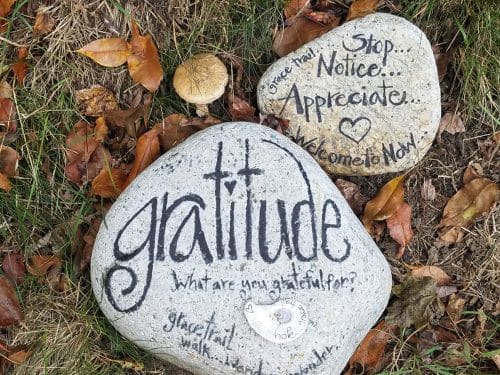
Sometimes, writing this newsletter feels like an abstract venture. I live very far away from our center and, with limited response channels, it’s hard to imagine real people are opening it up to read it. Last week (here), I laid a piece of myself bare. I must have needed to do it. It wasn’t planned and my editors kept it in. I appreciate them for their decision to let that copy stay put and every reader who has opened their hearts to give me a little grace and space inside of theirs. It means a lot.
I was stunned that my moment of vulnerability brought responses (see below) – stunned into silence, actually. The thing is, I have been struggling, in lots of ways, but no differently than those of you who read this newsletter. It is life. And, good for me and hopefully for you, too, we are able to gather here a few days per week on the digital page to remember that we’re not alone – and to learn how to get well. Along the way, we even get some inspiration for what wellness can look like on the other side of our journey. Thank you, every one of you who reads this newsletter. And thank you for reminding me that life, even in times of struggle, is a project best experienced in community.
In appreciation,
Courtney
— — — — — —
Hi Courtney (if I may) —
I appreciated your personal paragraph at the bottom. (In fact, I appreciate all that you do – you’ve made the newsletter so interesting and I learn so much from it.) It was unexpected to have that note of realness, and I hope other people will write as well to say they heard you. I hear you on so many levels!
All best,
Judy Warner
— — — — — —
Hi,
I always appreciate MindSite’s newsletters and read them almost daily. Today, the piece about whether rest is resistance caught my eye, and I wanted to add an important nuance. The author says, “The choice to rest is a luxury few can actually afford.” However, my truth has looked quite different. As a cancer survivor, I can say that the choice to keep going is often an able-bodied privilege. When an illness or disability is severe enough, there is no amount of mind over matter that will allow a person to work or participate in civic life.
I grew up in poverty, so I understand what it’s like to work and go to school while sick. I know the agony of having to hustle all the time. But at some point, the body leaves no choice and doesn’t care whether you have any money in your savings or any time left in your PTO bank, (if you even have a PTO bank to begin with). Having to rest because there is no other option leaves people vulnerable to workplace discrimination, job loss, and medical bankruptcy.
So, when people with non-catastrophic health issues do rest (and push back against the things that make rest difficult), I see those people as allies in an effort to make the dominant work culture less hostile toward people with chronic diseases and disabilities. It helps make it more acceptable to stop trying to mask or pass as healthy and able-bodied – which is much easier to do in the age of Zoom.
Just a little food for thought. Thanks again for such a great newsletter.
Best,
Heather Gehlert
In other news…
Posthumous memoir from former Miss USA Cheslie Kryst
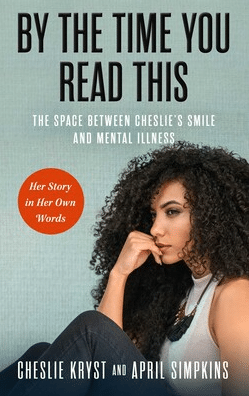
Before her death in January 2022, Cheslie Kryst penned the bulk of a memoir. Earlier this week, her family finally released the book.
By the Time You Read This: The Space Between Cheslie’s Smile and Mental Illness details some of the mental health difficulties that Cheslie faced. It’s co-written by her mother, April Simpkins, who spoke about the memoir in this interview with CBS News.
“Cheslie led both a public and a private life,” Simpkins told E! News shortly after Kryst’s death. “In her private life, she was dealing with high-functioning depression which she hid from everyone – including me, her closest confidant – until very shortly before her death.” All proceeds from the book’s sales will benefit the Cheslie C. Kryst Foundation, which provides mental health support for youth and young adults.
A Philadelphia Inquirer investigation found that one in three citations issued to area hospitals involved patients receiving behaviorall health services. Since 2022, hospitals in the region have been cited 28 times, prompting hospital leadership to enforce better care. Internal reviews found problems related to staffing shortages, subpar emergency procedures, and insufficient training of staff to address the complex needs of patients in mental health crises. The deficiencies have led to violations of patient privacy, threats to their physical safety via escape from care facilities, and even death. To address the problems, several Philly hospitals have increased staff training, added specialized social workers to emergency departments to triage patients who head there for mental health needs, and expanded the number of psych beds.
Can you take a compliment? I hope so. I haven’t read this in a peer-reviewed article, but I think being able to receive a compliment indicates an ability to notice your inherent worth, your talents, and sometimes beauty. Nedra Tawwab says in her substack that compliments tell people we notice them, seek to connect with them – even momentarily – and care enough about their existence to pay attention. In other words, compliments are a big deal! If you still struggle to accept compliments for the kindness they are, Tawwab poses questions and journal prompts to help you discover why. Ultimately, you are worthy of being seen; may you truly see and receive yourself.
Grief doesn’t always feel like sadness. It can hurt everywhere – in your mind and body. Grief can present as irritability, exhaustion, headaches and even a twisted gut. All of it is normal, and as time moves forward, symptoms tend to recede for many people. Prioritizing rest, hydration, nutritional meals, and physical activity can help. Avoiding mind-altering substances, including cannabis and alcohol is good too, said Kenneth Doka, senior vice president of grief programs at the Hospice Foundation of America. But, for some people, there comes a point when it’s necessary to get help. “The answer for me, said Doka in an interview with Web MD, is that after a period of time, if you’re still impaired in key social roles or you’re experiencing depression, you should consult a professional.”
If you or someone you know is in crisis or experiencing suicidal thoughts, call or text 988 to reach the 988 Suicide & Crisis Lifeline and connect in English or Spanish. If you’re a veteran press 1. If you’re deaf or hard of hearing dial 711, then 988. Services are free and available 24/7.
Recent MindSite News Stories
Only Two Percent of Psychiatrists are Black, Leading Some to Creative Solutions to Fill the Void

There aren’t enough Black psychiatrists to meet growing demand. Some are finding innovative ways to provide more culturally competent care.
Hidden Deaths in San Francisco: Overdoses Among Mayan Immigrants Highlight Urgent Need for Culturally Competent Services

For generations, indigenous Mayans from Mexico’s Yucatan peninsula have been immigrating to San Francisco. Although there has never been an official count, estimates suggest that as many as 70,000 live in the area. Since many speak indigenous Mayan languages, not Spanish, they may be unaware of services or the dangers of fentanyl.
Spending Packages Signed into Law Will Keep Federal Mental Health Funding at Historic Levels

Last month, Congress escaped from gridlock to approve two spending bills that kept the government open while maintaining high levels of mental health funding. The Congressional action shows that mental health continues to command uniquely strong bipartisan support.
If you’re not subscribed to MindSite News Daily, click here to sign up.
Support our mission to report on the workings and failings of the
mental health system in America and create a sense of national urgency to transform it.
For more frequent updates, follow us on Facebook, Twitter and Instagram:

The name “MindSite News” is used with the express permission of Mindsight Institute, an educational organization offering online learning and in-person workshops in the field of mental health and wellbeing. MindSite News and Mindsight Institute are separate, unaffiliated entities that are aligned in making science accessible and promoting mental health globally.
Copyright © 2021 MindSite News, All rights reserved.
You are receiving this email because you signed up at our website. Thank you for reading MindSite News.
mindsitenews.org
The name “MindSite News” is used with the express permission of Mindsight Institute, an educational organization offering online learning and in-person workshops in the field of mental health and wellbeing. MindSite News and Mindsight Institute are separate, unaffiliated entities that are aligned in making science accessible and promoting mental health globally.


Author

Related Articles

Why Are Mothers Punished for Parenting?
Those of us who roamed freely as kids can be arrested for letting our kids do the same.

The Lindsey Clancy Murder Trial
Women nationwide watch the Lindsay Clancy trial and see themselves in her story, plus an investigation into hospitals that fail patients with addiction.