Much ado about Wordle and mental health
Today’s Daily begins with a burning question: Is Wordle good or bad for your mental health? A youth behavioral health survey finds improvements in two states. And more.

Monday, June 17, 2024
By Don Sapatkin
Good Monday morning! Today’s Daily begins with a burning question: Is Wordle good or bad for your mental health? A youth behavioral health survey finds improvements in two states. And Montana grapples with a prevention conundrum: guns are rampant and so is suicide.
Plus: An AI assistant for therapists. A big bump in uninsured patients is cutting mental health providers. A powerful intervention for those at extreme risk of suicide. And traditional Chinese medicines that may boost your mental health.
‘Is Wordle ruining our mental health?’
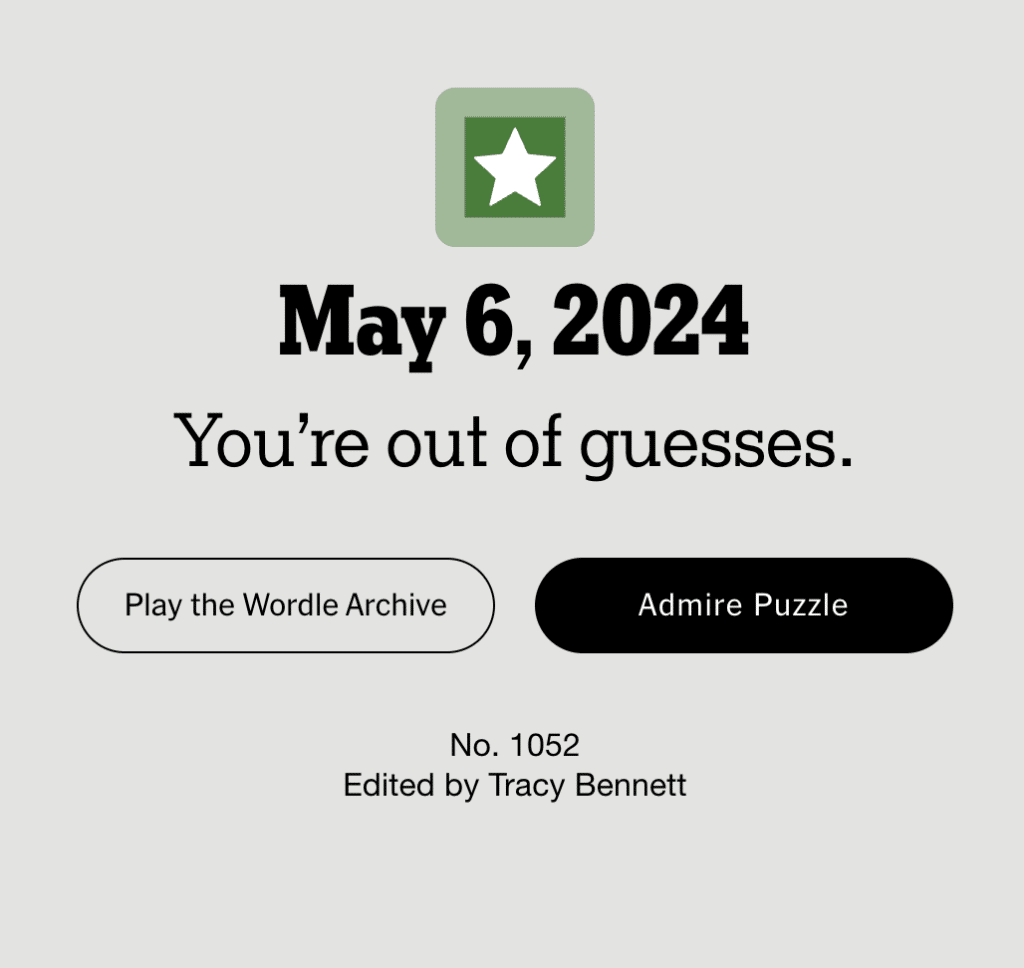
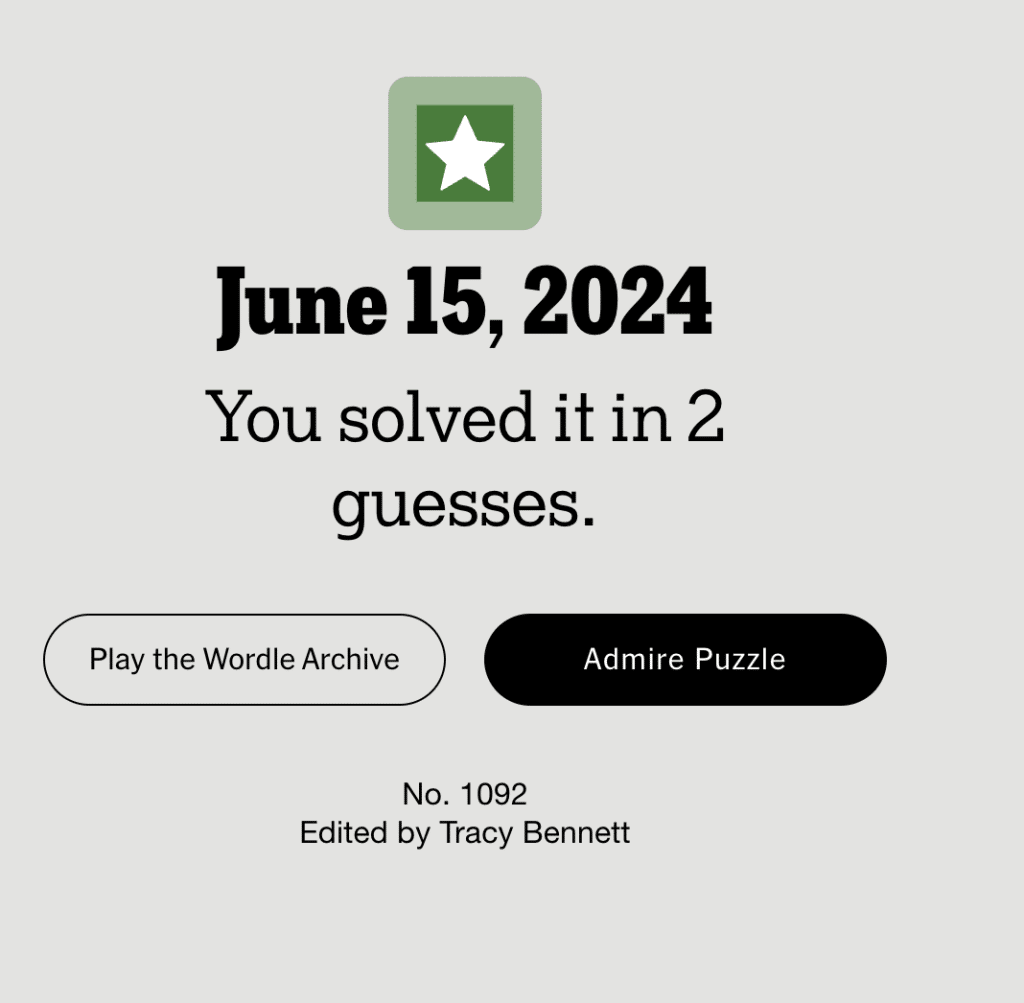
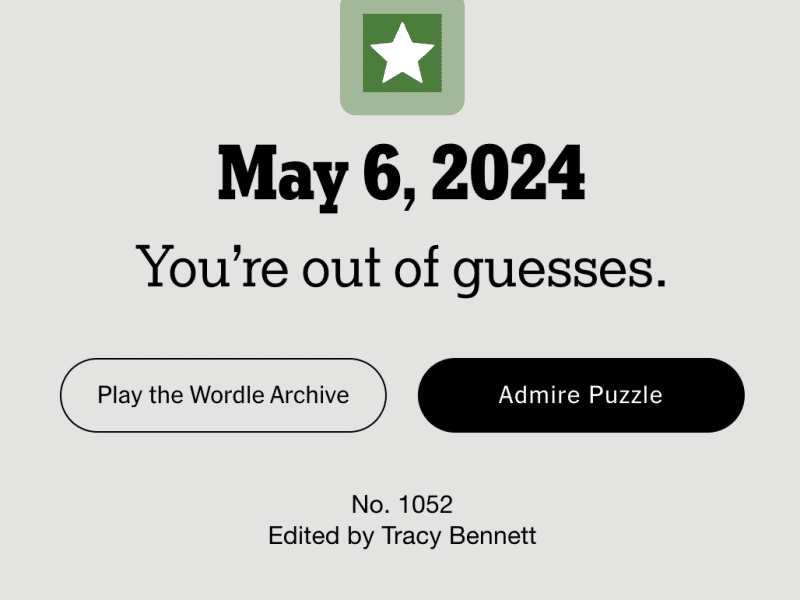
OK, I realize that millions of Americans who love Wordle and subscribe to this newsletter (lol) are about to come after me for repeating that nasty headline from The Independent. My editor was the first to react: Wordle was GREAT for my mental health today! Wordle 1,092 2/6* followed by some weird green and gray tiles (and yes, I’ve just outed myself as a non-Wordle player). A website named Thrive with a Guide ran a piece headlined “The Many Mental Health Benefits of Playing Wordle,” although they weren’t exactly based on scientific study. (A search of the National Library of Medicine’s PubMed site turned up one research study about the game: “C-H-E-A-T: Wordle Cheating Is Related to Religiosity and Cultural Tightness,” whatever that means.)
Wordle is a simple game that requires players to guess a five-letter word in six tries. Brooklyn software engineer Josh Wardle built Wordle for his partner and later released it to the public but then sold it in January 2022 to the New York Times, where it swiftly brought in tens of millions of new users and at least as much in revenue. The Times calls it “fun and addictive.” The Daily Beast isn’t so sure, reporting that “Shrinks Think New York Times’ Wordle Is Becoming a Problem.” Why? Because patients were confiding to those therapists just how much time they were spending on the app and how “it’s messing with their mood or mental health.”
New York psychologist Jennifer Gittleman told the Beast it becomes a problem “when a patient says, ‘I was not able to complete my tasks at work today because I spent so much time on Wordle’” or chooses to skip dinner with friends “to stay home to play Connections,” another Times word game. “Our brains have not evolved to keep up with technology,” explained Clifford Sussman, a Washington, D.C. psychiatrist who specializes in internet and gaming addiction.
Last week’s story in The Independent included an interview with Hallie Kritsas, a licensed mental health counselor in Florida and avid Wordle player. She said some younger clients who struggle with anxiety or perfectionism sometimes have a problem with Wordle or Connections. “Not being able to complete it obviously brings some sort of sense of disappointment” which then becomes: “Okay, I wasn’t able to figure out the Wordle, what’s wrong with me?” Kritsas’s suggestion: Set a time limit − say, five or 10 minutes − for playing each game each day. If you haven’t finished by then, tell yourself “I’m done for the day.” Kritsas also noted the media’s love of controversy (and clicks), adding that while some clients talk about Wordle, negative impacts are fairly rare.
Hints of improved mental health among high school students
About 26% of Colorado high school students in 2023 reported feeling sad or hopeless enough to stop doing their usual activities over at least two weeks, a possible sign of depression, the Denver Post reported. That’s a depressing stat, to be sure, but down considerably from 40% during the 2021 pandemic year and the lowest since 2013. In North Carolina, the rate of high school students who seriously contemplated suicide fell to 18% in 2023 from 22% two years earlier, according to WTVD/11ABC News in Raleigh-Durham. High schoolers in the state who reported feeling sad or hopeless dropped to 39% from 43%, while the rate of middle schoolers who said the same dipped to 32% from 35%.
These (cross your fingers) slightly better numbers come from the CDC’s biannual Youth Risk Behavior Surveillance System (YRBSS) survey. States pick and choose the questions that they want to ask, in categories ranging from alcohol and drug use (“ever used heroin”) to sexual behaviors (“had sexual intercourse for the first time before age 13”) and unintentional injuries and violence (“carried a gun” other than for hunting or target shooting, at least 1 day in the previous year).
The CDC first releases results to the states, to publicize as they wish. Eventually, the agency will add the 2023 national data to its Youth Online tool, which allows comparisons between states, years and males vs. females. For now, we’ll have to make do with a smattering of local findings like this on suicidal thinking among Colorado high school students from the Denver Post: “About 6% of students said they had made an attempt in the past year, 9% said they’d made a plan and 11% said they’d seriously considered suicide, with or without a plan” – all the lowest levels since 2013, when the state first signed on to the federal survey.
In gun-loving Montana, the state with the highest suicide rate, prevention can be a tough sell
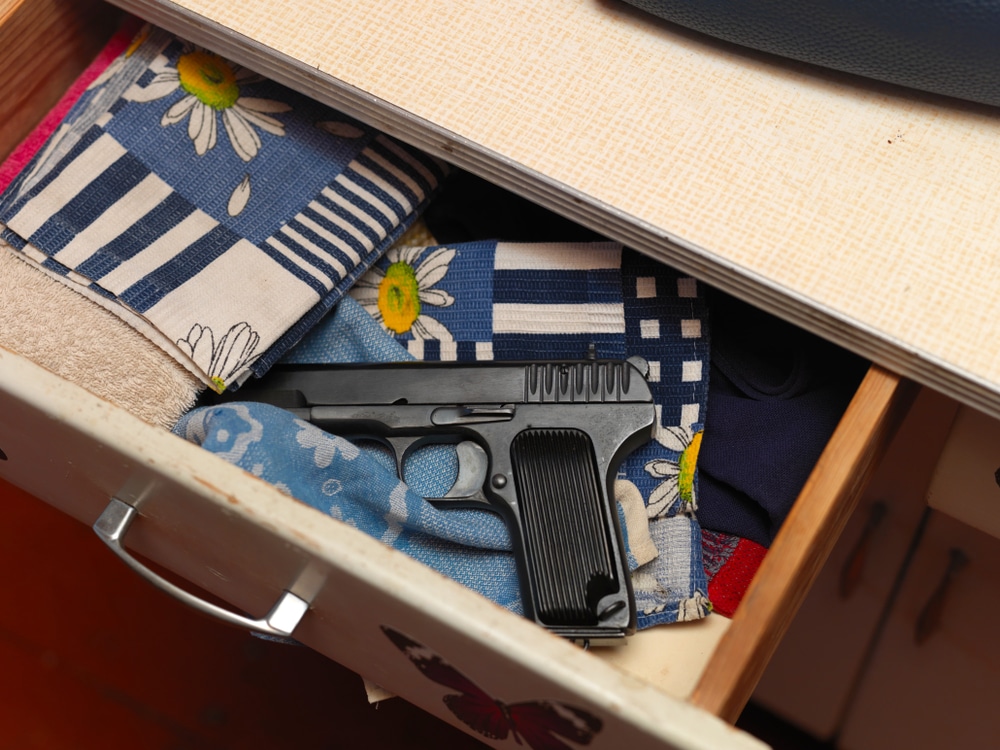
In Montana, a sparsely populated state where many people own firearms, gunlocks − small metal contraptions that fit around a trigger and sell for less than $10 on Amazon − are one way that Ali Mullen is trying to reduce the high rate of people who kill themselves.
Ali, a 46-year-old county health worker has been giving away gun locks to anybody who wants one. “It’s in the culture,” she said one afternoon in Helena, where she lives. “If you don’t know someone [who has died], you know of someone.” (Emphasis added).
New York Times reporter Michael Corkery expertly weaves Ali’s story – before and after her husband walked outside after a family dinner and fatally shot himself – into a big-picture look at suicide in Montana, which has long ranked high in this dismal metric. In a state of 1.1 million people, 955 people took their own lives from January 2021 through November 2023, according to the Times analysis, making Montana’s suicide rate No. 1. (Philadelphia, where I live, had 1.6 million residents and 565 suicide deaths over that same period, according to my own query of a CDC mortality database.) Each death is felt – by an average 135 people, one study found − but rarely seen. Despite being far more frequent than homicide, suicide can still be steeped in shame and secrecy. It often follows a struggle with mental health or substance abuse but also is frequently impulsive.
Multiple issues contribute to Montana’s suicide problem: the isolation of rural living, comparatively easy access to firearms, and the large number of veterans and Native Americans – two groups with historically high rates of suicide. With guns embedded in the rugged, frontier ethos, there is little political will to prevent people who are at risk of harming themselves from owning a firearm. Just about the only gun legislation aimed at suicide prevention to pass recently makes it easier for people worried about their own mental health to temporarily store their guns with a friend or family member by shielding the person who stores them from legal liability if anyone is harmed after the firearms are returned.
A big source of support and inspiration at Helena High School had been a science teacher and trusted counselor for students in crisis named David McKim. He died last November of a self-inflicted gunshot wound. Even in a small city of 34,000 people that is accustomed to suicide, his death shook the community. He’d been a strong supporter of Ali’s “Saving Helena High School” initiative after a rash of student suicides, and she saw the fresh grief on many young faces during a memorial service for Kim in the gym. Ali handed out pamphlets to parents about spotting warning signs in teens and insisted that some students take cards with the suicide hotline number on it.
Immediately after Kim’s death, Ali’s daughter Nora called her, almost speechless, with the sad news. Ali drove to the school to pick up her daughter and son and any of their classmates who wanted to come. “A group of them hunkered down at the Mullens’ house,” Corkery wrote. “They baked cookies and watched cartoons. One boy stayed for four days.”
In other news…
AI therapists leave much to be desired. But an AI assistant for therapists might be useful. The Politico Future Pulse newsletter introduces us to Alma, the company behind a tech platform that helps therapists with everything from finding new patients to insurance billing. Its AI assistant can transcribe therapy sessions and is designed to offer insights, creating clinical notes for therapists and potentially reducing their workload − administrative paperwork is a key reason that many therapists cite for quitting insurance networks. To assuage privacy concerns, Alma says that it does not keep recordings once they’ve been analyzed. (Patients must sign a release agreeing to be recorded.)
Colorado behavioral health providers are seeing more uninsured patients than at any time since Obamacare’s Medicaid expansion kicked in a decade ago, according to the Denver Post − and I’m sure they’re not alone. After the COVID public health emergency ended last year, states begin again to review the eligibility of Medicaid recipients – and trim people from the federal insurance program. Colorado’s Medicaid rolls declined by 29% over the past year – likely because recipients failed to return paperwork, having changed addresses or otherwise missed the notice. With more former Medicaid patients showing up uninsured, nonprofit mental health providers have big holes in their budgets, with some announcing layoffs. An op-ed in the Denver Post urged the governor to use unspent federal pandemic funds to address the problem.
One suicide death was prevented for every 22 extreme risk protection orders (ERPOs) issued, according to findings of a new study. ERPOs – also known as red flag laws or gun violence restraining orders − authorize law enforcement, family members, and sometimes others to petition a court to remove firearms from a person judged to pose an immediate danger to themselves or others. The JAMA Network Open research article is highly technical and makes some assumptions that are hard to judge. Still, the finding is impressive compared with other suicide prevention strategies.
Certain types of traditional Chinese medicine can boost your mental health, according to Verywell Mind. The story lists 10 and names purported benefits. Among them: Acupuncture causes deep relaxation during treatment, while calming the body and supporting the digestive system. Moxibustion (burning dried mugwort leaves over specific acupuncture points) stimulates circulation, promotes healing and may alleviate symptoms of stress, anxiety, and depression. Qi Gong (gentle movements, breathing exercises, and meditation aimed at balancing Qi in the body) may help calm the mind, reduce stress, and promote emotional stability.
The Journal of Urban Design and Mental Health is seeking contributions for its next volume: “Urban Landscapes for Mental Health.” It will explore how urban structures and spaces can be designed to reduce stress and promote a sense of wellbeing. Submission deadline: December 15, 2024
If you or someone you know is in crisis or experiencing suicidal thoughts, call or text 988 to reach the 988 Suicide & Crisis Lifeline and connect in English or Spanish. If you’re a veteran press 1. If you’re deaf or hard of hearing dial 711, then 988. Services are free and available 24/7.
Recent MindSite News Stories
County Jail Near Colorado Resort Town Uses Suicide Smocks & ‘WRAPs’ to Restrain Prisoners
Restraints are often used by law enforcement on people in a mental health crisis, but advocates say there are better approaches.
Over 3 Years, 43 People Died in Riverside County Jail. Christopher Zumwalt, Violently Pulled from a Cell While Having a Psychotic Crisis, Was One
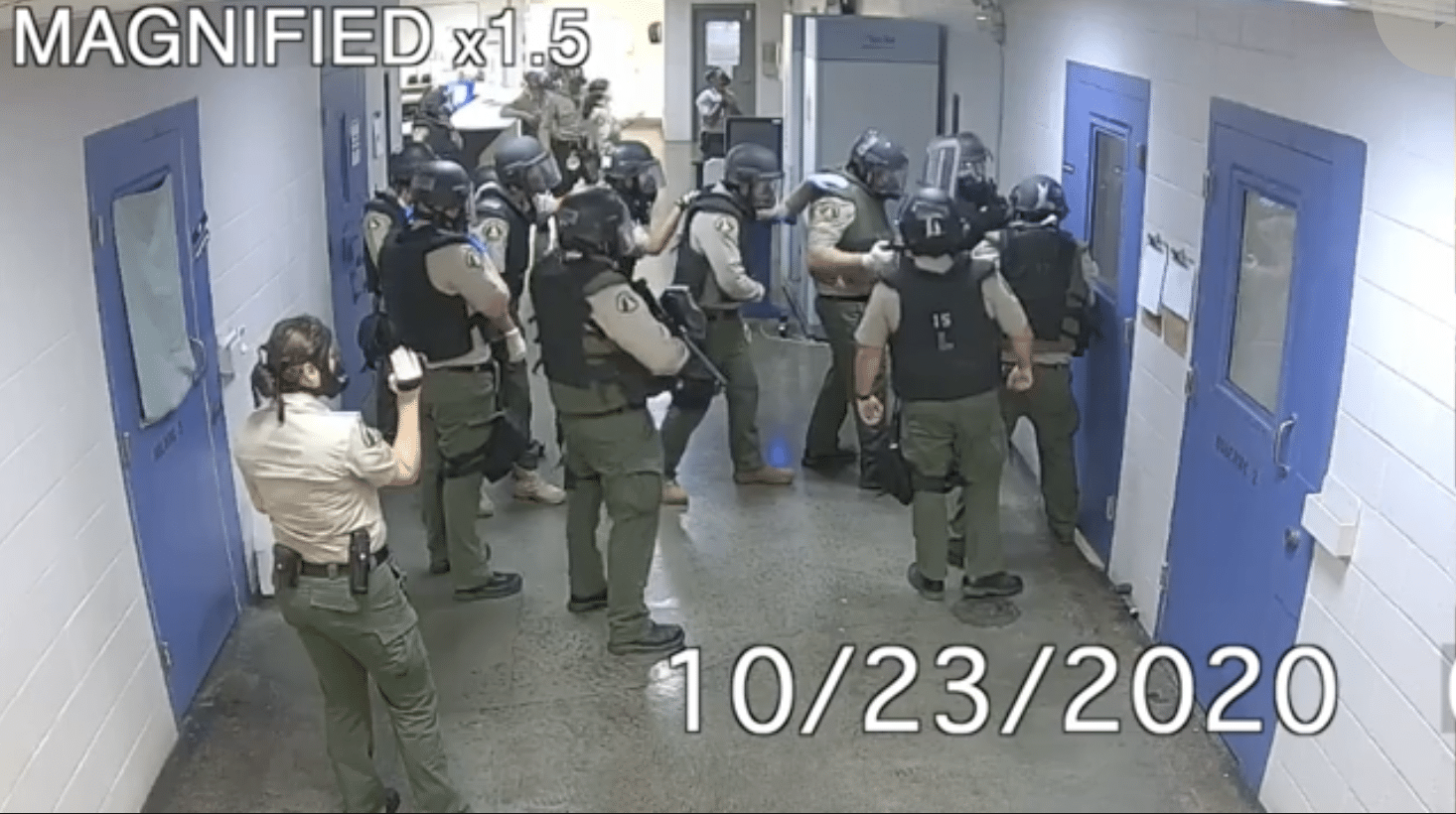
Ten correctional officers used pepper spray, stun shields, multiple Taser shocks and a Stinger 15 grenade to remove a single, naked man from his cell in Riverside County’s Larry D. Smith Correctional Facility, according to video footage obtained last month.
A Beloved Chicago Educator Was Shot to Death in the Midst of a Mental Health Crisis. Why Has No One Been Charged?

Something was going on with Abnerd Joseph, a young, Black assistant principal in Chicago. He was pacing the hallways of his downtown apartment building in his bathrobe and acting strange. Some of his neighbors called 911. Another took matters into his own hands.
If you’re not subscribed to MindSite News Daily, click here to sign up.
Support our mission to report on the workings and failings of the
mental health system in America and create a sense of national urgency to transform it.
For more frequent updates, follow us on Facebook, Twitter and Instagram:

The name “MindSite News” is used with the express permission of Mindsight Institute, an educational organization offering online learning and in-person workshops in the field of mental health and wellbeing. MindSite News and Mindsight Institute are separate, unaffiliated entities that are aligned in making science accessible and promoting mental health globally.
Copyright © 2021 MindSite News, All rights reserved.
You are receiving this email because you signed up at our website. Thank you for reading MindSite News.
mindsitenews.org
The name “MindSite News” is used with the express permission of Mindsight Institute, an educational organization offering online learning and in-person workshops in the field of mental health and wellbeing. MindSite News and Mindsight Institute are separate, unaffiliated entities that are aligned in making science accessible and promoting mental health globally.


Author

Related Articles

Why Is Georgia Blocking Recovery Homes for Substance Abuse?
Georgia towns are using zoning loopholes to shut recovery homes down, even as addiction and mental illness surge statewide.

Why Are Mothers Punished for Parenting?
Those of us who roamed freely as kids can be arrested for letting our kids do the same.