
How Chronic Stress Can Disguise a Serious Illness
Sometimes medical professionals can miss a diagnosis due to a patient’s high level of stress. Why grieving in public supports social change. And more.


July 9, 2024
By Courtney Wise

Greetings, MindSite News Readers. In today’s Daily, find out how chronic stress can actually mask chronic illness. Also in this edition: A writer talks about why that public grief can usher in social change. Plus, a researcher argues that psychiatrists who don’t accept Medicare and Medicaid are willfully ignoring their oath to “participate in activities that improve public health and the community.”
Chronic stress doesn’t just encourage disease. It can hide a full-blown illness
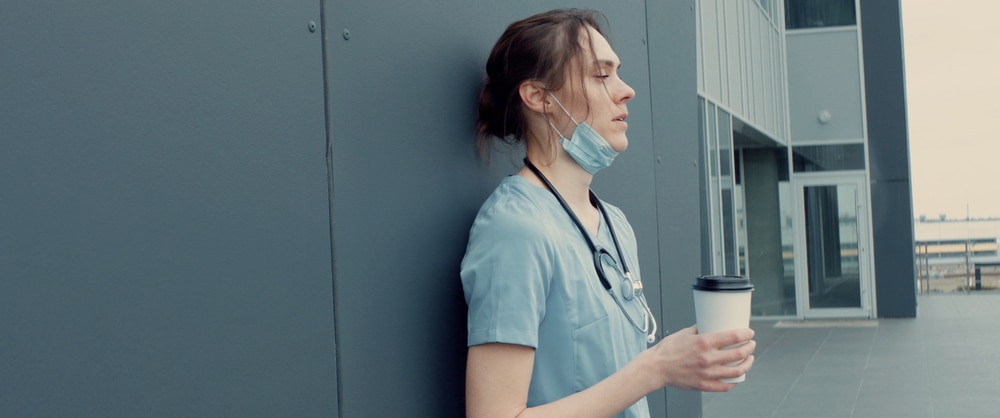
Stress doesn’t always trigger disease. Sometimes, chronic illness has already set in and high levels of stress prompt doctors to dismiss sickness for one needing to “relax.” That’s what happened to Amina AlTai. The 39 year old told the New York Times that even she initially thought the trouble she was having with fatigue and brain fog were due to the demands of her marketing job.
Then her hair started falling out, her weight began to fluctuate, and her gut was out of whack. AlTai was sure something was wrong, but doctor after doctor continued to dismiss the seriousness of her symptoms. Finally, after six physicians ignored her concerns, a seventh ran blood tests and ordered her to head immediately to the nearest emergency room.
“They called me and told me, ‘Don’t go into work. Go to the hospital instead, because you’re days away from multiple organ failure,’” AlTai said. She would later be diagnosed with Hashimoto’s disease and celiac disease, both autoimmune conditions, which wreaked havoc on her body’s ability to regulate hormones and absorb vitamins and nutrients.
What’s challenging is that chronic stress does impair bodily functions, encourage inflammation, elevate blood pressure and cause immune system imbalances. It is also known to worsen conditions like asthma, heart disease, arthritis, lupus and inflammatory bowel disease, making it tough for doctors of chronically stressed patients to quickly determine a medical diagnosis.
Complicating things further, when doctors do accurately diagnose a chronic illness, they’re not consistently good at how important it is to manage stress to get the disease under control.
Teresa Rhodes, who has rheumatoid arthritis, has something to say about that. Shortly after diagnosis, one of her doctors told her to exercise more to reduce her stress and strengthen her joints. But the exhaustion caused by RA was an added stressor. “It’s very hard to exercise when you’re so fatigued,” she said. Rhodes didn’t begin regular workouts until her major stressors were reduced years later, after her kids grew up and she left her unhappy marriage. She believes doctors can better help patients by talking with them about their stress levels and how to reduce them.
Most doctors aren’t trained to do that though, said Alyse Bedell, a psychogastroenterologist who studies – and teaches – how stress affects digestive health at UChicago Medicine. Primary care physicians covered stress management in just 3% of visits, according to a 2015 survey of more than 30,000 patients.
Grieving in public can change the world, writer says

Death, and the grief that accompanies it, is something we all face. People we love, need, and want die, and our grief over that loss is a symptom of our humanity. Ironically though, grief can also make us ashamed. Though we all experience it, the sadness, confusion, disorientation, or even anger linked to grief can cause us to hide or ignore our feelings so as not to “burden” ourselves or others. But, writes Yolande Clarke-Jackson in this guest column for Yes! Magazine, grieving in public can invite community support, help destigmatize talk of death, grief, and mourning, and in some cases, nurture connections that lead to critically important social change.
In addition, avoiding one’s grief can inhibit your ability to function in daily life and even lead to prolonged grief disorder. It can also make you physically ill. “We know that grief is felt or experienced in the body like stress,” said Jamie Eaddy, thanatologist, activist and founder of Thoughtful Transitions. “And what does stress do to the body? It impacts your brain, your immune system, your heart.” Having spaces to process grief are important to healing. Grief groups can provide direct support around loss and possibly, usher in a new set of friends.
After Julia Mallory’s son was killed, for example, the Pennsylvania mom said she felt compelled to talk about it publicly. Earlier this year, she launched TenOh!Six, a cultural events space in her community, which also host “healing hours” for people to grieve. “We need connection and community in order to process our grief fully,” she said.
Clarke-Johnson goes on to assert that public grief can even lead to social change. One historical example is how the torture and murder of 14-year-old Emmett Till in Mississippi sparked the modern civil rights movement after his mother, Mamie Till-Mobley, insisted that he be funeralized with an open casket and photographed by Jet magazine, so that his mutilated body would be seen. Seeing Till-Mobley’s grief and the remains of her son Emmett horrified many people who had previously opted to remain silent on the unjust treatment of Blacks and moved them to action. More recently, the collective grief surrounding the killings of Travyon Martin, Breonna Taylor, George Floyd, and too many others has buoyed the Black Lives Matter movement and other action for social change.
“For me, Black Lives Matter publicly said, ‘We are grieving. We are hurting. We are sad, and we’re not going to hurt in the closet,” said Eaddy. “If I have to hurt in the closet, it gets to remain hidden from everybody, including those who are causing the pain. Just by putting it in the world’s face, there was a percentage of humans who decided they would no longer be ignorant to what was happening to fellow humans.”
In other news…
An arts program for physical and mental health: Massachusetts has launched the nation’s first statewide arts prescription program, connecting patients to arts and culture activities to improve mental health, reduce isolation, and address chronic illnesses. Led by Massachusetts Cultural Council and Art Pharmacy, the program offers patients up to 12 “doses” of activities like workshops and gallery visits over one year. It hopes to support the state’s arts sector while helping improve patient health, reports WBUR. Best of all, the program is free for patients whose providers and insurers also participate. (Look for David Tuller’s upcoming book review in Julia Hotz’s The Connection Cure to find out more about this trend toward “social prescribing” of art, nature therapy, belonging, community service and more.)
Every psychiatrist in the US should accept Medicaid and Medicare: Richard G. Frank, director of the Brookings Institution’s Center on Health Policy, argues in this guest column for STAT News that psychiatrists in the United States aren’t doing their part to help Americans who need them. Specifically, Frank asserts that Americans struggle to get help from psychiatrists because of their acquiescence to the systemic failures of our health insurance system. Though psychiatrists benefited from public subsidies like Medicare and Medicaid to complete their training, too many refuse to accept Medicare and Medicaid patients due to low reimbursement rates. Frank argues this violates the social contract to which psychiatrists submitted, to “participate in activities that improve public health and the community.”
“Failing to actively participate in public programs like Medicare and Medicaid, which supported their training, violates the implied contract that physicians-in-training agreed to,” he writes. “While health insurance certainly needs reforms, attention must also be given to the social contract between psychiatrists and the public that subsidized their training. The two don’t need to be mutually exclusive. Instead, reforms to insurer practices and professional conduct requirements should be pursued simultaneously.”
If you or someone you know is in crisis or experiencing suicidal thoughts, call or text 988 to reach the 988 Suicide & Crisis Lifeline and connect in English or Spanish. If you’re a veteran press 1. If you’re deaf or hard of hearing dial 711, then 988. Services are free and available 24/7.
Recent MindSite News Stories
To Heal from Trauma, Women Sexually Abused by Prison Guards Are Seeking and Sometimes Winning Compassionate Release
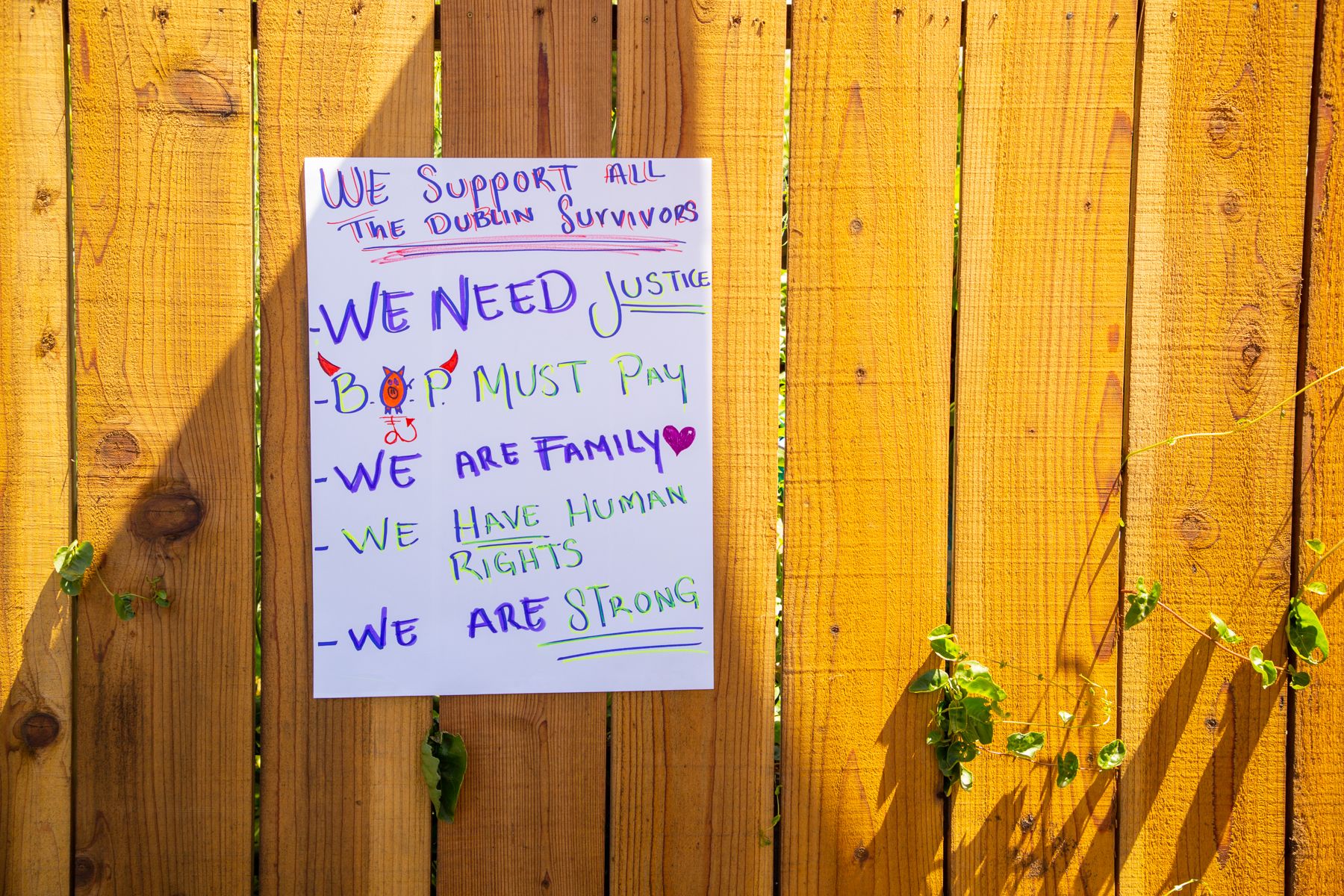
Lawyers representing survivors of sexual abuse at an infamous federal prison in Dublin, California, are trying a novel strategy: compassionate release. The mechanism, generally conceived of as a last-resort option for dying or ill prisoners, is for the first time being considered as a reparative measure for women who were sexually abused while in federal custody. Continue reading…
Our World War II Dads, the Supreme Court and Our Collective Mental Health

Our World War II parents would be outraged and not rest till the courts’ presidential immunity decision was overturned, and so should we. Continue reading…
Watching Too Much True Crime TV Can Be Bad for Your Mental Health, Experts Say

Some women who consume hours of true crime shows and podcasts have reported suffering from hypervigilance or a reluctance to leave the house. Continue reading…
If you’re not subscribed to MindSite News Daily, click here to sign up.
Support our mission to report on the workings and failings of the
mental health system in America and create a sense of national urgency to transform it.
For more frequent updates, follow us on Facebook, Twitter and Instagram:

The name “MindSite News” is used with the express permission of Mindsight Institute, an educational organization offering online learning and in-person workshops in the field of mental health and wellbeing. MindSite News and Mindsight Institute are separate, unaffiliated entities that are aligned in making science accessible and promoting mental health globally.
Copyright © 2021 MindSite News, All rights reserved.
You are receiving this email because you signed up at our website. Thank you for reading MindSite News.
mindsitenews.org
The name “MindSite News” is used with the express permission of Mindsight Institute, an educational organization offering online learning and in-person workshops in the field of mental health and wellbeing. MindSite News and Mindsight Institute are separate, unaffiliated entities that are aligned in making science accessible and promoting mental health globally.


Author

Related Articles

Trump’s Student Loan Changes Cause Anxiety and Panic
Borrowers face rising payments under the Trump administration’s student loan changes. Plus: teaching emotional literacy to teen girls, and why the new CDC youth mental health report is facing criticism.

Rumors of Kids Quitting College En Masse Are Exaggerated
This week: what the data says about Gen Z students quitting college, and why postpartum mental illness is more than depression.

Why Is Georgia Blocking Recovery Homes for Substance Abuse?
Georgia towns are using zoning loopholes to shut recovery homes down, even as addiction and mental illness surge statewide.