
Door-knocking Health Workers Really Do ‘Meet People Where They Are’
If you live in LA, community health workers may come knocking on your door, with a question: “What do you need?” Plus, on its second birthday, the 988 crisis line is chugging along – but struggling with funding and public awareness.

Wednesday, July 17, 2024
By Courtney Wise

Greetings, MindSite News Readers! Wherever you are, it’s probably hot. And extreme heat can do a doozy on your mental health. With temperatures reaching 120° in the US, NPR reached out for tips to a health researcher from India who knows a thing or two about coping with heat.
In Today’s Daily: LA County community health workers may be knocking on your door, with a question: “What do you need?” A new study finds that sex and gender don’t always look the same when you peer into the brain. And on its second birthday, the 988 crisis line is chugging along – but struggling with funding and public awareness. Read on.
Pilot program in LA brings health care to the people. Literally.
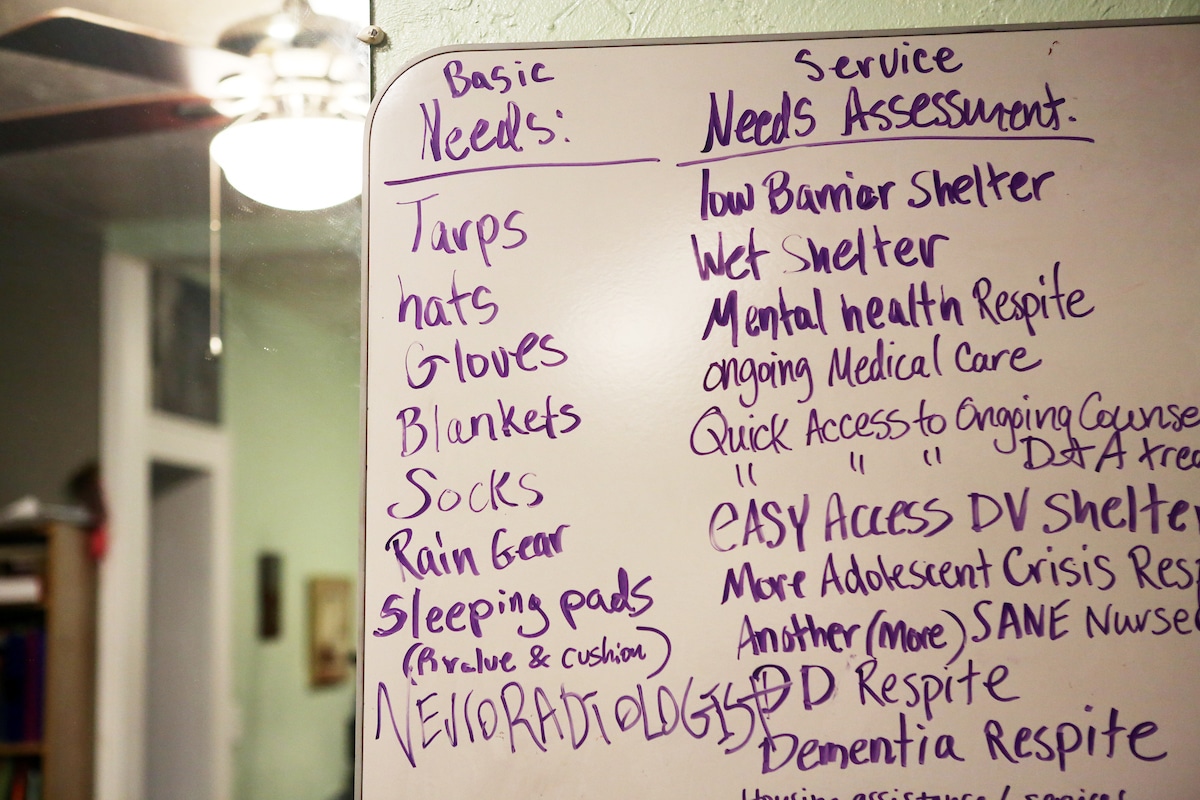
For their latest efforts to promote public health, Los Angeles County is taking cues from Costa Rica. Health advocates there developed a model of “community-oriented primary care” that tasks health workers with assist people by walking up to them and asking what they need. Literally.
An LA County pilot program is taking the same approach to reducing health disparities by sending teams of two to knock on people’s doors, the LA Times reports. They ask what people need to improve their health – and then help them do the thing, often on the spot. They’ll conduct assessments to learn people’s needs for medical care, assistance with day-to-day activities, mental health, housing instability, neighborhood violence and more. Then they can act, helping people enroll in Medi-Cal, find a food bank, or in the case of 62-year-old Monica Avila, listening to her discuss anxiety that, she says, is so bad, “I feel like I’m being locked in.” Health worker Scarlett Diaz gave Avila her direct phone number and an offer to help her access resources at a local community center and avoid the crowd inside.
One young mother told care workers Elizabeth Calvillo and Maria Trujillo that her toddler hadn’t yet gotten her annual checkup because she didn’t have three hours to wait at the local clinic. Right there, Calvillo submitted an electronic referral for an appointment, along with a promise to stop by again in two weeks to confirm the appointment had been set. “I’ve been stressing about it. You guys came at the right time!” the mom said. “That’s what we’re here for,” Calvillo replied.
Inadequate access to primary health care has stunted our capacity to prevent chronic disease and manage public health, leading to delayed diagnoses and incomplete treatment. The LA program is a federally-funded pilot expected to run for five years. Evaluations of the model in Costa Rica, where the program has run for several years, show it helps reduce mortality, particularly for residents with the least resources and lowest incomes.
“This is bringing healthcare to the door of the individual,” said Monica Dedhia, director of community health programs for Children’s Institute, a county partner, “versus waiting for someone to make an appointment.”
988 Lifeline at 2: Solid start but lots to do
Since it launched on July 22 – two years ago today – the 988 crisis line has received more than 10 million contacts, including roughly 610,000 in May 2024 alone. It exists to swiftly enable people in a mental health emergency to get the help they need.
Dialing the number last year saved her life, 15-year-old Addison Eggebeen told Chuck Ingoglia, president and CEO of the National Council for Mental Wellbeing. “I didn’t know how far I would take my suicidal thoughts,” she told him in an interview for his guest column in the LA Times. “It sounds like I’m supposed to say it, but I don’t know if I would be here if it wasn’t for 988.”
Still, many states have taken no action to ensure that 988 has enough money. Just 10 states have comprehensive funding laws, despite the authority that all state legislatures have to apply the 911 model to fund services, via surcharges on cell phone bills or by allowing telecom companies to collect small fees from customers. This has put a significant strain on 988 call centers which face serious workforce shortages.
Ignoglia says call centers and service providers need to improve recruitment and retention of mental health workers. Improved coordination is also important, he argues, so that call centers can directly access mobile units and treatment programs. He also calls on the federal government to require telecommunications companies to route calls to 988 based on the caller’s physical location rather than their area code, allowing people to engage resources closest to them during a crisis.
Sex and gender don’t look identical in the brain, study finds
Sex and gender influence the brain in distinct ways, according to a study published last week in Science Advances. Researchers used artificial intelligence to analyze the MRI data of 4,757 children between the ages of 9 and 10, whose sex was split nearly down the middle. They were able to predict the sex and gender of participants by looking at activity in certain brain regions, with some limitations, STAT News reports. Brain networks associated with sex had more influence on regions of the brain involved in vision, sensory processing, regulating movement, and planning and decision-making. Gender-associated networks, in contrast, were not so firmly linked to any regions of the brain.
Scientists say the findings support the need to collect data about both sex and gender to better understand the brain. Colloquially, sex and gender have long been used interchangeably, though researchers recognize sex as a biological variable, shaped by our body’s hormones, anatomy, and genetics. Gender, on the other hand, is a social-cultural construct, shaped by how we see ourselves and relate to others. Disorders like Alzheimer’s and ADHD are diagnosed at different rates based on sex and gender, but since few studies collect both sex and gender data, understanding the specific influence of each factor remains a challenge.
Still, some researchers question the study’s conclusions. Daniel Bayless, a neurobiologist who wasn’t involved in the study, noted that while researchers were wise to include gender in the analysis, when they built a predictive model for gender using results from males and females, they found lots of overlap between the connections for gender and sex. Further, Bayless argues, the study didn’t parse and analyze data from children whose assigned sex at birth differed from their gender identity by 9 or 10 years old, thus muddying their findings.
The study’s authors acknowledged these points at a recent press conference, and noted that the study examines children at one point in time. Researchers are now planning longer-term studies to to track changes in the brain networks of individuals as they reach puberty and adulthood.
In other news…
What led Thomas Michael Crooks to shoot Donald Trump? Charlotte McDonald-Gibson believes there are insights to be found from her profiles of eight former extremists of varying ideologies in her book, “Far Out: The Lives of Former Extremists and What They Teach Us.” She writes in a guest column for the British news outlet, The Times, that 20-year-old Crooks, like the extremists she once interviewed, seems to have grown up feeling assaulted by personal injustice. Students in his high school characterized him as bright, but “an outcast” who endured bullying. A New York Times reporter quoted a former classmate who said Crooks was teased about his hygiene and body odor and noted, chillingly, that “other kids would always say, ‘Hey, look at the school shooter over there!’”
Taken together, Crooks likely felt marginalized and alone, leaving him vulnerable to extreme ideologies, McDonald-Gibson suggests. That kind of rhetoric may have inspired his urge to do something “meaningful” that might forever be remembered – a desire, she suggests, that was probably more important than his variable political leanings as a registered Republican who also once donated $15 to a Democratic Party-aligned voter turnout project.
What do you do to relieve stress and anxiety? Share your strategies with NPR and you may be included in an upcoming story.
A narcissist rarely changes their spots: Though a new study suggests that true narcissists may mellow with age, it concludes that changes take so long to occur, only a slight difference may be observed. Research published in the journal Psychological Bulletin analyzed 51 studies with more than 37,000 participants – mostly from North America, Europe and New Zealand – and found that while narcissism diminishes as people age, “the decline is not as large as one might hope.”
The main reason explaining the change is an increase in empathy, researchers told the New York Times, which grows in most as we age. Further, despite the harm that narcissism inflicts upon relationships, “People are also more likely to value positive and close relationships” as they grow older, said Sara Konrath, director of the Interdisciplinary Program for Empathy and Altruism Research at Indiana University, who wasn’t involved with the study.
If you or someone you know is in crisis or experiencing suicidal thoughts, call or text 988 to reach the 988 Suicide & Crisis Lifeline and connect in English or Spanish. If you’re a veteran press 1. If you’re deaf or hard of hearing dial 711, then 988. Services are free and available 24/7.
Recent MindSite News Stories
In Philly, Struggling New Mothers Get a Lifeline from Nurses Making House Calls
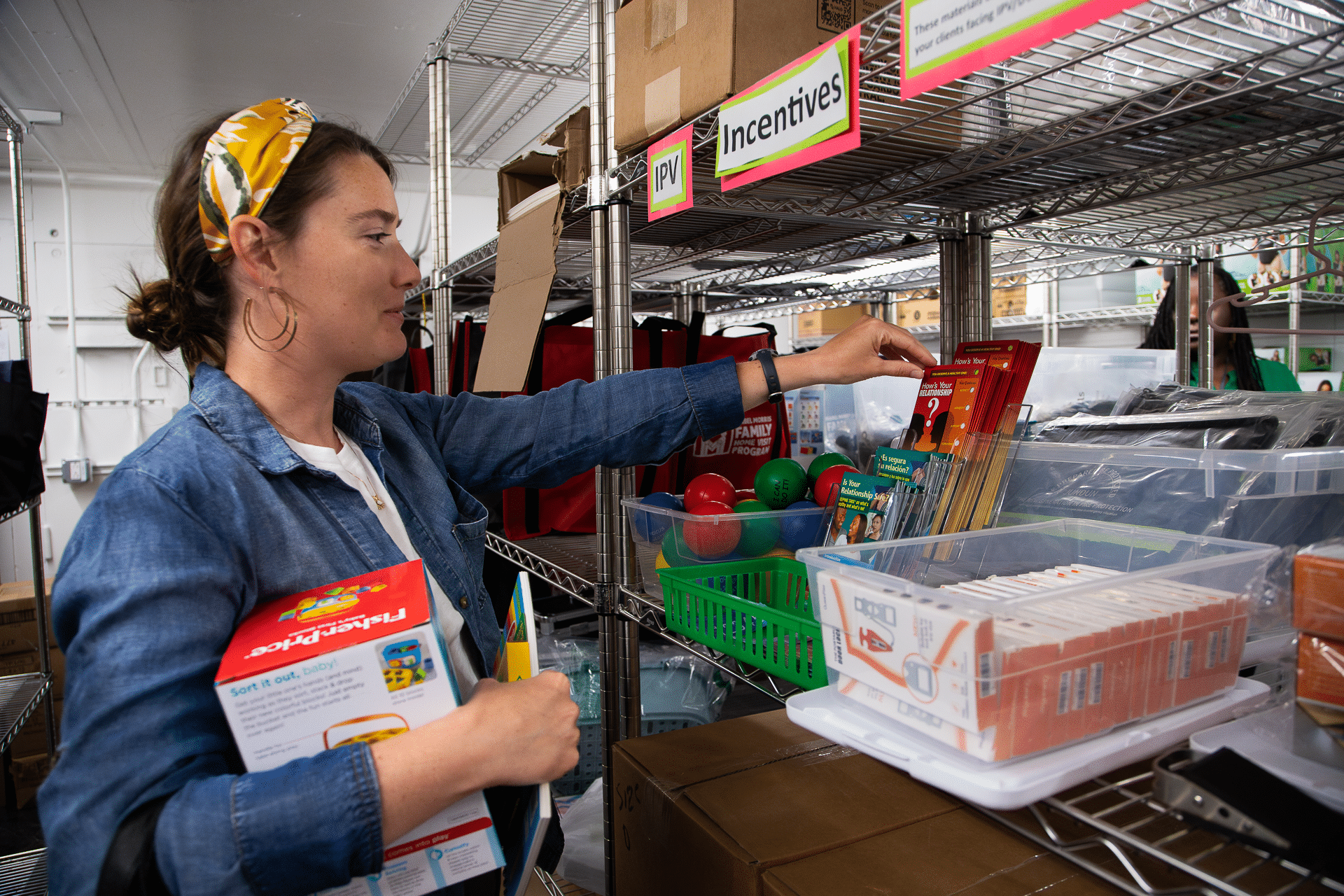
Since 2001, the Nurse-Family Partnership program has been pairing mothers-to-be in Philadelphia with a visiting nurse who makes house calls, starting in the second trimester of pregnancy.
Detroit Islamic Center Offers Free Mental Healthcare for Anyone in Need
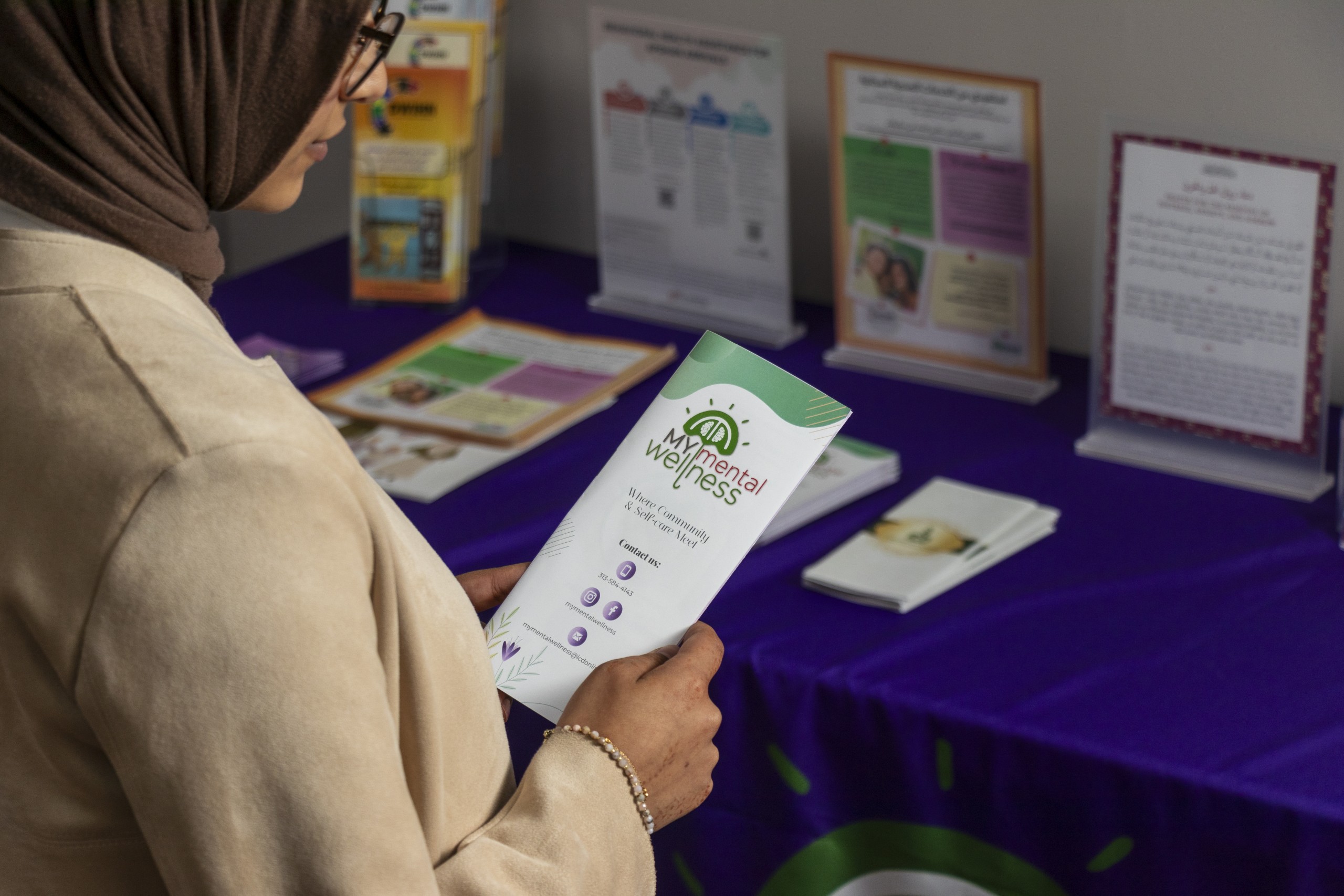
Muslim Americans have high rates of mental illness, including suicide. In the Detroit area, which has the largest concentration of Muslims in the U.S., imams have taken note. The Detroit Islamic Center has expanded My Mental Wellness, the clinic it […]
In Detroit, an Infant Mental Health Program Helps New Parents and Babies
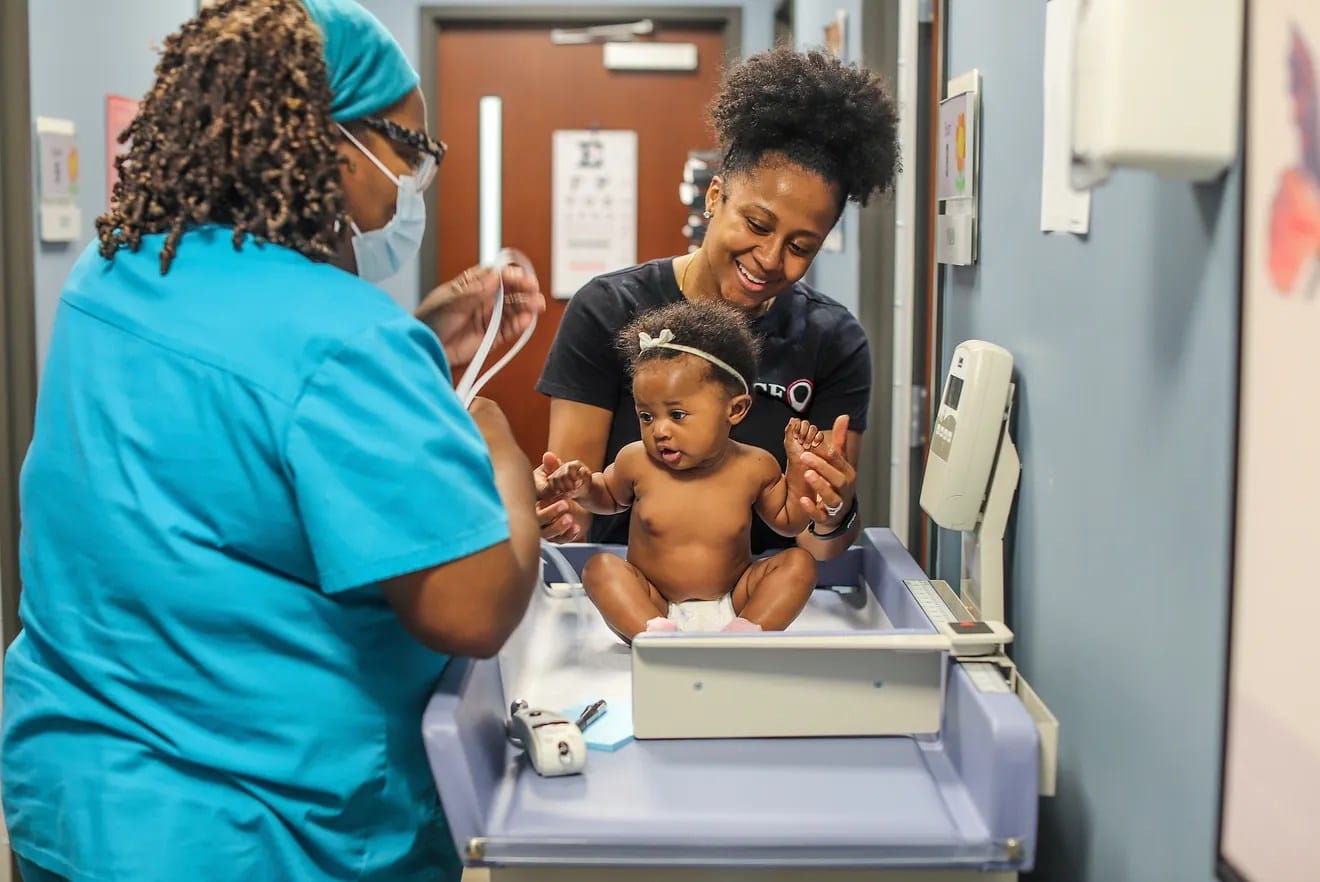
Wayne State University’s Infant Mental Health Program screens parents during routine well-child visits to assess their needs, mental health and well-being. Then it offers support.
If you’re not subscribed to MindSite News Daily, click here to sign up.
Support our mission to report on the workings and failings of the
mental health system in America and create a sense of national urgency to transform it.
For more frequent updates, follow us on Facebook, Twitter and Instagram:

The name “MindSite News” is used with the express permission of Mindsight Institute, an educational organization offering online learning and in-person workshops in the field of mental health and wellbeing. MindSite News and Mindsight Institute are separate, unaffiliated entities that are aligned in making science accessible and promoting mental health globally.
Copyright © 2021 MindSite News, All rights reserved.
You are receiving this email because you signed up at our website. Thank you for reading MindSite News.
mindsitenews.org
The name “MindSite News” is used with the express permission of Mindsight Institute, an educational organization offering online learning and in-person workshops in the field of mental health and wellbeing. MindSite News and Mindsight Institute are separate, unaffiliated entities that are aligned in making science accessible and promoting mental health globally.


Author

Related Articles

The Lindsey Clancy Murder Trial
Women nationwide watch the Lindsay Clancy trial and see themselves in her story, plus an investigation into hospitals that fail patients with addiction.
Grief and Rehabilitation in a California Prison
This month: a DUI offender’s path to rehabilitation, Lindsay Clancy revisited, Illinois prison protests, a fatal cell fire, and Missouri’s competency crisis.

Meta Pays $17 Billion Settlement for Lawsuit Over Child Harm
Meta will pay up to $17.1 billion and reshape how its platforms operate after 47 states argued that they are harmful and also addictive to children by design.