
When a Child’s Self-Esteem Is Too High
A developmental pediatrician offers tips on helping your children build stable and secure self-esteem while avoiding an unrealistic view of themselves.


July 18, 2024
By Courtney Wise

Greetings, MindSite News Readers! In today’s Daily, a developmental pediatrician offers tips on helping your children build stable and secure self-esteem while avoiding an unrealistic view of themselves. In other news, experts share what you should do in the case your child talks about or attempts suicide, research offers insight into the origins of “mother’s intuition,” and we offer a couple of essays celebrating love.
Plus: Hyattsville, Maryland, is offering families free mental health care until next June.
Should parents really be stoking high self-esteem in their children?
Parents tend to focus on helping their children build high self-esteem, but developmental pediatrician Billy Garvey says that doing so may harm them in the long run. Overly high self-esteem is actually fragile self-esteem, he argues in this column for The Guardian Australia, adapted from his book Ten Things I Wish You Knew About Your Child’s Mental Health.
To Garvey, high self-esteem is rooted in what others think, rather than what your child knows and understands about themselves. This makes them highly susceptible to a crash in self-esteem from any kind of criticism or failure, he says. They might even avoid challenges that could help them grow or achieve their own desires, for fear of failing and receiving criticism.
Stable or secure self-esteem, on the other hand, is what we should all want. “While self-esteem is not set in childhood,” Garvey writes, “it is built during this period and it can be difficult to shift once it’s been low for some time. Being proactive about building a strong and stable sense of self – one that can take constructive feedback on board without it destroying their self-esteem – helps children and adolescents navigate the challenges ahead of them.”
To do this, avoid always praising your children for their achievements. Instead, celebrate what they actually do to reach their accomplishments, which Garvey calls “process praise,” so that they know that their wins are due to their work, rather than an endless and ambiguous fount of others’ opinions. That could sound like, ‘Wow! You really took your time and worked hard on that drawing; it looks beautiful.’ Or, ‘Last week, you couldn’t ride a bike without training wheels, but this week, you worked so hard on sitting up and staying balanced, and tested your own bravery. Now, you’ve got it! I’m proud of you, and you really ought to be proud of yourself.’
Expert advise the steps to take if your child attempts suicide
It’s unthinkable – but what if? Should your child attempt suicide, would you know what to say or do? How does a parent offer support that will guide their child to mental stability and wellness? Experts at the Children’s Hospital of Orange County crafted a brief FAQ on how caregivers should proceed if their child ever needs such care.
The first thing they advise is taking your child to the nearest emergency room for a mental health evaluation if you find that they’ve attempted suicide, exhibit life-threatening behaviors or have actively made plans for suicide. There, professionals will work with you to determine if your child needs to be admitted for psychiatric care. When it’s established that your child is no longer a threat to their own physical safety, they’ll be released back into your care. This could very well mean you’re caring for a child with suicidal thinking, but as long as their thoughts don’t include active plans for self-harm, they can be kept safe with the right support from family and friends.
To ensure their safety, you’ll need to activate the in-person support of your network. This is to allow you to maintain employment and the day-to-day demands of home life, while helping your child back to mental wellness. Loved ones can take shifts being home with your child while you work, run errands or take care of your other children. Also note that a child with suicidal ideation can safely be left in a room without their caregiver, as long as the home is effectively safety proofed and check-ins occur roughly every 20 minutes.
As importantly, the FAQ encourages families to not “fragilize” the child or be afraid of discussing the suicide attempt. Open communication between children and caregivers encourages parties to seek support from one another rather than isolate in times of distress. Being open to discussing the suicide attempt can even increase a child’s future willingness to ask for help, in turn lowering their risk of another attempt. (See Rachel Cassandra’s new book review for MindSite News of “How Not to Kill Yourself.”)
What’s the deal with ‘mother’s intuition’?
For now, my 6-year-old really does believe I have eyes in the back of my head. I keep the truth to myself. She doesn’t yet appreciate the laws of sound and light, thus graciously – and unknowingly – tipping me off each time she gets out of bed or tip-toes in front of our big mirror to grab another pack of slime. But I do believe I have a strong intuition. When she’s not well or even when she’s super happy, I’m convinced our bond gives me insight into the reasons why. But is my “mother’s intuition” real? Science isn’t certain, psychologist and Hope for Depression Research Foundation media adviser Ernesto Lira de la Rosa tells Yahoo News.
There aren’t enough scientific studies to confirm it’s existence as standard, with most affirmation coming from parents like you and me. Still, attachment theory may offer some insight into the roots of the idea. Attachment theory posits that children need to develop a close bond with their caregivers immediately in life in order to survive and develop healthy social and emotional skills. The strength of the early bond is thought to follow children through their entire life and impact their future relationships and how they interact with the world.
When healthy and secure, children have a sense of physical and psychological security. In the case of a mother’s intuition, attachment theory suggests the mother simply has a strong sense of her child’s needs, based on their interactions. Or as licensed therapist Mayra Mendez puts it, “By knowing your child, the child, in turn, knows you. If the caregiver is open to connect, they will recognize the cues.” It follows, then, that moms aren’t the only ones with the special gift.
In other news…
Calling all residents of Hyattsville, Maryland: The city is offering free mental health services now through June 2025, News 4 Washington reports. Services are available thanks to a pilot program called In Wellness We Thrive, funded by the American Rescue Plan. Specifically, the program offers three services: 1) Individual and Family Therapy, both in-person and virtual; 2) Expressive Arts Support Groups for Teens, open to middle and high school students who live or attend schools in Hyattsville; and 3) Community Wellness Workshops intended to teach residents how to spot mental health symptoms and engage the best available resources and strategies. Services will be offered in English and Spanish to support the largely Latino and Black community.
To be old, queer, and Black: That’s the dream, thought Jamal Jordan, but how could one realize it without any “possibility models”? “Queerness is often conflated with youth,” Jordan says in a graphic essay for the Washington Post, because an entire generation was lost to the AIDS epidemic. “But what does it mean for an entire population of people to not have any reflections of what life can be like as you age?” Seeking relief from the isolation of wondering who he might ever become, he found queer elders willing to offer a glimpse of the fulfilled life he might live. Three summers ago, the photographer and author shared their stories in a book, Queer Love in Color.
56 years of adventure: Barbara Morris was down for adventures when she married her husband, Ward, but she quickly learned their ideas of what adventure meant were not the same. In time, though, she writes in this essay memorializing him in the Washington Post, opening her heart to trust in the strength of their partnership helped her to release the anxieties and fears she held and experience a world bigger than she imagined.
If you or someone you know is in crisis or experiencing suicidal thoughts, call or text 988 to reach the 988 Suicide & Crisis Lifeline and connect in English or Spanish. If you’re a veteran press 1. If you’re deaf or hard of hearing dial 711, then 988. Services are free and available 24/7.
Recent MindSite News Stories
Detroit Islamic Center Offers Free Mental Healthcare for Anyone in Need
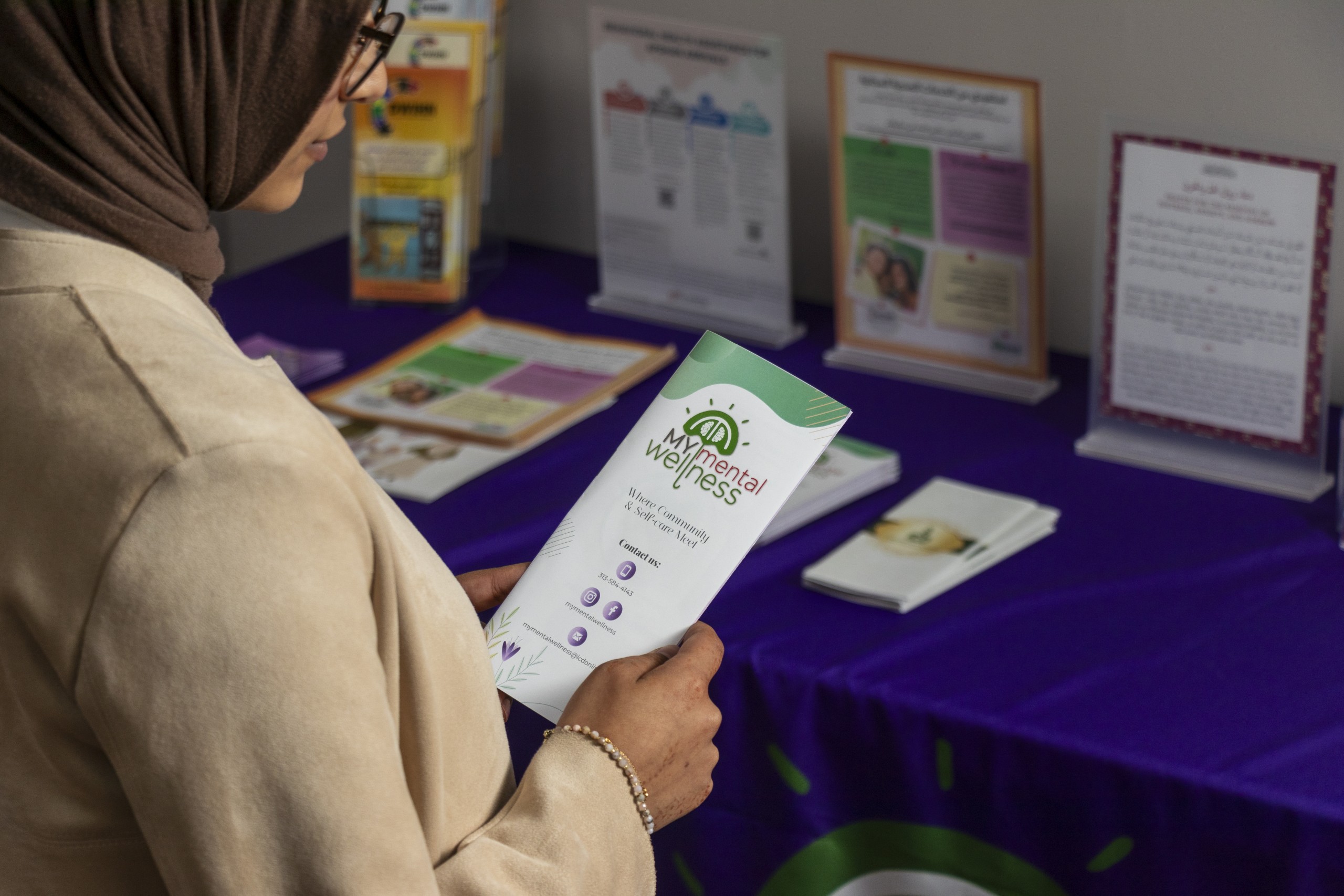
Muslim Americans have high rates of mental illness, including suicide. In the Detroit area, which has the largest concentration of Muslims in the U.S., imams have taken note. The Detroit Islamic Center has expanded its clinic My Mental Wellness to offer free mental health help to anyone in need. Continue reading…
In Detroit, an Infant Mental Health Program Helps New Parents and Babies

Wayne State University’s Infant Mental Health Program screens parents during routine well-child visits to assess their needs, mental health and well-being. Then it offers support. Continue reading…
In Philly, Struggling New Mothers Get a Lifeline from Nurses Making House Calls
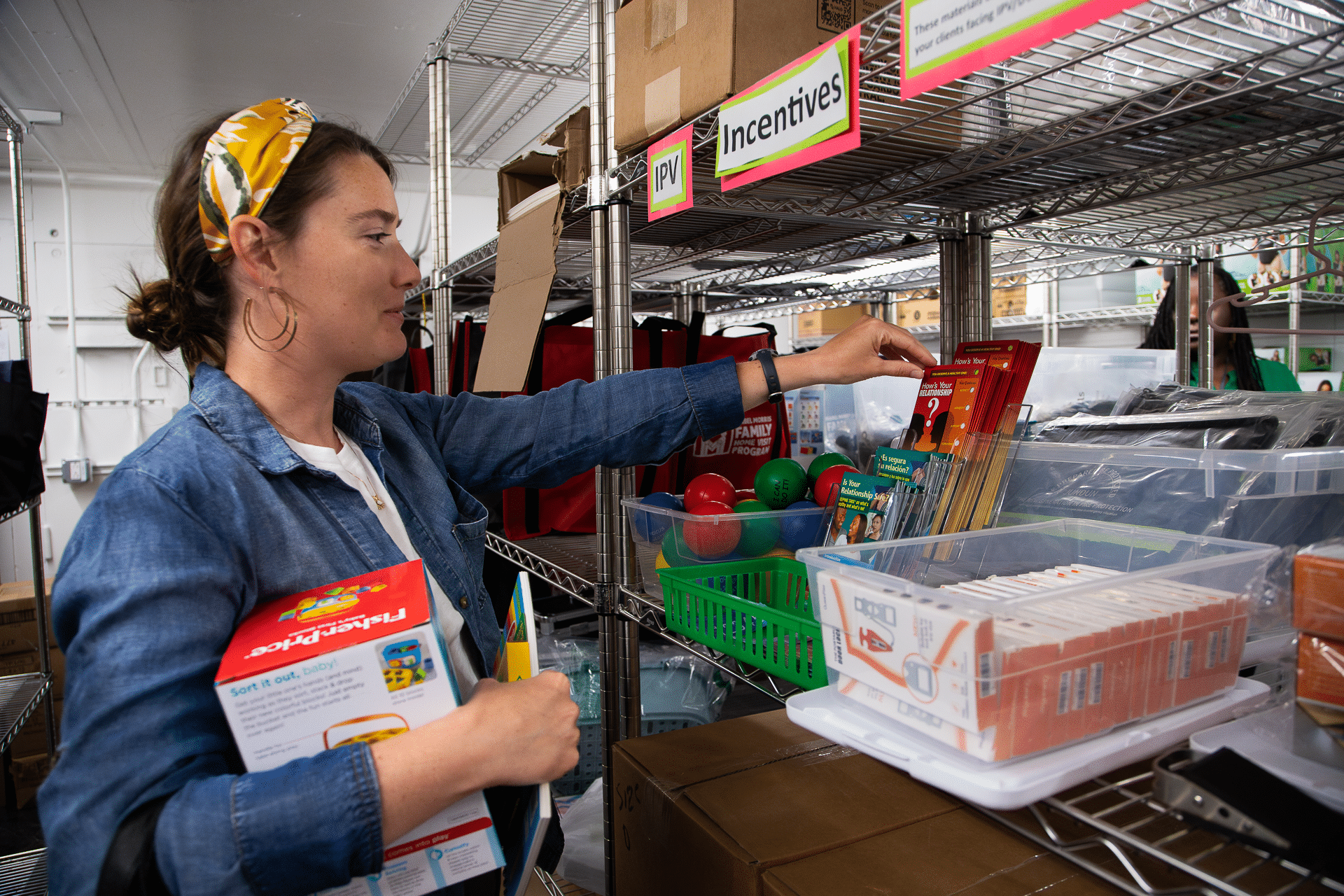
Since 2001, the Nurse-Family Partnership program has been pairing mothers-to-be in Philadelphia with a visiting nurse who makes house calls, starting in the second trimester of pregnancy. Continue reading…
If you’re not subscribed to MindSite News Daily, click here to sign up.
Support our mission to report on the workings and failings of the
mental health system in America and create a sense of national urgency to transform it.
For more frequent updates, follow us on Facebook, Twitter and Instagram:

The name “MindSite News” is used with the express permission of Mindsight Institute, an educational organization offering online learning and in-person workshops in the field of mental health and wellbeing. MindSite News and Mindsight Institute are separate, unaffiliated entities that are aligned in making science accessible and promoting mental health globally.
Copyright © 2021 MindSite News, All rights reserved.
You are receiving this email because you signed up at our website. Thank you for reading MindSite News.
mindsitenews.org

The name “MindSite News” is used with the express permission of Mindsight Institute, an educational organization offering online learning and in-person workshops in the field of mental health and wellbeing. MindSite News and Mindsight Institute are separate, unaffiliated entities that are aligned in making science accessible and promoting mental health globally.


Author

Related Articles

The Lindsey Clancy Murder Trial
Women nationwide watch the Lindsay Clancy trial and see themselves in her story, plus an investigation into hospitals that fail patients with addiction.

Grief and Rehabilitation in a California Prison
This month: a DUI offender’s path to rehabilitation, Lindsay Clancy revisited, Illinois prison protests, a fatal cell fire, and Missouri’s competency crisis.

Meta Pays $17 Billion Settlement for Lawsuit Over Child Harm
Meta will pay up to $17.1 billion and reshape how its platforms operate after 47 states argued that they are harmful and also addictive to children by design.