
Mental Health Help for Farmers With Land Poisoned by ‘Forever Chemicals’
Maine organic farmers and others with land contaminated with PFAS are eligible for relief funds and mental health support. Election anxiety. A meth treatment program shows some success in SF. And more.


July 23, 2024
By Courtney Wise

Greetings, MindSite News Readers. I must say, 2024 feels like a really long episode of Veep – except that I’m not laughing. Rather, I’m doing my best to follow the advice of experts noted by my colleague Don Sapatkin in yesterday’s newsletter and limit how much news I watch for the next few days to calm my fears about my child’s future, let alone my own, as the nation braces for a showdown unlike any most of us voters have ever seen.
As we know, President Joe Biden suspended his campaign for reelection on Sunday and endorsed Vice President Kamala Harris for the nation’s top office after his performance in the debate with Republican presidential nominee Donald Trump triggered doubt in his ability to continue to lead at 81. Trump, though, is Biden’s contemporary at 78 – and showing his own signs of age and advancing dementia, according to many experts. Neither is ready to retire, though, and there have to be plenty of American citizens wondering why. Isn’t retirement one of our culture’s prized goals (even if an unlikely probability for millennials like me)?
“No” is the answer for a small but mighty fraction of older Americans whose ages are well past what we think of as retirement, but who also have enough financial security to live well without employment. The New York Times’ Paula Span writes about what makes them different. The Times might also well write about older Americans forced to work into their 70s and 80s in crummy, low-paying jobs because they cannot make ends meet.
Also in today’s Daily, how forever chemicals in the soil are devastating farmers’ mental health in Maine and contingency management programs transform the lives of people addicted to stimulants in San Francisco. Plus: Singer-songwriter Jewel invites everyone to enter a mental health portal featuring art and music.
Relief Funds Offer Help for the Mental Health of Maine Farmers with Land Poisoned by ‘Forever Chemicals’
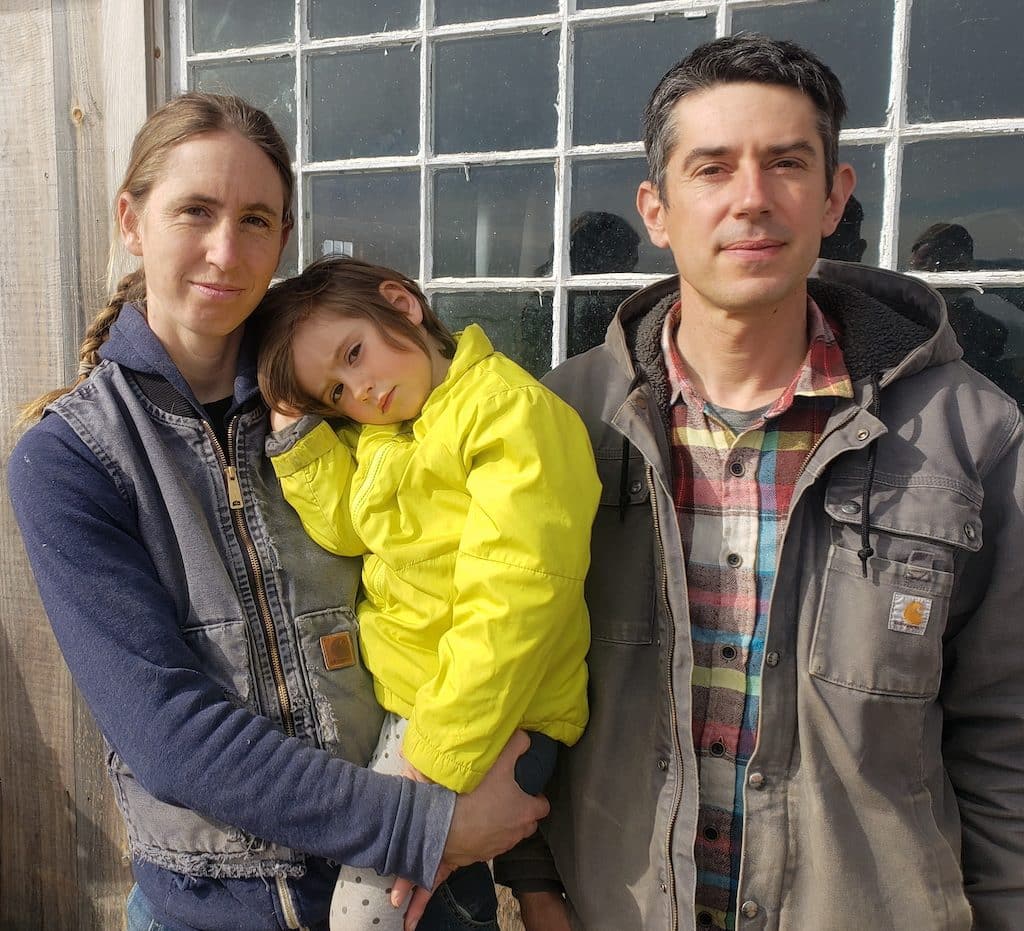
For decades, the chemical industry knew about the dangers of PFAS, chemical compounds linked to cancer, hormone disruption and other serious health problems including neurological and mental health conditions, emerging research suggests. Known as “forever chemicals” because they don’t break down, they’ve been used in consumer items from non-stick pans and takeout food packaging to personal care products. Now PFAS are being found in farmland across the U.S. that used sludge from sewage and wastewater treatment plants as fertilizer.
In Maine, the discovery of PFAS on farms where sludge was used starting decades ago has led to depression, anxiety and despair among many organic farmers after testing revealed their fields and orchards were contaminated.
The good news is that Maine’s state agencies and nonprofit groups have responded by allocating funds to buy contaminated land and to provide acccess to resources and support for affected farmers, including mental health services. Read more about it here in our new MindSite News feature.
Innovative program shows success in treatment meth addiction in San Francisco
In 3 months, Dmitiri Clark kicked the methamphetamine habit he battled for 35 years. He told the San Francisco Chronicle that he’d been on a cycle of drug benders when he joined Inspire, a program run by the city’s department of public health, which uses contingency management to help people enter recovery from stimulants addiction.
“I had a cycle where on a Friday, I would use some crystal (meth) and I was up until Monday, hardly eating, hardly drinking water during that time and isolating myself in my room,” Clark said. “Then, of course, by Monday, when I’m not using it anymore, then I was sleeping for three to four days.”
Inspire uses an approach called contingency management, which employs positive reinforcement and other incentives, like money, to help people reduce or end their drug use. Addiction experts say it is the most effective, research-proven method to treat people addicted to stimulants like methamphetamine and cocaine. Unlike for opiates, there is not yet an FDA-approved medication to treat stimulant withdrawal.
But “the money thing, it’s kind of an urban myth,” Clark said, emphasizing that it’s not just the gift cards he’s received that keep him sober. Doctors and other participants concur. The financial incentives are useful and welcome, but community support, therapy, and lifestyle changes are the meat of participants’ successful recovery.
We offer an “intangible community, family feel for people because many of our participants don’t have that stability in their lives. I think that actually outweighs the financial reward by a lot for the majority of our participants,” said Meredith Adamo, the doctor who started Inspire, the contingency management program that treated Clark. In addition, the program employs peer specialists, all of whom have overcome addiction themselves, to help participants.
According to the most recent data from 2019, roughly 10,000 people in San Francisco struggle with an addiction to meth. To address the need, the city operates 10 contingency management programs, with two more in the works. First quarter data shows that 190 people have been served thus far in 2024. It’s a small number, but Adamo said that the programs are small to reinforce community in programs like Inspire. They enroll just 12 people at a time.
Contingency management programs are expanding across California, in part, because many are covered by Medi-Cal, the state’s Medicaid program. As of today, 24 counties in California have rolled out Medi-Cal coverage of such services, though not all programs in every participating county allow it.
In other news…
Choking under pressure: Why does it happen? “Counterintuitively, one of the reasons people flub under pressure, especially in athletics, is they start paying too much attention to their performance, things that should just run on autopilot,” said Sian Beilock, a cognitive scientist who studies how humans respond to pressure. She explains the influence of our prefrontal cortex in the process in this 14-minute episode of the Ted Radio Hour from NPR.
Jewel invites everyone to enter “The Portal:” Last year, singer-songwriter Jewel partnered with Meta to launch Innerworld, a digital wellness center where people use an anonymous avatar to access mental health tools for $40 per month. This year, she’s on tour with Melissa Etheridge and giving visitors to Bentonville, Arkansas’ Crystal Bridges Museum of Art a cultural experience that unites music, mental health, technology and art. Billed “The Portal: An Art Experience by Jewel,” the exhibit, which closes on Sunday, July 28, features several paintings and sculptures by Jewel. It also includes 200 twinkling drones, all programmed to hover in sync to Jewel’s new music. In conversation with the San Diego Union-Tribune, the artist speaks about each of these recent cultural contributions and her own history with mental health.
If you or someone you know is in crisis or experiencing suicidal thoughts, call or text 988 to reach the 988 Suicide & Crisis Lifeline and connect in English or Spanish. If you’re a veteran press 1. If you’re deaf or hard of hearing dial 711, then 988. Services are free and available 24/7.
Recent MindSite News Stories
Detroit Islamic Center Offers Free Mental Healthcare for Anyone in Need

Muslim Americans have high rates of mental illness, including suicide. In the Detroit area, which has the largest concentration of Muslims in the U.S., imams have taken note. The Detroit Islamic Center has expanded My Mental Wellness, a clinic that will offer free mental health care to everyone. Continue reading…
In Detroit, an Infant Mental Health Program Helps New Parents and Babies

Wayne State University’s Infant Mental Health Program screens parents during routine well-child visits to assess their needs, mental health and well-being. Then it offers support. Continue reading…
In Philly, Struggling New Mothers Get a Lifeline from Nurses Making House Calls
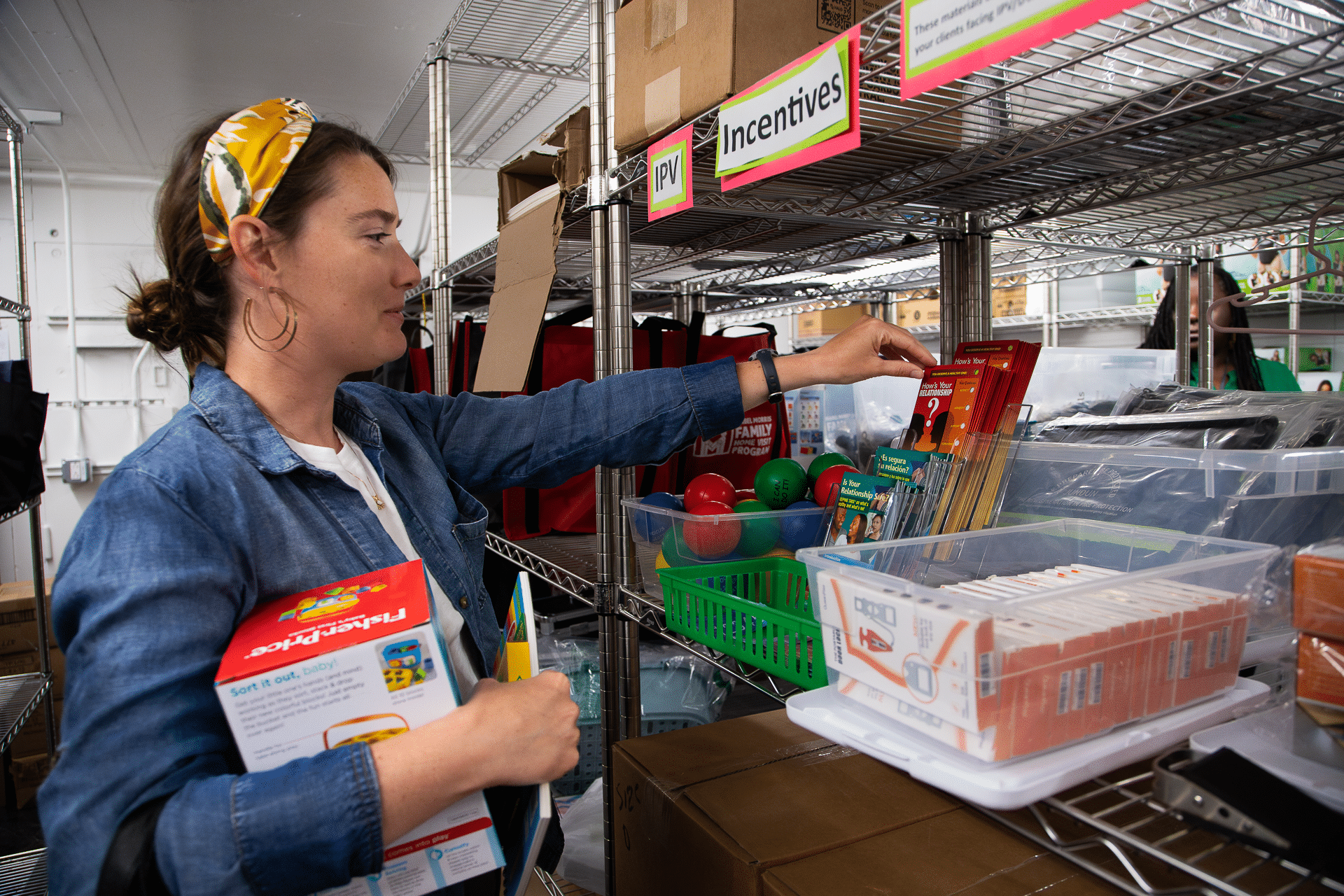
Since 2001, the Nurse-Family Partnership program has been pairing mothers-to-be in Philadelphia with a visiting nurse who makes house calls, starting in the second trimester of pregnancy. Continue reading…
If you’re not subscribed to MindSite News Daily, click here to sign up.
Support our mission to report on the workings and failings of the
mental health system in America and create a sense of national urgency to transform it.
For more frequent updates, follow us on Facebook, Twitter and Instagram:

The name “MindSite News” is used with the express permission of Mindsight Institute, an educational organization offering online learning and in-person workshops in the field of mental health and wellbeing. MindSite News and Mindsight Institute are separate, unaffiliated entities that are aligned in making science accessible and promoting mental health globally.
Copyright © 2021 MindSite News, All rights reserved.
You are receiving this email because you signed up at our website. Thank you for reading MindSite News.
mindsitenews.org
The name “MindSite News” is used with the express permission of Mindsight Institute, an educational organization offering online learning and in-person workshops in the field of mental health and wellbeing. MindSite News and Mindsight Institute are separate, unaffiliated entities that are aligned in making science accessible and promoting mental health globally.


Author

Related Articles

The Lindsey Clancy Murder Trial
Women nationwide watch the Lindsay Clancy trial and see themselves in her story, plus an investigation into hospitals that fail patients with addiction.

Grief and Rehabilitation in a California Prison
This month: a DUI offender’s path to rehabilitation, Lindsay Clancy revisited, Illinois prison protests, a fatal cell fire, and Missouri’s competency crisis.

Meta Pays $17 Billion Settlement for Lawsuit Over Child Harm
Meta will pay up to $17.1 billion and reshape how its platforms operate after 47 states argued that they are harmful and also addictive to children by design.