
Texas Church Leaders Trained to Offer Mental Health Support
A program model that has trained community members in India and Africa to provide mental health support to their neighbors is being rolled out in Texas. And new evidence shows why workaholics might as well take a break.


Wednesday, July 24, 2024
By Courtney Wise

Greetings, MindSite News Readers. In today’s Daily, a program model that has trained community members in India and Africa to provide mental health support to their neighbors is being rolled out in Texas. New evidence shows why workaholics might as well take a break.
Plus, the network directories of mental health clinicians offered by health insurance companies are hugely inaccurate, making it tough for folks in need of care to get help. And beware of mushroom edibles: makers aren’t always clear on how potent the substances are in the packages they’re selling.
San Antonio church leaders train as mental health peer counselors
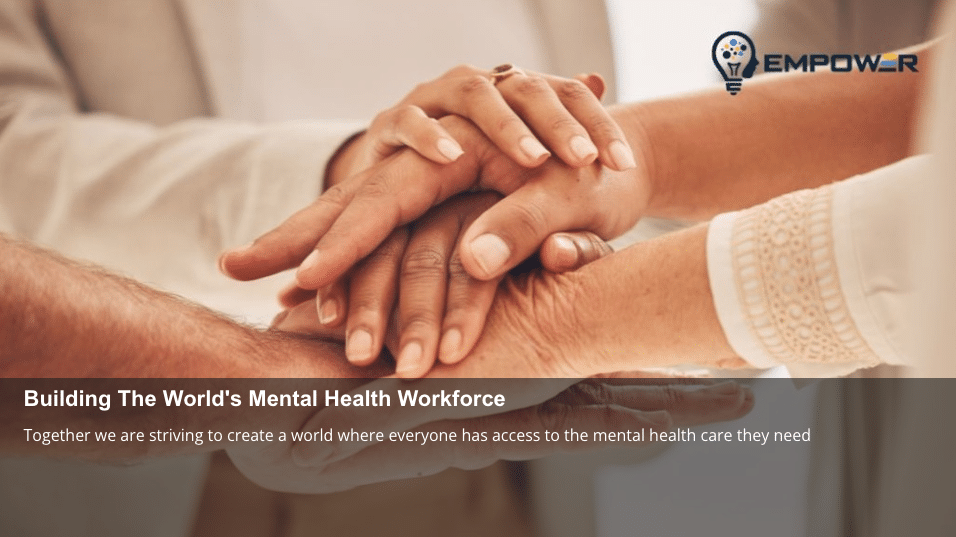
In a culture where mental health stigma still holds a lot of power – particularly among religious folk – the church remains a primary source of emotional support for many people. It’s why 10 San Antonio church leaders signed up for a year-long training program called EMPOWER being developed and studied by the Mental Health for All Lab at Harvard Medical School. The program aims to address the shortage of mental health clinicians by training non-professionals to provide support to people struggling with depression. The church leaders – both pastors and parishioners – are among the first groups in the U.S. to get the training.
“We have learned that people may need to see a mental health clinician, but they are less likely to speak to someone in a white coat than somebody in the church,” Rev. David Murillo of St. Paul Lutheran told the Texas Tribune. “This means the church needs to step up. If not us, then who?”
The training is supported by The Congregational Collective. Before completing the program, participants work as interns and counsel people under direct supervision. Roxanna Johnson, a member of St. Paul Lutheran, said the training enabled her to help a couple from Honduras who were seeking asylum in the U.S. “They had a hard time coming here,” Johnson said. “I assessed the woman using the training I had received, got her some help, and found her a program to get into.”
The EMPOWER training is new to faith leaders in the United States, but it is modeled on programs that have trained hundreds of community health workers in India and Africa. (See this 2022 interview with Vikram Patel, one of EMPOWER’s founders, by MindSite News’ Rob Waters.) “Leveraging faith leaders has been done all over the world,” said John Naslund, an instructor at Harvard helping to implement the program. “America is actually behind in this regard.”
EMPOWER’s partners, like the New Opportunities for Wellness clinic in San Antonio, provide clinical supervision and referrals to the trainees and enable EMPOWER “to measure and track the referrals and the monetary value of this work,” said Rebecca Brune, executive director of the Congregational Collective. “With the workforce shortage struggle, we needed to figure out how to distribute mental health treatment from an equity perspective,” Brune said. “What better place to go to than faith communities, where Latinos and African-Americans already have trust.”
Are you a workaholic?
Working to excess has no benefits, not even for the workaholic – though they may not believe it. A workaholic’s performance is rarely better than their average colleague, researchers say. “They create a lot of work for themselves, but that doesn’t necessarily mean that they’re doing good work,” behavioral scientist Toon Taris told the Washington Post. “We know that if people work too hard, they spend little time on recovery.” This can lead to exhaustion and costly mistakes that impact themselves, clients, or even their company.
So, what is a workaholic anyway? Workaholic describes a person who feels compelled to work to the point that it harms them. When away from work, thinking of work can overtake one’s thoughts. One might even feel down or have negative feelings when not working. Interestingly enough, insecurity doesn’t have anything to do with it. Rather, researchers found, some personality types – extroverts, perfectionists, and type As – are prone to working too much. Managers and self-employed people are most likely to be workaholics, perhaps unintentionally. As working from home is now popularized, even the average worker is at greater risk of workaholism because of apps like Slack and Zoom that might encourage one to “always be on.”
If you’re a workaholic, there are steps you can take to protect yourself from greater harm. Track your accomplishments throughout the day so that it’s easier to step away from work at a reasonable time, said Nina Junker, a work psychologist at the University of Oslo in Norway. It can also help to add “down time” to your work calendar. Employers who notice that working too much is an issue for some can also create boundaries to help people before they reach burnout. They include tracking hours already worked, limiting access to work materials at the end of a shift, or even requiring people to take time away.
Despite new laws, patients are still plagued by “ghost networks,” study finds

Health insurance networks typically offer provider directories to patients to help them get the care they need. In recent years, these directories have often become wildly inaccurate, and a new study says it’s making getting mental health services especially difficult.
This is happening, Behavioral Health Business reports, despite the passage of a 2022 law, the No Surprises Act, that was supposed to compel insurers to provide accurate directories.
“It is often challenging for patients to realize they have a behavioral health need and seek care,” Neel Butala, the study’s lead author, told BHB. “Once patients make the decision to seek care, they often run into barriers to make an appointment due to inaccurate provider directories. As we find in this study, contact information for providers is frequently incorrect, so it takes a lot of time and effort to find the right provider that actually practices at the location listed.”
Butala and his colleagues analyzed the publicly available provider directories of five national insurers: UnitedHealth, Elevance, Cigna, Aetna and Humana. More than 440,000 provider listings from 2022 were examined to determine the accuracy of each network’s information. They found that, among mental health care providers, just 16% had correctly listed phone numbers and only 28% had correct addresses.
The level of inaccuracy was so great across all insurers that it has become systemic, the authors wrote. Now some lawmakers want to get tougher and have introduced bills that would require the federal government to audit health insurer directories and push Medicare Advantage plans to maintain accurate provider directories. Butala thinks technology could be used to identify inaccuracies and continually update directories.
In other news…
“The net is working.” Golden Gate Bridge officials told the San Francisco Chronicle that the $224 million stainless steel net now attached to the iconic span has prevented suicides that otherwise would have happened. In the first six months of the years, officials say, only 3 completed suicides have been recorded at the bridge; in previous years they’d have recorded 15 to 20. Attempts are down as well – from 100 in years past to 56 through the end of June. The net is acting as a suicide deterrent, officials say, just as it was intended to. Still, staff continue to patrol the bridge around the clock, each day of the year.
Beware of mushroom edibles: You may not be getting what’s advertised on the package – even if those Amanita muscaria mushrooms of Super Mario fame are pretty to look at! Seriously, though, the lack of regulation around edible mushroom products can make them unsafe. Reports of people being sickened after consuming such products are on the rise, NBC News reports. So far this year, the FDA has recorded 67 illnesses in 28 states linked to mushroom edibles, including 38 hospitalizations and two possible deaths.
The torture of solitary confinement: Kwaneta Harris is a former nurse who has been incarcerated for the past 17 years, the last eight in solitary confinement in Texas. During that time, she has used the power of the pen to write about the horrors – both mental and physical – that prisoners face in “the hole.” Her writing has been published in numerous outlets and she was recently named a 2024 Haymarket Writing Freedom fellow. In this essay published by Solitary Watch – which should be read with caution due to its vivid descriptions of sexual violence – Harris describes the difficulty she’s faced attempting to meditate in prison.
If you or someone you know is in crisis or experiencing suicidal thoughts, call or text 988 to reach the 988 Suicide & Crisis Lifeline and connect in English or Spanish. If you’re a veteran press 1. If you’re deaf or hard of hearing dial 711, then 988. Services are free and available 24/7.
Recent MindSite News Stories
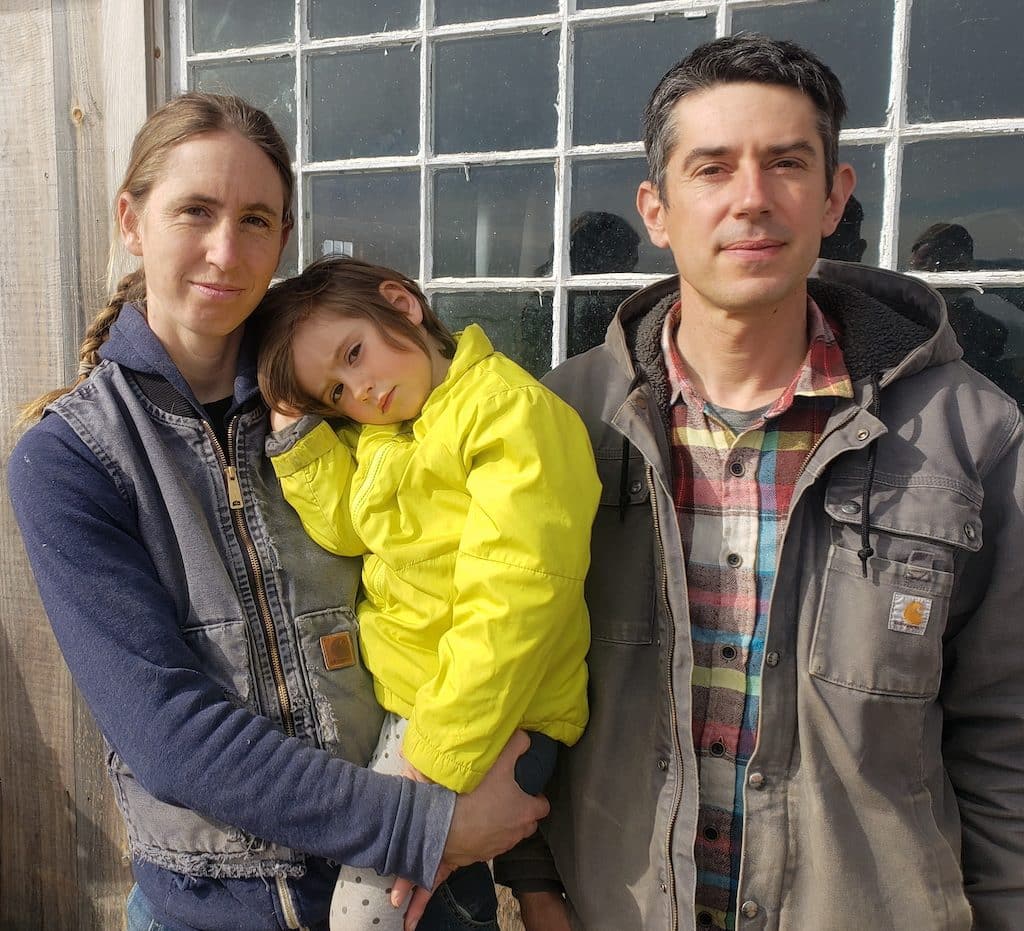
Relief Funds Help the Mental Health of Farmers with Land Poisoned by ‘Forever Chemicals’
In Maine, state agencies and nonprofits are working to help farmers distressed by the discovery of PFAS – better known as “forever chemicals” – on their land.
Detroit Islamic Center Offers Free Mental Healthcare for Anyone in Need

Muslim Americans have high rates of mental illness, including suicide. In the Detroit area, which has the largest concentration of Muslims in the U.S., imams have taken note. The Detroit Islamic Center has expanded My Mental Wellness, the clinic it […]
In Detroit, an Infant Mental Health Program Helps New Parents and Babies

Wayne State University’s Infant Mental Health Program screens parents during routine well-child visits to assess their needs, mental health and well-being. Then it offers support.
If you’re not subscribed to MindSite News Daily, click here to sign up.
Support our mission to report on the workings and failings of the
mental health system in America and create a sense of national urgency to transform it.
For more frequent updates, follow us on Facebook, Twitter and Instagram:

The name “MindSite News” is used with the express permission of Mindsight Institute, an educational organization offering online learning and in-person workshops in the field of mental health and wellbeing. MindSite News and Mindsight Institute are separate, unaffiliated entities that are aligned in making science accessible and promoting mental health globally.
Copyright © 2021 MindSite News, All rights reserved.
You are receiving this email because you signed up at our website. Thank you for reading MindSite News.
mindsitenews.org
The name “MindSite News” is used with the express permission of Mindsight Institute, an educational organization offering online learning and in-person workshops in the field of mental health and wellbeing. MindSite News and Mindsight Institute are separate, unaffiliated entities that are aligned in making science accessible and promoting mental health globally.


Author

Related Articles

The Lindsey Clancy Murder Trial
Women nationwide watch the Lindsay Clancy trial and see themselves in her story, plus an investigation into hospitals that fail patients with addiction.

Grief and Rehabilitation in a California Prison
This month: a DUI offender’s path to rehabilitation, Lindsay Clancy revisited, Illinois prison protests, a fatal cell fire, and Missouri’s competency crisis.

Meta Pays $17 Billion Settlement for Lawsuit Over Child Harm
Meta will pay up to $17.1 billion and reshape how its platforms operate after 47 states argued that they are harmful and also addictive to children by design.