Questions the Presidential Candidates Should Answer
A mental health advocate proposes questions for the presidential debate. And government forecasters expect more mental health jobs – lots more – to be created over the next decade.

Monday, September 8, 2024
By Don Sapatkin

Good Monday Morning! Psychiatrist Anders Hansen offers an evolutionary perspective on why so many of us suffer from depression and anxiety in a Psychology Today blog post. In today’s Daily: A mental health advocate proposes questions for the presidential debate.
Plus: Government forecasters expect more mental health jobs – lots more – to be created over the next decade. An implantable overdose-reversal device is in early testing. Methadone clinics lobby to stop an expansion of methadone treatment. Neuroscientists find a brain network in people with depression that’s twice the normal size. And more.
Questions we’d like to see asked during the presidential debate
Given the mental health woes afflicting millions of Americans, the 49,000 suicide and 108,000 drug overdose deaths last year and the crisis afflicting children and young adults, one would hope that mental health would be a topic for discussion during Tuesday’s presidential debate.
It historically has been a bipartisan issue – one reason, perhaps, that neither former President Donald Trump nor Vice President Kamala Harris has said much about it on the campaign trail. But we’ll be watching the debate for signs that either of them has thought much about it, let alone has innovative policy ideas that could help.
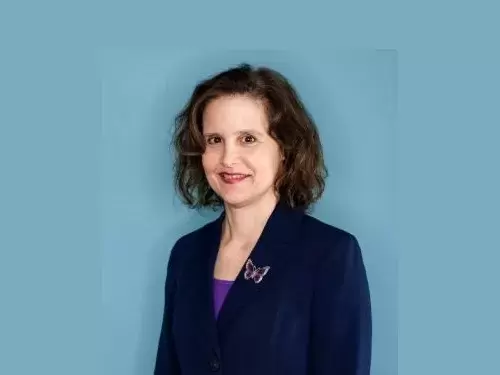
Mary Giliberti, chief public policy officer at Mental Health America, will be watching, too. She outlined in a STAT opinion piece three big questions she’d like the candidates to address. As she noted in her column: “Voters deserve to know the answers to these questions, and moderators need to ask.”
Here are her questions:
1) How will you improve access to critically needed mental health and addiction services?
As we report almost daily in MindSite News, people needing mental health services in the U.S. have an incredibly difficult time getting them. Private insurance plans pay therapists in their networks so little that they are incentivized to leave. Medicaid plans make it hard for beneficiaries to get appointments.
Sixteen years after the passage of federal parity legislation to require most insurance plans to provide mental health care on par with their physical health coverage, insurers still find multiple ways not to. And the expansion of telehealth, which is popular among therapists and their patients, is being held up by state licensing laws and squabbles between federal agencies.
So, who will you each put in charge of these areas and how will you expand access?
Vice President Harris, why has the administration’s rule to close gaps in the parity law, announced 14 months ago, still not been finalized? And what, former President Trump, would you do?
Another success story is the slow integration of behavioral health care into schools and primary care offices: What will each of you do to maintain and accelerate these efforts?
2) How will you get upstream of these issues?
Treatment is akin to plucking a few drowning people from the water after a huge dam floods. We need a strategy to prevent the flood: to reduce adverse childhood experiences, provide affordable housing, increase economic stability for people who are struggling (rough tax credits or grants have been shown to decrease risk and improve mental health outcomes).
What ideas do each of you have for getting upstream and preventing mental health and substance use conditions? Young people are spending about five hours a day on social media platforms: Do you agree that we need to better regulate social media companies, and to invest in research in order to better understand its benefits and harms? What agency will you put in charge, and what would you have its staff do?
3) Do the candidates recognize the scope and danger of the current mental health crisis?
If so, how will you each mobilize a national response, led by people who have experienced these issues, that is equal to the challenges that we face?
Jobs in mental health projected to grow rapidly in the coming decade
As the need for mental health services soars, the number of jobs in the field – for psychiatrists, psychologists, therapists, social workers, counselors, psychiatric aides and related positions – is expected to increase by 11.7% in the coming decade, triple the rate of the overall job market, according to a CNN analysis of federal data. The demand is likely being fueled by the increasing uncertainty in peoples’ lives and decreasing stigma around seeking mental health care, Traci Cipriano, a clinical psychologist and assistant clinical professor at the Yale School of Medicine, told CNN.
Some categories will grow even faster: Mental health counselor (including for substance abuse and behavioral disorders) is projected to grow by 18.8% − the 19th fastest-growing category – and add 84,500 jobs for a total 534,300 by 2033. The bad news: These jobs, which typically require a master’s degree, paid a median $53,710 in 2023, the fifth lowest of the top 20. (The fastest-growing category, wind service technician, does not require a college degree and pays $61,770.)
Job growth of 16.2% is projected for marriage and family therapists; 13.3% for clinical psychologists; 11.6% for mental health social workers; and 14.4% for “counselors, all other,” which includes sexual assault, anger control and grief counselors. School psychologist positions, on the other hand, are expected to grow just 0.7% by 2033. Also expected to grow faster than the overall job market: the number of holistic health workers such as acupuncturists, fitness trainers and massage therapists who help people manage their stress. Growth for massage therapists, for example, is projected at 17.7%.
Mental health tech that caught my eye
Loyal readers of Monday’s newsletter know that I don’t write much about the latest miracles of mental health technology because, in a nutshell, I believe that nearly all are hyped. But these three were hard to resist:
“MIT scientists reverse opioid overdoses with ‘Narcan sensor’ implanted under skin,” according to the good-news site GoodGoodGood. (Read on for the “but.”) A sensor in the iSOS implant, which is about the size of a stick of gum, monitors breathing rate and other vital signs that change rapidly in an opioid overdose. A unique algorithm distinguishes between overdoses and other conditions that affect breathing rates.
When the implant detects an overdose, it calculates exactly when the opioid overdose antidote naloxone should be administered, and pumps 10 milligrams deep into the skin from a refillable reserve. (Naloxone is harmless in the absence of an overdose, although it does immediately stop a user’s high and can quickly send them into withdrawal, which may make them quite angry.) The device can also send a medical alert to first responders and loved ones. A study of the implant published in the journal Device found it successfully reversed 24 of 25 overdoses within 3.2 minutes.
One very big caveat: The overdoses were in pigs. Research has found that only 5% of animal studies eventually lead to FDA approval for pharmaceuticals, although medical devices face a lower bar.
“Cognitive Behavioral Therapy App Improves Anxiety in Young Adults,” according to a press release from Weill Cornell Medicine, whose researchers developed the self-guided app they named Maya. Results of the small, randomized clinical trial of 59 young adults aged 18 to 25, reported in JAMA Network Open, found that the app significantly reduced symptoms of anxiety after six weeks of use and participants’ symptoms remained at that level after 12 weeks.
Maya’s creators note that the app is not a replacement for professional therapy, but it does teach a comprehensive array of cognitive behavior skills that target common features of anxiety, “with a focus on behavioral skills often omitted from other apps.” Participants were assigned to complete two sessions a week of that included videos and quizzes and various CBT exercises and skills, with homework to be completed before the next session. A version of Weill Cornell’s Maya is available from the Apple App store but not Google Play.
“A new app could help relieve symptoms in people with major depressive disorder − but they’ll need a prescription to use it,” Politico’s Future Pulse newsletter reports. The Rejoyn app is intended as an adjunct therapy for people with clinical depression who are taking antidepressant drugs. It incorporates techniques from cognitive behavioral therapy with the intent of better connecting the part of the brain that processes emotions with the system that exerts cognitive control. It includes six weeks of “brain exercises,” in which patients try to recall sequences of faces with various emotional expressions. A 13-week study with nearly 400 participants found that using it was associated with a reduction in depression symptoms, and the FDA in March cleared the device for marketing. Rejoyn, made by Otsuka Precision Health and Click Therapeutics, is available on both the Apple App and Google Play stores.
Mental health news from England
Brits in crisis can now call 111 and choose the mental health option to speak with a trained mental health professional 24/7, The Guardian reports. The National Health Service’s free 111 number already provided urgent healthcare advice and treatment for non-life-threatening medical conditions. Although structurally different than the 988 suicide and crisis lifeline in the U.S., one concern apparently is the same: whether there will be adequate staff to handle the additional calls.
The NHS is also launching six new community mental health centers to support people with serious mental illness. The pilot will test the effectiveness of an “open access” model that allows people to walk in rather than having to make advance appointments, according to a press release from the South London and Maudsley NHS Foundation Trust. The Trust will operate one of them to serve the 1.3 million people of South London and hopes to open its doors in 2025.
In other news…
Methadone clinics lobbying against wider access to the opioid addiction treatment have succeeded in stalling a bipartisan bill despite support from the Biden administration and bipartisan approval by a key committee, according to the Politico Pulse newsletter. Proponents of the legislation, including National Institute on Drug Abuse Director Nora Volkow, believe that the fentanyl overdose death rate could be cut by as much as half by allowing addiction specialists not connected with methadone treatment clinics to dispense the medication. But methadone clinic directors argue that prescribing the drug, which is itself an opioid, outside of clinics is risky without their safeguards. Methadone is highly effective treatment for users with serious addiction, but federal law requires that most patients visit the clinic daily to pick up their dose – one of the safeguards that has severely restricted its use.
People with depression have a brain network twice the typical size, according to findings in Nature. The research finding provides new insights into the underpinnings of the mental health disorder and might eventually provide targets for treatment. A team of neuroscientists used advanced neuroimaging techniques to repeatedly scan the brains of 141 people diagnosed with major depression and compare them with scans from 37 healthy controls. They found an unexpected yet stable enlargement in a group of brain regions, collectively known as the frontostriatal salience network, in those who suffered from depression. It is thought to play a role in detecting and filtering out external stimuli in the subjects with depression. The study was covered by Newsweek.
“Weed is up. Booze and smokes are down” among young adults, as Politico’s Future Pulse newsletter put it. Nearly 29% of 19-to-30-year-olds reported cannabis use in the past 30 days in 2023, up from 24% in 2018, while 62% said they’d used alcohol in the past month, down from 66% in 2018, according to Monitoring the Future’s 2024 annual report (the index starts on page 5). Smoking cigarettes was down – to 8.8% last year from 13.8% in 2018, while vaping nicotine increased to 18.7% from 10.7% five years earlier.
Use of hallucinogens increased in that age group, with 8.9% reporting past-year use in 2023, up from 5.3% five years before. Interestingly, use of MDMA (Ecstasy), which has received a huge amount of publicity as a possible mental health treatment, was down over the past five years – to 2.9% past-year use in 2023 from 3.8% in 2018.
If you or someone you know is in crisis or experiencing suicidal thoughts, call or text 988 to reach the 988 Suicide & Crisis Lifeline and connect in English or Spanish. If you’re a veteran press 1. If you’re deaf or hard of hearing dial 711, then 988. Services are free and available 24/7.
Recent MindSite News Stories
How Paris Hilton and Other Survivors of the Troubled Teen Industry Unleashed a Movement
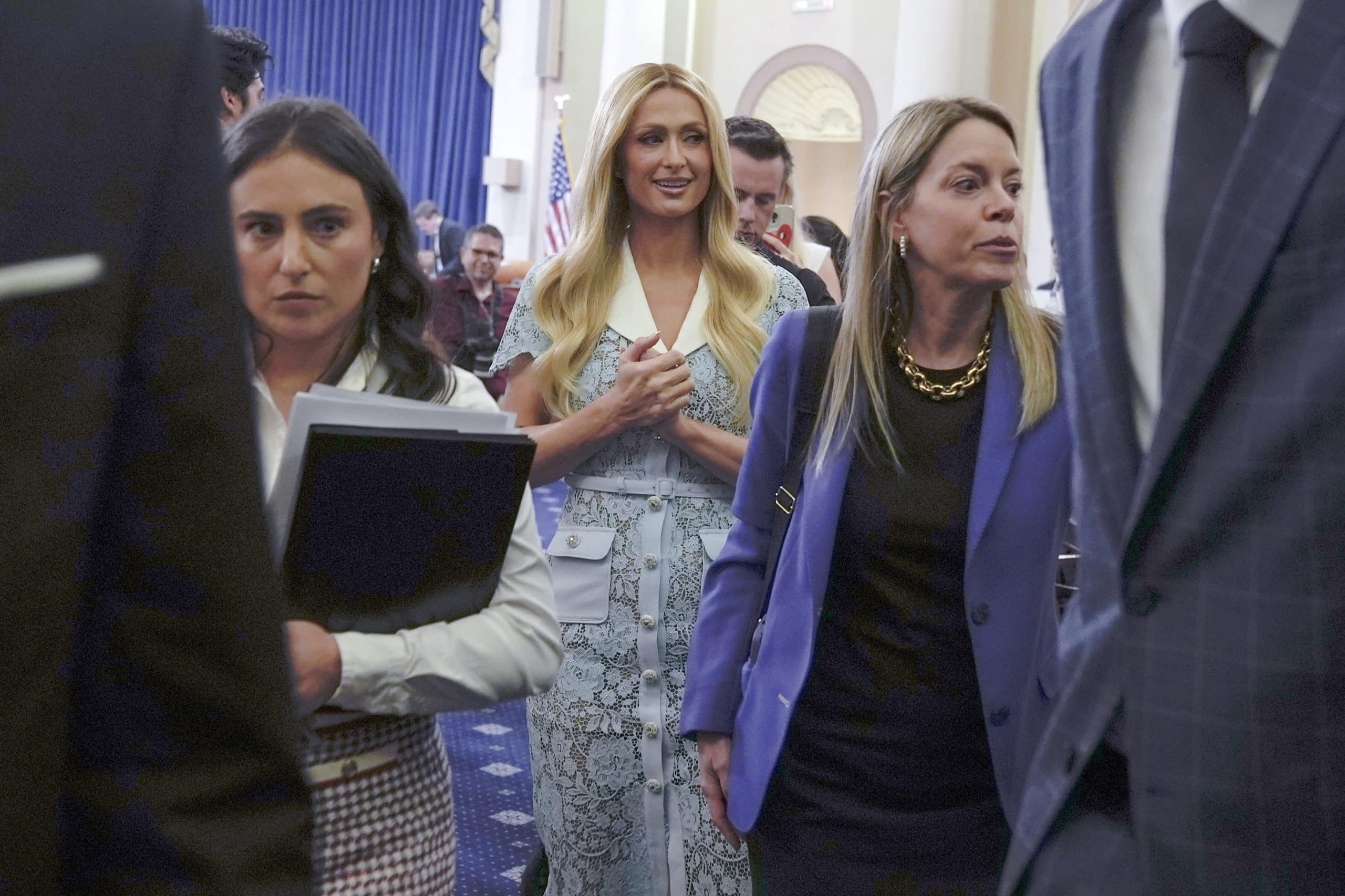
Meet Five True-Life Avengers Who Are Holding the Troubled Teen Industry Accountable
Troubled Teen Industry Is ‘Taxpayer-Funded Child Abuse,’ Senate Report and Paris Hilton Say. Where Are the Government Regulators?
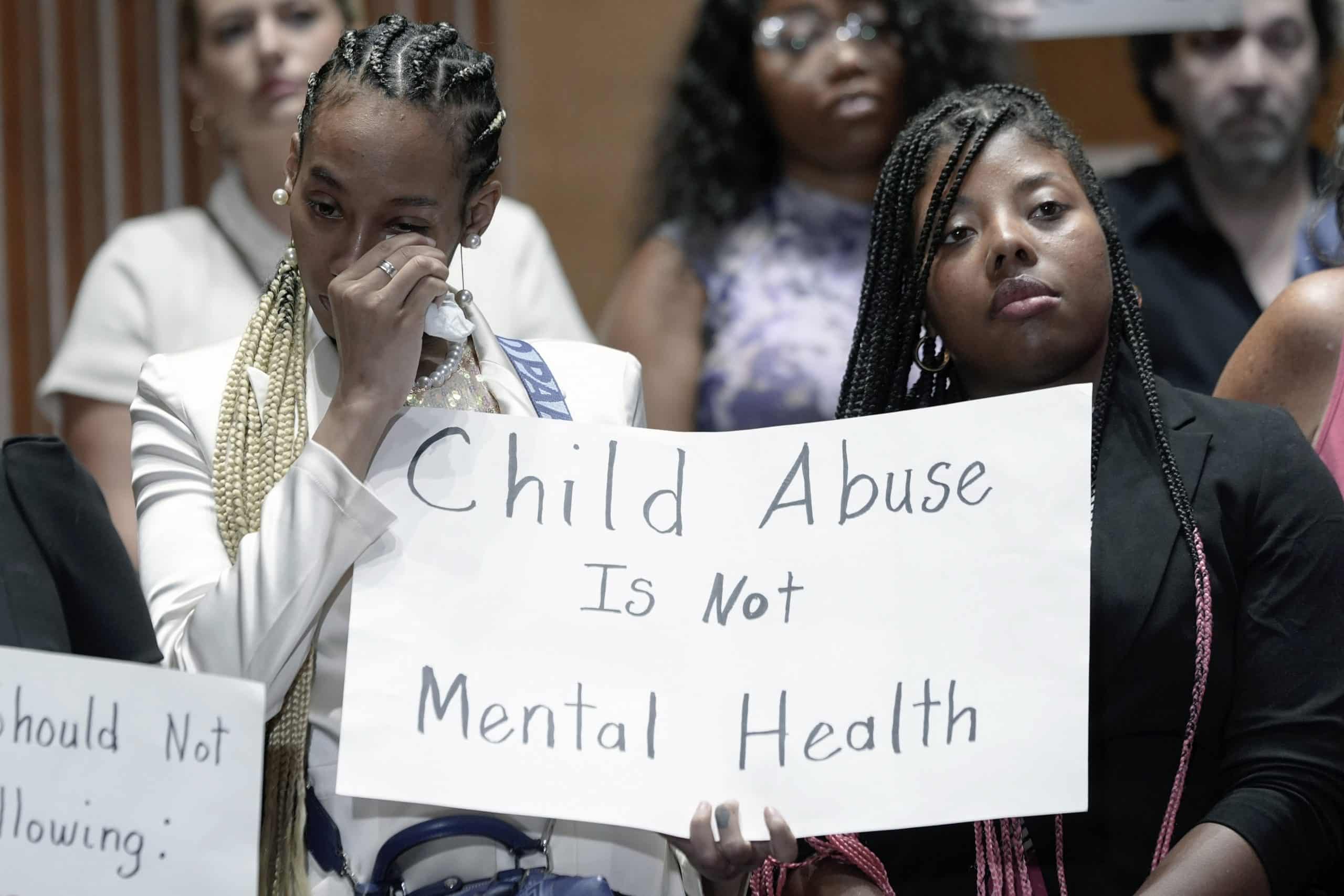
Physical abuse, rape, and emotional trauma is endemic to psychiatric residential treatment centers for kids and youth nationwide.
That Crisis of Mentally Ill People Languishing in Jail? It’s Even Worse Than We Thought

The number of mentally ill people held in jails for weeks or months awaiting competency hearings is rising. Experts call it a crisis.
If you’re not subscribed to MindSite News Daily, click here to sign up.
Support our mission to report on the workings and failings of the
mental health system in America and create a sense of national urgency to transform it.
For more frequent updates, follow us on Facebook, Twitter and Instagram:

The name “MindSite News” is used with the express permission of Mindsight Institute, an educational organization offering online learning and in-person workshops in the field of mental health and wellbeing. MindSite News and Mindsight Institute are separate, unaffiliated entities that are aligned in making science accessible and promoting mental health globally.
Copyright © 2021 MindSite News, All rights reserved.
You are receiving this email because you signed up at our website. Thank you for reading MindSite News.
mindsitenews.org

The name “MindSite News” is used with the express permission of Mindsight Institute, an educational organization offering online learning and in-person workshops in the field of mental health and wellbeing. MindSite News and Mindsight Institute are separate, unaffiliated entities that are aligned in making science accessible and promoting mental health globally.


Author

Related Articles

Most Americans Think Trump Mentally and Physically Unfit to Be President
59% of Americans think Trump is not mentally sharp enough to lead the country, according to the Washington Post/ABC News/Ipsos poll.
RFK Jr. Pushes to Curb Overprescribing of Psychiatric Drugs
Experts are worried about the Health Secretary’s proposal for work and farm camps for kids with drug or mental problems.

Foster Kids in D.C. Aim to Change a Failing System
A new bill would empower youth in foster care to define their own family networks and maintain critical financial resources.
