At Long Last, Signs the Overdose Epidemic Is Slowing


Monday, September 23, 2024
By Don Sapatkin
Good Monday morning! Europeans were using cocaine almost as far back as the Middle Ages, the New York Times reports.
In today’s Daily: Fatal drug overdoses are finally declining, quite a bit. Around 1% of contacts with the 988 suicide and crisis helpline lead to rescues that were not wanted. President Richard M. Nixon caught on tape: “Marijuana … it’s not particularly dangerous.” Plus: Shingles vaccine may lower dementia risk. Fountain House moves to Hollywood. And AI companions may be good company.
Drug overdose deaths plummet: ‘This looks very, very real’
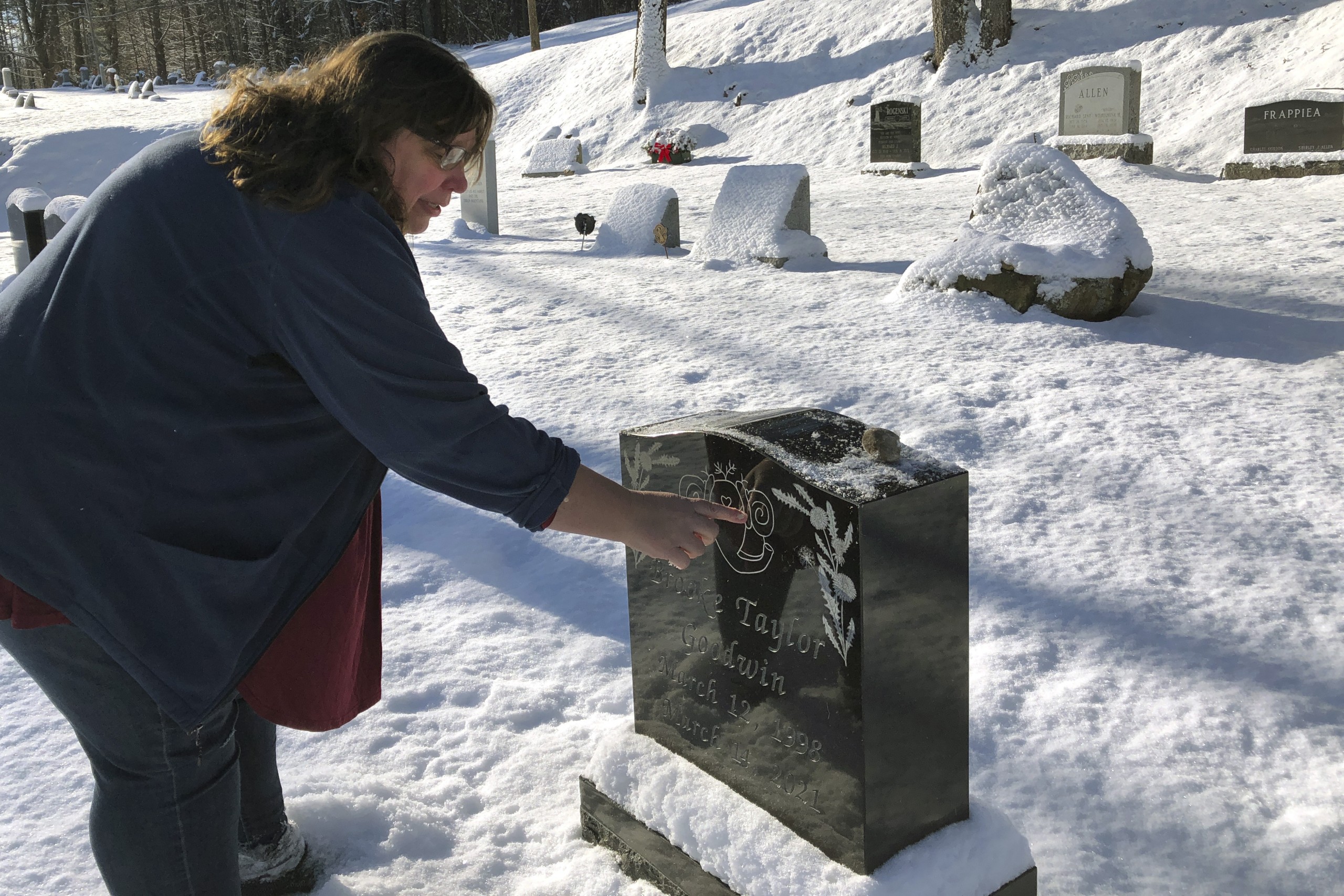
Drug overdose deaths declined sharply nationwide and even faster in many states, NPR reports, leading many experts to cautiously acknowledge that the country’s long nightmare of spiraling overdose deaths may finally be subsiding. “This is exciting,” said Nora Volkow, director of the National Institute on Drug Abuse. “This looks real. This looks very, very real.”
Provisional CDC data show a predicted 10% decline in overdose mortality for the 12 months ending April 2024, the most recent numbers available, to 101,168 deaths from 112,470 deaths during the same period the year before. Just as fentanyl-related overdoses drove the numbers higher for years, they are now leading the decline as well. Deaths in which fentanyl was detected by post-mortem testing were down 12% for the year ending last April, with fatalities involving any opioids down 12.4%.
The overall decline is only the second since 2000 – and it pales in comparison with the wrenching increases, which reached an astonishing 31% in the pandemic’s first 12 months before gradually slowing. More than 1.2 million Americans have died of overdoses in the past 25 years.
Some states, especially in the east, are reporting much larger decreases than appear in the federal data, which lags behind. “In the states that have the most rapid data collection systems, we’re seeing declines of 20%, 30%,” said Nabarun Dasgupta, an expert on street drugs at the University of North Carolina. According to Dasgupta’s analysis, the drop in state-level mortality corresponds with declines in emergency room visits linked to overdoses.
Some in the field counseled caution about celebrating decreases that are small compared with the increases that came before. But most public health experts and some people living with addiction told NPR they believe that the catastrophic increases in drug deaths, which began in 2019, have ended, at least for now. Many said a widespread, meaningful shift appears underway.
Why the change? Likely multiple reasons, not all of them clear, experts say. Pandemic lockdowns have ended. And many regular fentanyl users are learning to deal with overdoses better: They’re using with friends and others nearby in case they need help. They’re carrying the overdose reversal drug naloxone so others can administer it, if needed. Naloxone has been distributed widely in communities of users, and many now have fentanyl test strips. Street-drug supplies may be changing in some cities, with fentanyl harder to find and less pure (and deadly) due to law enforcement efforts targeting Mexican drug cartels.
Also, the powerful veterinary tranquilizer xylaxine (aka tranq) is increasingly being mixed by dealers with powdered drugs like heroin, fentanyl, cocaine and meth. While tranq can cause open wounds that become severe, as well depressed breathing that can make opioid overdoses more dangerous, some experts say its longer-lasting sedative effects may also lead to a reduction in the frequency of users taking fentanyl, reducing opportunities to overdose.
Fountain House opens its first clubhouse in Los Angeles
Fountain House originated the clubhouse model of community mental health in New York City in the 1940s and it has been replicated around the world. But it never had a clubhouse in Los Angeles. Until now. The national nonprofit announced in a press release that it has opened one in Hollywood, in partnership with the county department of mental health’s Hollywood 2.0 initiative to support people experiencing homelessness and mental illness.
Starting with the idea that “community is therapy,” each location provides a place where people with severe mental illness can spend time together building intentional communities that provide mutual support to aid fellow members in their recovery. Members and staff of Fountain House work together to carry out the daily operations of the clubhouse. Members have access to crisis intervention services when needed, as well as support with employment, relationship building, education, housing, and daily needs. The new Hollywood clubhouse expects to involve 100 members by the end of the year.
About 1% of 988 crisis calls lead to ‘involuntary’ actions by responders
When the 988 Suicide and Crisis Lifeline re-launched with a national three-digit number two years ago, one of the key goals was to relieve law enforcement of the need to respond to calls involving mentally ill people – whom they are not trained to work with – and to give people in crisis the chance to be helped by mental health professionals, instead of armed
officers. A litany of horrific cases have ended with the death of the person for whom help was being sought.
But many people remain leery of calling 988 in a crisis. About 1 in 5 adults worry that if they contact the lifeline, police still might respond or they might be forced to go to the hospital, according to a PEW Charitable Trusts survey last year. That kind of “involuntary emergency rescue” happens to around 1% of callers – primarily when phone counselors think a caller may be moments from harming themselves, according to new data from Vibrant Emotional Health, the lifeline’s administrator.
“Involuntary intervention is the last resort. We want to make sure we’re collaborating and engaging with people in crisis and empowering them, so we don’t need to go in that direction,” Christopher Drapeau, Vibrant’s director of research and evaluation, told CBS News. The nonprofit organization released a white paper that makes clear that the decentralized nature of 988 leaves major gaps in the collection of standard data.
Policies vary widely from center to center, for example, about whether callers judged to be in danger should be informed when emergency rescuers or police are being dispatched. The data represents just a sliver of all calls, texts and chats, and it leaves unclear what percentage of “involuntary” rescues involved police as opposed to paramedics or another kind of emergency response. Another evaluation planned by Vibrant will try to refine the definition of when to deem a caller at “imminent risk” of suicide and how to handle those cases. It will likely take a couple of years to complete, Drapeau said, and will help them determine how to move from involuntary to more collaborative interventions.
Nixon was soft on marijuana in private, while publicly leading the war on drugs
Richard Milhous Nixon, the man who launched the war on drugs, and whose administration classified marijuana in the same category as heroin, apparently did not believe his own rhetoric. According to White House conversations that only recently came to light, the then-president told small group of aides and advisers in1973 that he knew marijuana was “not particularly dangerous,” the New York Times reports.
His words were captured by the same secret White House recording system that led to Nixon’s resignation the following year. But the scratchy tape didn’t come to light until a lobbyist for the Minnesota cannabis industry pored over hours of recordings and came across the remarks. Leading historians of the Nixon era said they found his words revelatory.
At the time, many Americans “thought that marijuana was just about the worst drug in the world,” said Gregory Cumming, an archivist and historian at the Richard Nixon Presidential Library. But the Oval Office recording makes clear that Nixon didn’t share that view.
“Let me tell you, I know nothing about marijuana,” the president said. “I know that it’s not particularly dangerous, and most of the kids are for legalizing it. But on the other hand, it’s the wrong signal at this time.” He also ponders whether marijuana is more harmful than other popular substances like alcohol, cigarettes and even coffee. The Times digital story includes audio snippets of conversations including one in which Nixon and his aides discuss Democratic presidential nominee George McGovern’s public support for eliminating penalties for marijuana.
Nixon had publicly argued that curbing drug use worldwide required an “all-out offensive,” but in this private conversation, he expressed unease about the severe punishments that Americans were facing for marijuana crimes. “Penalties should be commensurate with the crime,” he said.
Three years earlier, Nixon signed into law the Controlled Substances Act, which established the five-tier classification system ranking drugs based on the government’s perception of their medicinal value and potential for abuse that’s still used today. Marijuana was – and still is − classified as a Schedule 1 drug, defined as having “no currently accepted medical use and a high potential for abuse” – the same as heroin. Nixon also established the system of independent methadone clinics that today continues to provide treatment to people addicted to heroin – largely because he was petrified that large numbers of veterans returning from the Vietnam War addicted to heroin would cause him to lose re-election.
Now, more than 50 years after McGovern publicly called for the decriminalization of marijuana, it is on its way to being reclassified as a Schedule III drug after the administration of another president, Joseph R. Biden, proposed a rule that would change its status. Recreational marijuana is already legal in 24 states.
In other news…
Shingles vaccine may also protect against dementia. Now that’s what I call a side benefit: A new study that examined the medical records of more than 208,000 adults found that people who got a newfangled 2017 edition of a shingles vaccine – one that uses genetic modification techniques to create immunity – were significantly less likely to develop dementia in the next six years than those who received an old-school live-virus vaccine. The new vaccine, GlaxoSmithKline’s Shingrix, is more than 90% effective in preventing shingles – and that, of course, is its goal. But this research suggests another unexpected advantage.
The study was observational – it combed huge databases of medical records to match people of similar ages and other characteristics who differed in only one key respect: One group got the old-style vaccine; the other got Shingrix. When followed for six years, the people who received Shingrix were 17% less likely to develop dementia, according to a study in Nature Medicine that was summarized in a JAMA news brief. The study can’t prove cause-and-effect, and why the vaccine against herpes zoster, or shingles, would lower the risk of dementia is unclear. The researchers offered one theory: that the vaccine “protects against herpes infection, which itself causes dementia.” (The previous vaccine also was associated with lower risk of dementia, but much less so.)
Can AI companions make you less lonely? A new generation of artificial-intelligence apps called AI companions is designed to simulate natural conversations and keep people company. They’re programmed to respond in sympathetic, realistic ways when you share your thoughts or problems, and can even role-play, pretending to be your partner, for example, to practice tough conversations. Do they work?
“My studies with my colleagues show that the best of these apps really do work − and work well,” writes Julian De Freitas, an assistant professor of business administration at Harvard Business School, in The Wall Street Journal. “People who turn to them to beat loneliness, in large part, get the results that they want.” De Freitas is well aware that the apps are in their early stages, and much is still to be learned. He makes no recommendations. If you can’t access WSJ, try looking for “AI companion” working papers and submitted presentations on De Freitas’ bio page. His other research is interesting, too.
If you or someone you know is in crisis or experiencing suicidal thoughts, call or text 988 to reach the 988 Suicide & Crisis Lifeline and connect in English or Spanish. If you’re a veteran press 1. If you’re deaf or hard of hearing dial 711, then 988. Services are free and available 24/7.
Recent MindSite News Stories
Beyond Thoughts and Prayers: Counselors Step Up to Help a Georgia Community After Deadly School Shooting
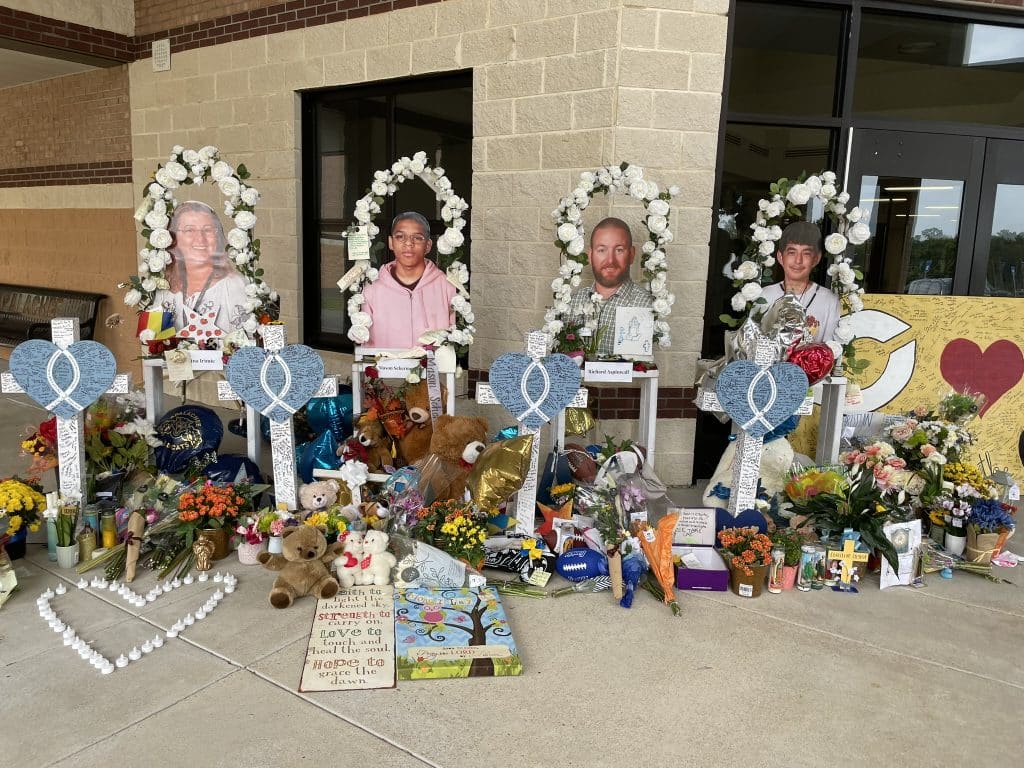
A grim ritual is playing out in Winder, Georgia, in the aftermath of another school shooting. The state has set up a recovery center, churches and health providers are offering therapy and emotional support dogs offer solace.
House, Senate Committees Release Dueling Mental Health Spending Bills
Senate and House committees have put forward two sets of fundings bills for mental health and addiction services. The results won’t be decided until the lame-duck Congress meets after the November elections.
How Paris Hilton and Other Survivors of the Troubled Teen Industry Unleashed a Movement
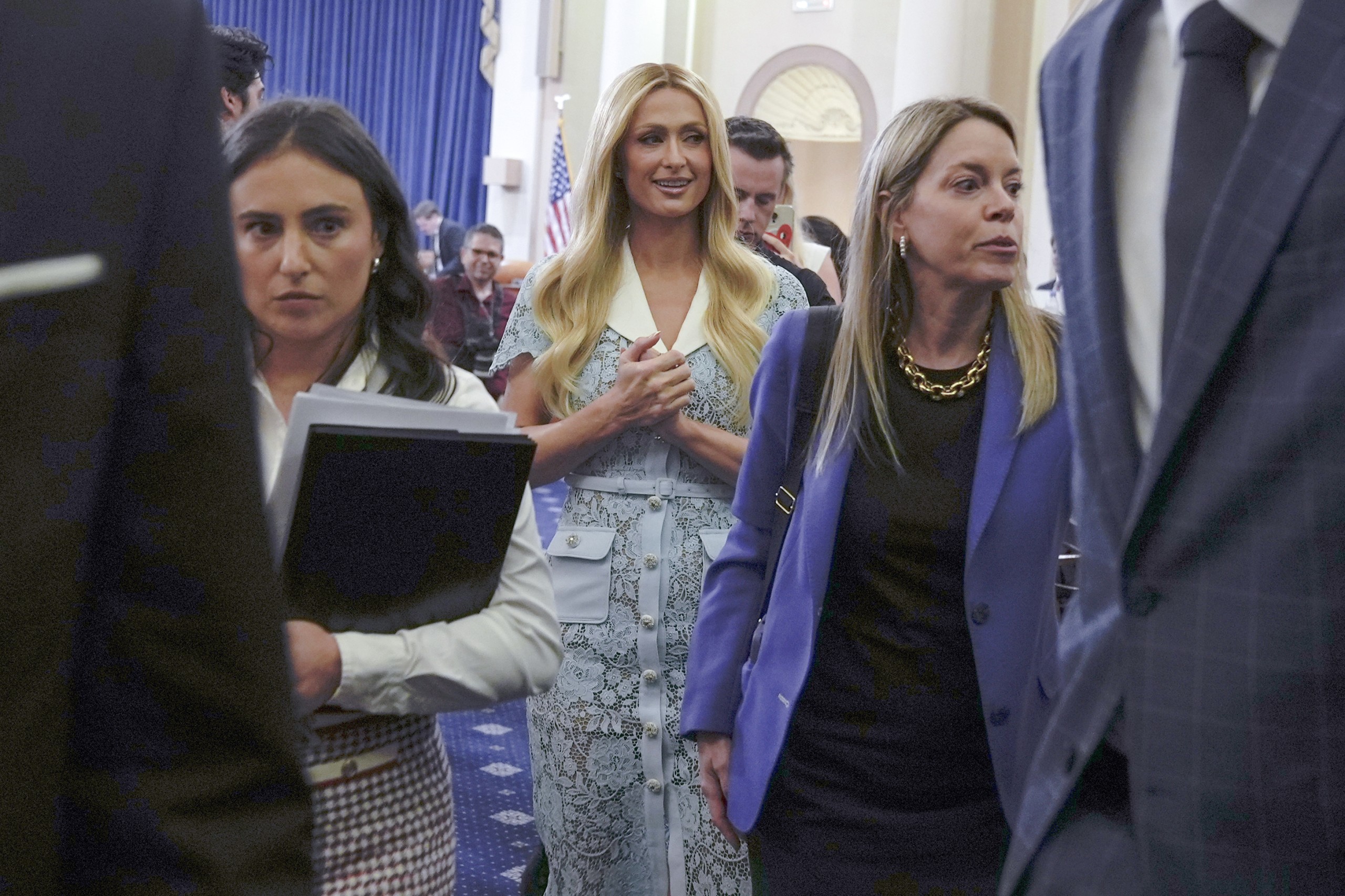
Meet Five True-Life Avengers Who Are Holding the Troubled Teen Industry Accountable
If you’re not subscribed to MindSite News Daily, click here to sign up.
Support our mission to report on the workings and failings of the
mental health system in America and create a sense of national urgency to transform it.
For more frequent updates, follow us on Facebook, Twitter and Instagram:

The name “MindSite News” is used with the express permission of Mindsight Institute, an educational organization offering online learning and in-person workshops in the field of mental health and wellbeing. MindSite News and Mindsight Institute are separate, unaffiliated entities that are aligned in making science accessible and promoting mental health globally.
Copyright © 2021 MindSite News, All rights reserved.
You are receiving this email because you signed up at our website. Thank you for reading MindSite News.
mindsitenews.org
The name “MindSite News” is used with the express permission of Mindsight Institute, an educational organization offering online learning and in-person workshops in the field of mental health and wellbeing. MindSite News and Mindsight Institute are separate, unaffiliated entities that are aligned in making science accessible and promoting mental health globally.


Author

Related Articles

Cornell Assault Prompts Parents to Talk With Their Sons
Sexual assault on campuses nationwide is still a grave problem.
The Unseen Toll: Depression, Anxiety Plague Black Women a Year After Being Fired by DOGE
When Trump cut DEI programs and allowed DOGE to gut the federal workforce, hundreds of thousands of Black women lost their jobs. Many are still reeling.
Exclusive: A Maternal Policy Expert Weighs in on Lindsay Clancy Mistrial
Policy expert Joy Burkhard discusses maternal mental health policy, postpartum psychosis misunderstandings, and new CA mental health parity laws.