
Talking with Your Children about Pet Loss
Parents should anticipate the subject of death to rise again later, often through play or drawing.

Greetings, MindSite News readers.
In today’s Daily: expert advice on talking to children about pet loss, and one mom’s personal story about relearning how to parent once her children’s food allergies stopped being a daily emergency. Plus, we read Meet the Buzzbees, a book educating youth about bees while celebrating life and respecting grief.
But first, I’ve been searching for a StoryCorps episode my aunt and I recorded about 20 years ago. I have yet to find it, but I did come across this awesome memory from one daughter about her father’s encouragement to follow her dreams — no matter what obstacles the world threw back on account of her race and gender.
How to discuss pet loss with your kids
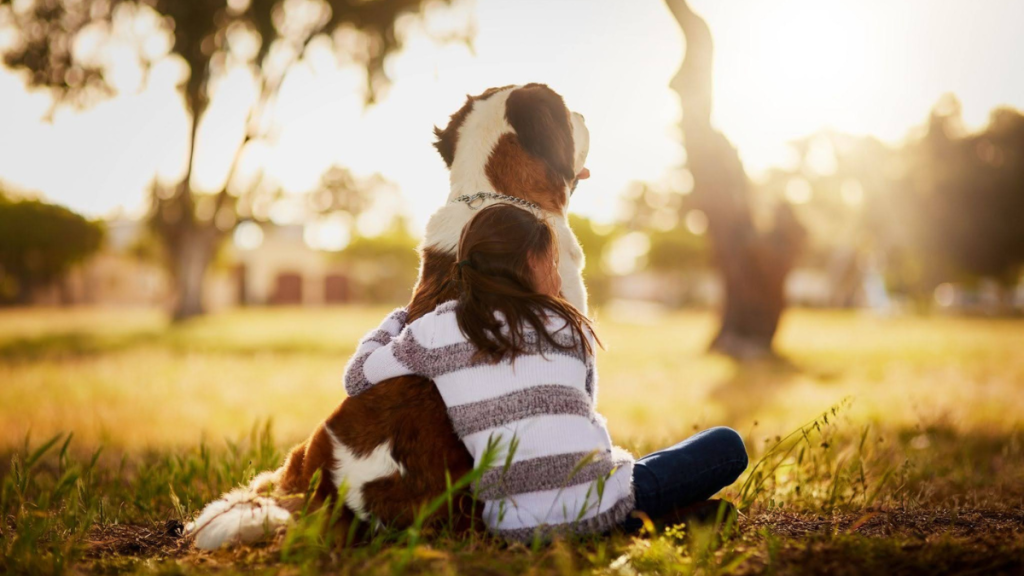
One of my earliest memories is sitting next to my mother at the vet as she agonized about letting go of Coffee, her beloved dog. I couldn’t have been more than 3 years old, but I remember that the loss was sudden and profound. My father had a volatile temper which sometimes led him to storm out and drive away, often without checking that Coffee wasn’t lying near the car. My mother would always save her. But this time, my mother wasn’t there. We would have to say goodbye.
Nearly 80% of children first learn of death through pet loss, experts told USA Today. Likewise, Coffee’s passing marked my first conscious encounter with death. No euphemisms were offered in explanation, either. My mother’s grief was strong, but she answered all of my questions calmly and directly: Yes, Coffee had been run over. No, she would not be okay. Despite her sadness and discomfort, my mother’s choice to address my questions with patience and honesty was the right approach. Euphemisms like “put to sleep” or “in a better place” are rooted in adult’s discomfort, experts say, and can cause confusion and harm in introducing the concept of death to children, who often think in more concrete ways than adults. The same is true for instructions to “not cry” in reaction to the loss.
“Early childhood experiences with pet loss, where it’s often a child’s first close connection to grief, help develop a lifelong healthy relationship with uncomfortable yet very human emotions,” said Eric Richman, a clinical social worker in veterinary medicine. Navigating pet grief in community can also teach children about kindness and compassion for others — animal, people and themselves, he added.
Adults should note that children may seem perfectly fine or even non-reactive to pet death, but that doesn’t offer a full picture of their true feelings. Children don’t grieve on adult timelines. Seeming “fine” right after a pet dies may simply mean they’re processing the loss in smaller doses. Parents should anticipate the subject to arise again, even weeks later, through further questions and brief memories, but most often through play or drawing rather than words.
Parents still unsure about how to approach the subject might consider reaching out to Tufts University’s veterinary hospital. The school has developed age-appropriate care bags that include a stuffed animal, book and guidance for parents to give to children coping with pet loss. The idea is to give grief a place to live, so children learn that death doesn’t have to be faced alone.
Creating a special ritual for remembrance can also help children and adults process grief, experts say. One mother filled a jar with water and broken glass for her daughter to shake whenever she missed their dog, explaining that the glass would become smooth over time, just as it would in the sea. Climate scientist Joellen Russell planted a tree after each of her dogs died, giving her kids a place to sit and remember the wonderful but precarious nature of life.
“Ultimately, the loss of a pet helps kids understand that we only get to keep our loved ones for so long,” she said. “I think it helps my kids think ahead and meditate on kindness. Because you want to be good to your dog now. You don’t know how long you get to keep them.”
After 13 years of managing her sons’ allergies, new treatments changed everything
When Hillary Tolle Carter’s 13-year-old son casually told her, “You don’t need to manage my food for me all the time anymore,” it hit her differently than a typical teenage bid for independence. Both of her sons had been diagnosed with severe, life-threatening food allergies as babies — including a reaction so extreme that her younger son nearly died after a single bite of banana, requiring two rounds of epinephrine to save his life. For over a decade, Carter operated less like a parent and more like a full-time crisis manager, she wrote in HuffPost, reading every label, cooking everything from scratch, meeting endlessly with doctors and school staff and building a life of constant vigilance.
Then, treatment changed everything. Years of oral immunotherapy helped her older son build a tolerance to allergens, while a medication called Xolair has provided her younger son the freedom to attend sleepovers or eat at restaurants without fear that he will end up in the emergency room. The shift in their needing constant parental care was so severe that Carter found herself facing an unexpected challenge: When not managing a crisis, who was she?
Carter writes candidly about the disorientation that the change brought: “the merry-go-round has stopped, but I’ve been too dizzy to get off the ride.” The urgency was gone, but the fatigue, trauma, and identity of “caregiver” remained. “For most of my boys’ lives, I’ve had to live in a constant state of readiness,” she says. “Now that the urgency has lifted, I’m navigating what to do in the space it left behind. I’m realizing my next chapter isn’t about letting go of caregiving. It is about expanding beyond it.”
And just as her boys keep growing, so does she. After all, “if we are doing our jobs correctly, they need us less and less,” she writes. “We want that autonomy and freedom for them. We want that autonomy and freedom for ourselves.” Though her sons still need her, Carter is grateful to reconnect with herself through the passions she set aside to ensure her kids’ wellbeing. She’s returned to dancing and date nights with her husband, alongside taking an online nutrition course inspired by her parenting journey.
See also: MindSite News’ Mourning the Loss of a Pet
The name “MindSite News” is used with the express permission of Mindsight Institute, an educational organization offering online learning and in-person workshops in the field of mental health and wellbeing. MindSite News and Mindsight Institute are separate, unaffiliated entities that are aligned in making science accessible and promoting mental health globally.

Author

Related Articles

Trump’s Student Loan Changes Cause Anxiety and Panic
Borrowers face rising payments under the Trump administration’s student loan changes. Plus: teaching emotional literacy to teen girls, and why the new CDC youth mental health report is facing criticism.
Rumors of Kids Quitting College En Masse Are Exaggerated
This week: what the data says about Gen Z students quitting college, and why postpartum mental illness is more than depression.

Why Is Georgia Blocking Recovery Homes for Substance Abuse?
Georgia towns are using zoning loopholes to shut recovery homes down, even as addiction and mental illness surge statewide.