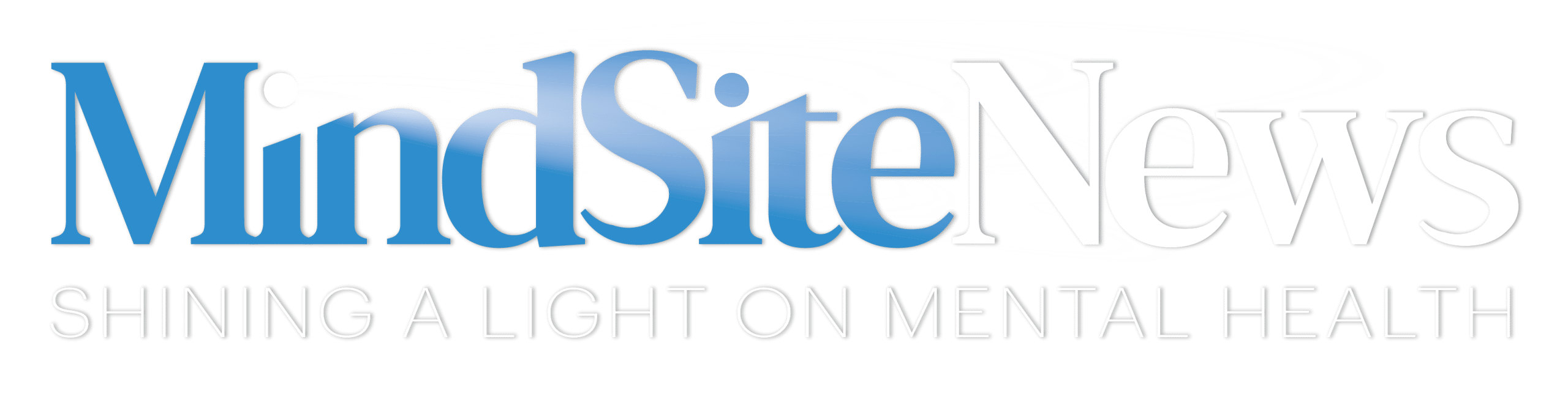
FDA Clears Pot Trial for Treating PTSD
The FDA cleared a study to test marijuana in veterans with PTSD. And TikTok is taking steps to protect teenagers, at least in Europe.

Tuesday, December 3, 2024
By Don Sapatkin
Good Giving Tuesday morning – a great time to support MindSite News! In today’s Daily: The FDA greenlights a study of marijuana for treating PTSD in veterans. It’s designed to mimic real-world use: high-potency cannabis available commercially.
“Tragic optimism” – the ability to hold loss and hope at the same time – is a crucial skill that can be learned. Plus: TikTok will block beauty filters for users under 18 in Europe. A letter-carrier observes the state of mental health along her route. What parents should know about naloxone. And awareness of the 988 crisis hotline is growing … v e r y s l o w l y.
But first: Abbreviations in texts make senders seem insincere, according to research in an American Psychological Association journal. FWIW, spell it out. K?
FDA authorizes long-awaited trial of smoked marijuana to treat PTSD

After years of delay, the FDA cleared a clinical trial of smoked marijuana for the treatment of PTSD in veterans. The action came as a surprise to experts and to the trial sponsor, the nonprofit Multidisciplinary Association for Psychedelic Studies (which suffered a stinging setback when the agency rejected its application to market MDMA plus psychotherapy for PTSD in August).
The FDA wouldn’t discuss the study, but a spokeswoman told the told the New York Times that the agency recognizes the “great need” for new treatments. Drug policy experts said it was the latest sign that federal health officials see value in more research on a plant that millions of Americans use therapeutically and recreationally.
Medical marijuana is legal in 39 states, and recreational use in 24 states plus the District of Columbia. But it is still illegal federally, and long-standing restrictions on marijuana research present hurdles. The few approved studies use low-potency marijuana from government-authorized labs and generally don’t let participants use it the most popular way – by smoking.
The Biden administration has begun the lengthy process of changing marijuana’s classification from a Schedule I substance like heroin to a Schedule III drug like ketamine and Tylenol with codeine. The Trump administration is expected to continue that process.
PTSD can cause anxiety, anger, flashbacks, nightmares, depression and negative thoughts, sometimes leading to suicide. About 23% of veterans who use VA health care have been diagnosed with PTSD at some point in their lives, vs. 6% of all U.S. adults. Effective treatments are limited.
The randomized Phase II trial will enroll 320 veterans suffering from moderate to severe PTSD and investigate the inhalation of high THC cannabis versus placebo cannabis, with the daily dose being “self-titrated” by participants, who will be given mobile apps to enter data and information.
The study will be funded by a $12.9 million grant from Michigan’s cannabis agency that was awarded to MAPS in 2021, when the FDA first placed the trial on a clinical hold. The sponsor and the agency have been negotiating since. A pilot study published in 2021 found that smoked marijuana reduced PTSD symptoms among 76 veterans, but the results weren’t statistically significant. Experts have mixed opinions about whether smoking marijuana can be effective for PTSD, but most support additional study.
“Our veterans are in dire need of treatments that can ease their challenging symptoms of PTSD. In my own practice, veteran patients have shared how smoking cannabis helped them manage their PTSD symptoms more than traditional pharmaceuticals,” said principal investigator Sue Sisley, president of the Scottsdale Research Institute, in a MAPS press release. “Suicide among veterans is an urgent public health crisis, but it’s solvable if we invest in researching new treatments for life-threatening health conditions like PTSD.”
TikTok takes steps to protect kids in Europe
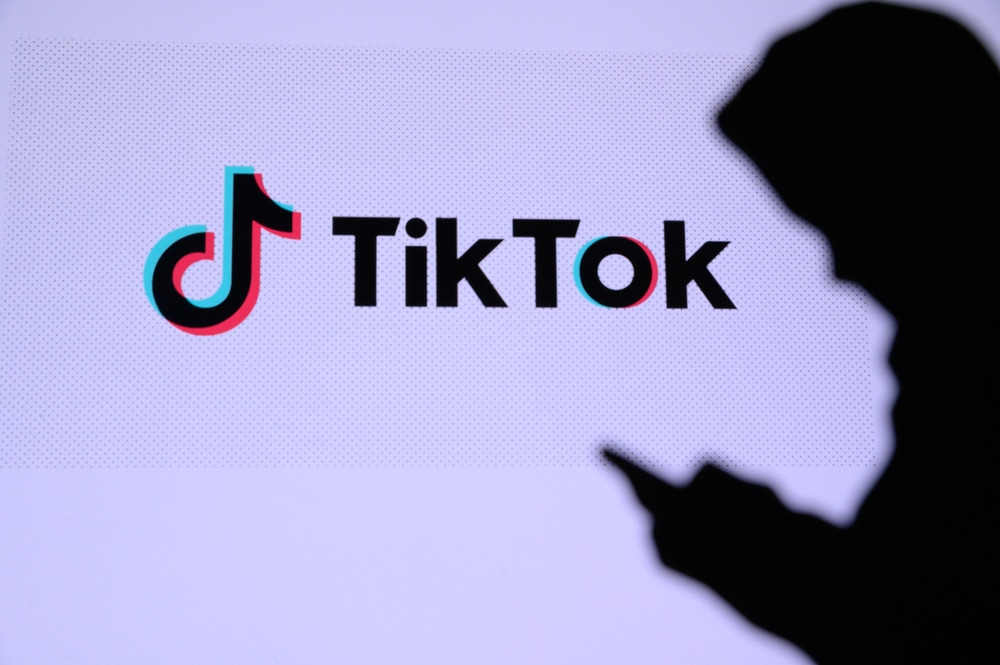
TikTok users under 18 in Europe will soon be restricted from using beauty filters to change their features by artificially making their eyes bigger, plumping their lips and smoothing or changing their skin tone, The Guardian reports.
Kids under 13 will be barred from the platform altogether.
The new policies come amid concern about rising anxiety and falling self-esteem, and a push for more aggressive regulation in the European Union. The changes were announced during a safety forum at TikTok’s European headquarters in Dublin and will be implemented in 13 EU countries in the coming weeks. Their effectiveness will depend on people using the platform under their real age, which is not always the case.
How not to fall into despair
“Tragic optimism,” Brad Stulberg writes in a guest essay for the New York Times, is a crucial life skill. It’s a way to find meaning and maintain hope despite inevitable pain, loss and suffering. Stulberg is the author of a 2023 national bestseller with one of the longest titles I’ve encountered: “Master of Change: How to Excel When Everything Is Changing, Including You; Embracing Life’s Instability with Rugged Flexibility − a Practical Model for Resilience.”
The term tragic optimism, Stulberg writes, was coined in 1949 by Holocaust survivor and psychologist Viktor Frankl to describe the conundrum – and skill − of maintaining hope despite loss.
“Tragic optimism means acknowledging, accepting and even expecting that life will contain hardship and hurt, then doing everything we can to move forward with a positive attitude anyway,” Stulberg writes. “It recognizes that one cannot be happy by trying to be happy all the time, or worse yet, assuming we ought to be.” And it requires one “to accept a situation and see it clearly for what it is, and then muster the strength, courage and resolve to focus on what we can control.”
Research shows that this kind of emotional flexibility is associated with resilience. Stulberg says resilience comes down to a few core factors: leaning into community, being kind to yourself, finding small routines to support your mental health, allowing yourself to feel sadness and loss and yet maintain hope at the same time.
“At a moment when it can seem that all is lost, we’d be wise to embrace tragic optimism, wise hope and wise action,” he writes, “These attitudes and skills, and our willingness to adopt and practice them, are essential to not only our individual resilience but that of our communities. We need both now.”
In other news…
Mail carriers see a lot. “It wasn’t uncommon to see grown men standing in the middle of the street having an argument with someone no one could see,” letter-carrier Raewyn Honeycutt writes in an opinion piece for the Topeka Capital-Journal. “I’d never seen people so obviously disturbed and in need of care, being left to their own device.” Honeycutt takes us along on her delivery routes over 10 years in Topeka, Kan., observing mental illness in a city that now seems to have more of it but, she laments, is doing less to help.
“What Parents Should Know About Naloxone, a Medication That Reverses Opioid Poisoning or Overdose,” was the title of last week’s JAMA Pediatrics’ “Patient Page.” If you have teenagers, regardless of whether they are doing drugs, it’s worth reading, printing, and sticking on the fridge door. An accompanying commentary discusses the consideration of children in naloxone co-prescribing laws.
Awareness of the 988 Suicide and Crisis Lifeline has been slowly growing, according to periodic surveys by the University of Pennsylvania’s Annenberg Public Policy Center. Still fewer than 1 in 5 Americans can remember it when asked. The national three-digit number launched in July 2022 but lacked an awareness campaign for more than a year. In September, 15% of survey participants recalled the number, up just slightly from 14% in October 2023, but significantly from 8% in January 2023. The police emergency 911 number, which still gets most mental health calls, took many years to reach the near-universal recognition it has today.
If you or someone you know is in crisis or experiencing suicidal thoughts, call or text 988 to reach the 988 Suicide & Crisis Lifeline and connect in English or Spanish. If you’re a veteran press 1. If you’re deaf or hard of hearing dial 711, then 988. Services are free and available 24/7.
Recent MindSite News Stories
The Return of Trump: What Does it Mean for Mental Health Policy and Advocacy? A Live MindSite News Discussion

Join MindSite News and a team of mental health policy advocates and experts as we explore what a second Trump presidency will mean. Thursday, Dec. 19, 12 pm PT / 2 pm CT / 3 pm ET.
Chicago Advocates and Clinicians Come Together to Support Mental Health of Immigrants in Peril
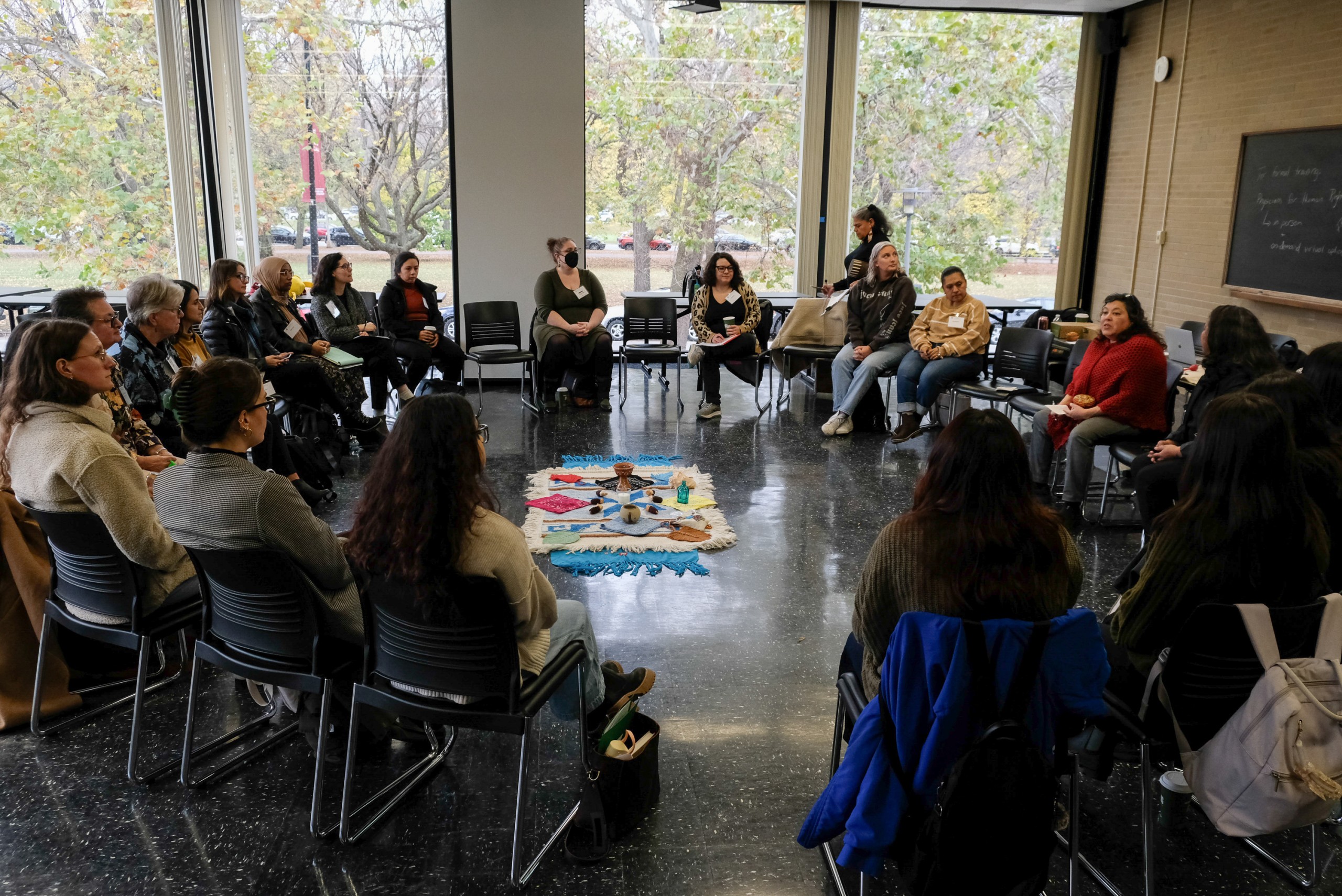
In the aftermath of the presidential election, almost 200 people gathered in Chicago to strategize about how to protect the mental health of immigrant communities.
Did the Stanford Prison Experiment, One of Psychology’s Most Famous Studies, Really Turn People Into Monsters?
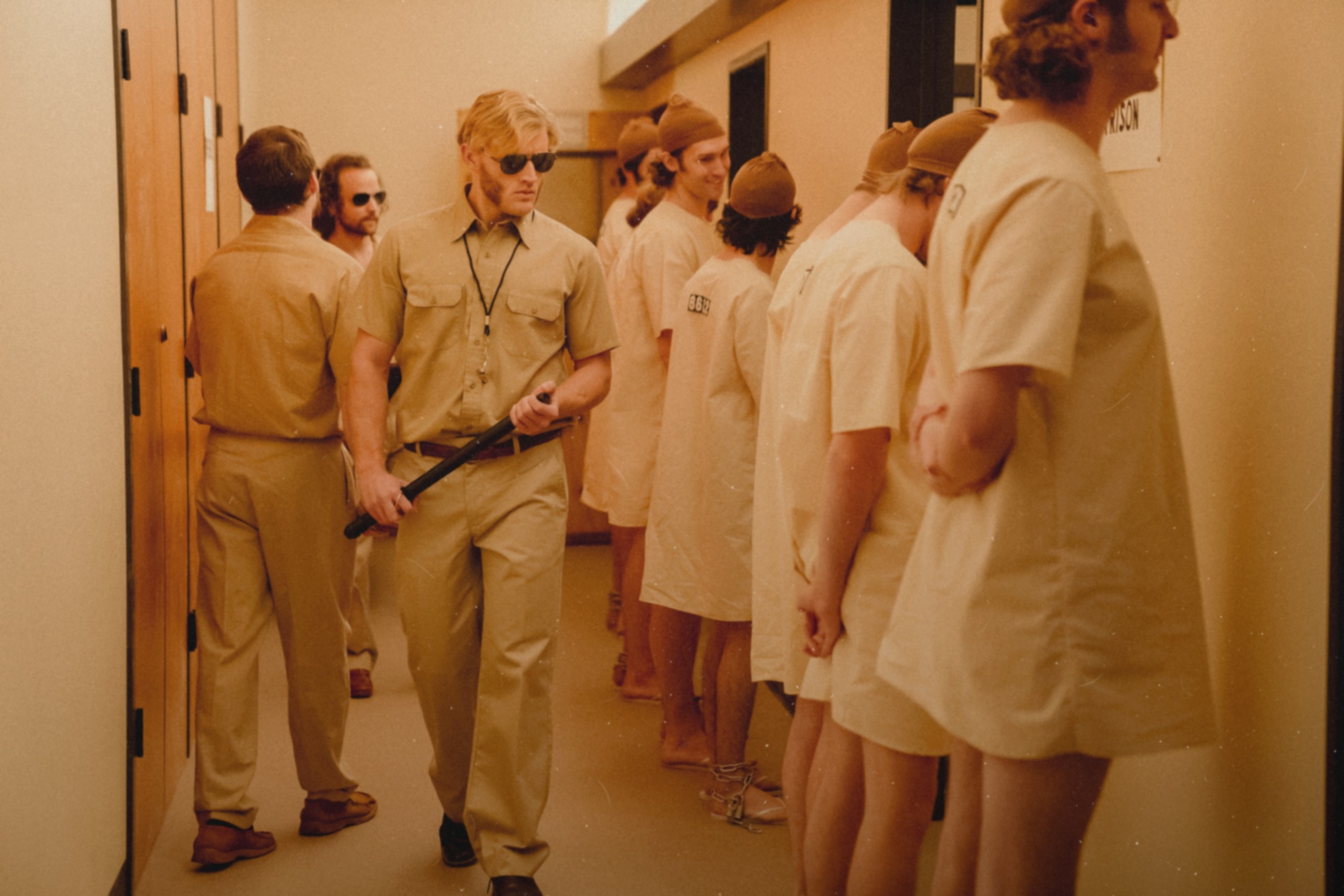
A riveting new docuseries talks with the former youths from a famous Stanford experiment that quickly devolved into violence and chaos.
If you’re not subscribed to MindSite News Daily, click here to sign up.
Support our mission to report on the workings and failings of the
mental health system in America and create a sense of national urgency to transform it.
For more frequent updates, follow us on Facebook, Twitter and Instagram:

The name “MindSite News” is used with the express permission of Mindsight Institute, an educational organization offering online learning and in-person workshops in the field of mental health and wellbeing. MindSite News and Mindsight Institute are separate, unaffiliated entities that are aligned in making science accessible and promoting mental health globally.
Copyright © 2021 MindSite News, All rights reserved.
You are receiving this email because you signed up at our website. Thank you for reading MindSite News.
mindsitenews.org
The name “MindSite News” is used with the express permission of Mindsight Institute, an educational organization offering online learning and in-person workshops in the field of mental health and wellbeing. MindSite News and Mindsight Institute are separate, unaffiliated entities that are aligned in making science accessible and promoting mental health globally.


Author

Related Articles

Why Is Georgia Blocking Recovery Homes for Substance Abuse?
Georgia towns are using zoning loopholes to shut recovery homes down, even as addiction and mental illness surge statewide.

Why Are Mothers Punished for Parenting?
Those of us who roamed freely as kids can be arrested for letting our kids do the same.