
Trump May Make It Harder for Your Family to Get Mental Health Coverage
There are widespread concerns that Trump’s anti-regulation approach may undermine coverage and parity.

December 19, 2024
By Courtney Wise

Greetings, MindSite News Readers. In today’s Daily, we bring more reporting from MindSite News. As the nation prepares for changes at the White House, families are wondering what impact the Trump Administration will have on mental health insurance coverage – especially if you, your partner or children need it.
Despite what the Biden Administration has done to strengthen regulations about parity for mental health treatment, there are real concerns that Trump’s anti-regulation approach will leave the new rules unenforced. Journalist Melanie Haiken reports out what we can anticipate and prepare for.
Also in this edition: A guest essay to confront “immoral actions” such as mass deportation by being an upstander, not a bystander. Some counsel on being patient with yourself if you’re grieving sudden loss this holiday. Phones remain an issue with young people, and coupled with social media, they’re contributing to fights and other conflicts in school. And in a great piece in the New Yorker, writer David Sedaris imagines bystanders thinking that a young woman he and his partner help get home safely after a canceled flight (or is it the other way around?) is their child.
Will mental health insurance parity for families be enforced by the Trump Administration?

The 2024 election results may have very real effects on what insurance companies pay for – and whether some of us can even get insurance coverage at all.
Advocates worry that Donald Trump’s return to the White House next month will place policymaking and oversight in the hands of a team whose pro-business, anti-regulation and benefit-slashing priorities may make life harder for anyone seeking help for a mental health condition. A recent Supreme Court decision creates further risk, potentially weakening the enforcement power of regulatory agencies.
On the other hand, mental health and addiction are bipartisan issues that affect both red and blue states, and both parties have pledged to address them. Here’s a look at some of the challenges – and questions – that the changing of the guard in Washington could pose to Americans’ ability to access mental health services. Will millions of people lose their insurance?
While Trump and most Republican lawmakers have stepped back from threats to rescind the Affordable Care Act (ACA) outright, analysts are warning that budget proposals put forward by Republican Congressional leaders could weaken protections and strip millions of their insurance coverage. Read the rest here on MindSite News.
Coping with sudden death
Last year, within six days, two of my closest relatives died with no warning. My stepfather had been sick. But, when he died while eating lunch with my mother at home, they’d just returned from his visit to the doctor. Not even a full hour had passed. My cousin, on the other hand, had been just fine. She went to sleep and didn’t wake up. She was 37 years old. Our birthdays are just 11 days apart and we enjoyed sharing the time together. Her’s was earlier this week and mine is almost here. But it’s hard feeling celebratory about my life when hers is over. Experts speaking to USA Today said my feelings are normal.
“Based on the literature, we see that the more common emotions experienced when someone dies suddenly are sadness, anger, shock and surprise,” in addition to, “higher rates of post-traumatic stress after the loss, especially if they witnessed the death or if they were told the details about the death,” said Jonathan Singer, a grief researcher at Texas Tech University.
If you’re coping with loss, Singer says to be patient with yourself. In many ways, people are trying to return to a sense of themselves after a death, but it’s tough to do so after such a drastic change. Some losses transform us as people. Remember still that you can be okay. “Over time, we do see that most people are resilient, meaning that they can continue working and living life with no significant effect on their functioning,” Singer said. “This does not mean they are not experiencing a strong emotional grief reaction at times. They just are typically able to work through it over time and still manage to do the things they previously did.”
While you’re getting to better, and even after you arrive there, some tools to support yourself include journaling, to sort through your thoughts and get them out; therapy, as an individual or with a grief group; and getting outside for a walk in nature. It may even help to complete a project, based on your interests or theirs, in your loved one’s honor.

Confronting the possible “immoral mass deportation” of immigrant families

In an original MindSite News guest essay, Dr. Kaethe Weingarten discusses the panic she feels over the proposed mass arrests and deportation of immigrant families by the Trump administration – and her encouragement to confront such “immoral actions” as an upstander, not a bystander:
“In this post-election, pre-inauguration period I have one overriding feeling: panic. It is not a loud panic, such that I feel the need to scream, but a quiet, chilling panic, as if I am internally scrabbling to find a path forward that is going to make sense in a hypothetical future that may exist soon. That future is the one in which the new president goes forward with his oft-stated intention to carry out the largest mass detention and deportation operation in American history.
“I am not waiting passively. I am, in fact, mentally rehearsing possible scenarios and what I will do if they happen. I’m panicky because I cannot decide the best – well, not even a good – plan of action. The scene I imagine is that I am walking down the street heading to the mailbox and I see a National Guard or ICE officer approaching a young woman emerging from a house she has just spent the morning cleaning. In this scenario, I am a bystander, about to be a witness. What I do or don’t do matters.
Ordinary people may be inspired to act with moral courage by conceiving of themselves as an upstander – rather than a bystander. An upstander is someone who actively stands up on behalf of others and is not passive or silent in the face of wrongdoing or injustice. The concept has circulated widely in schools to give children who are observers of bullying a set of tools to intervene between bullies and their targets. An upstander is an aware and empowered witness. An upstander is the opposite of a bystander.” Read her entire essay here.
In other news…
Earlier this week, students in Madison, Wisconsin experienced the US’s eighty-third school shooting this year. The vulnerability of schools to gun violence is why some families opt to live abroad, several parents told the HuffPost. Megan Lawless moved to Amsterdam with her husband and their two kids not long after the 2022 Independence Day mass shooting at a parade in Highland Park, Illinois. “We just thought the number one cause of death for children in the United States is being shot to death. And if it was anything else, if it was drinking water or food dye or living next to a nuclear power plant and we had the means and the resources, we would eliminate that risk from our children’s lives. We need to look at gun violence the same way,” Lawless said.
A writer for Mother Jones asserts that trauma survivors should not read The Body Keeps the Score: I have yet to read Bessel van der Kolk’s bestseller, The Body Keeps the Score, but it’s been recommended to me numerous times. I may even have it on my shelf. But if there’s anything making me far more curious about it than ever, it’s Emi Nietfeld’s piping hot take that the book is awful, and maybe even harmful to trauma survivors. “The Body Keeps the Score stigmatizes survivors, blames victims, and depoliticizes violence,” Nietfeld writes in Mother Jones. “While masquerading as care for survivors, it creates a hierarchy in which marginalized victims are even more marginalized.” (A postscript: One of my editors at MindSite News vehemently disagrees with Nietfeld’s assessment of the book..)
Smartphones contribute to physical violence at some schools: Frustrated students get into fights. Friends and passersby record the fights, later posting them to social media. Students treat the fight videos as entertainment, deriding the defeated, while lionizing the champions. The recordings lay a foundation for repeated cycles of aggression and violence among students. It’s happening right now, all across the country, reports the New York Times. “Cellphones and technology are the No. 1 source of soliciting fights, advertising fights, documenting — and almost glorifying — fights by students,” said Kelly Stewart, an assistant principal at Juneau-Douglas High School in Juneau, Alaska. “It is a huge issue.”
If you or someone you know is in crisis or experiencing suicidal thoughts, call or text 988 to reach the 988 Suicide & Crisis Lifeline and connect in English or Spanish. If you’re a veteran press 1. If you’re deaf or hard of hearing dial 711, then 988. Services are free and available 24/7.
Recent MindSite News Stories
Confronting Immoral Actions, We Can Aim to Stand Up, Not Look On
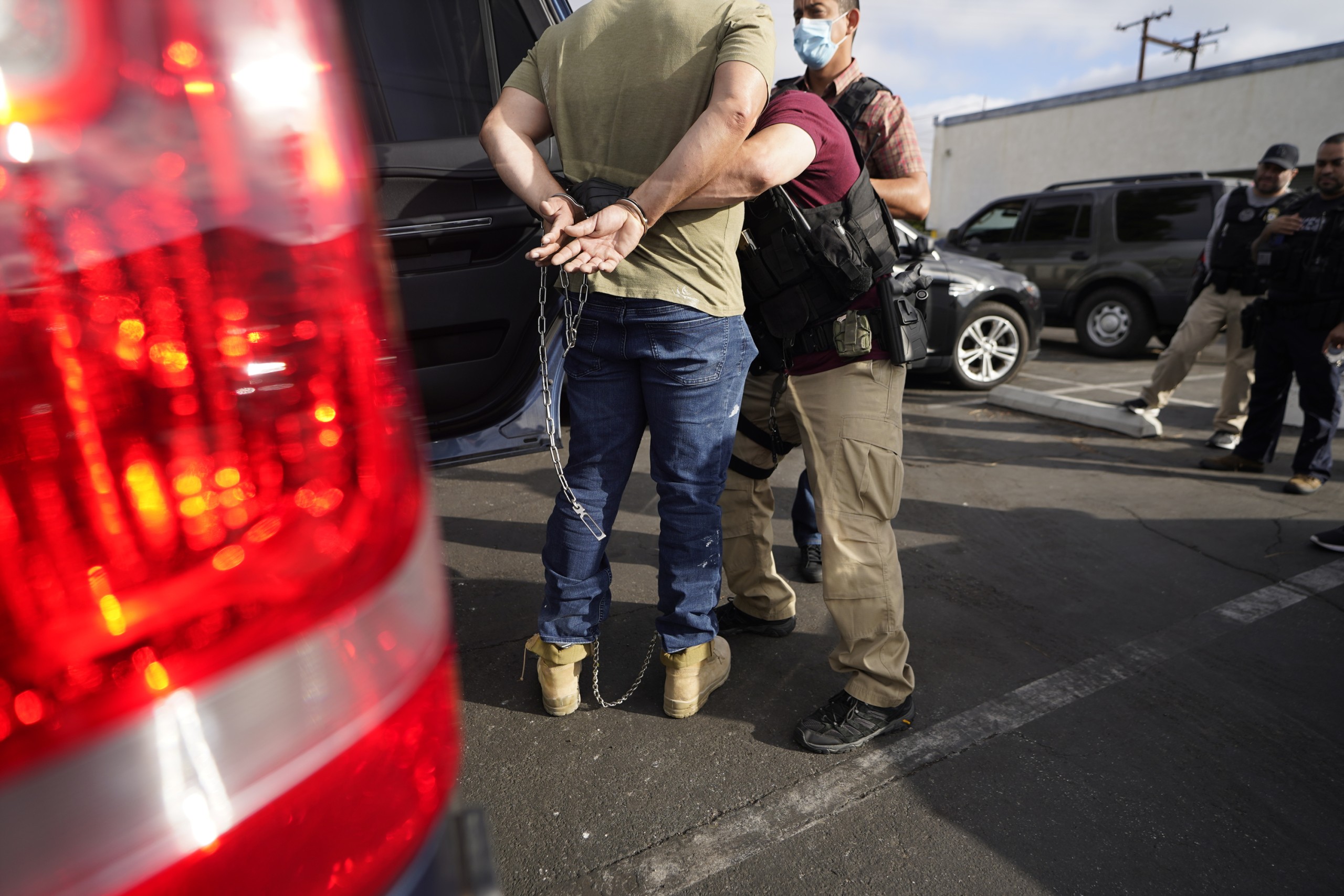
My dilemma: Imagine is that I am walking down the street heading to the mailbox and I see an ICE officer approaching a young woman emerging from a house she has just spent the morning cleaning. In this scenario…Continue reading…
Will Your Mental Health Treatment Be Covered? Critics Fear Trump Administration Will Make It Harder
The hopeful news is that both Republicans and Democrats have pledged to address mental health coverage. Continue reading…
Fury mounts over insurance claim denials – including mental health – after killing of UnitedHealthcare CEO

Public response to the murder of health insurance CEO Brian Thompson reveals depth of rage toward insurance industry
If you’re not subscribed to MindSite News Daily, click here to sign up.
Support our mission to report on the workings and failings of the
mental health system in America and create a sense of national urgency to transform it.
For more frequent updates, follow us on Facebook, Twitter and Instagram:

The name “MindSite News” is used with the express permission of Mindsight Institute, an educational organization offering online learning and in-person workshops in the field of mental health and wellbeing. MindSite News and Mindsight Institute are separate, unaffiliated entities that are aligned in making science accessible and promoting mental health globally.
Copyright © 2021 MindSite News, All rights reserved.
You are receiving this email because you signed up at our website. Thank you for reading MindSite News.
mindsitenews.org

The name “MindSite News” is used with the express permission of Mindsight Institute, an educational organization offering online learning and in-person workshops in the field of mental health and wellbeing. MindSite News and Mindsight Institute are separate, unaffiliated entities that are aligned in making science accessible and promoting mental health globally.


Author

Related Articles

The Lindsey Clancy Murder Trial
Women nationwide watch the Lindsay Clancy trial and see themselves in her story, plus an investigation into hospitals that fail patients with addiction.
Grief and Rehabilitation in a California Prison
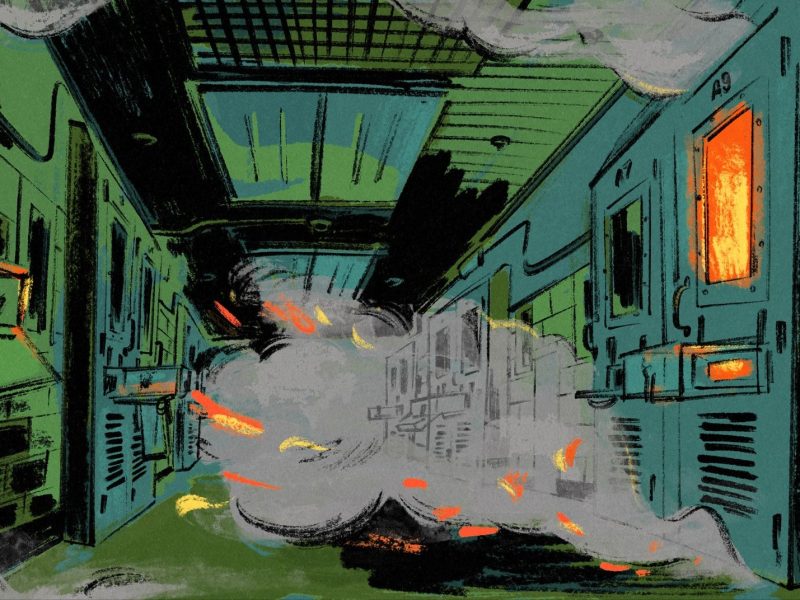
This month: a DUI offender’s path to rehabilitation, Lindsay Clancy revisited, Illinois prison protests, a fatal cell fire, and Missouri’s competency crisis.
Meta Pays $17 Billion Settlement for Lawsuit Over Child Harm
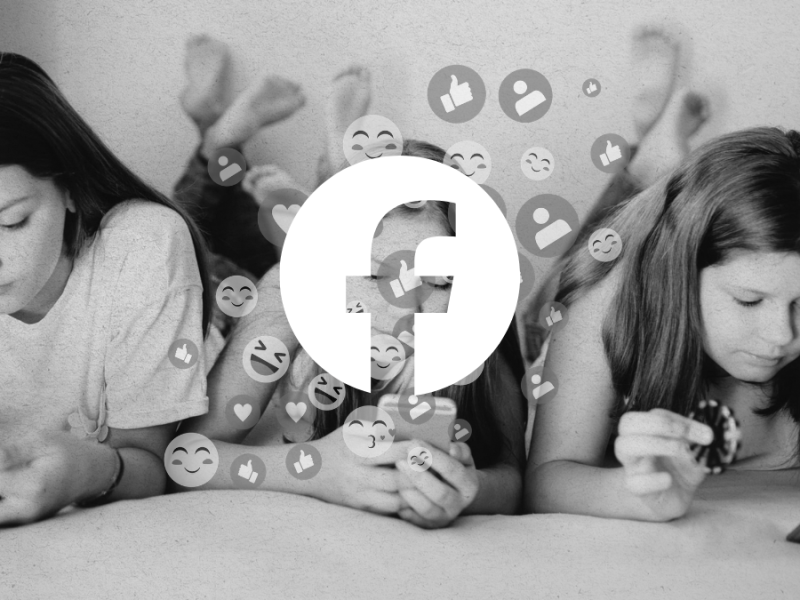
Meta will pay up to $17.1 billion and reshape how its platforms operate after 47 states argued that they are harmful and also addictive to children by design.