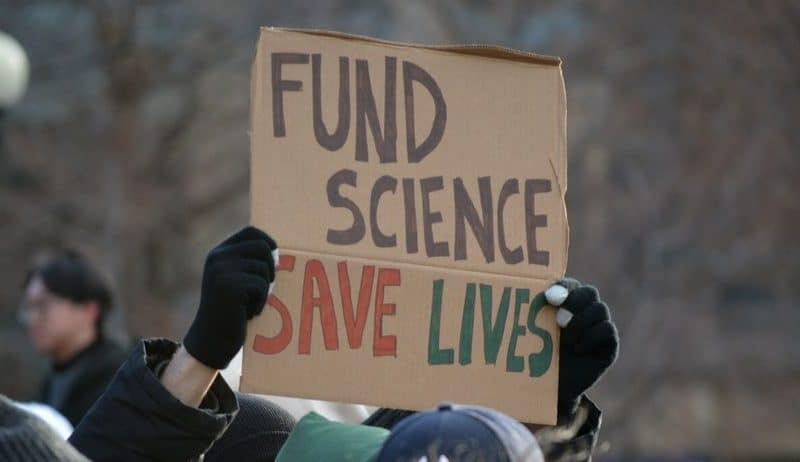
“An all-out war on science and scientists”
The US scientific community must unite and stand up for science, warns the most prominent scientific journal in the world.

February 25, 2025
By Don Sapatkin

Good Tuesday morning! In today’s Daily: Trump’s draconian cuts are hurting people and institutions, but the downstream impacts – and simmering anxiety – resulting from his actions will be far greater.
Earlier this year, Melissa Finucane of the Union of Concerned Scientists, a nonprofit science integrity watchdog group in Washington, D.C., said the Trump administration “has promised an all-out war on science and scientists.”
And yesterday, the journal Science released an extraordinary editorial in response to what it called an “onslaught” and called on “everyone in the scientific community to work together as never before to stand up for science.”
Plus: Opioid overdose deaths might have been, for many years, even higher than the huge tallies reported. Federal investigators are struggling to enforce parity laws. Jewish teens are very anxious as a result of the Israel-Hamas war. Bad therapists (and how to spot them). And two underused therapies for PTSD were linked to nearly a one-quarter reduction in veterans’ suicide deaths.
But first: The latest entry in JAMA’s Poetry and Medicine section, Over Breakfast by Leath Tonino.
“Come together, right now.”
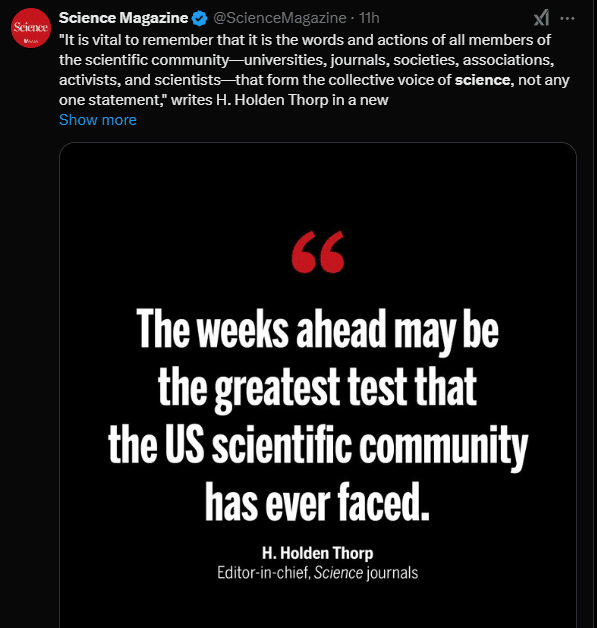
That’s the headline of yesterday’s remarkable editorial by H. Holden Thorp, editor-in-chief of Science, the most prominent scientific journal in the world. And this is its opening sentence: “The chaos, conflicting information, firings, and hurtful rhetoric of the Trump administration’s approach to science over the past month are causing anxiety, grief, and concern for the scientific community in the United States.”
Thorp warned that the weeks ahead “may be the greatest test that the US scientific community has ever faced.” He called for unity and support to preserve centuries-old scientific principles of evidence and independence and urged the scientific community to “stand up for science” in a range of different ways. And he added:
“Those in the scientific community who enjoy the protections of academic and other freedoms afforded by the US Constitution’s First Amendment should do and say more.
Some will march in the streets, some will send messages to Congress, and some will focus on their research, students, and trainees. It is a strength of the scientific enterprise that we have diverse ideas, identities, and approaches to communication. And just as leaders deserve some leeway to decide when to speak out most effectively, they should support their constituencies by not trying to squelch or steer more strident voices.”
High anxiety: The downstream effects of Trump’s upheaval
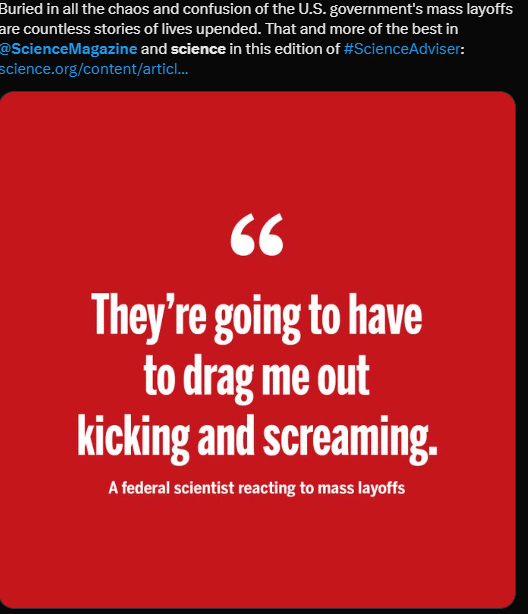
“There is an element of chaos right now,” Andrea Bonior, a Georgetown University psychology professor and therapist, told Axios. “A sense of not knowing what’s coming and not being able to control what’s coming is really hard on the stress response.”
So far, our coverage of President Trump’s executive orders, firings and slashing of budgets has mainly focused on their direct devastation: for research, for workers let go and for communities targeted. But the indirect impact – on the people who depend on support that might be weakened or cut – is too large (for me, at least) to fathom.
While we’re still reckoning with damage done so far, many might be anxious about cuts yet to come – like my step sister’s fiancé, who is living in a nursing home due to a spinal injury, working desperately to gain the ability to walk again. He has been petrified since the election that Trump will cut Medicaid, without which he could not survive.
Some other groups fearful about what’s to come:
Parents looking out for their kids: The Make America Healthy Again Commission, created by a Trump executive order, is tasked with studying, among other things, overmedication in children. Chair Robert F. Kennedy Jr., the new secretary of Health and Human Services, has long maintained that pharmaceuticals are overused and questioned the safety of vaccines, and the commission has been asked to look into the risks of antidepressants, including selective serotonin reuptake inhibitors (SSRIs), the most widely-used class, which physicians say are safe, effective and important for treating depression, including in young people. The commission has 100 days to submit a report to the president on childhood health issues, and any recommended barriers to antidepressants and vaccines would take some time to come into effect, but the looming possibility is spreading anxiety among parents.
People in crisis: The firings of 100 probationary workers at the Substance Abuse and Mental Health Services Administration (SAMHSA), more than 10% of total staff, according to CBS News, included regional directors and a quarter of all communications staffers, who work to raise awareness of the 988 suicide and crisis hotline. The hotline routed nearly 6.5 million calls, texts and chats to trained counselors last year. If federal workers who oversee the hotline are stretched thin – and states reduce their support for organizations that respond to the calls as a result of general cuts in federal funding – 988 calls could go unanswered, leaving callers, some of them contemplating suicide, in crisis.
Those recovering from disasters: Plans for deep cuts that would all but eliminate HUD’s Office of Community Planning and Development, which oversees America’s recovery from large disasters, including those too big for FEMA to handle, could add to anxiety experienced by victims of hurricanes, wildfires, floods and other calamities, who are already vulnerable and perhaps showing signs of PTSD. The cuts could slow the distribution of recovery money to North Carolina and other recent disasters, if they happen quickly, according to the New York Times.
Anyone filing their taxes: Around 6,000 layoffs at the IRS began last week, just as millions of Americans start filing their returns. If you need that refund to pay debts or make time-sensitive purchases, keep your fingers crossed.
Anyone watching the economy: The Trump administration’s purge of federal workers may ultimately amount to the biggest job cut in U.S. history, economists told CNBC – and will likely undermine the economy, especially locally. Job loss is already painful for the individuals affected (unemployment benefits average about a third of a worker’s previous pay) as well as their families, but the effects ripple out to the businesses they would have bought goods and services from, with “a domino effect that spreads across local economies,” said Ernie Tedeschi, director of economics at the Yale University Budget Lab.
Economists pointed to a psychological factor in mass layoffs, too. Other federal workers, fearful for their jobs, may pull back on spending and uncertainty might push businesses with ties to the federal government to stop hiring and investing. Washington, D.C., may suffer a “meaningful” increase in unemployment that would push the capital into a “mild recession,” according to two economists at Moody’s.
But even if all 200,000 probationary federal workers are fired, it would not be enough to tilt the national economy in recession, according to Tedeschi. Perhaps that will relieve your anxiety. (Then again, he was not accounting for the prospect of mass deportations.)
Opioid-related deaths might be even higher than we thought
A decade ago, I was covering an epidemic of fentanyl deaths in Philadelphia, which were among the earliest and worst in the country.. Philly had a serious problem with fentanyl, but Philly’s problem seemed far worse, because the city medical examiner’s office had been testing the blood of every drug overdose victim for the presence of fentanyl following a rash of fentanyl-related deaths many years before. Most other coroners and medical examiners had not been testing (they are now), so they had no idea that fentanyl had arrived in their communities. Since national mortality data originates with local coroner and medical examiner reports, it, too, underestimated the volume of early fentanyl-related deaths.
A new study published in JAMA brought that experience back to me with a jolt. Researchers wanted to determine what percentage of investigations of deaths caused by injuries – homicides, suicides, accidental overdoses, etc. – were missing information about toxicology screens for opioids.
While some homicides and suicides might not call for opioid test results, the researchers found that opioid test information was missing for half of the total deaths. In another database, in which the researchers had access to unintentional drug overdose death records from five states, opioid test results were unavailable in 13% of cases.
Coroners and medical examiners often are able to determine a cause of death – “drug overdose,” in this case – without toxicology results, based on eyewitness accounts and evidence at the scene, like a needle still in an arm or an open bottle of prescription painkillers. But some cause-of-death determinations rely on tests, as do findings about what drugs were involved.
“The results raise concerns about potential undermeasurement of opioid-related deaths,” the study’s authors wrote, in the cautious language of scientific research papers.
In an email to MindSite News, co-author Alexander Lundberg said he couldn’t speculate on the size of any potential underestimate without further research. Still, Lundberg wrote, more accurate counts could help identify subpopulations of people with opioid-involved deaths, so “we could better target outreach to those populations.”
Watchdog finds the Department of Labor is struggling to enforce parity in mental health care
Federal regulators charged with investigating and enforcing health insurers’ compliance with parity laws are hamstrung in many ways. One is that the parity law does not allow regulators to issue fines or bring actions against insurers and other players, according to a report from the Department of Labor’s (DOL) Office of Inspector General. The result, according to the report: an increased “risk of plan participants and beneficiaries paying expenses out-of-pocket for mental health treatments” or forgoing treatments that are supposed to be covered.
Here’s an example of the challenges faced by federal regulators:
DOL opened an investigation of a self-funded plan and discovered its third-party claims processor was “automatically denying claims for drug testing when tied to a substance use disorder diagnosis” – but not other diagnoses. The health plan was cited and addressed the violation. Investigators suspected the claims processor was handling drug testing claims the same way for 30 other self-funded plans covering 170,000 people.
DOL investigated the claims processor and found the same violation in the 30 other plans – but it lacked the authority to cite the processor. Instead it had to request time- consuming analyses from each of the 30 plans and then ask the plans to push the claims processor to cover the drug tests. Most of the plans had been unaware of the claims processor’s denials. The investigation took more than 2,100 hours of work, spread across more than 20 investigators, over 33 months.
The Labor department has been asking Congress for years to amend the law to authorize financial penalties. “Without consequences” for violating the law, the report says, plans and issuers “do not have an incentive to cooperate with investigations or bring plans into compliance.” Their compliance is essentially voluntary, with the worst penalty being the embarrassment, after two or more years of wrangling with regulators, of having to tell all members of the health plan in writing that it was out of compliance – an outcome suffered so far by just three health plans.
The Department of Health and Human Services, whose regulators oversee a smaller number of health plans under a different law, can assess financial penalties, although the most recent report to Congress including that agency didn’t include any.
Meanwhile, DOL staffing for investigations of group health plans as well as private retirement and other welfare benefit plans declined 19% between fiscal years 2018 and 2024 (and could drop another 64% if one-time supplemental funding is not renewed by September), while the number of group health plans they regulate increased 11% to 2 million plans. That left a ratio of one investigator to 16,472 total plans last year.
_______________
‘It’s honestly the only constant thing in my life – to see me being hated on the internet just for being Jewish’
Stress levels among teenage American Jews have skyrocketed in the wake of the Israel-Hamas war, according to a U.S. study reported by the Jerusalem Post that found the ongoing conflict was the second-highest cause of anxiety.
Asked in a survey to rank how much stress each of more than 20 issues created for them, the No. 1 cause was “Pressure I put on myself,” followed by 2) “The war in Israel and Gaza” and 3) “My grades” Also ranked high: 5) “Antisemitism in General” and 8) “Being the target of antisemitic comments or threats,” which was just below the perennial cause of major teenage anxiety: 7) “Body image.”
Nearly 2,500 Jewish 7th through 12th graders around the country were surveyed last April and May for the report, which was produced by the Jewish Federation of North America in conjunction with Stanford University. It has not been peer-reviewed. The survey that fed into the report asked two sets of questions: one to measure adolescent wellbeing and another that drilled into Jewish identity with queries on personal and family identity, Jewish friendships, participation in Jewish programs, etc.
The report found that those with a strong Jewish identity – teens who said that being Jewish was important to them – reported the highest overall levels of well-being.
But many respondents said they felt unsafe expressing their identity in public. Some have stopped wearing Star of David necklaces or have considered changing their Jewish last names before applying to college. Large percentages also reported feeling isolated and targeted, especially online and in school. Some high school seniors said they are reconsidering where they want to go to college based on reports of harassment of Jews on campuses.
Many described social media as a never-ending stream of antisemitic rhetoric. “Antisemitic social media posts are constant. It’s honestly the only constant thing in my life – to see me being hated on the internet just for being Jewish,” said a 12th grader quoted in the report. MindSite News looked for a similarly detailed report about anxiety among Muslim teenagers in the U.S. due to the Israeli bombing of Palestine but couldn’t find any, despite numerous news reports of violence and Islamophobic intimidation, especially in the months after Hamas attacked Israel. An excellent investigation into how Islamophobia is driving a mental health crisis among young people in Michigan was published last year in Capital & Main in partnership with Rolling Stone.
In other news…
“Therapy Is Good. These Therapists Are Bad,” declares a New York Times headline based on stories from more than 2,700 readers who responded to a Times query that asked whether they’d ever had a bad experience with a therapist. The vast majority of mental health therapists are skilled professionals, but there are occasional bad – even rotten – apples. Like the psychiatrist in Ohio treating Carson for postpartum depression and anxiety, who sent her thousands of text messages and eventually revealed his sexual feelings for her. Or the therapist Elise started seeing, who took her first session while riding a stationary bike. Some upstanding therapists the Times interviewed listed a few troubling traits to watch out for: Getting Too Close: disclosing intimate personal details, touching a client inappropriately, flirting, offering gifts, or trying to establish a social relationship outside the office. Absence of Professionalism: chronically late, eating during a session, failing to inform you about fees for a missed appointment, ghosting – and, 130 people told the Times, falling asleep during therapy, sometimes even drooling or snoring. Can’t Be Bothered: Not listening, staring out the window, or refusing to lock up a dog that a client is afraid of and wants out of the therapy room.
Currently underused forms of CBT for PTSD were associated with a 23% reduction in veteran suicides, Managed Healthcare Executive reports. Cognitive Processing Therapy (CPT) and Prolonged Exposure (PE) therapy are evidence-based cognitive behavioral therapies for PTSD. Both have been among the treatments embraced by the VA healthcare system nationwide since 2007, but had never been studied specifically for their ability to prevent suicides, according to a study in JAMA Network Open. The researchers compared veterans who had initiated CPT or PE at the VA within 365 days of their first PTSD diagnosis and completed the standard course – eight sessions, not necessarily in a specific time span – within 180 days against those who had not. Suicide risk was nearly a quarter lower among those who completed the course. Although two-thirds of the 847,000 veterans enrolled in the study, who had been diagnosed with PTSD for the first time between 2016 and 2019, received psychotherapy, only 8.7% got either of the two types of evidence-based therapies. Other kinds of psychotherapy studied did not lower suicide risk by that much. More than 1,550 of the cohort died by suicide by the end of 2020.
If you or someone you know is in crisis or experiencing suicidal thoughts, call or text 988 to reach the 988 Suicide & Crisis Lifeline and connect in English or Spanish. If you’re a veteran press 1. If you’re deaf or hard of hearing dial 711, then 988. Services are free and available 24/7.
Recent MindSite News Stories
‘What if one day you leave and don’t come back?’

Guadalupe Ortíz was diagnosed with anxiety at 10. Since Donald Trump’s inauguration and news of impending ICE raids, she has refused to attend school – and she is not alone. Absenteeism has surged in Chicago Public Schools.
Photoshopped Images, Scientific Fraud Derail Quest for Alzheimer’s Treatments
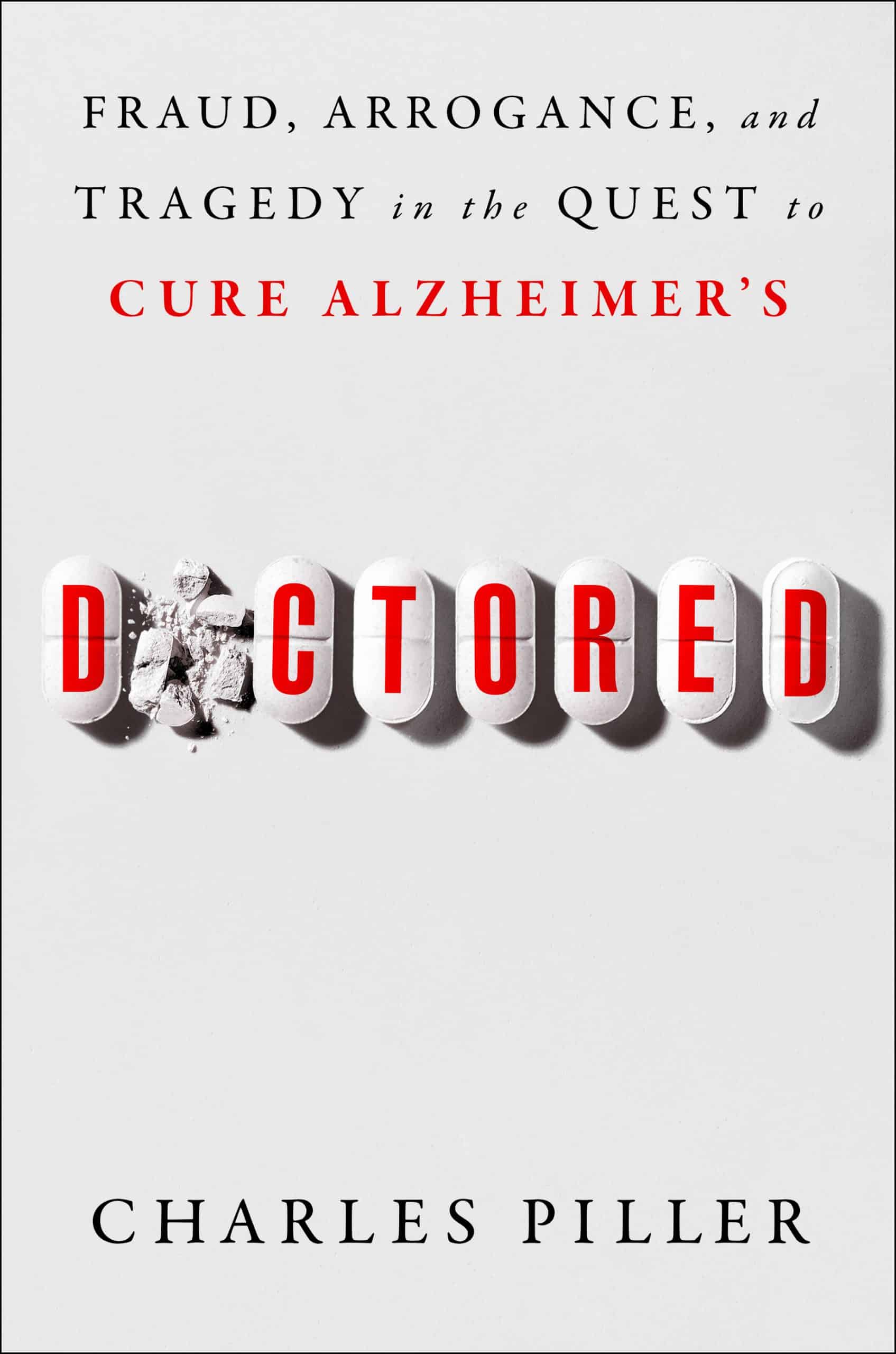
A reporter uncovers evidence that research fraud on a massive scale has hyped the potential benefit of expensive drugs aimed at slowing or reversing the mental decline of patients with Alzheimer’s disease.
A Developmental Disability Diagnosis Can Hit Hard – But It Isn’t a Knockout

Across the country, the number of people diagnosed with developmental disabilities is rising, with implications for those individuals and the economy. This story looks at the experience of a family – and an editor – in Pittsburgh.
If you’re not subscribed to MindSite News Daily, click here to sign up.
Support our mission to report on the workings and failings of the
mental health system in America and create a sense of national urgency to transform it.
For more frequent updates, follow us on Facebook, Twitter and Instagram:

The name “MindSite News” is used with the express permission of Mindsight Institute, an educational organization offering online learning and in-person workshops in the field of mental health and wellbeing. MindSite News and Mindsight Institute are separate, unaffiliated entities that are aligned in making science accessible and promoting mental health globally.
Copyright © 2021 MindSite News, All rights reserved.
You are receiving this email because you signed up at our website. Thank you for reading MindSite News.
mindsitenews.org

The name “MindSite News” is used with the express permission of Mindsight Institute, an educational organization offering online learning and in-person workshops in the field of mental health and wellbeing. MindSite News and Mindsight Institute are separate, unaffiliated entities that are aligned in making science accessible and promoting mental health globally.


Author

Related Articles
He Almost Killed His Father. Now He Helps Others At Risk.
In today’s newsletter, we explore how one man healed after a dangerous psychotic break that nearly led him to murder.
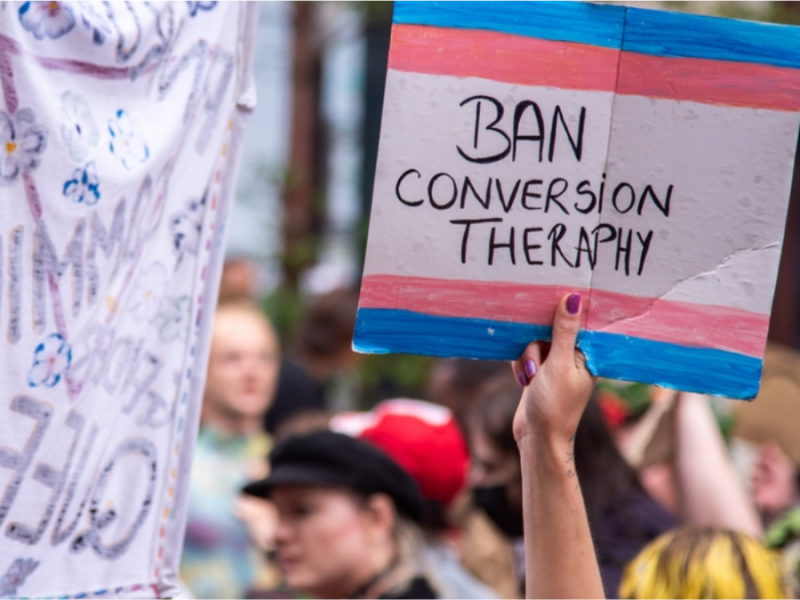
Fallout Over Supreme Court Ruling on Conversion Therapy
Despite the Supreme Court ruling, conversion therapists can still be sued for a practice the United Nations calls “torture.”

On No Kings Day, Millions Rallied to Denounce Trump and “Epstein War”
Anti-Trump protests took place in all 50 states, Puerto Rico and other US territories and in countries around the world.
