
Remembering Louise Vincent, Who Channeled Her Experiences With Addiction Into Life-Saving Advocacy
Louise Vincent, a pioneer in the harm reduction movement, died last month at just 49.
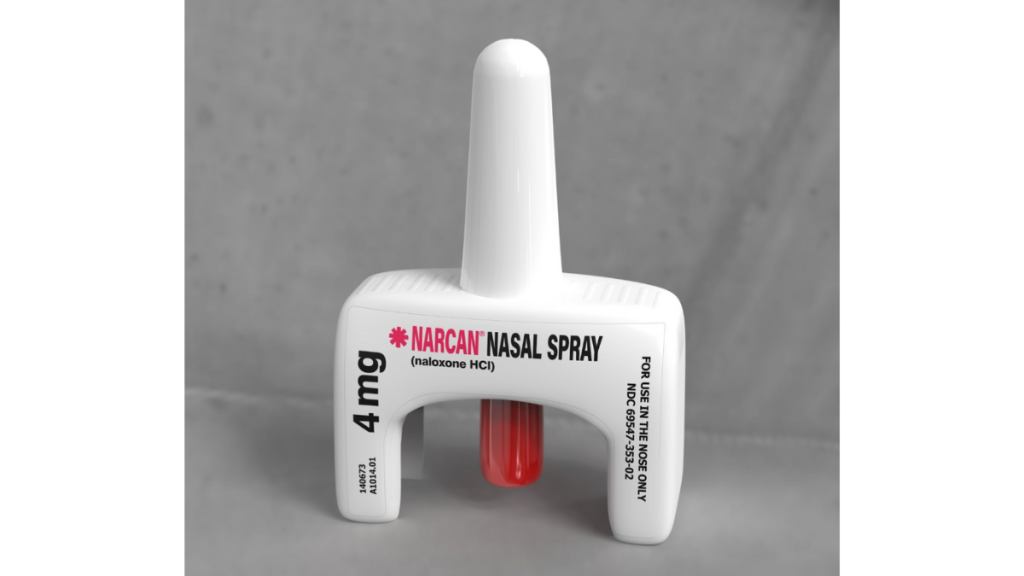
Louise Vincent’s brief 49 years were filled with strife, but her work throughout them has saved untold lives. She rose to national prominence as a drug user and activist who helped lead the harm reduction movement, advocating for drug addiction to be treated as a public health crisis rather than a stigmatizing flaw of individual character. She insisted on a compassion and dignity for drug users that they are still so often denied.
Vincent was drinking by seventh grade, and tried LSD and cocaine after being offered them by older students. She continued to use drugs for years, partly in an effort to self-medicate for bipolar disorder. She went on to co-found the North Carolina Survivors Union (NCSU) in 2013, described by the New York Times as “among the first organizations in the country to offer safety rails for drug users like her who were struggling to quit.” She earned a master’s degree in public health the same year, while still fighting addiction.
“We have one acceptable narrative about recovery that doesn’t fit everyone,” Vincent told Scalawag, a digital publication centering the perspectives of oft-overlooked communities in the South. “This idea of getting clean, staying clean, being 100 percent abstinent. You’re either all the way sick or all the way well. There’s no middle ground.”
The legacy of Louise Vincent
Initially hesitant about harm reduction due to the “acceptable narrative” she had internalized while growing up, the practice became her mission. Vincent started by surreptitiously providing needles, naloxone, and sometimes CPR to addicts who reached out to her for help. But helping others was only part of her inspiration. “I didn’t start doing harm reduction because I wanted to save the world,” Vincent told NPR in 2023. “I wanted to save myself.”
In 2016, her 19-year old daughter, Selena, tragically lost her life to an overdose. Selena had been trained to administer naloxone to herself, but died while in the care of a rehab facility that didn’t stock it. “The maddening truth about what happened to Selena is that it was avoidable,” Vincent said.
She continued her work, even co-authoring multiple academic papers, enriching public health research with real lived experience. “What we do is everything wrong to help a person,” Vincent once said, regarding entrenched beliefs about addiction treatment. “We disconnect them from community. And then we disconnect them from their freedom. And when people finally have nothing left, then they will use until they die.” By her own estimation, public health researchers would do well to continue collaborating with users directly. “Given the rising rates of drug-involved morbidity and mortality, it is high time to include people who use drugs in public health efforts,” Vincent once wrote. “Our lives depend on it.”
Under her her leadership, NCSU provided clean syringes, naloxone, and drug-testing kits to protect others from the health complications that would eventually take her life: Vincent died late last month from a blood disorder and chronic health issues stemming from unknowingly consuming fentanyl laced with the horse tranquilizer xylazine (or tranq) years earlier. Vincent’s work, a testament to the lifesaving power of harm reduction practices, will reverberate long after her tragic passing.
The name “MindSite News” is used with the express permission of Mindsight Institute, an educational organization offering online learning and in-person workshops in the field of mental health and wellbeing. MindSite News and Mindsight Institute are separate, unaffiliated entities that are aligned in making science accessible and promoting mental health globally.

Author

Related Articles
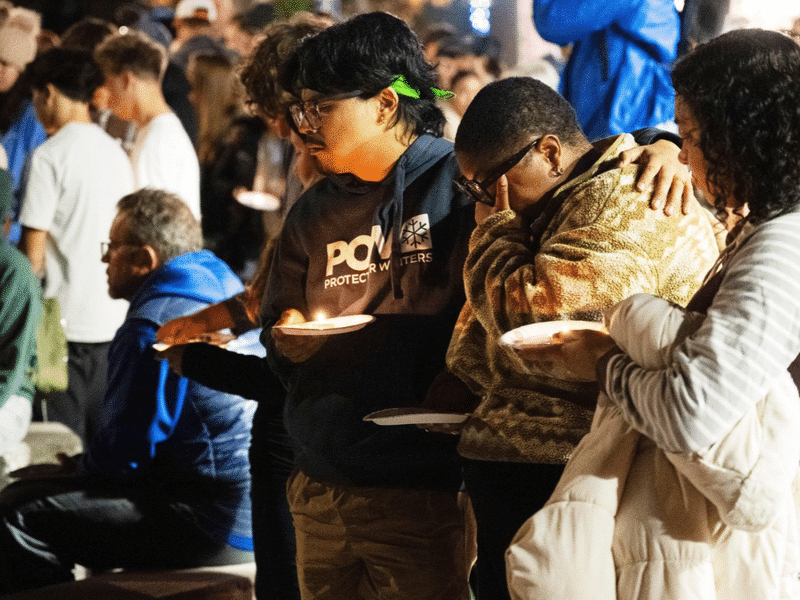
After Deadly Oregon School Shooting, Experts Offer Advice to Grieving Families and Advocates Renew Call for Stronger Gun Laws
Following the tragic shooting in Bend, Oregon, grief experts share advice for families while the debate over federal and state gun laws re-emerges.

‘Going Into the Tunnel’: Doomscrolling Steals Sleep and Takes a Toll – But Prompts Some Youth to Action
New CDC and Hopelab reports show that late-night doomscrolling severely disrupts sleep and worsens mental health among young people.