
When Should You Worry About Your Child or Teen’s AI Use – and What Can You Do About It?
Tips on helping your child avoid the mental pitfalls of exploring AI.

Here’s a pro tip from NPR: If you hear your kids talking about a chatbot as if it were a real friend, and/or see them spending too much time alone chatting with it, your parental alarm bells should be going off.
NPR reporter Lee V. Gaines talked with teen Nicholas Mukhbaatar of Sacramento, Calif., who heard – and listened to – his own internal alarm about ChatGPT. He said that when he was 14 he was using the bot “for almost everything, like math problems.” He was amazed at first, but eventually realized there was a catch: “I realized it was just giving me an answer without helping me go through the actual process of learning.”
Mukhbaatar’s journey is reason enough to read the whole article, but the story also provides excellent advice.
Suggestions include starting the conversation about AI early on (think elementary school), letting kids know AI can make mistakes, co-writing AI rules with your kids, and best yet, making time for real life, including playing sports and spending time with family and friends. With some teens falling in love with their ChatGPT to their great peril, it’s important to discuss safe and ethical AI use with your child as soon as possible.
Our kids might not always seem receptive, but, as parents, we often have a lot more influence than we realize. Said Marc Watkins, a University of Mississippi lecturer researching AI’s impact on education: “They’re not going to remember an ad from an AI chatbot. They’re going to remember a conversation you had with them. And that gives you a lot of agency, a lot of power in this.”
The name “MindSite News” is used with the express permission of Mindsight Institute, an educational organization offering online learning and in-person workshops in the field of mental health and wellbeing. MindSite News and Mindsight Institute are separate, unaffiliated entities that are aligned in making science accessible and promoting mental health globally.

Author

Related Articles

Checking for ICE Before Every Class: The New Reality for Minnesota’s International Students
Since the start of Operation Metro Surge, S, an international student in St. Paul, has lived in a state of high alert.

As Muslims Across the U.S. Face Mounting Stress, We Revisit Our Story about a Detained Filipino Journalist
Ya’akub Ira Vijandre, a Filipino photojournalist and DACA recipient, was detained by ICE last October for posts extolling Islamic principles.
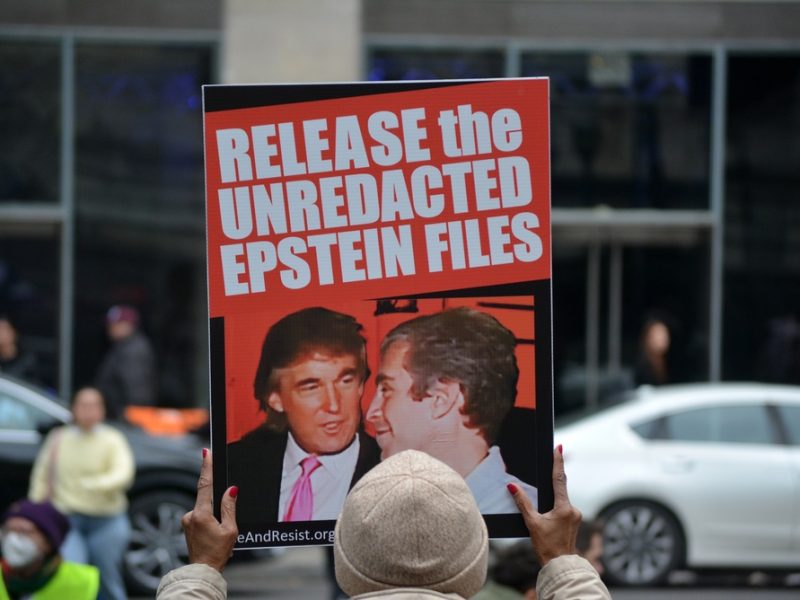
New Mexico Investigates Allegations of Abuse, Buried Bodies on Epstein’s Zorro Ranch
State lawmakers say their state’s Epstein Truth Commission is the first full investigation into the property.
