
Panic and the Zeitgeist: Why New Novels Focus on Anxiety Attacks
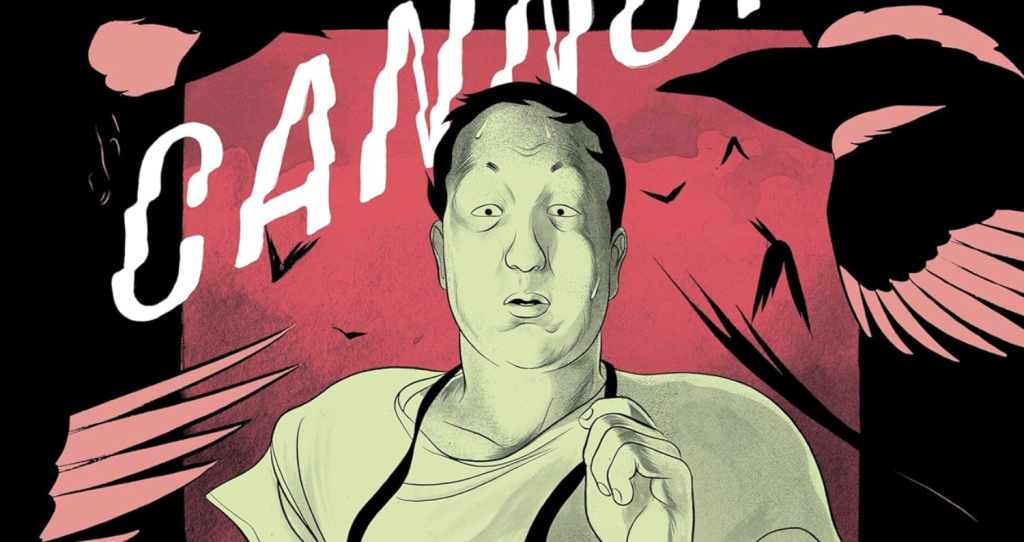
Anxiety is on the rise in 2025, according to a recent survey by the American Psychiatric Association, which found that 43% of U.S. adults reported they felt more anxious than the previous year, up from 32% in 2022. The jump in anxiety was linked to factors that included the 2024 election, gun violence and the economy, with more than 60% reporting they were worried about paying their bills and keeping themselves and their family safe. For some of us, such anxiety can escalate into full-blown panic attacks, which can usher in a sudden episode of intense, terrifying fear.
Perhaps it’s a sign of the zeitgeist, then, that the Atlantic reviewed not just one, but two new novels with one-word titles that revolve around panic attacks: Pan and Cannon. An Atlantic editor introduced the two selections like this:
A panic attack can feel like the end of the world. In his new novel, Pan, Michael Clune writes that during such an episode, “your consciousness gets so strong it actually leaps out of your mind entirely. It starts vibrating your body. It shakes meat and bone.” My colleague Scott Stossel reviewed the book this week, writing that anxiety can make “rays of sunlight come through my eyes and get in my chest, and I feel like I’m gagging on them.” Your stomach might feel like it’s falling through the floor; your vision might blur; you might appear glassy, paralyzed by fear. Or, as in Lee Lai’s new graphic novel, Cannon, a panic attack might look like a menacing bunch of magpies piling up on furniture.
Since I’m partial to graphic novels, I may begin by reading Lai’s book, Cannon, which traces the unraveling of a young woman trying to balance waitressing and caring for her sick grandfather while trying to save her increasingly painful friendship with her ambitious bestie from high school.
I also look forward to Clune’s novel Pan, which follows a teenage boy as he makes friends with some other outcasts and tries to figure out the source of his panic attacks. Although a Kirkus review says his book shares some of the pitfalls of the literary Brat Pack novels, such as “an overly studied blankness,” the reviewer still found it “sly and artful…as a mood piece, it offers a vivid sense of a boy all but asphyxiating on his own thoughts.”
The name “MindSite News” is used with the express permission of Mindsight Institute, an educational organization offering online learning and in-person workshops in the field of mental health and wellbeing. MindSite News and Mindsight Institute are separate, unaffiliated entities that are aligned in making science accessible and promoting mental health globally.

Author

Related Articles
Checking for ICE Before Every Class: The New Reality for Minnesota’s International Students
Since the start of Operation Metro Surge, S, an international student in St. Paul, has lived in a state of high alert.
As Muslims Across the U.S. Face Mounting Stress, We Revisit Our Story about a Detained Filipino Journalist
Ya’akub Ira Vijandre, a Filipino photojournalist and DACA recipient, was detained by ICE last October for posts extolling Islamic principles.
New Mexico Investigates Allegations of Abuse, Buried Bodies on Epstein’s Zorro Ranch
State lawmakers say their state’s Epstein Truth Commission is the first full investigation into the property.
