
Australia’s Youth Social Media Ban Causes Anxiety Before Holidays
Australia’s youth social media ban, implemented just before the long holiday break, has sparked concern among mental health experts who warn the sudden loss of digital community and support could cause distress and isolation for vulnerable teens.
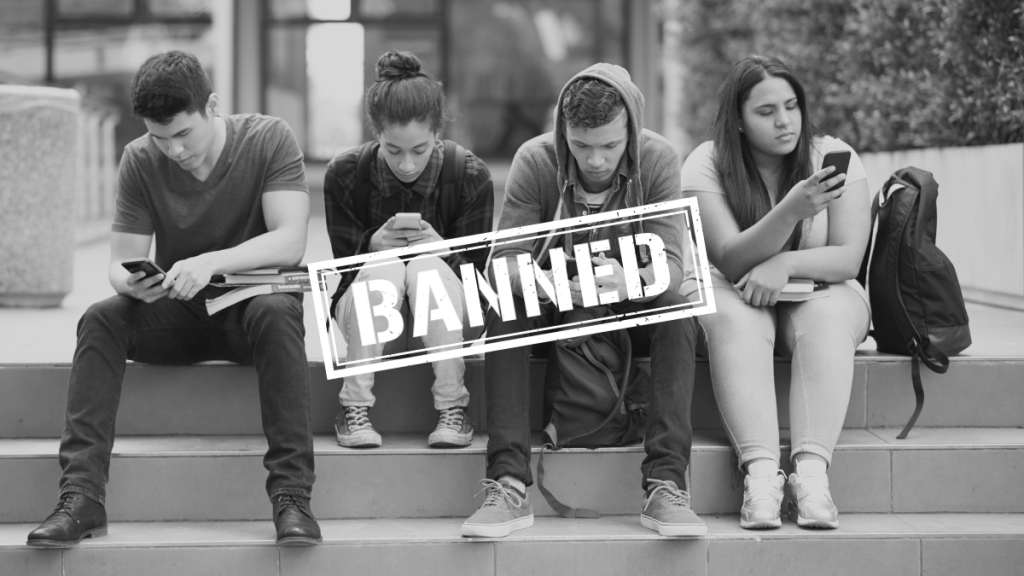
For today’s tweens and teens, it’s almost the worst thing that could happen, and at the worst time: Australia has implemented a youth ban on social media, just before the start of a 6-week holiday. This week, more than 1 million Australians under 16 lost their accounts on TikTok, Instagram, and YouTube, mere days before they’re also cut off from their in-person social routines.
“You’re basically isolated for about six weeks during the school holidays,” 15-year-old Sydney resident Ayris Tolson told Reuters. “As it continues on, I will probably feel more attached to social media. It’s not such a good time.”
Mental health experts warn that the sudden loss of digital community will be destabilizing for some, especially teens from marginalized communities, including LGBTQ+ youth or those from rural or immigrant households. While researchers can’t yet confirm how many Australian youth under 16 use social media to reach mental health services, 72% of 16-25 year old respondents to a 2024 informal survey from ReachOut.com used social media for mental health advice, while almost half used it to find a qualified provider.
Moreover, many young people find community and connection through social media. Without the grounding of daily school life over the long summer holiday, some fear that vulnerable youth struggling with the sudden loss of social media will have too much solo time with troublesome thoughts.
“If you were at school, there would have been a lot of conversation and chatter around it; it’s a shared experience,” said Nicola Palfrey, head of clinical leadership at headspace, a government-funded youth mental health service. “If you’ve got more time on your hands and you’re in your head quite a bit… time alone with your thoughts is not ideal. It’s those people that are starting to feel concerned.”
Despite these concerns, Australian officials have said the ban will ultimately benefit youth mental health by shielding them from cyberbullying, harmful content and addictive algorithms. Australian eSafety Commissioner Julie Inman Grant directed youth to exempted online spaces – which include messaging apps like WhatsApp and Discord, as well as headspace – and said that the government will collect two years of data on the ban’s “benefits, but also the unintended consequences.”
Meanwhile, youth programs and mental health providers are gearing up for what could be a difficult holiday. Kids Helpline, a youth mental health resource which typically sees a drop in activity during this 6-week break, is bracing for a potential surge in need by training 16 new counselors, and leaders at Youth Affairs Council Victoria are planning a new national body for reaching youth offline because of how many organizations are asking them for help.
“The interaction that young people have with teachers or support staff or youth workers will be less,” said Lauren Frost, head of policy at the organization, “so they won’t be able to play that role of supporting young people through this time of transition. They’re feeling a lot of fear and a lot of anxiety.”
The name “MindSite News” is used with the express permission of Mindsight Institute, an educational organization offering online learning and in-person workshops in the field of mental health and wellbeing. MindSite News and Mindsight Institute are separate, unaffiliated entities that are aligned in making science accessible and promoting mental health globally.

Author

Related Articles
Insomnia, Fear and Dread: The Ordeal of Awaiting Word from Relatives in Iran
Iran’s internet blackout has left relatives in the U.S. frantic with worry.
Checking for ICE Before Every Class: The New Reality for Minnesota’s International Students
Since the start of Operation Metro Surge, S, an international student in St. Paul, has lived in a state of high alert.
As Muslims Across the U.S. Face Mounting Stress, We Revisit Our Story about a Detained Filipino Journalist
Ya’akub Ira Vijandre, a Filipino photojournalist and DACA recipient, was detained by ICE last October for posts extolling Islamic principles.
