
“MacArthur Genius” Scientist Warns Against Rolling Back Harm Reduction
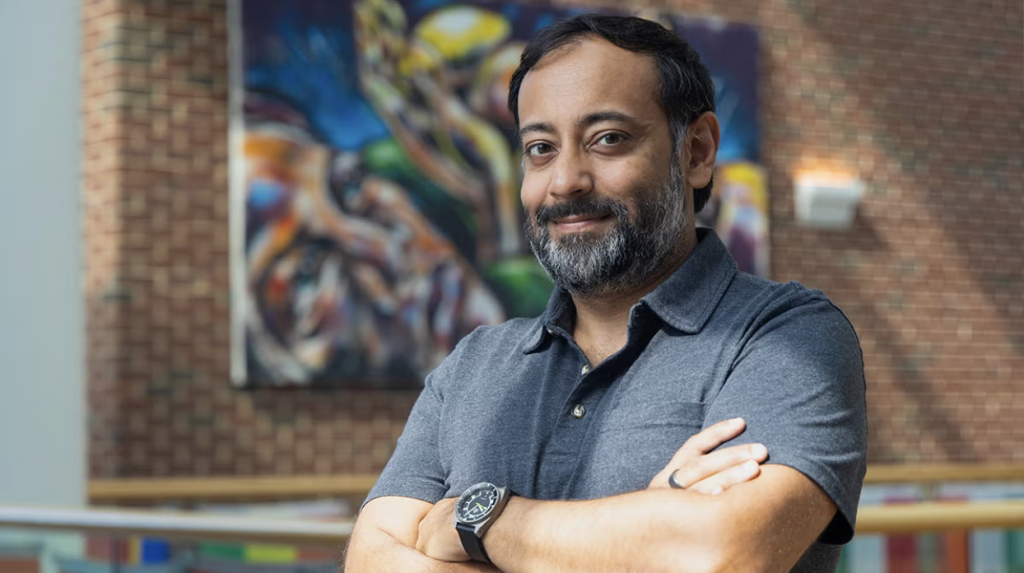
Scientist Nabarun Dasgupta began analyzing data on overdose deaths after a dear friend died of a heroin overdose. His friend and former colleague, Tony Givens, who died in 2004, “was the first one who really connected me with the human side of the drug problems in the United States,” Dasgupta told Tradeoffs, a health policy news outlet. “It was just super hard to feel him disappear from my life.”
Dasgupta, who describes himself as a “street drug scientist,” has spent the two decades since working to stem the country’s overdose crisis. Although his data-crunching began as an effort to cope with his grief, he has become one of the country’s most influential experts on how drug use spreads – and how lives might be saved.
He has worked as an epidemiologist at the University of North Carolina at Chapel Hill since finishing his PhD there in 2013. He helps oversee the Opioid Data Lab, whose work we’ve covered before, and its Street Drug Analysis Lab, which tests community-donated opioids, fillers and byproducts from around the country, sharing the results online “so that the people who are using drugs can get the results first.”
Dasgupta felt a profound relief when he saw that nearly 30,000 fewer people had died of an overdose in 2024 than in 2023 – a 27% decline. “I felt like I could exhale for the first time in 20 years,” he told Tradeoffs. In 2025, Dasgupta received a MacArthur Fellowship, popularly known as the “genius grant,” for bringing “much-needed leadership to the critical work of understanding and reducing deaths and other harms from drug use.”
Dasgupta’s work is read closely by journalists and policymakers, but he says his most important audience are the people who have died – or are at risk – of a deadly overdose. “Our primary mission is getting the information back to individuals who use drugs,” Dasgupta said. “Their lives are on the line.” As early as 2007, he worked to broaden access to Narcan, or naloxone, the overdose-reversal drug that many experts credit with the recent fall in drug deaths.
But such harm-reduction interventions risk as the Trump administration pushes for a return to punitive policies around addiction, including cutting funding for Narcan distribution. You can read or listen to Tradeoff’s conversation with Dasgupta here.

(L-R) Anthony (Tony) Givens, Alison Phinney and Nabarun Dasgupta pose with harm reduction supplies to hand out to people who use drugs in Portland, Maine, in 2002. Givens died of an overdose two years later. Credit: Mark Kinzly, courtesy of Nabarun Dasgupta
The name “MindSite News” is used with the express permission of Mindsight Institute, an educational organization offering online learning and in-person workshops in the field of mental health and wellbeing. MindSite News and Mindsight Institute are separate, unaffiliated entities that are aligned in making science accessible and promoting mental health globally.

Author

Related Articles

No Good Choices: The Plight of Afghan Girls Forced to Present as Boys Under Taliban Rule
Forced to live under the Taliban’s strict patriarchal rules, Afghan families with no fathers or sons turn to girls to meet basic needs.

Insomnia, Fear and Dread: The Ordeal of Awaiting Word from Relatives in Iran
Iran’s internet blackout has left relatives in the U.S. frantic with worry.

Checking for ICE Before Every Class: The New Reality for Minnesota’s International Students
Since the start of Operation Metro Surge, S, an international student in St. Paul, has lived in a state of high alert.
