
New Senate Bill Targets ‘Troubled Teen’ Industry and Residential Treatment Abuse
Senator Ron Wyden introduced the BRIDGES for Kids Act to increase oversight of residential treatment centers and create a national dashboard to track abuse.
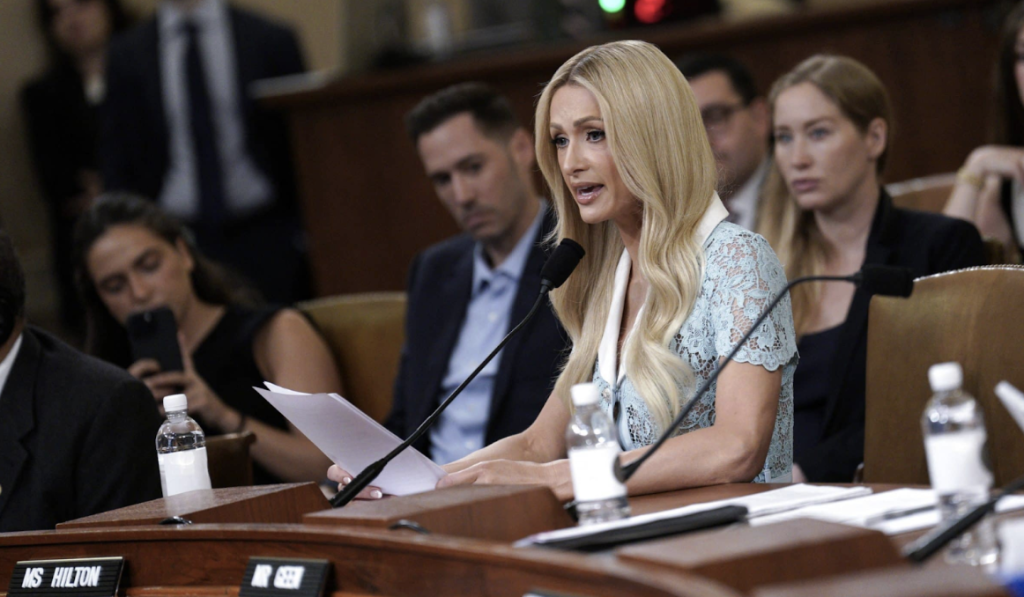
In December, Senator Ron Wyden (D-Ore), introduced a Senate bill, the BRIDGES for Kids Act, to better regulate residential treatment centers – closing loopholes that have allowed for the abuse of vulnerable youth, as NBC reported.
The bill followed a 2024 report by the Senate Finance Committee, which Wyden then chaired, that capped a two-year investigation into the troubled teen industry. It found that abuse, neglect and acute safety concerns permeate the industry and are “endemic” to the residential treatment facility operating model. Further investigation found that LGBTQ+ youth were at risk of still more harm and discrimination.
“Young Americans who are struggling with their mental health or who are in foster care deserve far better than what they’re getting right now,” Wyden said, adding that the bill is intended to “give watchdogs the tools to spot and stop abuse quickly.”
As part of the proposal, the Department of Health and Human Services would create a national public dashboard that would compile and publicly report on data like how often children are restrained or secluded at residential treatment centers and make available inspection reports, staffing levels, licensing and credentials. States would be required to look into significant complaints within two days, and, if issues were found, to promptly investigate.
The bill would also no longer allow privately accredited facilities in 21 states to skip some licensing. Not only do private accreditation groups not publish details of their inspections or complaints against the facilities, there are reports of children having died in the care of these privately accredited facilities and programs.
In addition to better oversight of residential treatment, the bill would invest in community-centered alternatives, increasing federal support for mental health and substance use support delivered in the community, and for children in the child welfare system placed with kin.
(Read MindSite News’ 2024 troubled teen series here, and a “behind the story” article in which editors and writers share what motivated them to create the series.)
The name “MindSite News” is used with the express permission of Mindsight Institute, an educational organization offering online learning and in-person workshops in the field of mental health and wellbeing. MindSite News and Mindsight Institute are separate, unaffiliated entities that are aligned in making science accessible and promoting mental health globally.

Author

Related Articles
What ICE Detention Does to a Child
As Immigration and Customs Enforcement agents apprehend more children, it raises a simple question: What does immigration detention do to a child’s mind and body?

Problem Gambling Is Quietly Becoming an Adolescent Crisis
A 2026 survey from Common Sense Media found that one-third of boys age 11 to 17 reported gambling in the past year.

Dad’s Dementia Helped One Kenyan Researcher Find Purpose in Her Career
Sharing that “dementia is a disease of moments,” a Kenyan researcher teaches families how to better care for their loved ones.
